
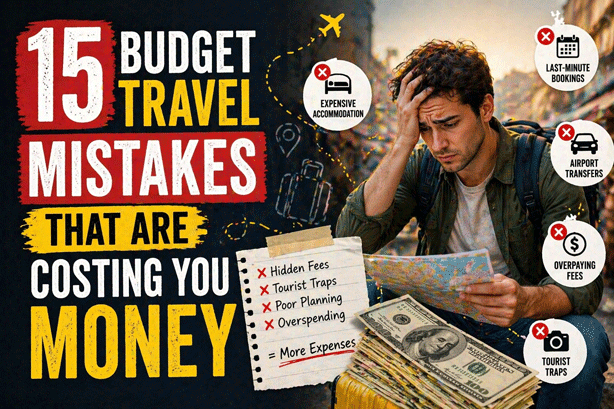
 Posted by
 Introduction
Traveling today feels expensive, but in many cases, the real problem is not travel itself. The biggest issue is usually poor planning and common budget travel mistakes that quietly increase total trip costs.
Many travelers overspend on flights, hotels, food, transportation, and unnecessary shopping without even realizing it during the journey. Small mistakes like booking at the wrong time, staying in expensive tourist areas, or carrying extra luggage often waste far more money than expected.
At the same time, smart travelers usually save money through better planning, smarter booking decisions, and simple travel habits instead of sacrificing comfort completely.
If you want more smart money-saving strategies, you should also explore 20 Budget Travel Tips before planning your next trip.
In this guide, you will discover the most common travel mistakes that are silently costing travelers money every day.
Quick Summary Table
| Budget Travel Mistake | Hidden Cost |
|---|---|
| Booking Cheapest Flight | Extra baggage and service fees |
| Overpacking | Baggage charges |
| Poor Planning | Expensive last-minute decisions |
| Wrong Hotel Location | Higher transport costs |
| Tourist Restaurants | Overpriced food |
| Ignoring Free Activities | Unnecessary attraction spending |
| Last-Minute Booking | Higher prices |
| Hidden Fees | Budget overruns |
| Not Comparing Prices | Paying more than necessary |
| Skipping Insurance | Financial risk |
| Not Tracking Spending | Budget loss |
| Airport Currency Exchange | Poor exchange rates |
| Non-Flexible Bookings | Cancellation losses |
| Following Social Media Trends | Overpriced experiences |
| Ignoring Total Trip Cost | Overspending overall |
Budget Travel Mistakes That Are Costing You
1. Booking the Cheapest Flight Without Checking the Total Cost
This is one of the most common budget travel mistakes travelers make while planning trips. Many people open a flight comparison website, sort by the cheapest option, and instantly assume they found the best possible deal.
But cheap-looking flights are often designed to attract attention, not actually save money.
Most low-cost airlines remove almost everything from the base fare, including baggage, meals, seat selection, and booking flexibility. What initially looks like a cheap ticket slowly becomes much more expensive during checkout.
For example:
- $90 base ticket
- $40 baggage fee
- $20 seat selection
- $15 food
👉 Final total: $165
Meanwhile, another airline may offer a $140 ticket with better comfort, luggage included, and fewer restrictions overall.
Helpful premium travel products:
These premium travel products improve comfort, organization, and flexibility during long airport waits and frequent flights.
Smart travelers usually check:
- final ticket price
- baggage rules
- included services
- cancellation flexibility
Avoiding hidden airline costs is one of the smartest ways to reduce budget travel mistakes during trip planning. If you want more smarter booking strategies, you should also explore How to Save Money While Traveling Anywhere before booking your next trip.
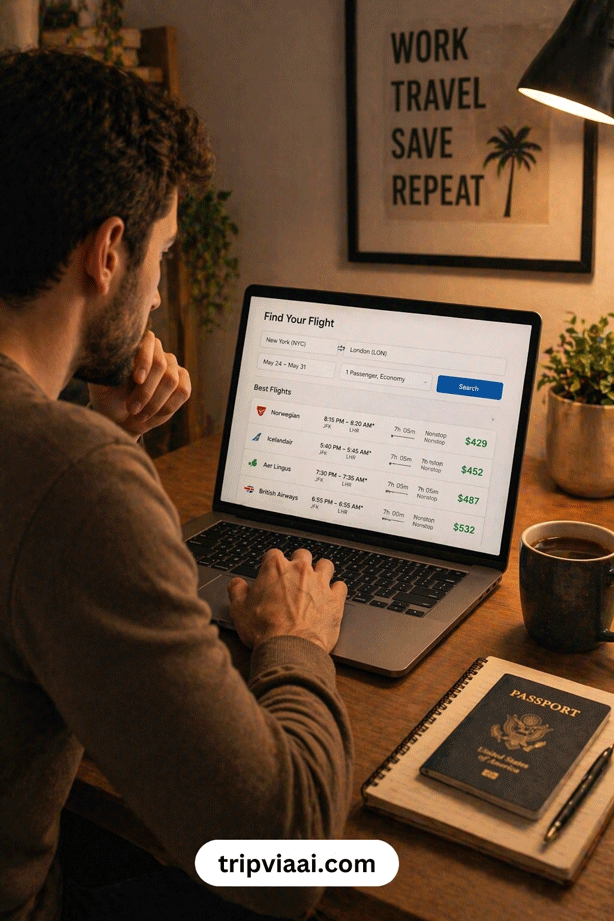
Comparing Flight Prices
2. Overpacking and Paying for It Later
Overpacking is one of the most common budget travel mistakes travelers make, especially during short trips. Many people carry extra clothes, additional shoes, and random “just in case” items they never actually use during the journey.
The problem is that airlines make huge amounts of money from this habit through baggage fees and overweight luggage charges. Heavy bags also create slower airport movement, more physical stress, and less travel flexibility overall.
Most travelers eventually realize they use only a small portion of what they pack. The rest simply becomes extra weight, extra cost, and unnecessary inconvenience during the trip.
I once packed heavily for a short trip thinking I needed multiple outfit options and extra items. By the end of the journey, I had used barely half of the luggage but still paid full baggage fees.
Smart travelers usually:
- pack complete outfits instead of random clothes
- choose lightweight multi-use clothing
- avoid unnecessary “backup” items
- travel with carry-on luggage whenever possible
Traveling lighter is one of the simplest ways to avoid budget travel mistakes while making trips smoother and more comfortable. If you want smarter money-saving travel habits, you should also explore 22 Cheap Travel Ideas That Actually Work in 2026 before your next trip.
3. Not Planning Your Trip Properly
Traveling spontaneously may sound exciting, but poor planning often becomes one of the biggest budget travel mistakes during a trip. Without basic preparation, travelers usually end up making expensive last-minute decisions simply because they are tired, confused, or running out of time.
For example, arriving in a new city without booking accommodation often forces travelers to choose overpriced hotels because cheaper options are already unavailable.
Good planning does not mean creating a strict schedule. Smart travelers simply prepare the basics like accommodation, transportation, and a rough daily budget before the trip begins. Small planning decisions usually help travelers avoid unnecessary spending and maintain far better control over travel costs overall.
4. Choosing Cheap Accommodation in the Wrong Location
This is one of those budget travel mistakes that looks smart initially but often costs more later. Many travelers book the cheapest hotel available without checking how far it is from the city center or main attractions.
The problem is that daily transportation costs slowly increase throughout the trip. Long travel times, repeated taxi rides, and poor convenience often make the “cheap” hotel far more expensive overall.
For example, a hotel costing $70 per night outside the city may require around $20 daily transportation, making the real total almost equal to a better city-center stay.
Before booking accommodation, smart travelers usually check:
- distance from attractions
- nearby public transport
- daily travel time
- overall convenience
Location often matters much more than the cheapest room price alone.
5. Eating Only in Tourist Areas
Food is one of the biggest places where travelers unknowingly make budget travel mistakes. Restaurants near famous attractions usually charge much higher prices, not because the food is better, but because the location itself is expensive.
During one trip, I paid nearly $30 for a very basic meal near a crowded tourist street. The next day, I walked just a few minutes away from the main area and found a small local café serving fresher and better food for almost half the price.
This happens in almost every major destination. Tourist restaurants depend heavily on visitors who usually eat quickly without comparing prices nearby.
Smart travelers usually walk away from crowded tourist spots, explore local streets, and choose smaller cafés where local people actually eat. These simple habits help travelers save money while also enjoying much more authentic food experiences during the trip.

Smart Local Food Discovery While Traveling
6. Ignoring Free Activities
Many travelers automatically assume that paid attractions provide the best experiences during a trip. In reality, some of the most memorable travel moments are completely free and often feel far more relaxing and authentic.
This is one of the most overlooked budget travel mistakes because travelers keep spending money on expensive attractions while ignoring beautiful parks, beaches, walking tours, museums, and local neighborhoods nearby.
In cities like Chicago or San Francisco, travelers can easily spend an entire day exploring waterfront areas, public parks, viewpoints, and local streets without spending much money at all.
Smart travelers usually balance their trips carefully by combining paid attractions with free experiences. This approach helps reduce overall travel costs while still creating a much richer and more enjoyable journey overall.
7. Booking Everything Last Minute
Many travelers think last-minute booking creates flexibility, but in reality, it usually becomes one of the most expensive budget travel mistakes during a trip. Flights, hotels, and transportation prices often increase heavily when availability becomes limited closer to travel dates.
For example, a flight costing around $180 one month earlier may suddenly increase to more than $300 just a few days before departure even though the route and airline remain exactly the same.
Last-minute decisions also create unnecessary stress because travelers often book quickly without comparing better options properly.
Smart travelers usually track prices early, compare deals regularly, and keep travel dates slightly flexible whenever possible. Better timing decisions often reduce travel costs much more than people initially expect.
8. Ignoring Hidden Travel Costs
This is one of the most expensive budget travel mistakes because many travelers never notice it until the final payment stage. People usually focus only on the advertised price while ignoring taxes, service fees, transfer costs, and additional booking charges that quietly increase the total expense.
A hotel that initially looks like $100 per night may suddenly become $130 or more after taxes, service fees, and extra charges appear during checkout. The same thing often happens with flights, tours, and transportation bookings.
These unexpected expenses slowly destroy travel budgets because travelers calculate costs using the base price instead of the real final amount.
Smart travelers usually scroll to the final payment page before booking anything, carefully check extra fees, and review cancellation policies properly. Understanding the complete cost beforehand helps travelers avoid unnecessary surprises and reduce major budget travel mistakes during trips.
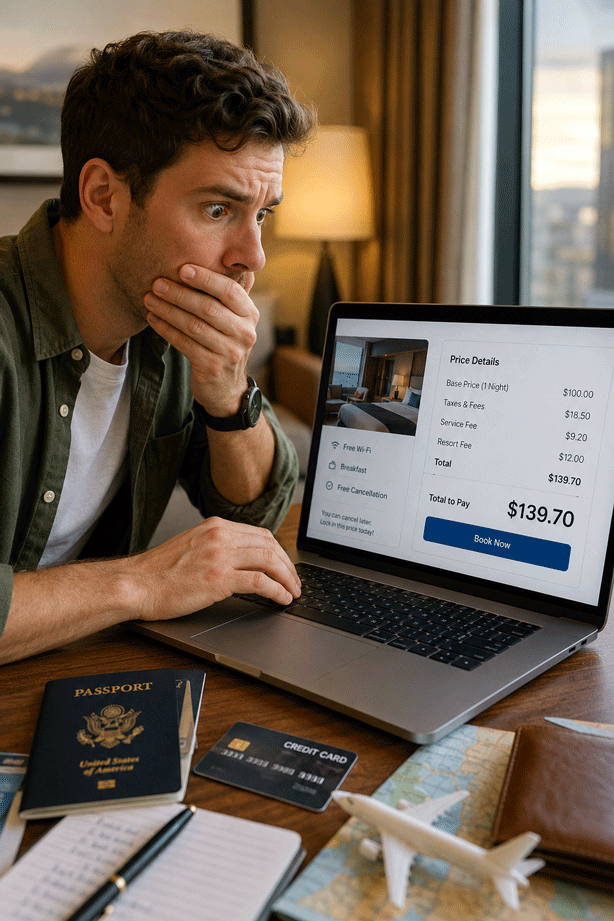
Hidden Travel Fees Budget Mistake
9. Not Comparing Prices Before Booking
Many travelers unknowingly make serious budget travel mistakes simply because they book too quickly without comparing prices properly. People often check one travel website, see a “reasonable” deal, and complete the booking immediately without looking elsewhere.
The problem is that hotel and flight prices often vary across different booking platforms even for the exact same room or flight.
For example, I once checked the same hotel on two different websites. One platform showed the room for around $150, while another listed it closer to $115 for the exact same stay and dates.
Small price differences like this may not look huge initially, but during longer trips they quickly add up.
Smart travelers usually compare at least two or three booking websites, check flexible travel dates, and sometimes even use incognito browsing before finalizing reservations. Spending a few extra minutes researching often saves a surprising amount of money overall.
10. Skipping Travel Insurance
Skipping travel insurance may look like a smart way to reduce expenses, but it often becomes one of the riskiest budget travel mistakes travelers make during international trips.
Many people assume nothing will go wrong, but unexpected situations like flight cancellations, medical emergencies, delayed baggage, or lost luggage can quickly create huge expenses without warning. Even a small medical issue abroad can sometimes cost hundreds or even thousands of dollars depending on the destination.
Meanwhile, basic travel insurance usually costs far less compared to the financial risk involved. Smart travelers often consider insurance especially for international trips, expensive bookings, or longer stays where unexpected problems become much more likely.
Spending a small amount upfront often protects travelers from much larger losses later and creates a much less stressful overall travel experience.
11. Not Tracking Your Daily Spending
This is one of those budget travel mistakes that feels harmless initially but slowly destroys your travel budget over time. Small purchases like coffee, snacks, local transport, bottled water, or quick convenience shopping often look insignificant individually.
But during longer trips, these daily expenses quietly become much larger than travelers expect.
For example, spending:
- $5 on coffee
- $10 on snacks
- $15 on transport
can easily push daily extra spending beyond $30 or more without people noticing it properly.
The biggest problem is that travelers rarely track these smaller purchases carefully during trips. Smart travelers usually set simple daily spending limits, review expenses every evening, and keep rough notes of where the money is going.
Better spending awareness often creates much stronger budget control throughout the entire journey.
12. Exchanging Currency at the Airport
Exchanging money at airports is one of the most expensive budget travel mistakes travelers make, especially during international trips. Airport exchange counters usually offer poor conversion rates along with additional hidden service charges that quietly reduce your money.
For example, exchanging around $100 at an airport may easily result in losing $10–$15 compared to better exchange rates available inside city centers or through travel-friendly bank cards.
The problem is that travelers often exchange money quickly at airports because it feels convenient after landing. Unfortunately, convenience usually comes with much higher costs.
Smart travelers usually compare rates online beforehand, use travel-friendly debit or credit cards, and exchange larger amounts only in trusted city locations with better conversion rates. Small percentage differences may look minor initially, but over an entire trip they often create surprisingly large financial losses.
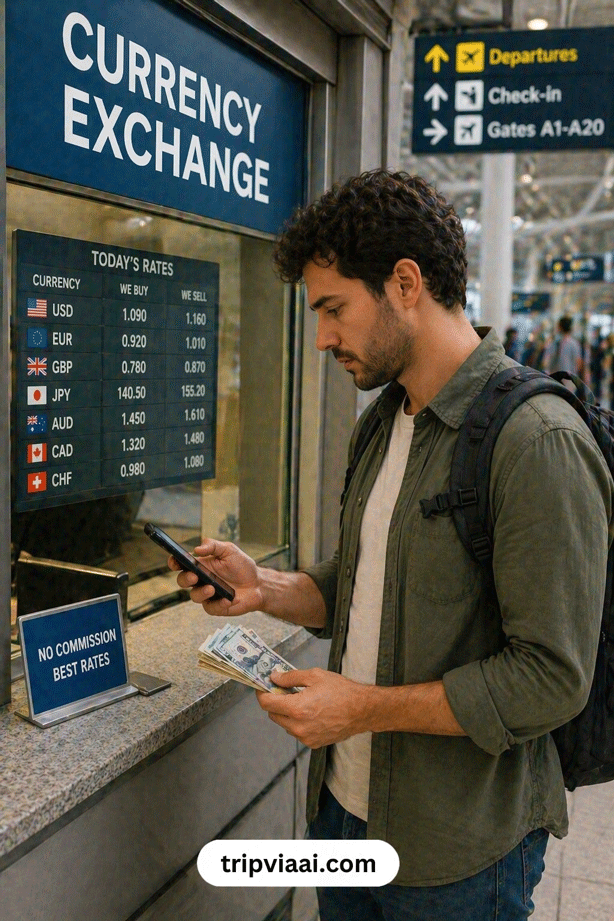
Comparing Currency Exchange Rates
13. Not Choosing Flexible Bookings
Travel plans do not always go exactly as expected. Flights get delayed, schedules change, emergencies happen, and sometimes travelers simply need to modify plans unexpectedly during the trip.
This becomes a major problem when bookings are completely non-refundable. Many travelers choose the cheapest booking option without realizing how risky it can become later.
For example, canceling a $200 hotel booking because of a sudden plan change may result in losing the entire amount with no refund at all.
Smart travelers usually pay close attention to cancellation rules before booking flights, hotels, or tours. Flexible booking options and free cancellation policies often provide much better financial protection during uncertain travel situations.
Avoiding rigid bookings is one of the smartest ways to reduce unnecessary budget travel mistakes while traveling more confidently overall.
14. Following Social Media Travel Trends Blindly
Social media often makes travel look perfect, but it rarely shows the real costs behind those experiences. Many travelers unknowingly make expensive budget travel mistakes by following trending cafés, luxury hotels, and viral destinations without checking whether they are actually worth the money.
In many cases, tourists end up paying much higher prices simply because a place became popular online. I once visited a famous Instagram café where a simple coffee cost nearly three times more than a nearby local café serving almost the same quality.
This happens because trendy locations usually charge extra for popularity, aesthetics, and tourist attention rather than better experiences.
Smart travelers usually focus more on value, local experiences, and genuine enjoyment instead of blindly copying social media trends. Traveling for real experiences instead of online validation often creates much better memories while saving a significant amount of money overall.
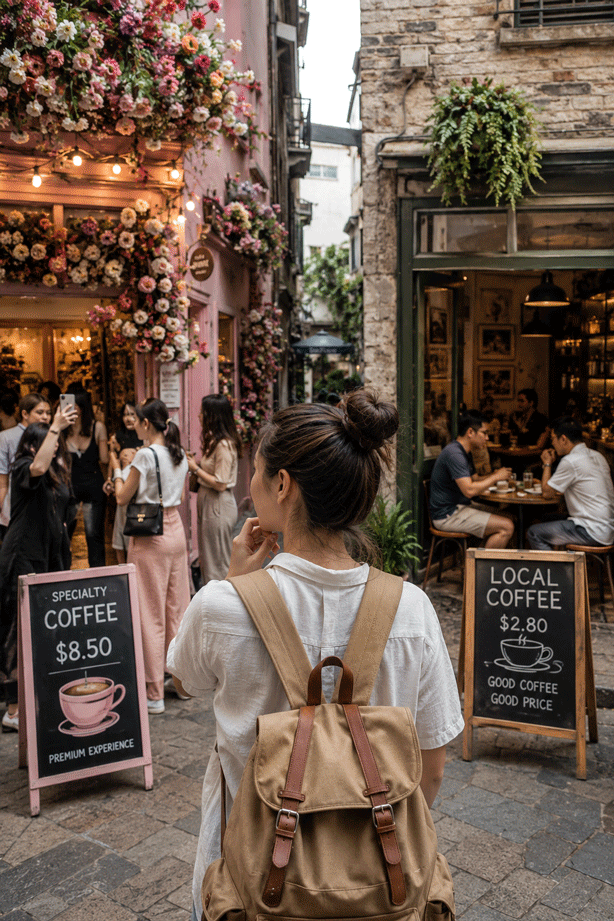
Chasing Social Media Travel Trends vs Smart Budget Travel
15. Ignoring the Total Trip Cost
This is one of the biggest budget travel mistakes travelers make while planning trips. Many people spend hours searching for the cheapest flight possible but completely ignore the total cost of the entire journey.
Travel expenses are not limited to airfare alone. Hotels, food, transportation, attraction tickets, shopping, and daily spending often become much more expensive than the flight itself.
A cheap flight to an expensive destination can easily turn the entire trip into a costly experience overall. This is why smart travelers always calculate the full travel budget instead of focusing only on one booking.
Before finalizing any trip, experienced travelers usually estimate:
- accommodation costs
- daily spending
- transportation expenses
- activity budgets
Looking at the complete financial picture helps travellers avoid major overspending and make much smarter travel decisions overall.
Conclusion
Travel does not become expensive overnight. Most of the time, small budget travel mistakes slowly increase your total trip cost without you even noticing it during the journey.
Better planning, smarter booking decisions, and simple travel habits can completely change how much you spend while still keeping the experience comfortable and enjoyable.
When you avoid unnecessary expenses, compare prices properly, and focus on real value instead of impulsive decisions, travel becomes far less stressful and much more affordable overall.
👉 Smart travel is not about spending the least
👉 It is about spending wisely
For more beginner-friendly travel guides and smarter money-saving tips, visit tripviaai.com