
 Posted by
 Introduction
Can you bring medicine on a plane? It’s one of the first questions I recommend checking before packing for any trip. Most people remember their passport, charger, and clothes, but medicines are often packed at the last minute. That’s when small mistakes happen, especially if you’re carrying prescription medication or travelling with children. If you’re still preparing your cabin bag, have a look at What Should You Pack in Your Carry-On Bag? A Complete Checklist for Every Traveller to make sure nothing important gets left behind.
One thing I’ve noticed is that travellers usually don’t think about their medicines until they reach the airport. I’ve seen people opening their backpacks at security because they couldn’t quickly find an inhaler or a bottle of medicine. A little organisation before leaving home can save a lot of unnecessary stress.
The good news is that travelling with medicine is much simpler than many people expect. Once you understand a few basic rules, you’ll feel much more confident every time you fly.
Quick Overview
| Question | Quick Answer |
|---|---|
| Can you bring medicine on a plane? | Yes, in most cases. |
| Prescription medicine allowed? | Yes. |
| Liquid medicine allowed? | Yes. |
| Carry-on recommended? | Yes. |
| Original packaging? | Recommended. |
15 Things Every Traveller Should Know Before Bringing Medicine on a Plane
Can You Bring Medicine on a Plane?
Yes, you can. Most airlines allow travellers to carry prescription medicines, over-the-counter tablets, inhalers, insulin, vitamins, and other essential medical supplies. If the medicine is for your personal use, taking it on a flight is completely normal.
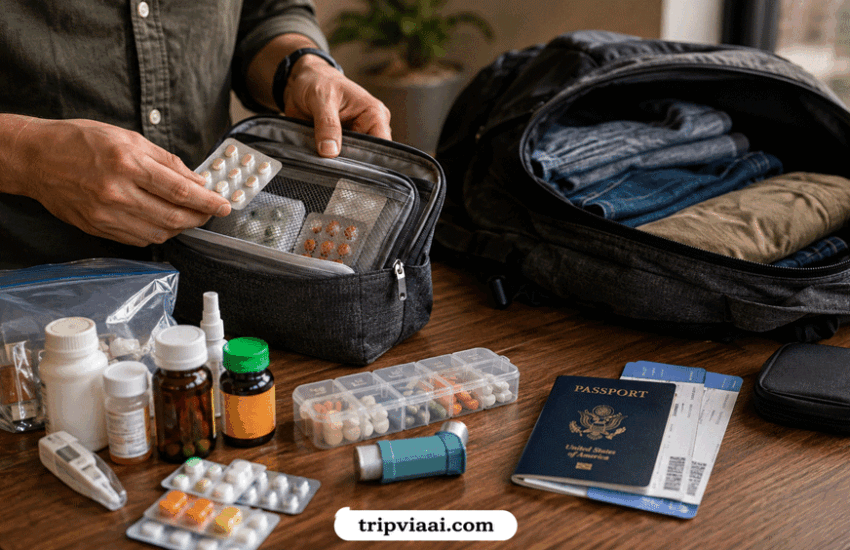
One habit I’ve found helpful is packing all my medicines in the same pouch before every trip. It only takes a minute, but I never have to search through my backpack if airport security asks to see them. Keeping everything together simply makes travelling feel more organised.
Before heading to the airport, do one final check to make sure your medicines are easy to reach inside your carry-on bag. It’s a small habit, but one that can save time, reduce stress, and help your journey start on the right note.
Should You Keep Medicine in Your Carry-On Bag or Checked Luggage?
If you’re wondering can you bring medicine on a plane, you should also know where it should be packed. I always recommend keeping essential medicine in your carry-on bag because flights don’t always go as planned. If your checked luggage is delayed, you’ll still have your medication with you when you need it most.
One thing I’ve noticed is that experienced travellers rarely pack important medicines inside checked luggage. Instead, they keep everything in a small pouch that’s easy to reach during security checks or while flying. It’s a simple habit, but it makes travelling much less stressful.
To stay organised, I always suggest using a dedicated medicine organiser instead of keeping tablets loose inside your backpack. The Lewis N. Clark Travel Medicine Organizer is a practical option because it keeps everything protected, easy to find, and ready whenever you travel.
Can You Bring Prescription Medicine on a Plane?
If you’re asking can you bring medicine on a plane, you’ll be glad to know that prescription medicine is generally allowed on both domestic and international flights. Whether it’s for diabetes, high blood pressure, allergies, or another medical condition, carrying the medicine you need is completely normal and something airport security deals with every day.
One thing I’ve found helpful is leaving prescription medicines in their original pharmacy packaging whenever possible. It keeps everything organised and makes it much easier if a security officer wants to check the label. It’s a small step, but it gives me extra peace of mind before every flight.
I also recommend saving a photo of your prescription on your phone before travelling. Most of the time you’ll never need it, but if your medicine is lost or you need a replacement while you’re away, having those details can save both time and unnecessary stress.
Can You Bring Liquid Medicine on a Plane?
If you’re wondering can you bring medicine on a plane, liquid medicine is generally allowed when it’s needed for your journey. This includes cough syrup, insulin, eye drops, and medicine for children. In some cases, airport security may inspect these items separately, but that doesn’t mean they aren’t allowed.
One thing I’ve noticed at airports is that travellers who keep liquid medicine in an easy-to-reach pocket usually finish security checks much faster. I once watched a parent take out a bottle of children’s fever medicine within seconds because it was packed separately. Meanwhile, another traveller had to unpack almost an entire backpack just to find a small bottle hidden under clothes.
Before every flight, I recommend keeping liquid medicine together in one clear section of your carry-on bag. It saves time, reduces stress, and makes the security process much smoother for everyone.
Before placing liquid medicine in your carry-on bag, make sure the bottle is tightly sealed to avoid accidental leaks during your journey. I’ve found that using TSA-Approved Leakproof Travel Bottles makes packing much easier because they’re designed to prevent spills, protect your luggage, and keep liquid medicines organised in one place.
Should Medicine Stay in Its Original Packaging?
If you’re wondering can you bring medicine on a plane, another common question is whether the original packaging is necessary. While it isn’t always compulsory, keeping medicines in their original containers is one of the easiest ways to avoid confusion during airport security checks.
I’ve noticed that clearly labelled medicines usually receive much less attention than loose tablets stored in unmarked containers. A traveller standing in front of me once spent several extra minutes explaining different medicines because they had all been mixed into one plastic box. Since then, I’ve always recommended keeping labels whenever possible.
Original packaging also shows the medicine name, dosage, and expiry date, making it easier if you need medical assistance or have to replace your medication while travelling.
Do You Need a Prescription or Doctor’s Letter?
If you’re researching can you bring medicine on a plane, you may also wonder whether you need to carry a prescription or doctor’s letter. For common medicines, most travellers won’t be asked to show any documents. However, carrying a copy of your prescription is a smart idea, especially when travelling internationally or carrying injectable medicines.
I remember speaking with a traveller who always keeps a digital copy of his prescription on his phone before flying abroad. He told me he has never actually needed it, but knowing it’s available gives him extra confidence whenever he visits a new country.
If you’re travelling overseas, I recommend carrying either a printed prescription or a clear photo stored on your phone. It’s a simple backup that can save valuable time if airport officials or a local pharmacy ask for medication details.
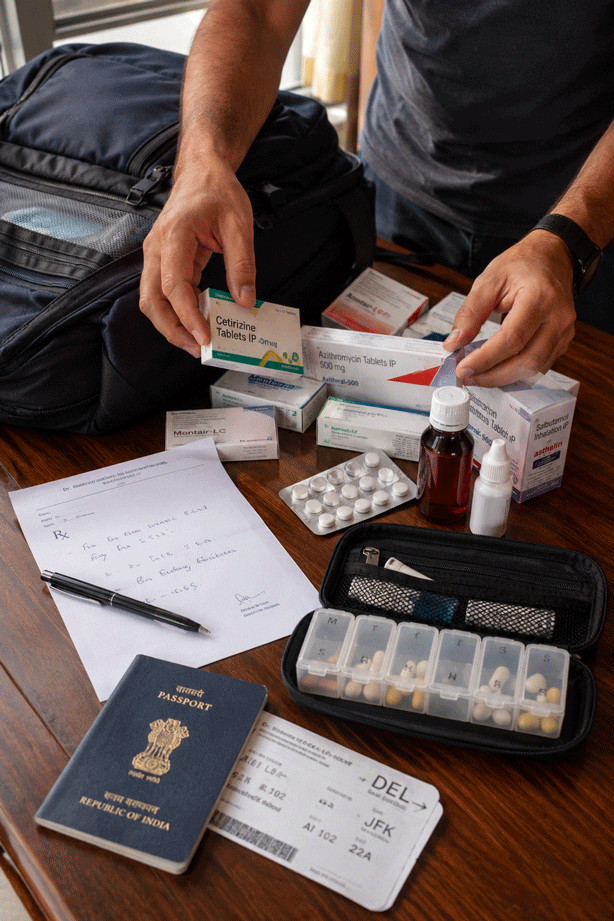
Traveller Organising Prescription Medicines Before Airport Security
Can You Travel With Insulin, Inhalers, and Medical Devices?
Many people feel nervous about flying with medical equipment, but can you bring medicine on a plane if you use insulin, an inhaler, or a glucose monitor? In most cases, yes. Airlines understand that these items are essential, and they’re generally allowed in your carry-on bag when they’re for personal use.
One thing I’ve noticed is that travellers who keep medical devices together with their medicines usually move through security much more smoothly. I once watched a passenger remove an insulin kit from a separate pouch in just a few seconds, while another traveller spent several minutes searching through a crowded backpack. Being organised really does make a difference.
If you rely on medical equipment every day, keep it where you can reach it easily during the flight. It’s also worth carrying a little more than you expect to need in case your journey is delayed.
Can You Bring Vitamins and Supplements on a Plane?
Many travellers focus on prescription medicine but forget about vitamins and daily supplements. If you’re wondering can you bring medicine on a plane, you’ll be pleased to know that vitamins, fish oil capsules, probiotics, and most dietary supplements are generally allowed when they’re for personal use.
I’ve seen people throw vitamin bottles into different bags without thinking much about it. Later, they end up searching through their luggage because they can’t remember where they packed them. Keeping supplements together with your regular medicines makes everything much easier, especially on longer trips.
If possible, leave vitamins and supplements in their original containers. It keeps everything organised, avoids confusion, and makes it easier to identify each product if you need it during your journey.
Can You Carry Medicine for Children While Flying?
Travelling with children usually means packing a few extra essentials, and medicine is often one of them. If you’re asking can you bring medicine on a plane, the answer is yes for children’s medicines as well. Fever medicine, allergy syrup, nasal spray, and other essential medication can usually be carried when they’re needed for the journey.
One thing I’ve noticed with families is that parents who pack children’s medicine in an easy-to-reach pocket look much more relaxed at the airport. I once saw a mother quickly take out a bottle of fever medicine during security screening because she knew exactly where it was. The inspection was finished in less than a minute.
Before travelling, keep children’s medicines together in one pouch and check that everything you’ll need during the flight is easy to reach. It makes the journey smoother for both you and your child.
Can Airport Security Inspect Your Medicine?
It’s perfectly normal if airport security asks to check your medication. If you’re wondering can you bring medicine on a plane, remember that security officers are simply making sure everything complies with airport safety rules. A quick inspection doesn’t mean you’ve done anything wrong.
One thing I’ve noticed is that travellers who stay calm and keep their medicines organised usually finish the inspection much faster. I once watched a passenger remove a small medicine pouch from the top of a backpack, and the officer returned it within seconds. Being organised often makes the biggest difference.
Before placing your bag on the X-ray belt, make sure your medicines are easy to reach. It saves time, avoids unnecessary searching, and helps the security process move smoothly for everyone.
What Happens if You Lose Your Medicine While Travelling?
Nobody expects to lose their medicine, but it’s something worth preparing for before you fly. If you’re asking can you bring medicine on a plane, it’s also smart to have a backup plan in case your medication is lost, damaged, or runs out during your trip.
I always recommend saving a photo of every prescription label before travelling. It doesn’t take long, but it can make replacing medicine much easier if you need to visit a local pharmacy or explain your medication to a doctor in another country. Small preparations like this often become valuable when you least expect them.
Keeping a few extra days’ supply of essential medicine is another simple habit that many experienced travellers follow. Travel delays happen, and having a little extra medication provides peace of mind.
Common Mistakes to Avoid When Travelling With Medicine
Many travellers don’t run into problems because of airport rules—they run into problems because of simple packing mistakes. If you’re researching can you bring medicine on a plane, avoiding these common mistakes will make your journey much easier from the moment you arrive at the airport.
I’ve seen people pack medicine in checked luggage, remove tablets from their original packaging, or leave everything scattered across different bags. None of these mistakes seem serious while packing, but they can slow you down during security checks or make it difficult to find what you need during the flight.
One habit that’s worked well for me is doing a quick medicine check before leaving home. I make sure everything is together, easy to reach, and packed inside my carry-on bag. It only takes a minute but makes travelling feel far more organised.
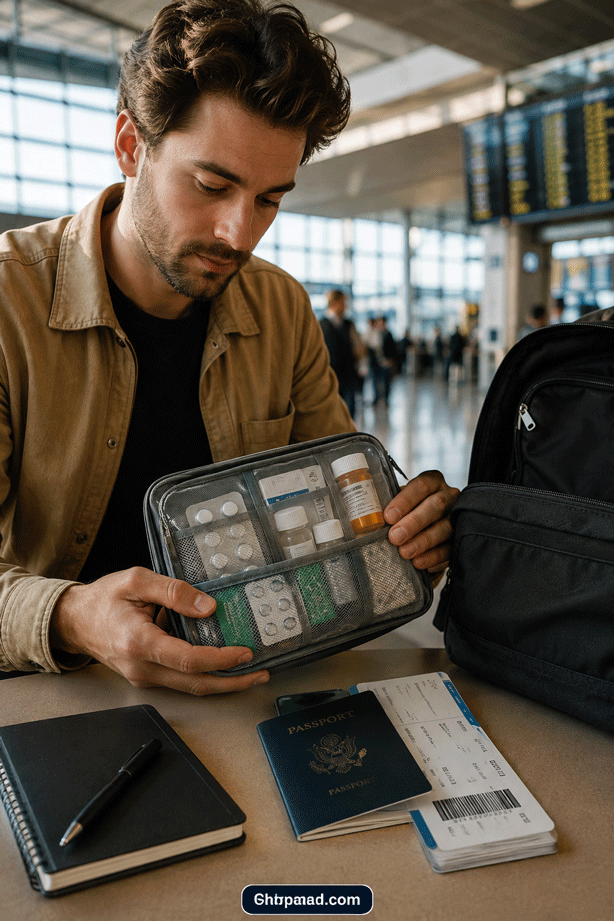
Traveller Organising a Medicine Pouch Before Airport Security
What’s the Best Way to Pack Medicine for Air Travel?
Packing medicine doesn’t have to be complicated. If you’re wondering can you bring medicine on a plane, the easiest approach is to keep everything in one dedicated pouch instead of spreading medicines across different bags. It saves time at the airport and makes your journey much less stressful.
One thing I’ve noticed is that organised travellers rarely panic during security checks. I once saw a traveller pull out a small medicine case in seconds while another passenger was searching through clothes, chargers, and toiletries for a single tablet strip. That small difference in preparation saved both time and frustration.
A compact BAGSMART Travel Toiletry Bag works well because it keeps medicines, toiletries, and small travel essentials in separate compartments. If you’re also packing electronics, you might find our Can You Bring a Power Bank on a Plane? Airline Rules Explained (2026) guide helpful before your next flight.
What Should You Know Before Travelling Internationally With Medicine?
International travel often comes with different rules, so it’s worth doing a little research before you fly. If you’re asking can you bring medicine on a plane, remember that some countries have restrictions on specific prescription medicines, even if they’re allowed where you live.
A traveller once shared that they packed everything perfectly but forgot to check the medication rules of their destination. Nothing serious happened, but they spent extra time answering questions at customs that could have been avoided with a quick check before travelling.
Before every international trip, I recommend checking your destination’s official travel advice and carrying a copy of your prescription if needed. If it’s your first time flying abroad, The Ultimate Airport and Immigration Guide for First-Time International Travellers explains the arrival process in simple language and is worth reading before you travel.
Final Tips Before You Fly With Medicine
By now, can you bring medicine on a plane should feel much less confusing. Most medicines are allowed, and once you build a simple packing routine, travelling with medication becomes just another part of preparing for your trip rather than something to worry about.
One habit that’s worked well for many experienced travellers is doing a quick five-minute check before leaving for the airport. Passport, boarding pass, wallet, medicines, and phone charger—having these essentials in one place helps you start your journey feeling organised instead of rushed.
I also recommend carrying a Mini Travel First Aid Kit for small cuts, headaches, or minor emergencies during your trip. Along with your regular medication, it can be surprisingly useful. Before your next journey, take a look at Beginner Friendly Travel Itinerary to Plan Your First Trip Easily for more practical travel tips that make every trip smoother.
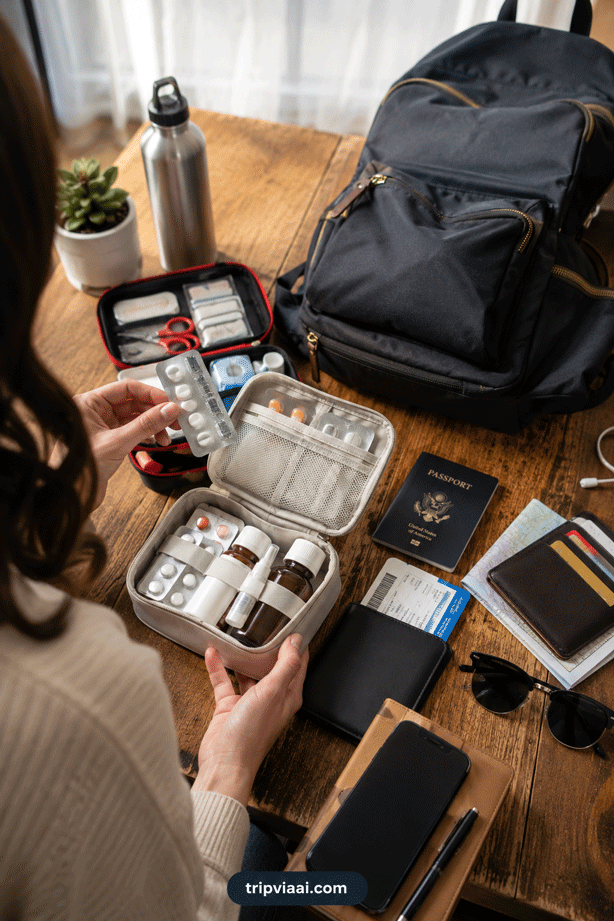
Traveller Doing a Final Medicine Check Before Leaving for the Airport
Conclusion
Can you bring medicine on a plane? Absolutely. Once you understand a few simple rules, travelling with medication becomes much easier than most people expect. Keeping essential medicines in your carry-on bag, packing them neatly, and carrying any important documents when needed can save you time and unnecessary stress at the airport.
One thing I’ve realised over the years is that smooth travel often comes down to good preparation rather than good luck. A small medicine pouch, a quick packing check, and a few extra minutes before leaving home can make your journey feel far more relaxed. These simple habits don’t take much effort, but they make a noticeable difference when you’re travelling.
I hope this guide has answered your questions and helped you feel more confident about your next flight. For more practical travel tips, airport guides, packing advice, and beginner-friendly travel resources, keep exploring TripViaAI. Every article is designed to help you travel smarter, safer, and with fewer surprises along the way.