
 Posted by
 Introduction
How to avoid jet lag is something I started paying much more attention to after realising how strange it feels to arrive somewhere exciting but still feel completely exhausted. You can have your hotel booked, your itinerary ready, and everything packed perfectly, yet your body may still think it’s the middle of the night. That can make the first day of a trip feel harder than it should. If you’re planning a longer journey, our Beginner Friendly Travel Itinerary to Plan Your First Trip Easily can also help you organise your schedule without overloading your first day.
One thing I’ve noticed is that travellers often try to fix jet lag after they arrive. By then, it’s usually much harder. A few simple changes before and during the flight can make the adjustment easier.
The good news is that you don’t need complicated routines. Timing your sleep, staying hydrated, getting daylight, and giving your body time to adjust can make a noticeable difference.
How to Avoid Jet Lag on Long Flights
How to avoid jet lag depends largely on helping your body adjust gradually to the new time zone. Adjusting your sleep schedule before departure, staying hydrated, getting appropriate daylight after arrival, and avoiding excessive alcohol can all support a smoother transition. You may not eliminate jet lag completely, but these simple habits can make the first few days of your trip much easier.
Practical Ways to Avoid Jet Lag on Long Flights
Start Adjusting Your Sleep Before the Flight
One of the easiest ways to avoid jet lag is to prepare your body before you leave. If you’re flying across several time zones, suddenly changing your sleep schedule after landing can leave you feeling exhausted, even if you had a good night’s sleep before the trip.
I’ve found that small changes are much easier than trying to completely change your routine in one night. If you’re travelling east, try going to bed a little earlier for a few days. For westbound travel, moving your bedtime slightly later can help your body adjust to the destination time zone.
You don’t need to follow a complicated plan. Even a small adjustment before a long-haul flight can make the first morning at your destination feel a little easier. The goal isn’t to eliminate travel fatigue completely, but to give your body a head start.
Set Your Watch to the Destination Time
One simple way to avoid jet lag is to change your watch to the destination time once you board. It sounds small, but it helps you start thinking according to your new schedule instead of constantly checking the time back home.
I find this especially useful on long-haul flights. If it’s nighttime at your destination, I try to treat the flight as part of the night and rest accordingly. If it’s daytime, staying awake can make the adjustment easier after landing.
You don’t need to follow the new time perfectly. Your body clock won’t change immediately. The idea is simply to start adjusting your sleep and meals gradually before you arrive.
If you prefer using your phone less during a long flight, a reliable pair of travel headphones can also make it easier to settle into your new routine. The Sony WH-1000XM6 is a premium option with advanced noise cancellation, which can be useful when you’re trying to create a quieter environment for rest during a long-haul flight.
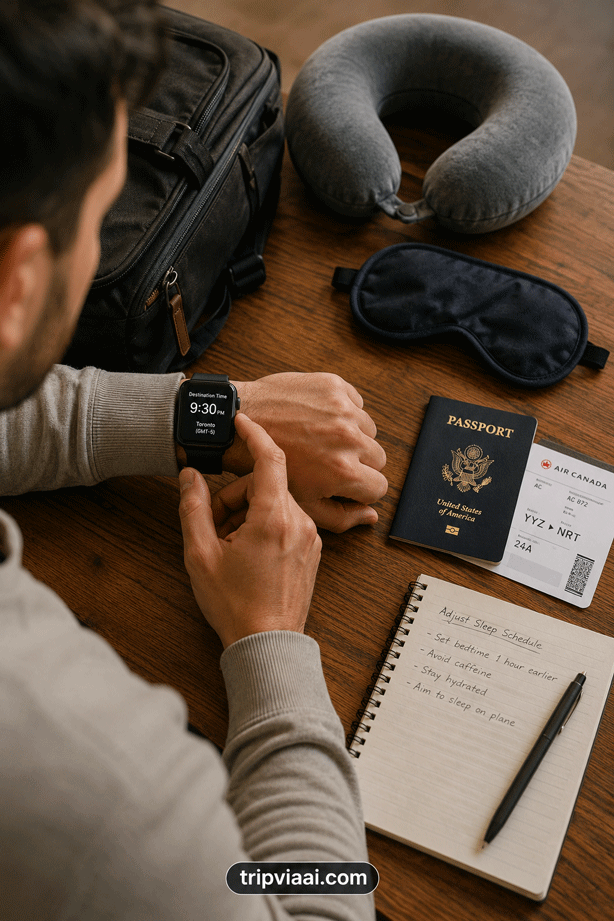
Traveller Adjusting Sleep Schedule and Destination Time Before a Long Flight
Plan Your Sleep Around the Destination Time
Sleep during a flight can make a big difference when you’re trying to avoid jet lag, but timing matters. Sleeping whenever you’re tired may feel natural, yet it can make adjusting to the new time zone harder after landing.
I’ve found that checking the destination time before deciding whether to sleep is a much better approach. If it’s already nighttime where you’re going, try to get some rest. If it’s morning or afternoon, staying awake can help you arrive closer to the local schedule.
You don’t have to force yourself to sleep for the entire flight. Even a few hours of well-timed rest can help reduce travel fatigue and make your first day at the destination more manageable.
If you’re planning a longer journey, 3 Day Travel Itinerary for Beginners can help you organise your days without making your schedule too exhausting.
Stay Hydrated During the Flight
Staying hydrated is one of the simplest things you can do while travelling, especially on a long-haul flight. If your goal is to avoid jet lag, drinking enough water can help you feel more comfortable during the journey and may reduce some of the tired, sluggish feeling that comes with long-distance travel.
I always find it tempting to forget about water when a flight gets busy with meals, films, or sleep. That’s why keeping a reusable water bottle nearby makes things easier. You don’t have to keep drinking constantly; just make a habit of having water regularly.
Try not to rely heavily on alcohol or excessive caffeine during the flight. The goal is to arrive feeling reasonably refreshed so your body can focus on adjusting to the new time zone.
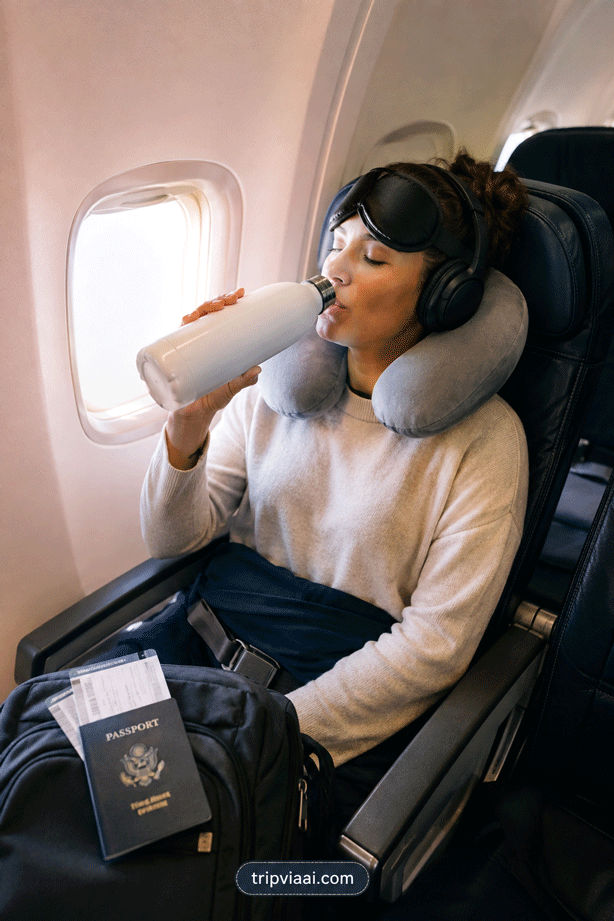
Traveller Staying Hydrated During a Long-Haul Flight
Get Daylight After You Arrive
Daylight can be surprisingly helpful when you’re trying to avoid jet lag because your body’s internal clock responds to light. Spending some time outdoors after arriving can help your body recognise that you’ve entered a different part of the day.
One thing I like about this approach is that it doesn’t feel like another task on your itinerary. Instead of going straight from the airport to a dark hotel room, you can take a gentle walk, sit outside for a while, or explore somewhere nearby if you’re feeling up to it.
Just remember that the timing of daylight matters when crossing multiple time zones, so don’t assume that more sunlight is always better. The goal is to use natural light thoughtfully while gradually settling into the local schedule.
Avoid Heavy Meals Before and During the Flight
If you’re learning how to avoid jet lag, what you eat before and during a long flight is worth considering. A very heavy meal can leave you feeling uncomfortable when you’re already sitting for hours, especially if you’re trying to sleep according to your destination time.
I’ve found that lighter meals are much easier to manage during long-haul flights. Instead of eating simply because food is being served, I prefer to think about whether I’m actually hungry and what my body will feel comfortable with afterwards.
You don’t need to follow a strict travel diet. Just avoid turning the flight into one long meal session, drink enough water, and choose lighter options when possible. Your goal is to arrive feeling comfortable rather than overly full and tired.
A simple meal choice can make how to avoid jet lag a little easier, especially when you’re travelling across several time zones.
If you’re planning a longer journey, our Travel Planning Tips for First-Time Travellers can help you organise your trip more comfortably and avoid common planning mistakes.
Limit Alcohol During Long Flights
A drink may seem like an easy way to relax before sleeping, but if your goal is how to avoid jet lag, relying on alcohol during a long flight isn’t a great strategy. It can interfere with sleep quality and leave you feeling more tired after landing.
I’ve noticed that the difference is especially obvious after overnight flights. Falling asleep quickly isn’t necessarily the same as getting good-quality rest. You may wake up feeling groggy and still struggle to adjust to the local time.
If you’re trying to reset your body clock, water is usually the simpler choice. Enjoy your flight, but don’t depend on alcohol to make yourself sleep. Arriving reasonably refreshed gives you a much better starting point for adjusting to the new time zone.
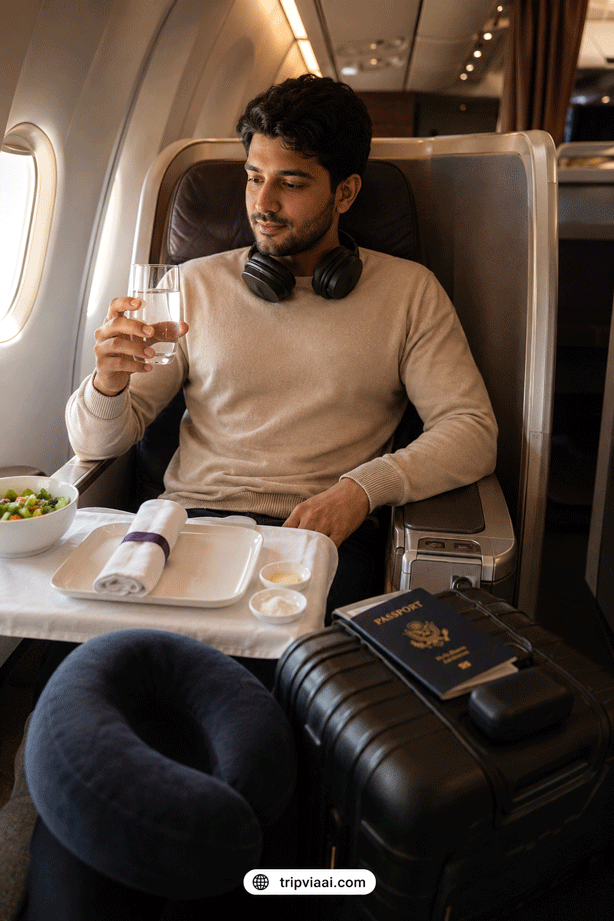
Traveller Choosing Water Instead of Alcohol During a Long-Haul Flight
Be Careful With Caffeine During Your Journey
Coffee can be tempting when you’re tired, especially after several hours in the air. But if you’re figuring out how to avoid jet lag, timing your caffeine matters more than simply avoiding it altogether.
I’ve found that having coffee according to the destination time makes more sense than drinking it whenever I feel sleepy. A late coffee might keep you awake when you actually need to start winding down for the local night.
You don’t have to give up your morning coffee just because you’re travelling. Instead, pay attention to when you’re drinking it and how it affects your sleep. A little planning can help you stay awake when you need to and sleep when it’s time to follow your new schedule. Paying attention to caffeine timing is another small step that can help when you’re figuring out how to avoid jet lag.
Take Short Walks During the Flight
Sitting in the same position for hours can make a long-haul flight feel even more tiring. If you’re learning how to avoid jet lag, getting up occasionally and taking a short walk can be a simple way to break up the journey and feel more comfortable.
I don’t think you need to walk around constantly. Even getting up when it’s convenient, stretching your legs near your seat, or walking briefly down the aisle can make a long flight feel less tiring. It also gives you a useful break from sitting and watching screens for hours.
If you’re travelling overnight, combine a little movement with your planned sleep schedule. The idea isn’t to exhaust yourself, but to arrive feeling more comfortable and ready to adjust to the new time zone.
If you’re travelling with medication, it’s worth knowing the basic rules before you reach the airport. Our guide, 15 Things Every Traveller Should Know Before Bringing Medicine on a Plane, explains how to pack medicines properly and make airport security a little easier.
Don’t Overload Your First Day
One mistake I see travellers make is planning a full sightseeing schedule immediately after a long flight. If your goal is how to avoid jet lag, giving yourself some breathing room on the first day can make the entire trip more enjoyable.
Imagine landing in the morning after travelling overnight and then planning museums, shopping, dinner, and a late-night tour. It might look exciting on paper, but your body may simply want a shower, some food, and time to adjust. I’ve found that a lighter first day usually feels much better.
Keep your first few hours simple. Check into your hotel, get some daylight, eat something light, and explore nearby if you feel comfortable. You can always save the bigger activities for the following day when your energy starts coming back.
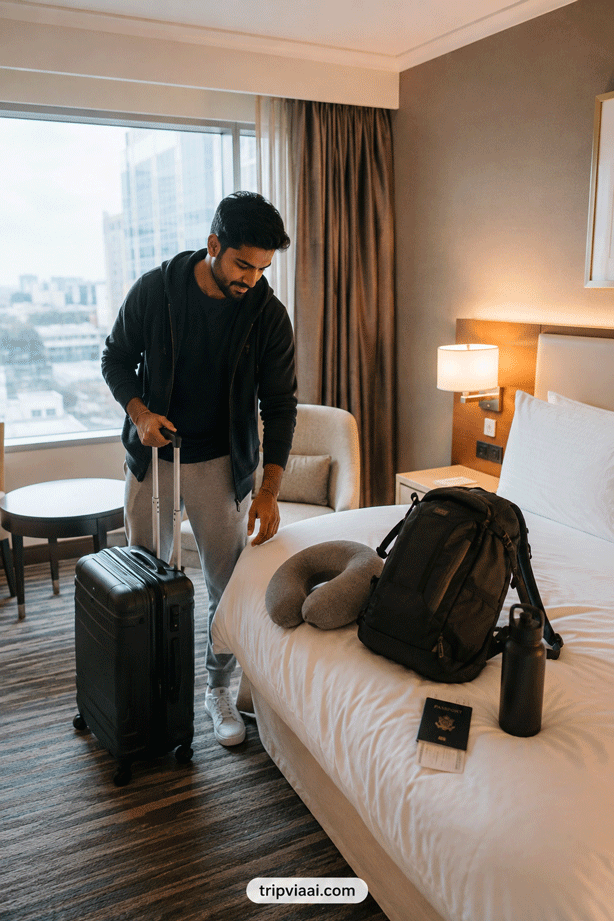
Traveller Taking a Relaxed First Day After a Long-Haul Flight
Use a Comfortable Sleep Setup
Getting comfortable during a long flight can make it easier to follow your sleep schedule. If you’re working on how to avoid jet lag, small things like reducing cabin light, blocking background noise, and supporting your neck can make resting much easier.
I’ve found that trying to sleep while constantly adjusting your head or dealing with bright screens is frustrating. A comfortable travel pillow, eye mask, and noise-cancelling headphones can create a calmer environment, especially when you’re travelling overnight.
You don’t need to turn your seat into a bedroom. Just create a simple setup that helps you relax when it’s time to sleep according to your destination time. The more comfortable you are, the easier it becomes to get some useful rest during the flight. A comfortable sleep setup can make how to avoid jet lag much easier when you’re trying to rest during an overnight flight.
If cabin noise makes it difficult to relax, a good pair of noise-cancelling headphones can make your sleep setup much more comfortable. The Bose QuietComfort Ultra Headphones are a premium option for travellers who want to reduce surrounding cabin noise while resting during a long flight.
Follow the Local Time After Landing
Once you arrive, try to follow the local time instead of thinking about what time it is back home. If you’re learning how to avoid jet lag, this is one of the most important habits because your body needs a clear signal that the day has changed.
I’ve found that constantly checking the time at home can make the adjustment harder. If it’s lunchtime at your destination, have lunch even if your body thinks it’s breakfast. If it’s evening, start winding down instead of staying awake because it still feels like afternoon.
You don’t have to adjust instantly. Give yourself some time and follow the local schedule as consistently as possible. Your body clock will gradually catch up, and the strange feeling of being awake at the wrong time should start becoming easier.
Give Your Body Time to Adjust
One thing I think travellers often forget is that your body doesn’t know you’ve arrived somewhere new just because the plane has landed. If you’re learning how to avoid jet lag, give yourself a little patience instead of expecting to feel completely normal on the first day.
I’ve had days when the excitement of reaching a new place made me want to start exploring immediately, even though my energy clearly wasn’t there. That’s when I realised that pushing too hard can make travel fatigue feel worse. Sometimes a slower morning and an early night are exactly what you need.
Give your body a chance to settle into the new time zone. Eat at local times, get some fresh air, and keep your first day manageable. Within a little time, your sleep schedule should start feeling more natural.

Traveller Relaxing and Adjusting to a New Time Zone After a Long Flight
Avoid Long Daytime Naps After Arrival
After a long flight, taking a nap can feel like the best idea in the world. But if you’re trying to learn how to avoid jet lag, a long afternoon sleep can sometimes make the next night even harder. You may wake up feeling better for a few hours, only to find yourself wide awake at bedtime.
I’ve found that a short rest is much easier to manage than a full afternoon nap. If I’m completely exhausted after travelling, I’d rather relax for a little while, get some fresh air, and then try to stay awake until a reasonable local bedtime.
Your body needs time to adjust to the new time zone, so don’t worry if you feel tired during the first day. Keep your nap short if you really need one, follow the local schedule, and give yourself the best chance of sleeping properly that night. Keeping your daytime nap short is one more practical habit to consider when learning how to avoid jet lag.
Create a Simple Routine on Your First Day
The first day in a new time zone doesn’t need to be packed with activities. If you’re learning how to avoid jet lag, keeping your routine simple can help your body settle without making you feel like you’re fighting your sleep schedule all day.
I prefer keeping the first day flexible whenever possible. A shower, a proper meal, some daylight, and a gentle walk can be enough. If you’re exhausted, there’s no prize for forcing yourself through a long sightseeing schedule just because it’s on your itinerary.
A comfortable sleep setup can also make the first night easier. A Trtl Travel Pillow is a practical option for travellers who want extra neck support during the journey and while resting between activities. Give yourself permission to slow down—the trip isn’t going anywhere.
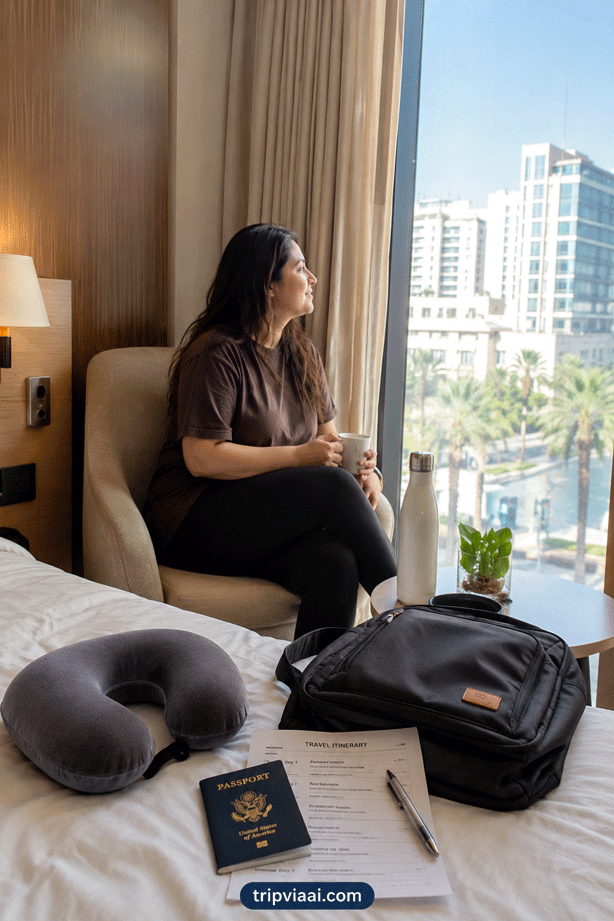
Traveller Following a Relaxed Routine After Arriving in a New Time Zone
Conclusion
How to avoid jet lag doesn’t require a complicated routine. The biggest difference usually comes from the small decisions you make before, during, and after a long flight—adjusting your sleep schedule, following the destination time, staying hydrated, getting daylight, and not overloading your first day.
I’ve found that the hardest part is often accepting that your body needs time. You may feel tired, hungry at odd hours, or ready for bed in the middle of the afternoon. That’s completely understandable after crossing several time zones. Instead of fighting it, give yourself a little space to settle into the new routine. The good thing is that how to avoid jet lag becomes easier once you understand how your sleep, light, food, and daily routine work together.
With a bit of planning and patience, how to avoid jet lag becomes much easier to manage. You may not feel perfect immediately, but arriving prepared can make those first few days of your trip considerably more enjoyable.
FAQs About How to Avoid Jet Lag
1. How long does jet lag usually last?
Jet lag can last for a few days, depending on how many time zones you cross and how quickly your body adjusts. Most travellers gradually feel better as their sleep schedule aligns with the local time.
2. Does drinking water help with jet lag?
Staying hydrated can help you feel more comfortable during and after a long flight. It won’t instantly fix jet lag, but drinking water regularly is a useful part of your overall travel routine.
3. Should I sleep on a long flight to reduce jet lag?
It depends on the time at your destination. If it’s nighttime where you’re going, sleeping during the flight can help you start following the new schedule. If it’s daytime, staying awake may make adjusting easier.
4. Is it better to stay awake after landing?
If you arrive during the daytime, staying awake until a reasonable local bedtime can help your body adjust. If you’re extremely tired, a short rest may be better than forcing yourself to stay awake for hours.
5. What is the fastest way to recover from jet lag?
There isn’t one instant solution. Following the local time, getting appropriate daylight, maintaining a sensible sleep schedule, staying hydrated, and giving your body time to adjust can make the transition easier.
One comment