

 Posted by
 Introduction
A 3-day travel itinerary for beginners is one of the easiest ways to enjoy your first trip without feeling rushed or overwhelmed. Many first-time travelers try to fit too many attractions into a short vacation, only to realize that constant rushing leaves little time to actually enjoy the destination.
I learned this during my own first short trip when I planned every hour without considering travel time, rest, or unexpected delays. By the end of the first day, I was exhausted and had already missed several places on my itinerary. That experience taught me that a simple and flexible plan creates far better memories than an overloaded schedule.
In this guide, you’ll discover a practical 3-day travel itinerary for beginners that balances sightseeing, relaxation, and smart planning. Whether you’re visiting a nearby city, a hill station, or a beach destination, this itinerary will help you travel with more confidence, less stress, and better experiences.
If you plan longer trips later, you should also read the 7 Day Travel Itinerary for Beginners because balancing time and energy becomes even more important during longer journeys.
In this guide, you will learn how to build a beginner-friendly itinerary that feels practical, smooth, and enjoyable in real life.
3-Day Travel Itinerary for Beginners at a Glance
A beginner-friendly 3-day travel itinerary for beginners should focus on flexibility, comfort, and realistic planning. Day 1 should remain light for rest and local exploration, Day 2 should focus on the main attractions, and Day 3 should stay flexible before departure. This approach helps beginners enjoy travel without feeling rushed or exhausted.
Quick Summary Table
| Day | Main Focus | Goal |
|---|---|---|
| Day 1 | Arrival & Local Exploration | Adjust and relax |
| Day 2 | Main Attractions | Experience the destination |
| Day 3 | Relax & Return | Enjoy a stress-free ending |
How to Create the Best 3-Day Travel Itinerary for Beginners
The Beginner Rule I Always Follow
One of the smartest rules in a 3 day travel itinerary for beginners is keeping your schedule flexible instead of planning every single hour too strictly.
A simple approach works best:
Plan only 60% of the trip and leave the remaining 40% open.
Real travel rarely goes exactly according to schedule. Weather changes unexpectedly, transportation gets delayed, and sometimes you discover places that were never part of the original itinerary but end up becoming your favorite memory from the trip.
During travel, you may suddenly find:
- a peaceful hidden café
- a beautiful local street
- a quiet sunset viewpoint
- or a place where you simply want to slow down and enjoy the atmosphere
That flexibility is what makes a 3 day travel itinerary for beginners feel enjoyable instead of stressful. Travellers who leave space for spontaneous experiences usually enjoy their trips far more than those trying to control every hour of the journey.
Real Life Example
Imagine spending 3 days in Goa.
An overloaded plan usually looks like this:
| Trip: WhyOverplanned Trip | Why It Feels Stressful |
|---|---|
| 1 beaches | Too much travel time |
| 2 cafés daily | Constant rushing |
| 3Multiple activities every day | Physical exhaustion |
Now compare that with a smarter beginner plan.
| Balanced Trip Plan | Why It Works Better |
|---|---|
| 1 main beach | More relaxed experience |
| 2 sunset spot | Time to actually enjoy the view |
| 3 good café experience | Better memories and less stress |
👉 A smart 3 day travel itinerary for beginners should create enjoyable experiences, not constant exhaustion.
How to Plan a 3 Day Trip Step by Step (Beginner Friendly)
Step 1 – Destination Planning
This is where many beginners make their first mistake. They choose destinations based on Instagram trends, viral travel videos, or recommendations from friends without thinking about how exhausting the actual journey might become.
But during a short trip, the destination should feel simple and manageable instead of complicated.
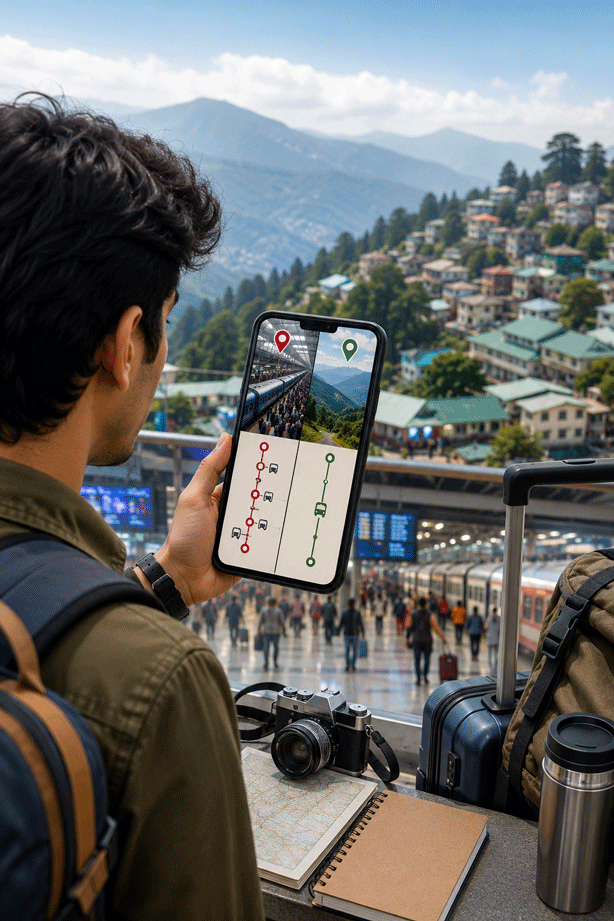
A smart 3 day travel itinerary for beginners should focus on shorter travel time, easier transportation, comfortable sightseeing, and less movement between locations. Ideally, your destination should take around 6–8 hours to reach because spending too much time travelling usually reduces the enjoyment of the trip itself.
For example, imagine you only have three days available. One option is a far destination that requires long train rides, multiple transfers, or airport waiting time. The second option is a nearby hill station where you can relax within a few hours after leaving home.
For most beginners, the second option works much better because less travel time means more energy, lower stress, and more time to actually enjoy the destination instead of constantly moving between places.
Short trips should leave you feeling refreshed, not exhausted.

Smart Travel Planning Saves Time and Money
Step 2 – Budget Planning Without Overthinking
Many beginners think travel budgeting is complicated. They imagine large Excel sheets, difficult calculations, and constant expense tracking before the trip even begins.
In reality, a simple budget structure works perfectly for most short trips.
When planning a 3 day travel itinerary for beginners, the easiest method is dividing your total budget into simple categories. This keeps spending balanced and prevents unnecessary stress during the journey.
| Category | Budget Split | Example Expenses |
|---|---|---|
| Travel | 30% | Flights, train, bus |
| Stay | 30% | Hotel, hostel, Airbnb |
| Food | 20% | Meals, cafés, snacks |
| Activities | 20% | Tickets, local transport |
For example, if your total trip budget is around ₹10,000, you can roughly divide it like this:
- ₹3,000 for transportation
- ₹3,000 for accommodation
- ₹2,000 for food
- ₹2,000 for sightseeing and activities
This simple structure keeps your spending realistic without making travel feel restrictive.
Step 3 – Booking Strategy
This is where smart travelers usually save the most money and avoid unnecessary stress during short trips.
When planning a 3 day travel itinerary for beginners, it is always better to book important things in advance. Transportation and hotel prices often increase closer to travel dates, especially during weekends and holidays.
But beginners also make another mistake.
They overbook their schedule.
Many first-time travellers reserve too many cafés, tours, and activities before the trip even begins. A packed schedule may look exciting initially, but in reality, it often becomes exhausting.
For example, imagine booking five different activities during a short vacation. By Day 2, you already feel tired, skip multiple plans, lose money, and spend more time rushing than enjoying the destination.
That is why flexibility almost always works better than trying to control every hour of the journey.
Smart Destination Selection for a Stress-Free Short Trip
Building Your 3 Day Travel Itinerary for Beginners
Day 1 – Arrival and Light Exploration
The first day of a 3 day travel itinerary for beginners should feel calm and comfortable. This day is mainly about adjusting to the destination rather than rushing into nonstop sightseeing immediately upon arrival.
Most beginners make the mistake of treating Day 1 like a full sightseeing day. But after long train rides, flights, road trips, or hotel check-ins, your energy level is usually lower than expected.
Instead, keep the first day simple and relaxed.
A better Day 1 plan usually looks like this:
- travel comfortably
- complete hotel check-in
- freshen up and relax
- explore nearby areas slowly
- enjoy local food or cafés
- take an evening walk nearby
For example, imagine reaching Manali around 2 PM. Many beginners immediately start planning long sightseeing tours because they feel they might “waste” the day otherwise. In reality, a smarter option is checking into the hotel, resting properly, visiting a nearby café, and casually exploring the local market during the evening.
This slower approach helps your body recover and keeps you fresh for the main exploration day ahead. If you want more planning ideas, you should also read Beginner Friendly Travel Itinerary to Plan Your First Trip Easily.
Helpful Premium Travel Gear for Day 1
Helpful premium travel products:
These products help beginners travel more comfortably while reducing stress during transportation and hotel transfers.
Day 2 – Main Exploration Day
Day 2 is usually the most exciting part of a beginner trip because by now you already feel more comfortable with the destination. Transportation feels less confusing, your energy level improves, and exploring becomes much easier.
That is why the second day of a 3 day travel itinerary for beginners should focus on your best experiences and major attractions.
This is the perfect day to include:
- famous sightseeing spots
- local activities
- food experiences
- photography moments
- cultural exploration
But balance still matters.
Many beginners try covering too many places in one day and end up feeling physically exhausted instead of enjoying the experience properly.
For example, imagine spending three days in Jaipur. A balanced plan could start with Amber Fort during the morning, City Palace in the afternoon, and local market exploration during the evening.
One simple rule helps a lot here.
Try keeping a maximum of three major activities in one day. Anything beyond that usually creates stress and travel burnout, especially for beginners following a 3 day travel itinerary for beginners.
Photography & Travel Essentials
Helpful premium products:
These products help travelers capture better photos and videos without carrying extremely heavy equipment during sightseeing.
Day 3 – Relax + Return
The final day of a 3 day travel itinerary for beginners should feel calm and relaxed instead of rushed. By this stage, your body is usually slightly tired from travelling, walking, sightseeing, and constantly changing routines during the previous two days.
That is why Day 3 works best as a cool-down day.
Instead of trying to fit more major attractions into the schedule, focus on lighter experiences that help you enjoy the destination peacefully before returning home.
This could include:
- light sightseeing nearby
- shopping for souvenirs
- relaxing café visits
- beach walks
- slow local exploration
- comfortable travel preparation
For example, imagine spending your last morning in Goa. A stressful plan would involve trying to visit several new beaches before departure. A much smarter option is enjoying breakfast near the beach, relaxing peacefully, packing calmly, and leaving without feeling rushed.
Ending the journey slowly often makes the entire trip feel more enjoyable and memorable overall. If you want more long-trip planning inspiration, you can also explore 7 Day Dubai Itinerary for First-Time Travelers (Easy & Budget Friendly).

Relaxed Cafe Moment
What Should You Include in a 3 Day Travel Itinerary?
A smart 3 day travel itinerary for beginners should work like a simple guide, not a strict timetable that controls every hour of the trip. Many beginners make the mistake of overplanning every detail, which often creates pressure instead of making travel easier.
Your itinerary only needs a few important things to keep the trip organised properly. Travel timings, hotel details, daily activity ideas, and a rough budget estimate are usually enough for most short trips. Along with that, keeping offline maps, emergency contacts, and a few backup places saved on your phone can make travel much smoother if plans suddenly change.
The goal is not creating a perfect document. The goal is staying prepared without making the trip feel stressful.
As travellers gain more experience, most of them naturally stop making extremely detailed schedules because they realise flexibility matters more than control. A simple notes list with important information often works far better than a complicated plan filled with strict timings and nonstop activities.
Travel feels much more enjoyable when your itinerary supports the journey instead of controlling it completely.
How Much Budget Do You Need for a 3 Day Trip?
One important part of planning a 3 day travel itinerary for beginners is understanding that every traveller has a different comfort level and spending style. Some people enjoy simple budget trips with local experiences, while others prefer more comfort, better hotels, and smoother transportation.
Neither option is wrong.
Your travel budget should match your personal comfort level instead of trying to copy someone else’s trip from social media.
| Travel Style | Best For | Overall Experience |
|---|---|---|
| Budget Travel | Students and low-budget travelers | Simple, affordable, and adventurous |
| Mid-Range Travel | Working professionals | Comfortable and balanced |
| Luxury Travel | Premium travelers | High comfort and premium experiences |
For example, a budget traveller may choose train journeys, budget hotels, and affordable local food to keep expenses low while still enjoying the destination properly. On the other hand, a mid-range traveller may prefer flights or AC trains, comfortable hotels, and a balance between cafés and local food experiences.
Both travel styles can create amazing memories because good travel is not about spending the most money. It is about choosing the experience that feels right for you and enjoying the journey comfortably.
How to Choose the Best Destination for a Short Trip
Choosing the right destination is far more important than many beginners realise. A beautiful place may look exciting online, but that does not always mean it is the best choice for your first short trip.
Before planning a 3 day travel itinerary for beginners, ask yourself a few simple questions. Can the destination actually be explored comfortably within three days? Is the travel time reasonable? Will transportation feel easy to manage for someone with little travel experience?
These questions help you choose a destination that feels enjoyable instead of overwhelming.
For most beginners, smaller and simpler destinations usually work much better. Hill stations, beaches, and smaller cities often provide a calmer travel experience because transportation feels easier, sightseeing feels less rushed, and the overall environment is usually more relaxing.
Many experienced travelers also recommend avoiding large metro cities for a first short trip. Big cities may offer many attractions, but they can also feel crowded, confusing, and physically exhausting for beginners who are still learning how travel works.
Starting with a simpler destination helps build travel confidence slowly while keeping the entire journey more comfortable and enjoyable.

Choosing the Right Destination for Your First Short Trip
Common Mistakes Beginners Make (And How to Avoid Them)
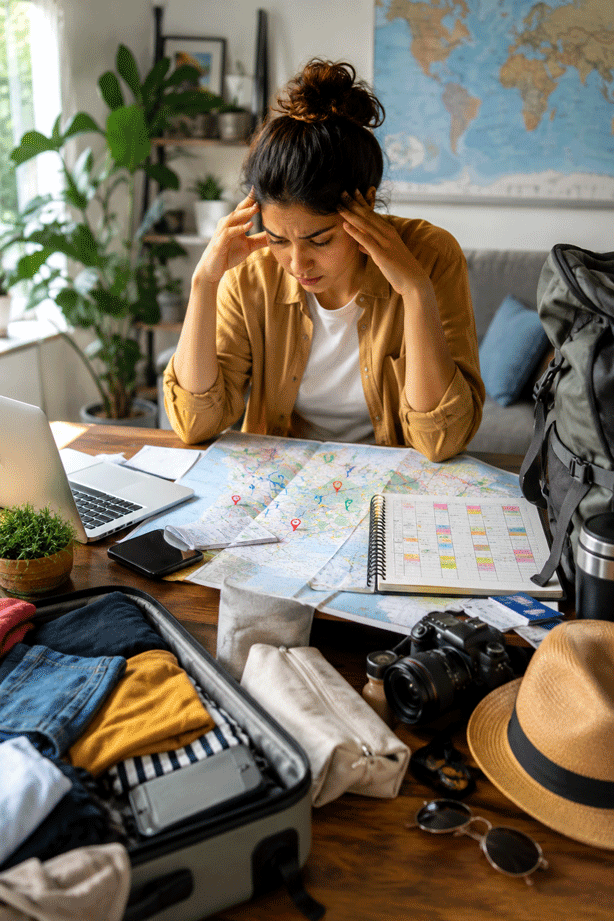
A simple 3 day travel itinerary for beginners can quickly become stressful if you make a few common planning mistakes. Most first-time travellers think short trips are easy to manage, but small planning errors often create unnecessary pressure during the journey.
One of the biggest mistakes in a 3 day travel itinerary for beginners is overplanning. Many beginners try fitting too many attractions into a single day because they fear missing out. In reality, this usually creates exhaustion instead of enjoyment.
For example, some travelers try covering five or six places in one day during a short Goa or Jaipur trip. By evening, they feel tired, rushed, and unable to enjoy the destination properly.
Some of the most common beginner mistakes include:
- overpacking unnecessary clothes
- ignoring travel distance between places
- booking too many activities
- leaving no free time for rest
- carrying heavy luggage during short trips
Another major issue is poor time management. Travelers often assume places are “nearby” without checking actual travel time. Traffic, crowds, and local transportation delays can easily waste several hours during a short trip.
That is why smart travelers usually:
- stay near main attractions
- start sightseeing early
- keep offline maps downloaded
- group nearby places together
- leave buffer time between activities
Packing light also makes travel much easier. Comfortable clothes, essential toiletries, chargers, ID cards, and good walking shoes are usually enough for a short 3 day travel itinerary for beginners.
The biggest lesson most travelers eventually learn is simple. Travel never goes exactly according to plan, and that is completely normal. Staying flexible and slowing down often creates much better memories than trying to control every hour of the journey.
Common Travel Planning Mistakes Beginners Should Avoid
Why a 3-Day Travel Itinerary Works So Well for Beginners
A 3-day travel itinerary for beginners is often the perfect balance between exploration and relaxation. Unlike longer vacations that require detailed planning, a three-day trip is easier to organize, more affordable, and less overwhelming for first-time travelers. It gives you enough time to experience a destination without feeling pressured to visit every attraction.
Many beginners make the mistake of filling every hour with activities because they worry about missing out. In reality, an overloaded schedule usually leads to exhaustion rather than enjoyment. A well-planned 3-day travel itinerary for beginners allows you to explore the most important places, enjoy local food, take breaks when needed, and still have time for unexpected discoveries.
Another advantage is that short trips help you build travel confidence. You learn how to manage transportation, hotel check-ins, budgeting, and sightseeing without committing to a long vacation. Each journey teaches valuable lessons that make future trips easier to plan and more enjoyable.
Whether you’re visiting a nearby city, a beach destination, or a peaceful hill station, following a balanced 3 day travel itinerary for beginners helps you travel smarter, reduce unnecessary stress, and return home with great memories instead of feeling tired and overwhelmed.
Conclusion
A well-planned 3 day travel itinerary for beginners proves that you do not need a long vacation to create unforgettable memories. The goal is not to visit every attraction but to enjoy each experience without feeling rushed or exhausted. A balanced itinerary gives you enough time to explore, relax, and adapt when unexpected situations arise.
As you gain more travel experience, you will naturally adjust your planning style, but starting with a simple 3 day travel itinerary for beginners helps build confidence and reduces common travel mistakes. Focus on realistic schedules, comfortable pacing, and meaningful experiences instead of trying to do everything in one trip.
Remember, the best journeys are not measured by the number of places you visit. They are measured by how much you enjoy the experience. Use this itinerary as a foundation, personalize it to your destination, and make every short trip more comfortable, organized, and memorable.
For more beginner-friendly travel guides, smart itinerary ideas, and practical travel tips, keep exploring tripviaai.com.