

 Posted by
 Introduction
Planning your first trip to the USA can be exciting, but the country’s huge size can make travel planning confusing. From New York and California to Florida and America’s famous national parks, there are countless places to choose from, and each region offers a different experience.
This USA travel guide for first-time visitors will help you understand the important parts of planning your trip in one place. You will learn when to visit, how many days to stay, how to reach the USA, where to go, where to stay, how to get around, what to eat and how much a trip may cost.
Instead of trying to see everything, you will learn how to choose the right region and build a practical itinerary that saves both time and money.
Why Visit the USA: What First-Time Travelers Should Expect
The USA is a strong choice for a first international trip because it offers almost every type of travel experience in one country. You can explore major cities such as New York and Chicago, relax on Florida or California beaches, enjoy theme parks in Orlando, or spend several days surrounded by mountains, forests and dramatic national-park landscapes.
The biggest advantage is variety, but the country’s size is also its biggest challenge. A first-time visitor may be tempted to combine New York, Los Angeles, Las Vegas, Miami and a national park in one vacation. That can create long flights, expensive hotel changes and exhausting travel days. A better approach is to choose one region and build your trip around destinations that are geographically close.
Your travel style should also influence your choices. Families may prefer Orlando, Southern California or easier national-park routes, while couples may enjoy New York, California or scenic road trips. Solo travelers may find major cities convenient because of public transportation, museums, restaurants and organized experiences.
The best USA travel guide for first-time visitors therefore starts with one simple decision: choose the kind of vacation you actually want. Once you know whether your priority is cities, nature, beaches, family entertainment, food or road trips, it becomes much easier to decide when to visit, how many days to stay, where to book your hotel and how to plan transportation.
Quick USA Trip Planning Checklist
Before you start booking your first trip to USA, decide these five things first:
☐ Choose your main region and destinations
☐ Select the best travel season for those destinations
☐ Decide whether you need 7, 10, 14 or more days
☐ Set your approximate budget for flights, hotels, food and transport
☐ Check visa/ESTA and entry requirements for your nationality
Tip: Destination aur travel dates pehle decide karna better hai; uske baad flights, hotels aur local transportation compare karo. Isse itinerary zyada practical rahegi aur unnecessary travel cost bhi kam ho sakti hai.
Best Time to Visit the USA: Seasons, Weather & Best Months by Region
There is no single best month to visit the USA because weather changes dramatically across the country. Spring and fall are generally comfortable for many city trips, while summer is popular for family vacations, beach trips and national parks. Winter works well for skiing and snow destinations, while places such as Florida can offer warmer weather during the colder months.
For many travelers planning their first trip to USA, April to May and September to October can be excellent periods for sightseeing, especially in destinations such as New York and Washington, D.C. However, peak crowds, hotel rates and weather conditions vary by destination, so your exact dates should depend on the region you choose.
For national parks and outdoor trips, season matters even more. Snow, extreme heat, wildfire conditions, road closures and limited seasonal access can affect your plans. Always check the official information for your chosen park before traveling rather than assuming that every park operates the same way.
A useful rule from this USA travel guide for first-time visitors is to choose your destination and season together. Don’t pick a month first and then try to fit America into it; decide where you want to go, understand its weather and crowds, and then choose the travel period that gives you the best overall experience.

Best time to visit USA for first-time travelers
How Many Days to Spend in the USA: 7, 10, 14 & 21-Day Trip Options
The ideal length of a USA trip depends on your destinations, travel style and available vacation time. For a first-time visitor, 7 days is enough for one major city or a compact regional trip, while 10 to 14 days gives you more freedom to combine two or three nearby destinations without making every day a travel day.
A 7-day trip could focus entirely on New York City, Los Angeles, Orlando or another major destination. With 10 days, you could combine New York and Washington, D.C., or Los Angeles and San Francisco. These routes are easier to manage because the destinations are relatively connected compared with trying to cross the entire country.
If you have 14 days, you can add a road trip, coastal route or national-park experience while keeping the pace comfortable. A 21-day vacation gives you even more flexibility to explore a larger region, but adding destinations simply because you have more days can still make the trip tiring and expensive.
For this USA travel guide for first-time visitors, a simple rule works well: spend 3–5 nights in a major city and allow additional time when driving between destinations or visiting national parks. The goal should be to experience each place properly rather than collect as many destinations as possible.
How to Reach the USA: International Flights & Major Entry Airports
For most international travelers, flying is the easiest way to reach the USA. Major entry points include New York, Los Angeles, San Francisco, Miami, Chicago and Atlanta, but the best airport depends on your final destination. Choosing an airport close to your first stop can reduce extra domestic travel, airport transfers and unnecessary costs.
For example, travelers visiting New York can compare JFK and Newark, while a California trip may be more convenient through Los Angeles or San Francisco. Florida travelers can look at Miami or Orlando depending on whether their trip focuses on beaches, cities or theme parks. Southwest road trips can also work well when flying into Las Vegas or Phoenix.
When planning your first trip to USA, don’t compare flights on ticket price alone. Check baggage allowance, number of stops, total journey time, arrival time and the cost of getting from the airport to your hotel. A slightly more expensive flight can sometimes be better value when it saves several hours and an additional domestic connection.
After a long international journey, immigration, baggage collection and hotel transfers can take time. In this USA travel guide for first-time visitors, the safest approach is to keep your first day relatively light and avoid scheduling major sightseeing immediately after a long-haul flight.
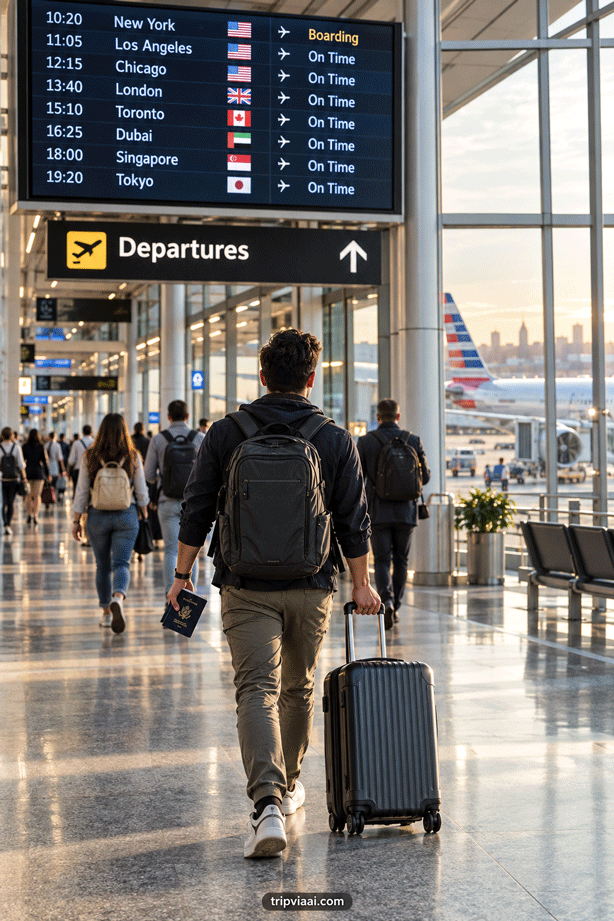
How to reach USA for first-time visitors
USA Visa, ESTA & Entry Requirements for International Travelers
Before booking your first trip to USA, check the entry requirements for your nationality, passport and travel purpose. Many international visitors need a U.S. visitor visa, while eligible travelers from Visa Waiver Program countries may travel for qualifying tourism or business visits of up to 90 days with approved ESTA authorization.
For travelers who require a visitor visa, the standard nonimmigrant visa application fee is currently US$185. Interview availability can vary by embassy or consulate, so it is better to begin the application process well before your planned departure rather than waiting until flights and hotels are already booked.
ESTA is different from a visa and is only available to travelers who meet the Visa Waiver Program requirements. Even with an approved ESTA or valid visa, final admission is decided by U.S. border authorities, so travelers should carry the required documents and be prepared to explain their trip clearly.
A key part of this USA travel guide for first-time visitors is checking your exact requirements through official U.S. government sources before making non-refundable bookings. Don’t rely on a friend’s experience or an old travel blog because entry rules, fees and procedures can change.

USA visa and entry requirements for first-time visitors
How Much Does a USA Trip Cost? Complete Budget for Different Travel Styles
The cost of a USA vacation depends mainly on your destination, travel season, hotel standard and transportation. For a first-time visitor, it is better to divide the budget into international flights, accommodation, food, local transport, sightseeing and travel insurance rather than planning around one total amount.
As a general planning range, a 7-day trip excluding international airfare could cost around US$700–1,100 for budget travel, US$1,400–2,300 for mid-range travel, and US$3,500 or more for luxury travel. These are broad estimates, because a week in New York can cost considerably more than a similar trip in a less expensive destination.
Your departure country can also make a major difference. Someone flying from Canada may spend less on international airfare than someone coming from India or Australia, even though their hotel, food and sightseeing costs inside the USA may be similar. This is why your complete trip budget should include both getting to America and spending money after arrival.
For this USA travel guide for first-time visitors, the smartest way to save money is to choose a practical region, avoid unnecessary domestic flights and book accommodation in convenient locations. A slightly higher hotel rate can sometimes save money on daily transportation, parking and wasted travel time.
| Travel Style | Approx. 7-Day Cost | Includes |
|---|---|---|
| Budget | US$700–1,100 | Basic stay, affordable food, public transport, selected attractions |
| Mid-Range | US$1,400–2,300 | 3–4 star hotel, restaurants, local transport, regular sightseeing |
| Luxury | US$3,500+ | Premium hotels, fine dining, private/rental transport, premium experiences |
USA Travel Cost Comparison: USD, INR, GBP & CAD
Knowing the approximate cost in your own currency makes USA vacation planning much easier. For example, a 7-day mid-range trip excluding international airfare may cost around US$1,400–2,300, depending on your destination, hotel and travel season. The same budget can feel very different to travelers arriving from India, the UK or Canada because exchange rates and airfare from their home country are different.
As a planning reference, US$1 is around ₹95.44, so US$1,400–2,300 is approximately ₹1.34–2.19 lakh. For a UK traveler, the same range is roughly £1,033–1,697, while for a Canadian traveler it is approximately C$1,933–3,174. Exchange rates move regularly, so these figures should be treated as planning estimates rather than fixed prices.
| Traveler From | Approx. 7-Day Mid-Range Budget* |
|---|---|
| USA | US$1,400–2,300 |
| India | ₹1.34–2.19 lakh |
| United Kingdom | £1,033–1,697 |
| Canada | C$1,933–3,174 |
*Excludes international airfare. Actual spending varies by city, season, accommodation and activities.
For your USA travel guide for first-time visitors, remember that this comparison only shows the estimated cost after reaching the USA. Your final trip budget should also include the return flight from your home country, visa or ESTA costs where applicable, travel insurance and any domestic flights or rental cars needed during the trip.
Best Places to Visit in the USA: Cities, National Parks, Beaches & Attractions
The USA has far too many destinations to cover in one trip, so first-time visitors should choose places according to their interests and available days. New York City is ideal for iconic landmarks, museums and city life, while Los Angeles and San Francisco work well for a California trip with beaches, neighborhoods and scenic drives.
Families often choose Orlando for its major theme-park attractions, while Miami is better suited to beaches, food and a lively city atmosphere. Travelers interested in entertainment can consider Las Vegas, while those who love nature can build a trip around destinations such as the Grand Canyon, Yellowstone, Yosemite or Zion.
National parks deserve extra planning because conditions and access can vary by park and season. The National Park Service manages more than 400 sites, and visitors should check the official park information for current fees, closures, permits, reservations and weather conditions before traveling.
For this USA travel guide for first-time visitors, don’t choose destinations simply because they are famous. A better strategy is to select two or three places that fit together geographically. This gives you more sightseeing time, fewer long transfers and a much more relaxed first experience of America.



Where to Stay in the USA: Best Cities, Areas & Hotel Options
Choosing the right area to stay can make your first trip to USA much easier. A hotel near major attractions or public transportation may cost slightly more, but it can save hours of daily travel. In large cities, always consider the location, transport access, taxes, parking and any additional hotel fees before comparing prices.
For New York, first-time visitors can look at Midtown Manhattan, Lower Manhattan or well-connected areas of Brooklyn. In Los Angeles, choose your area according to the attractions on your itinerary because the city is spread out. In San Francisco, neighborhoods with easy access to public transportation can make sightseeing more convenient, while Orlando visitors may prefer accommodation close to their chosen theme parks.
For national parks and road trips, staying near a park entrance or in a nearby gateway town can be more practical than choosing a distant city. This can help you start sightseeing earlier and reduce unnecessary driving. The right hotel location can sometimes save more money than choosing the cheapest room available.
As part of this USA travel guide for first-time visitors, compare hotels based on their total stay cost, not just the advertised nightly rate. Check whether breakfast, parking, Wi-Fi, resort fees or other charges are included, and choose a location that fits your actual itinerary rather than simply choosing the most popular hotel area.

Where to stay in USA for first-time visitors
Where to Stay in the USA — City & Hotel Comparison
| City | Best Area to Stay | Best For | Hotel Example |
|---|---|---|---|
| New York City | Midtown Manhattan | First-time visitors, sightseeing, Broadway | Times Square West Hotel |
| Los Angeles | Santa Monica | First-time visitors, beach + sightseeing | Choose a well-reviewed hotel near Santa Monica Pier |
| San Francisco | Union Square | First-time visitors, shopping, transport & sightseeing | Chancellor Hotel on Union Square |
| Orlando | International Drive | Families, theme parks, restaurants | Comfort Inn International Drive |
| Las Vegas | The Strip | Entertainment, shows & nightlife | Choose a hotel directly on or close to the Strip |
| Washington, D.C. | Downtown / Capitol area | Museums, monuments & history | Hilton Garden Inn Washington DC/U.S. Capitol |
For first-time visitors, Midtown in New York, Santa Monica in Los Angeles, Union Square in San Francisco and International Drive in Orlando are practical bases because location and access to major attractions can reduce daily travel time. San Francisco Travel also identifies Union Square as a major hotel and transit hub, while current Orlando guides commonly recommend International Drive for visitors who want a balance of accommodation, restaurants and attraction access.
Hotel examples are suggestions, not mandatory recommendations. Prices and availability change by date, so readers should compare the total stay cost, cancellation policy, taxes, parking and additional fees before booking.
How to Get Around the USA: Flights, Rental Cars, Trains, Buses & Public Transport
The best way to travel around the USA depends on the destinations you choose. For long distances, domestic flights are usually the quickest option, while rental cars are more useful for road trips, national parks and smaller towns. In major cities such as New York, Washington, D.C. and Chicago, public transportation can often be more convenient than driving.
For example, you could fly from your home country to New York, use the subway and local transport while sightseeing, then take a train to Washington, D.C. If your next destination is a national park, you could rent a car there instead of keeping the vehicle throughout your entire trip. This combination can save both money and unnecessary driving.
Rental cars are especially useful when attractions are spread across large areas, but remember to consider fuel, parking, insurance and tolls. For a first-time visitor, driving long distances can also be tiring, so avoid underestimating journey times when building a road-trip itinerary.
In this USA travel guide for first-time visitors, the smartest approach is to choose transport according to each part of your route. Use flights for distant cities, public transportation where city networks are strong, trains on practical regional routes, and rental cars when flexibility is more important than convenience.

USA transportation guide for first-time visitors
| Transport | Best For | Approx. Cost Level | Main Benefit | Main Drawback |
|---|---|---|---|---|
| Domestic Flight | Long-distance travel between cities | $$–$$$ | Fastest option for distant destinations | Airport time, baggage fees and delays |
| Rental Car | Road trips, national parks, smaller towns | $$–$$$ | Freedom to stop anywhere and change plans | Fuel, parking, tolls and insurance add up |
| Train | Northeast and selected regional routes | $$ | Comfortable city-to-city travel | Network is less extensive than in Europe |
| Bus | Budget-friendly regional travel | $ | Usually cheaper than flights or trains | Longer journey times |
| Public Transportation | Major cities such as New York, Washington, D.C. and Chicago | $ | Affordable and avoids parking | Less useful outside major urban areas |
| Taxi / Ride-Hailing | Airport transfers and short city trips | $$ | Convenient and door-to-door | Can become expensive with frequent use |
Best strategy for first-time visitors: Don’t choose one transport method for the entire vacation. A combination often works best—for example, international flight → public transport in New York → train to Washington, D.C. → rental car for a national-park or road-trip section. This can save both time and unnecessary transportation costs.
Food in the USA: What to Eat, Where to Eat & Daily Food Costs
Food is an important part of the USA travel experience because every region has something different to offer. First-time visitors can try New York-style pizza and bagels, Southern barbecue, California seafood, American burgers, Tex-Mex and many international cuisines in major cities. Don’t limit yourself to fast food; local diners, food markets and neighborhood restaurants can offer a more interesting experience.
Your daily food budget depends on where and how you eat. A traveler using fast-casual restaurants, diners and affordable local spots may spend around US$30–60 per person per day, while regular sit-down restaurants can push the budget higher. Breakfast is often cheaper than dinner, and tourist areas in major cities can be noticeably more expensive.
One important thing to know before your first trip to USA is that the displayed restaurant price may not represent the final bill. Sales tax is added in many locations, and tipping is generally expected for full-service restaurant service. Checking the menu and understanding these additional costs before ordering will make your USA vacation planning easier.
For a good experience, mix different types of dining throughout your trip. Try famous local specialties where they are known for them, eat at well-reviewed neighborhood restaurants, and keep a few affordable meals in your itinerary to control costs. This approach lets you experience more of the country’s food culture without allowing dining expenses to take over your travel budget.

Food in USA for first-time travelers
Typical Daily Food Budget in the USA
| Dining Style | Approx. Cost Per Person / Day | What It Usually Covers |
|---|---|---|
| Budget | US$25–40 | Simple breakfast, fast-casual lunch, affordable dinner |
| Moderate | US$50–80 | Regular restaurants, café meals and occasional snacks |
| Mid-Range | US$80–120 | Sit-down restaurants, better dining and drinks |
| Luxury | US$150+ | Fine dining, premium restaurants and multiple paid meals |
Important USA Travel Tips: Tipping, Taxes, Payments, Internet, Driving & Safety
Before leaving for your first trip to USA, learn a few everyday travel basics that can affect both convenience and your budget. Restaurant prices may not include sales tax, and tipping is generally expected for full-service dining. Credit and debit cards are widely accepted, but keeping a small amount of cash can still be useful for smaller purchases or unexpected situations.
For internet access, travelers can use international roaming, a travel eSIM or a local mobile plan depending on their phone and trip length. A reliable connection is useful for maps, ride-hailing apps, digital tickets and translation. Keep your passport, visa or ESTA information, hotel details and important contact numbers safely accessible, preferably both online and offline.
Driving also requires some planning because road rules, tolls, parking and regulations can vary by state. If you are planning a road trip, don’t underestimate distances or drive time. Check weather and road conditions before long journeys, especially when your route includes mountains, deserts or national parks.
Safety is mainly about using normal travel awareness and understanding your surroundings. Keep valuables secure, avoid unfamiliar areas late at night, follow local instructions and maintain travel insurance and emergency contacts. These simple USA travel tips can make your first-time experience much smoother and more comfortable.
Common Mistakes to Avoid + Complete Pre-Trip Checklist
One of the biggest mistakes first-time visitors make is trying to cover too much of the USA in a single vacation. Adding too many cities can mean long flights, expensive hotel changes and very little time to actually enjoy each destination. Choose a realistic region and leave enough time for sightseeing, rest and unexpected delays.
Another common mistake is booking hotels and rental cars without checking the complete cost. Taxes, parking, resort or destination fees, fuel, tolls and insurance can increase your final budget. Always compare the total expected cost and check the property’s location before making a reservation.
Before your first trip to USA, verify your visa or ESTA requirements, passport and travel documents, flights, hotel bookings, travel insurance and transportation. For national parks and major attractions, check official websites for current hours, closures, reservations or permits because requirements can vary by destination.
Final Pre-Trip Checklist
☐ Passport and required visa/ESTA
☐ International and domestic flight confirmations
☐ Hotel bookings and cancellation policies
☐ Travel insurance
☐ Credit/debit cards and backup payment method
☐ eSIM or roaming plan
☐ Attraction and park reservations where required
☐ Weather and road-condition check
☐ Airport transfer plan
☐ Copies of important travel documents
Following this checklist and the practical advice in this USA travel guide for first-time visitors can help you avoid the most common planning problems and start your vacation with much greater confidence.