
 Posted by
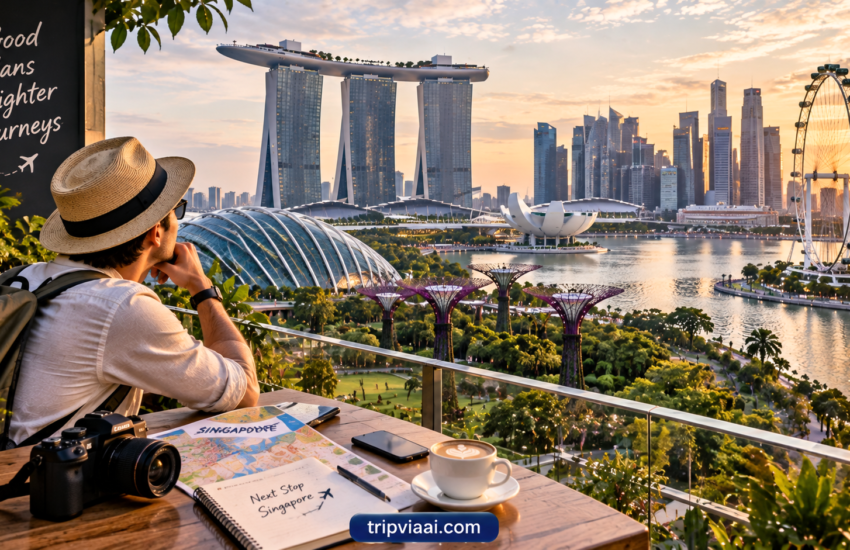
 Planning a Singapore tour for the first time can feel surprisingly difficult. The country is compact, but there is a lot to fit into a short trip—from futuristic gardens and waterfront views to neighbourhoods shaped by Chinese, Indian and Malay influences. Add efficient public transport, famous food spots, family attractions and different areas to stay, and it becomes easy to create an itinerary that looks exciting on paper but feels exhausting once you arrive.
A better approach is to decide what kind of experience you want before filling your days with attractions. Singapore works especially well for travellers who enjoy a mix of city sightseeing, food, culture, nature and easy transportation. You can spend the morning exploring a cultural neighbourhood, visit a major attraction in the afternoon and finish the evening around Marina Bay without spending hours travelling between completely different parts of the city.
This guide focuses on the practical side of planning your first Singapore trip. Instead of giving you a long list of places to tick off, it will help you understand how many days you may need, where to stay, how to get around, what experiences are worth prioritising, how to manage your budget and which common mistakes can make a short trip unnecessarily tiring.
The goal is simple: make your Singapore tour feel organised enough to enjoy, but flexible enough to leave room for discovering the city along the way.
What Makes Singapore Special for a First Trip
Singapore stands out because it combines modern city life, culture, nature, food and entertainment within a relatively compact destination. You can move from skyscrapers and waterfront attractions to historic neighbourhoods and green spaces without spending most of the day travelling.
For first-time visitors, the mix of city convenience and cultural variety is a major advantage. Chinatown, Little India and Kampong Glam offer a different atmosphere from Marina Bay, while Gardens by the Bay and Sentosa add nature and leisure to the experience.
Singapore is also easy to explore independently because of its well-connected public transport system, which helps travellers reach many popular areas without relying heavily on private tours or taxis. Food adds another layer to the experience, with hawker centres, cafés, international cuisine and upscale restaurants offering options for different tastes and budgets.
The key is not trying to see everything. Choosing experiences that genuinely interest you and leaving some breathing room will make your first Singapore trip more enjoyable.
How Many Days Do You Need for Singapore?
For a first Singapore tour, 3 days is a practical starting point for most travellers because it gives you enough time to experience the city’s main highlights without making every day feel rushed or overloaded.
With 2 days, keep your itinerary focused on important experiences such as Marina Bay, Gardens by the Bay and one cultural neighbourhood, because trying to add too many attractions can leave very little time for meals, walking and unexpected delays.
A 3-day Singapore trip offers a better balance between sightseeing and free time, allowing you to explore major attractions, try local food and enjoy the city in the evening without constantly worrying about reaching the next destination.
If you have 4–5 days, you can explore at a slower pace and add experiences such as Sentosa, wildlife attractions or additional neighbourhoods, which can be especially useful for families and travellers who prefer a relaxed holiday.
Your ideal trip length ultimately depends on your interests, budget and travel style, but 3–4 days is a comfortable duration for most first-time visitors who want a good introduction to Singapore without rushing through every attraction.
Where Should You Stay in Singapore?
For a first Singapore tour, choosing the right area can save both time and money. A well-connected location makes it easier to reach attractions, restaurants and MRT stations without spending too much time commuting.
Marina Bay and City Hall are convenient for travellers who want to stay close to major landmarks and the modern city centre. They are particularly suitable if sightseeing and skyline views are your priorities.
Bugis and Kampong Glam offer a more mixed experience, with shopping, food and cultural attractions nearby. They can be a good middle-ground choice for travellers who want convenience without staying directly in the most expensive central areas.
For a stronger cultural atmosphere, consider Chinatown or Little India. These neighbourhoods are useful for travellers interested in local food, heritage streets and easy access to central attractions.
Sentosa makes more sense for families or leisure-focused trips where resorts and entertainment are a bigger priority. For most first-time visitors, however, staying near a convenient MRT connection is more important than choosing a hotel simply because it is close to one attraction.
Best Experiences to Prioritize on Your First Singapore Tour
For a first Singapore tour, don’t try to visit every attraction. Pick a mix of landmarks, nature, culture and food so that you experience different sides of the city.
Marina Bay is a natural starting point for first-time visitors. The waterfront, skyline and evening atmosphere give you a quick introduction to Singapore’s modern character.
Gardens by the Bay is worth prioritising if you enjoy architecture and nature together. The Supertree Grove is especially impressive in the evening, while the conservatories offer a different experience during the day.
For a cultural change of pace, explore Chinatown, Little India or Kampong Glam. These areas are better experienced slowly, with time for local food, small shops and historic streets rather than rushing through them.
Sentosa is useful when you want a more relaxed or entertainment-focused day. Families may find it particularly worthwhile, while couples can choose from beaches, attractions and waterfront experiences.
If you enjoy wildlife, Singapore also offers dedicated wildlife attractions that can take several hours to explore. Choose one based on your interests rather than trying to add every attraction to the same day.
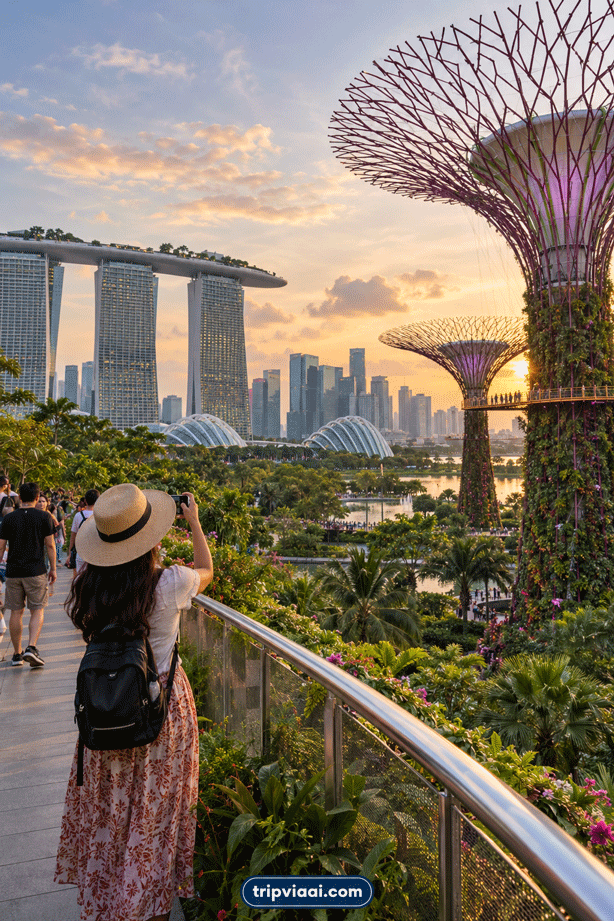
Singapore Marina Bay and Gardens by the Bay Travel Experience
How to Get Around Singapore
For your first Singapore tour, the MRT should be your main transport option because it connects many popular areas and is generally more practical than depending on taxis for every journey. Walking is also useful around places such as Marina Bay, Chinatown and Kampong Glam, although Singapore’s heat and humidity can make longer walks tiring.
Buses are another convenient option when an MRT station isn’t close to your destination, and using public transport makes independent sightseeing much easier. For airport transfers, late-night journeys or travelling with luggage, taxis and ride-hailing services can be more convenient, particularly when you are travelling as a group.
Before your trip, check the current transport payment options and fares, as these can change over time. Planning your route each morning and grouping nearby attractions together can save time, reduce unnecessary backtracking and leave you with more time to actually enjoy Singapore.
What to Eat in Singapore
Food should be part of your Singapore tour, not something you fit in only when you have spare time. The city is known for its multicultural food scene, and you can experience a lot without booking expensive restaurants.
Hawker centres are one of the best places to start. They bring together many local dishes in a casual setting, making it easy to try different foods during the same meal.
Look for popular local options such as Hainanese chicken rice, laksa, char kway teow and satay. If you are unfamiliar with a dish, checking the ingredients before ordering can help, especially if you have dietary restrictions.
Chinatown, Little India and Kampong Glam are useful areas for combining food with sightseeing. You can explore the neighbourhood and stop for a meal instead of making separate journeys just for restaurants.
Vegetarian travellers can also find suitable choices, but it’s worth checking ingredients and preparation methods rather than assuming a dish is vegetarian from its name.
For a better food experience, mix hawker centres, casual local restaurants and one or two special meals instead of spending your entire food budget on dining out.
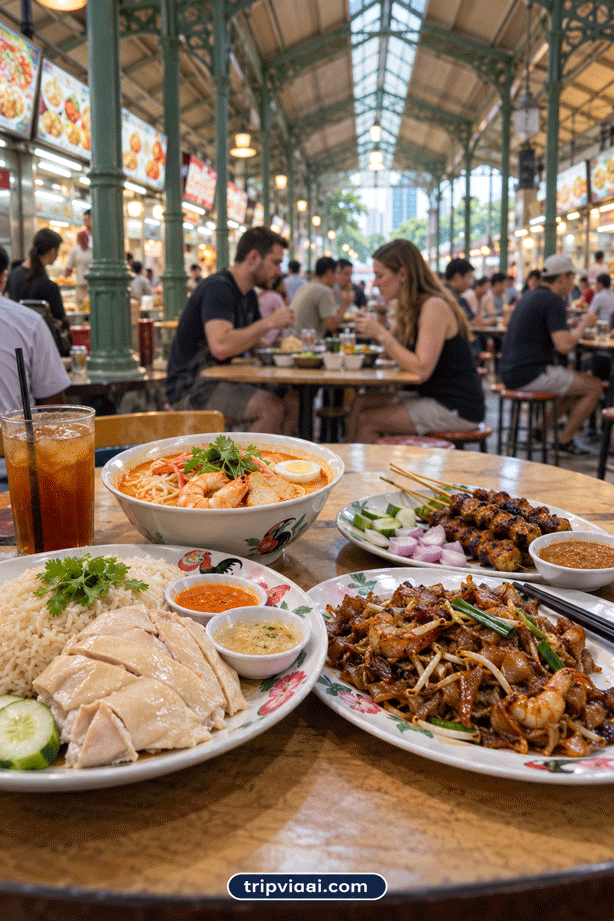
Singapore Hawker Centre Food Experience
Weather and the Best Time to Visit Singapore
Singapore has a tropical climate, so you can expect warm and humid conditions throughout the year, with sudden rain possible on many days. For a comfortable Singapore tour, keep your itinerary flexible instead of planning every hour around outdoor attractions.
Early mornings and later afternoons are generally more comfortable for outdoor sightseeing, while the hotter middle of the day can be used for lunch, shopping, indoor attractions or a short break. There isn’t one perfect month for everyone, so consider weather alongside hotel prices, major events, school holidays and your own travel schedule.
Pack lightweight clothing, comfortable walking shoes and a compact umbrella for changing weather conditions. Sunscreen and a refillable water bottle are also useful when you are spending several hours exploring the city, particularly if your itinerary includes outdoor attractions and neighbourhood walks.
How Much Does a Singapore Trip Cost?
A Singapore tour can fit different budgets, but accommodation usually takes the biggest share of your spending, especially when you choose a centrally located hotel close to major attractions, restaurants and an MRT station. Choosing a well-connected area can save travel time, even if the room itself costs slightly more.
Food costs can be managed by combining hawker centres with casual restaurants, allowing you to experience Singapore’s diverse food culture without spending too much on every meal. Public transport, particularly the MRT and buses, can also keep daily travel costs more manageable than relying on taxis for every journey.
Attractions should be included in your budget because some experiences are free or inexpensive, while popular paid attractions and entertainment options can increase your spending quickly. Instead of paying for everything, choose the experiences that genuinely match your interests and leave some room for free sightseeing.
Before travelling, divide your money between accommodation, food, transport and attractions, and keep a small extra amount for unexpected expenses or itinerary changes. Checking attraction prices and booking requirements in advance can also help you decide which experiences are worth paying for and avoid unnecessary spending.
Singapore Daily Cost Comparison — 2026
Approximate per-person costs; hotel assumes two people sharing a room. Currency conversions are rounded, so actual card/exchange rates may vary.
| Expense | Budget — SGD | Budget — INR | Budget — USD | Budget — AED |
|---|---|---|---|---|
| 🏨 Hotel — shared room | S$50–80 | ₹3,100–5,000 | $37–60 | AED 135–295 |
| 🍜 Food | S$20–30 | ₹1,250–1,900 | $15–23 | AED 55–110 |
| 🚇 Local transport | S$5–10 | ₹315–630 | $4–8 | AED 18–37 |
| 🎟️ Attractions | S$15–30 | ₹940–1,900 | $11–23 | AED 55–110 |
| Daily total | S$90–150 | ₹5,600–9,400 | $67–113 | AED 330–550 |
Comfortable mid-range travellers should generally allow more, particularly for hotels and paid attractions. Current 2026 estimates put a comfortable land-only Singapore budget around S$250–350 per person per day, depending heavily on accommodation, dining and activities.
For food, hawker meals can be around S$4–8, while casual restaurant meals are considerably more. MRT and bus fares are distance-based, with adult card fares currently starting around S$1.28 for short journeys.
Singapore Trip: Overall Cost Comparison
Approximate land-only cost for one traveller. Hotel assumes two people sharing a room. International flights, shopping and personal expenses are not included.
| Expense | Budget Range | INR 🇮🇳 | USD 🇺🇸 | AED 🇦🇪 |
|---|---|---|---|---|
| 🏨 Hotel — 3 nights | S$150–240 | ₹9,400–15,000 | $112–180 | AED 550–880 |
| 🍜 Food — 4 days | S$80–120 | ₹5,000–7,500 | $60–90 | AED 295–440 |
| 🚇 Local Transport | S$25–40 | ₹1,600–2,500 | $19–30 | AED 92–147 |
| 🎟️ Attractions | S$60–120 | ₹3,800–7,500 | $45–90 | AED 220–440 |
| Estimated total | S$315–520 | ₹19,800–32,500 | $236–390 | AED 1,160–1,910 |
What this total includes
This estimate covers the main on-the-ground expenses a typical traveller is likely to face during a short Singapore visit: accommodation, food, local transportation and paid attractions.
It does not include international flights, visa fees, travel insurance, shopping, alcohol or personal spending. Flight prices can vary enormously depending on the departure country, dates and airline, so keeping them separate makes the comparison more useful for a global audience.
For a more comfortable trip, travellers should allow a higher budget for accommodation and dining. Your hotel choice can make the biggest difference to the final cost, particularly if you want to stay in a central area close to major attractions and MRT connections.
What Should You Book in Advance for Singapore?
For a first Singapore tour, you don’t need to book every activity months in advance, but popular hotels and attractions can become more expensive or less flexible during busy travel periods. Accommodation is worth booking early if you want a central location near an MRT station, while timed-entry attractions should be checked before your travel dates.
Casual meals at hawker centres generally don’t require reservations, but popular restaurants and special dining experiences can be different. Booking these ahead can help you avoid long waits, especially during busy evenings, weekends or peak travel periods when availability may be limited.
Before finalising your itinerary, check opening days, operating hours and temporary closures for the attractions you plan to visit, as this can prevent unnecessary changes after you arrive. The best approach is to book important plans early while keeping some free time, so your Singapore trip stays organised without becoming too rigid.
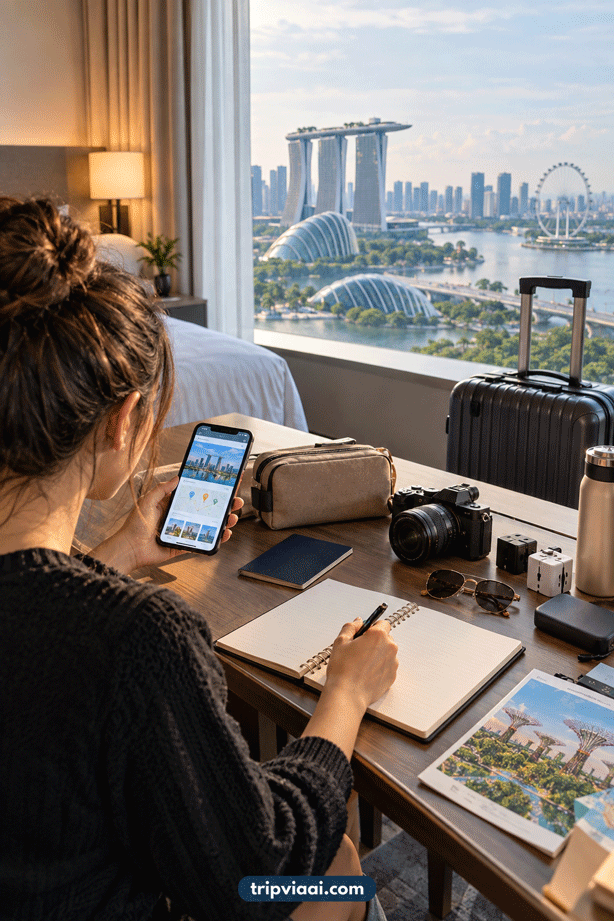
Planning a Singapore Trip Before Departure
Common Mistakes First-Time Visitors Should Avoid
One common mistake on a Singapore tour is trying to visit too many attractions in a single day, because queues, meals, walking and changing weather can quickly take more time than expected. A packed itinerary may look efficient on paper but can make the actual trip tiring.
Another mistake is choosing a hotel only because it looks attractive or has a good price, without checking its distance from an MRT station and the areas you plan to visit. Singapore’s heat and humidity also make it important to plan outdoor sightseeing around more comfortable parts of the day.
It’s also a mistake to assume Singapore has to be extremely expensive, as hawker centres and public transport can help control daily costs while leaving more of your budget for experiences you genuinely want. Finally, keep some flexibility for rain, tiredness or attractions taking longer than expected, because a little free time can make a short Singapore trip much more enjoyable.
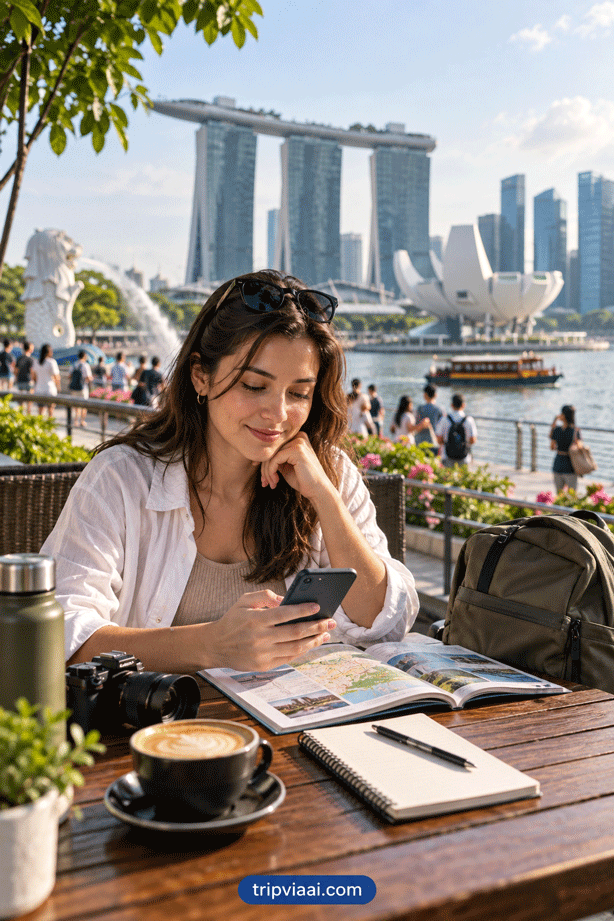
Singapore First-Time Travel Planning Mistakes
A Practical 3-Day Singapore Itinerary
If you have 3 days for your first Singapore tour, avoid treating every day like a checklist. Group nearby experiences together so you spend more time exploring and less time travelling across the city.
Day 1 — Marina Bay & Gardens
Start with Marina Bay and explore the waterfront at a relaxed pace. You can then continue towards Gardens by the Bay, keeping the evening for the illuminated Supertree Grove.
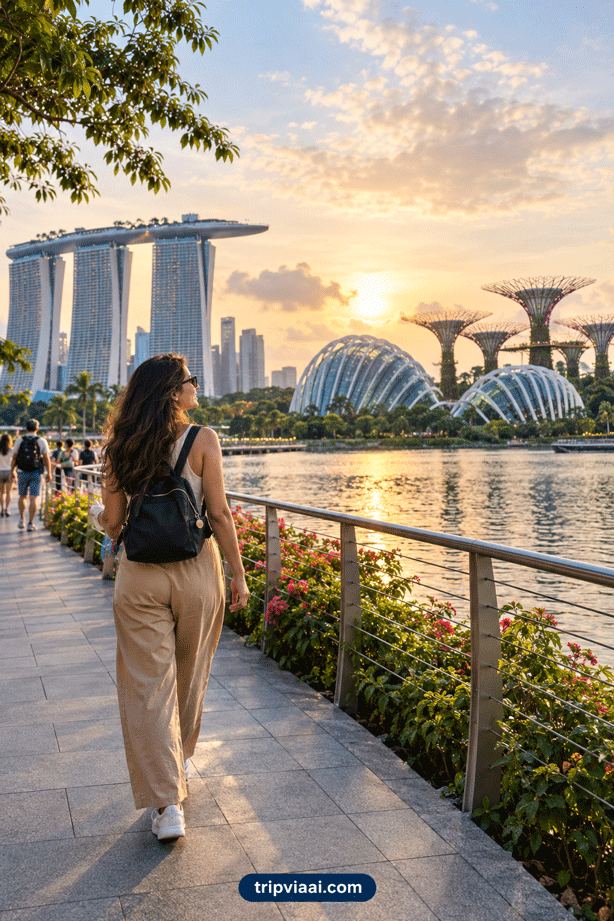
Singapore Day 1: Marina Bay and Gardens by the Bay
Day 2 — Culture & Local Food
Use your second day for Chinatown, Little India and Kampong Glam, depending on your interests. Add a hawker-centre meal and leave some time to walk through the neighbourhoods rather than rushing between landmarks.
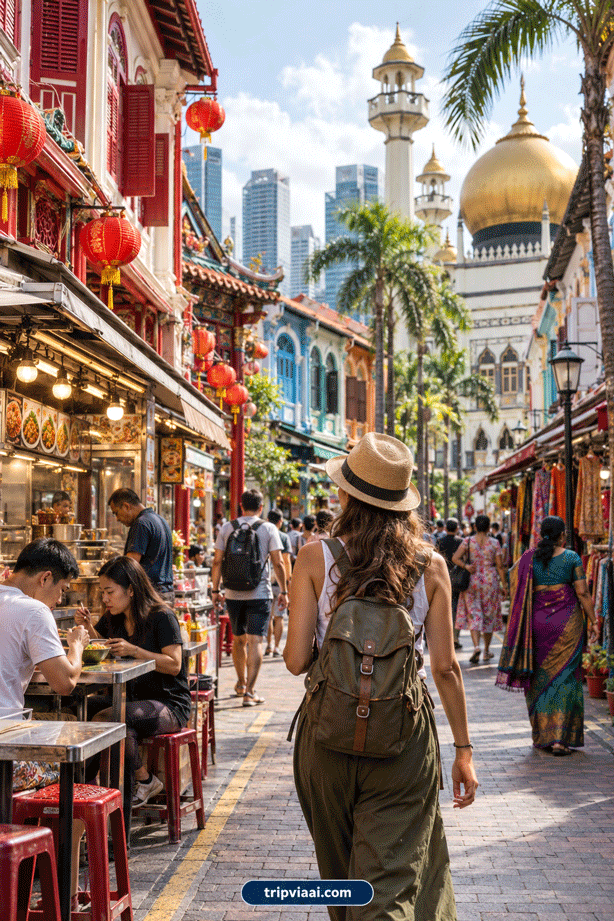
Singapore Day 2: Cultural Neighbourhoods and Local Food
Day 3 — Choose Your Experience
Keep the final day flexible based on your travel style. Sentosa works well for entertainment and leisure, while a wildlife attraction can be a better choice for families and animal lovers.
This itinerary is intentionally not overloaded. If one attraction takes longer than expected, you can adjust the rest of the day without losing the overall flow of your Singapore trip.
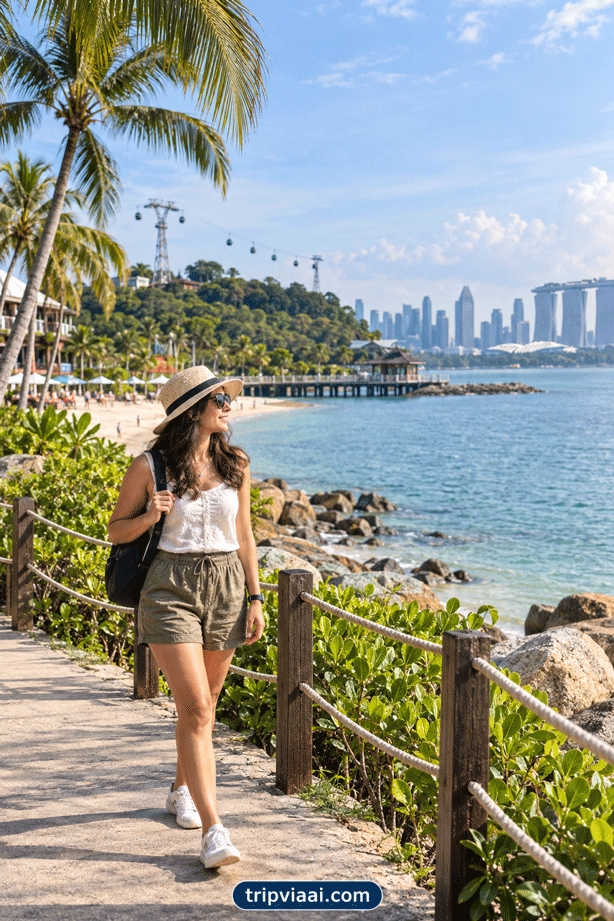
Singapore Day 3: Sentosa and Leisure Experience
Who Is Singapore Best For?
Singapore works particularly well for first-time Asia travellers because it combines easy transportation with sightseeing, food, culture and entertainment in a compact destination. This makes it easier to explore independently without spending too much time moving between distant parts of the city.
Families can build their trip around attractions, wildlife experiences and Sentosa while keeping enough breaks between activities, especially when travelling with young children. Couples may prefer waterfront areas, evening skyline views, restaurants and relaxed neighbourhood walks instead of following a packed sightseeing schedule.
For solo travellers, Singapore’s public transport makes independent exploration straightforward, while cultural neighbourhoods and hawker centres offer easy ways to experience the city without organising a full-day tour. It is also a good option for travellers with a short holiday window, as sensible planning allows you to experience several sides of Singapore without spending most of the trip in transit.
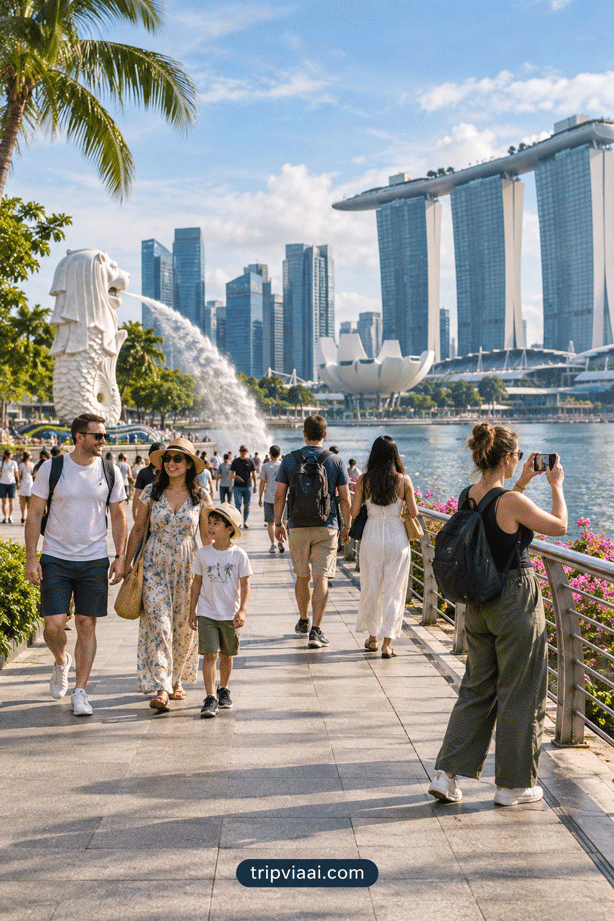
Singapore tour experience for families, couples and solo travellers
Final Verdict: Is Singapore Worth Visiting for Your First Asia Trip?
Singapore is a strong choice for a first Asia trip if you want modern attractions, cultural diversity, good food and convenient transportation in one destination. Its compact layout also makes it possible to experience very different sides of the city without spending most of your holiday travelling between distant areas.
The biggest advantage is convenience, especially for travellers who prefer an organised and easy-to-navigate destination. You can combine major landmarks, cultural neighbourhoods and local food experiences while using public transport instead of depending heavily on private tours or taxis.
For a first Singapore tour, 3–4 days is a sensible starting point for most travellers, giving you enough time to experience the main highlights without making every day feel rushed. Choose your priorities first, then leave some flexibility for weather, meals and unexpected discoveries.
Singapore also doesn’t have to be an expensive destination if you plan carefully, as choosing a well-connected hotel, using public transport and mixing hawker food with selected restaurants can help manage daily costs. Focus on experiences that match your interests, group nearby places together and leave some breathing room, rather than trying to tick off every attraction.