
 Posted by
 Introduction
Trip planning habits often determine whether a journey feels organised and enjoyable or stressful and expensive. While many travellers focus on destinations, flights, and hotels, experienced travellers understand that small planning habits usually have a much bigger impact on the overall travel experience.
A few years ago, I travelled with two friends who approached trip preparation completely differently. One planned everything at the last minute and constantly worried about details he might have forgotten. The other followed a simple routine, organised information early, and handled decisions one step at a time. Unsurprisingly, one traveller arrived stressed while the other arrived excited.
The difference was not experience. It was preparation.
The most successful travellers usually follow a set of simple trip planning habits that help them save time, reduce costs, and avoid unnecessary stress. Similar principles are discussed in The Ultimate First International Trip Itinerary (Day by Day Guide), where simplifying decisions often leads to smoother and more enjoyable travel experiences.
The good news is that these habits are not complicated. Anyone can develop them, and even small improvements can make future trips significantly easier to plan and enjoy.
Why Smart Trip Planning Habits Matter
Smart trip planning habits help travellers save time, reduce unnecessary expenses, and avoid common travel frustrations. By planning earlier, organising travel details efficiently, and focusing on priorities instead of perfection, travellers can create smoother, less stressful, and more enjoyable travel experiences from the very beginning.
Smart Trip Planning Habits Every Traveler Should Follow
Start Planning Earlier Than Most People
One of the smartest trip planning habits is starting before you think it is necessary.
Many travellers wait until the last few weeks before departure to begin serious planning. At that stage, flight prices may have increased, accommodation choices become limited, and transportation options may be less convenient. The result is usually higher costs and more stress.
Experienced travellers understand that early planning creates flexibility. Starting early does not mean booking everything immediately. It simply means gathering information, comparing options, and identifying potential opportunities before decisions become urgent.
A traveller who begins planning several months before departure usually enjoys more freedom than someone who starts only a few weeks before travelling. More choices almost always lead to better decisions.
Decide Why You Are Travelling Before Choosing Where to Go
Many travellers choose a destination first and only later think about what they actually want from the trip.
This often creates confusion because every destination starts looking attractive.
Someone looking for relaxation should not plan a trip the same way as someone seeking adventure. A couple celebrating an anniversary will prioritise different experiences than a solo traveller interested in photography or local culture.
One of the most effective trip planning habits is identifying the purpose of the trip before researching destinations. When your travel goals are clear, decision-making becomes significantly easier because many options automatically eliminate themselves.
Travellers who understand their priorities usually spend less time comparing destinations and more time creating meaningful experiences.
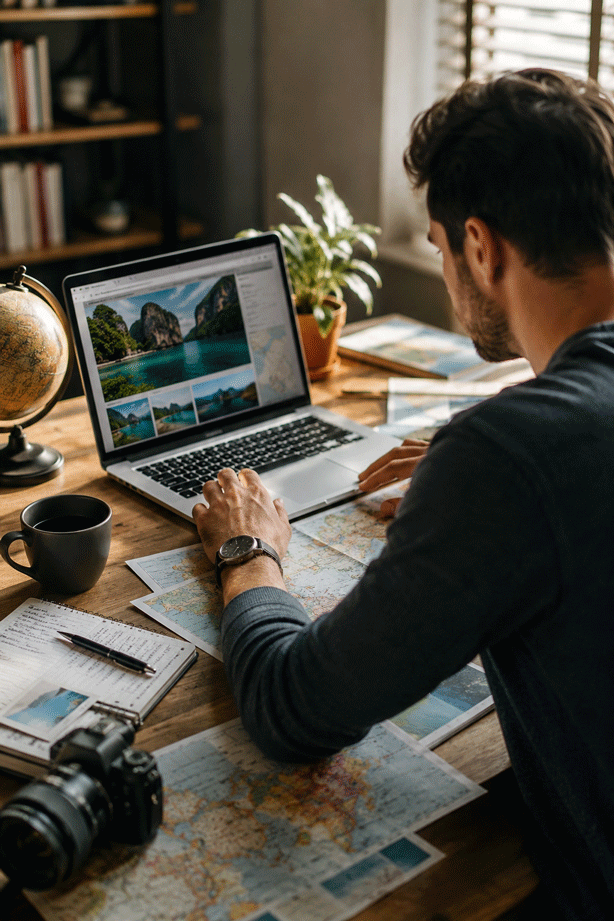
Research Your Dream Destination Before You Travel
Set a Budget Before You Fall in Love With a Destination
One of the most valuable trip planning habits is creating a realistic budget before making major travel decisions. Unfortunately, many travellers do the exact opposite. They choose a destination first, build an exciting itinerary, and only later calculate how much everything will cost.
This often leads to disappointment because the dream trip suddenly becomes much more expensive than expected.
A traveller may spend weeks planning a holiday in Switzerland, Iceland, or Japan before realising that accommodation, transportation, and daily expenses exceed the available budget. At that point, difficult compromises become necessary.
Experienced travellers usually start with financial boundaries and then explore destinations that fit comfortably within them. This approach creates realistic expectations and removes unnecessary stress throughout the planning process.
Strong trip planning habits are not about restricting yourself. They are about making decisions that allow you to enjoy the journey without constantly worrying about money.
Keep Important Travel Information in One Place
Few things create more travel stress than searching for important information when you need it most.
Flight confirmations hidden inside emails, hotel reservations buried in screenshots, and transportation details saved across multiple apps can quickly turn simple situations into frustrating experiences. Most travellers do not realise how valuable organisation is until they are standing at an airport, hotel reception, or train station trying to locate an important document.
One traveller I met during an international trip spent nearly half an hour searching for a booking confirmation while other guests checked in around him. The reservation existed, but poor organisation created unnecessary anxiety.
One of the smartest trip planning habits is keeping everything together. Whether you use a travel app, cloud storage folder, or digital planner, important information should always be easy to access.
Travellers who build this habit often experience fewer problems because they spend less time searching and more time enjoying the journey. Similar organisational principles are discussed in Beginner Friendly Travel Itinerary to Plan Your First Trip Easily, where preparation helps travellers stay confident throughout the trip.
Recommended Travel Products
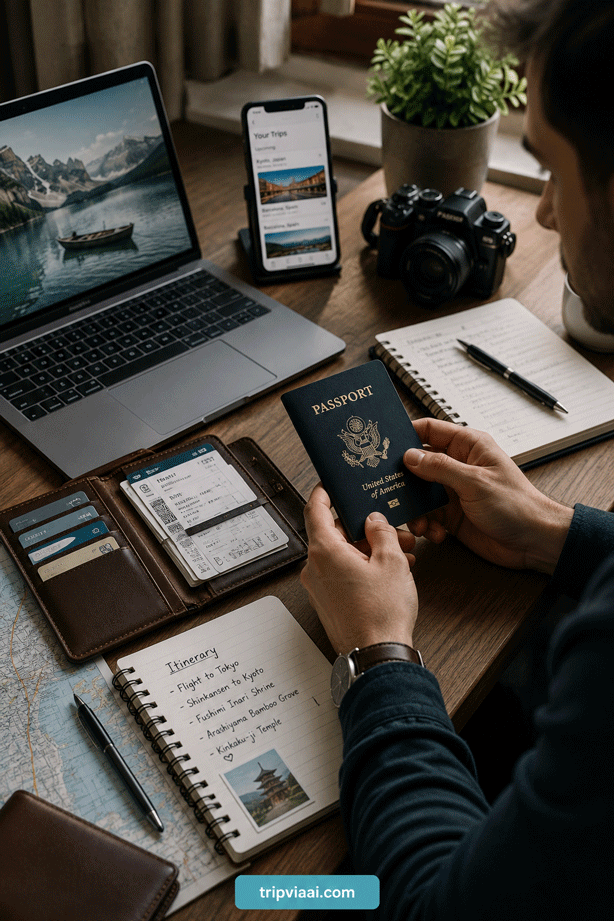
Organising Travel Documents Before Your Trip for a Stress-Free Journey
Research Transportation Before You Arrive
Many travellers spend hours researching attractions but only a few minutes thinking about transportation. Unfortunately, this is one of the trip planning habits that separates organised travellers from stressed travellers.
A destination may look perfect on paper, but if you do not understand how to move around once you arrive, even simple journeys can become frustrating. Airport transfers, public transportation systems, local payment methods, and walking distances all affect the overall travel experience.
I once met a traveller who landed in a new country without knowing how to reach his hotel. After an hour of confusion, expensive taxi fares, and language barriers, he finally arrived exhausted before the trip had even begun.
Strong trip planning habits include researching transportation before departure. Knowing how you will travel from the airport, navigate the city, and reach major attractions removes uncertainty and saves valuable time during the trip.
Leave Room for Flexibility Instead of Planning Every Minute
One of the biggest misconceptions about travel planning is that a perfect itinerary should account for every hour of every day.
In reality, overly detailed schedules often create more stress than freedom.
A traveller who plans twelve attractions across a single day may spend more time watching the clock than enjoying the destination. Delays, weather changes, transportation issues, and unexpected discoveries can quickly disrupt rigid schedules.
The most experienced travellers understand that flexibility is one of the smartest trip planning habits you can develop. A good itinerary provides structure while leaving enough room for adjustments and spontaneous experiences.
Some of the best travel memories come from moments that were never planned. A hidden café, a local market, or a conversation with a resident often becomes more memorable than the attraction originally scheduled for that time slot.
This is one reason why 7 Day Travel Itinerary for Beginners That Makes Travel Easy encourages travellers to focus on experiences rather than trying to maximise attraction counts.

Why a Flexible Travel Itinerary Helps You Discover Hidden Local Gems
Review Accommodation Location Before Looking at Amenities
Many travellers spend more time comparing hotel amenities than checking where the hotel is actually located.
A swimming pool, rooftop restaurant, luxury breakfast, and stylish rooms may look impressive online, but none of those features matter much if the property is located far from the places you want to visit.
This is one of the most overlooked trip planning habits.
A traveller may save a small amount of money by booking accommodation outside the city centre, only to spend more time and money commuting every day. What initially appears to be a smart financial decision can quickly become inconvenient.
Experienced travellers often evaluate location before amenities. They understand that being close to attractions, transportation hubs, and local services can dramatically improve the overall travel experience.
Strong trip planning habits focus on convenience as well as cost. Saving money is important, but convenience often has value too.
Create a Simple Travel Checklist Before Departure
One reason some travellers appear calm before a trip is because they rely on systems instead of memory.
Trying to remember everything at the last minute rarely works. Travel documents, chargers, adapters, reservations, medications, and personal essentials can easily be forgotten when preparation becomes rushed.
A simple checklist removes that uncertainty.
Before every major trip, many experienced travellers review a short list covering travel documents, transportation details, accommodation information, payment methods, electronics, and emergency contacts. This process takes only a few minutes but significantly reduces stress.
One of the most effective trip planning habits is reviewing this checklist several days before departure rather than the night before the trip. Small problems become much easier to solve when there is still time available.
Travellers who use checklists often feel more confident because they know important details have already been reviewed and verified.
Recommended Travel Products
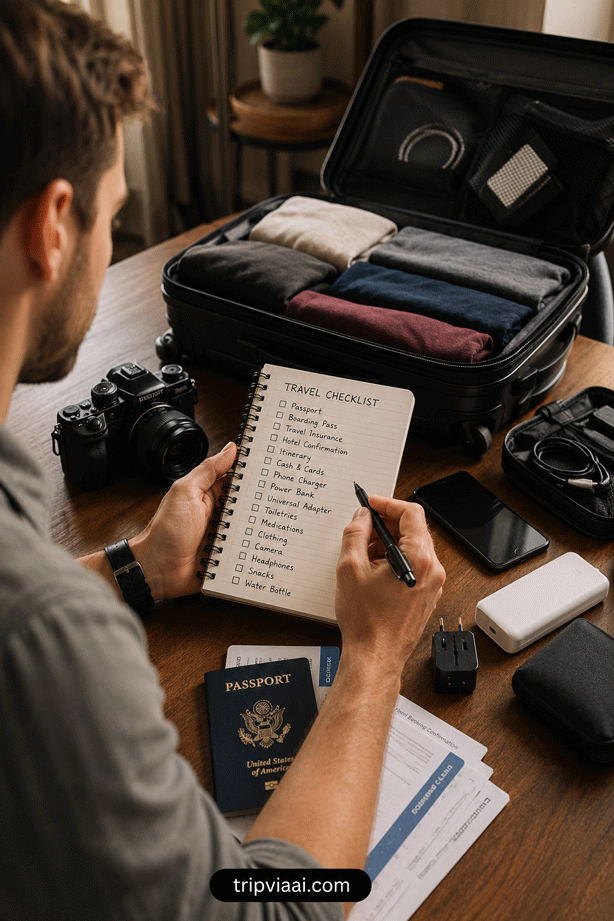
The Ultimate Pre-Departure Travel Checklist Every Smart Traveler Should Complete
Prepare for Problems Before They Happen
Most travellers spend their planning time thinking about the trip they hope will happen. Few spend time thinking about what they would do if something goes wrong.
Flights can be delayed. Luggage can be misplaced. Transportation plans can change unexpectedly. While nobody enjoys thinking about these possibilities, preparing for them is one of the smartest trip planning habits you can develop.
Preparation does not need to be complicated. Keep digital copies of important documents, save emergency contact information, and know where to find important booking details if internet access becomes limited.
I once met a traveller whose phone stopped working shortly after arrival. Because all important information existed only on the device, a simple technical problem created hours of unnecessary stress. Since then, I have always kept backup copies of important travel information.
The best trip planning habits do not eliminate problems completely. They simply make problems easier to handle when they appear.
Focus on Experiences Instead of Attraction Counts
Many travellers measure success by the number of places they visit.
They create ambitious itineraries, count attractions, and try to maximise every available hour. Unfortunately, this approach often creates exhaustion rather than enjoyment.
A traveller who visits fifteen attractions in three days may return home with hundreds of photos but very few meaningful memories. Meanwhile, another traveller who spends more time exploring fewer places often develops a deeper connection with the destination.
One of the most valuable trip planning habits is focusing on experiences instead of numbers.
Rather than asking how many attractions you can fit into a day, ask which experiences matter most. A memorable local meal, a scenic evening walk, or a meaningful cultural experience often provides more value than rushing between multiple landmarks.
Travellers who prioritise experiences over attraction counts usually enjoy slower, richer, and far less stressful journeys. In fact, many of the issues discussed in Travel Itinerary Mistakes That Ruin Your Vacation begin when travellers focus too heavily on quantity instead of quality.
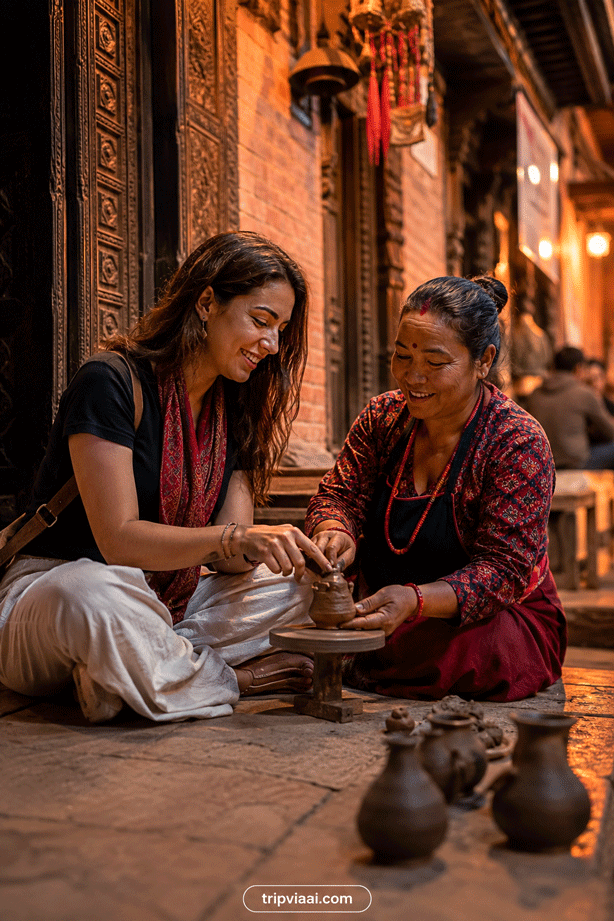
Slow Down and Experience Local Culture for More Meaningful Travel
Review Your Travel Plan One Week Before Departure
Many travellers spend weeks preparing for a trip and then never review their plans before leaving. Unfortunately, bookings change, transportation schedules get updated, and important details can easily be forgotten.
One week before departure, spend thirty minutes reviewing your travel plans from start to finish. This small habit often prevents last-minute surprises and creates confidence before travelling.
A simple review should include:
- Flight confirmations
- Accommodation bookings
- Transportation arrangements
- Passport validity
- Travel insurance details
- Payment methods
- Emergency contacts
These small checks may seem unnecessary, but they are among the most effective trip planning habits because they help travellers identify problems while there is still time to fix them.
Remember That Travel Is Meant to Be Enjoyed
At some point, many travellers become so focused on planning that they forget why they wanted to travel in the first place.
The excitement of discovering a new destination becomes buried beneath hotel comparisons, budget calculations, transportation research, packing lists, and itinerary adjustments. What should feel exciting begins to feel like another project that needs to be completed.
This is why one of the most important trip planning habits is maintaining perspective.
Travel is not a competition. You do not need to visit every attraction, follow every recommendation, or create the perfect itinerary. The goal is not perfection. The goal is enjoyment.
The most memorable trips are rarely remembered because every detail went exactly according to plan. They are remembered because of meaningful experiences, unexpected discoveries, and moments that create lasting memories.
When travellers focus on what truly matters, planning becomes easier and the entire journey becomes more rewarding.

Review Your Travel Plans Before Departure for a Stress-Free Journey
Frequently Asked Questions
How early should I start planning a trip?
Most travellers benefit from starting their planning process two to six months before departure. Early planning creates more flexibility, better pricing opportunities, and less stress overall.
What are the most important trip planning habits?
The most effective trip planning habits include setting a budget early, organising travel documents, researching transportation, creating flexible itineraries, and reviewing plans before departure.
Why do travellers become stressed during trip planning?
Many travellers try to make every decision at once. Breaking planning into smaller steps makes the process more manageable and significantly less overwhelming.
Should I plan every day of my trip?
No. Flexible itineraries often create better experiences because they allow room for unexpected opportunities and spontaneous discoveries.
How can I save money while planning a trip?
Start planning early, compare accommodation options carefully, track expected expenses, and create a realistic budget before choosing a destination.
Is a travel checklist really necessary?
Yes. Travel checklists help travellers avoid forgotten documents, missed reservations, and last-minute problems before departure.
What is the biggest travel planning mistake?
One of the biggest mistakes is focusing on details before creating a strong foundation. Budget, destination, transportation, and accommodation decisions should come before smaller planning tasks.
Conclusion
Strong trip planning habits do not require complicated systems or years of travel experience. Most of them are simple behaviours that help travellers stay organised, make better decisions, and avoid unnecessary stress throughout the planning process.
Whether it is starting earlier, setting a realistic budget, organising travel documents, or leaving room for flexibility, these habits create smoother and more enjoyable travel experiences. Small improvements in preparation often lead to significant improvements in the overall journey.
The best travellers are not necessarily the most experienced. They are usually the people who develop consistent trip planning habits that save time, reduce costs, and help them focus on what really matters: enjoying the trip itself.
For more itinerary guides, travel planning advice, and practical travel resources, explore more articles at tripviaai.com.