
 Posted by
 Introduction
Most travel problems do not start on the airplane. They start at the airport.
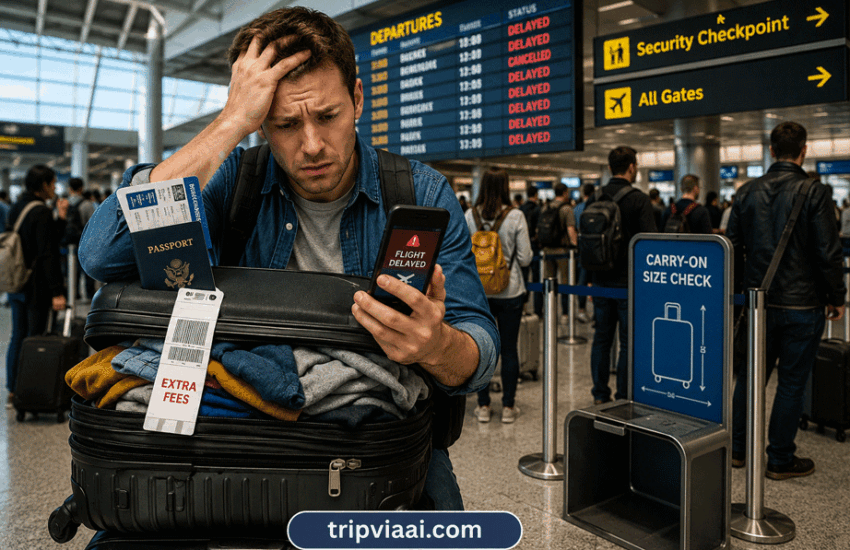
Many travelers spend weeks planning their flights, hotels, and activities but pay very little attention to the airport experience itself. Then travel day arrives, and suddenly everything feels rushed. Long security lines, missing documents, overweight luggage, gate changes, and unexpected airport fees can quickly turn an exciting trip into a stressful experience.
I learned this lesson during an early international trip when I arrived at the airport feeling completely prepared. My hotel was booked, my itinerary was organized, and my bags were packed. Unfortunately, I had overlooked several small airport details. A slow check-in line, a last-minute document issue, and a forgotten power bank location in my luggage created unnecessary stress before I even boarded the plane.
The reality is that many airport mistakes are completely avoidable. Small planning decisions before arriving at the airport can save time, reduce anxiety, and help you avoid costly surprises. Whether you are a first-time traveler or someone who flies regularly, understanding these common airport travel mistakes can make every journey smoother.
If you are also looking to improve your overall travel preparation, our How to Plan a Stress-Free International Trip guide covers practical strategies that can help you prepare before every trip. Understanding common airport mistakes before travel can help you save time, money, and unnecessary stress.
Why These Airport Mistakes Matter
Many travelers focus on flights and hotels but overlook common airport mistakes that create delays, stress, and unnecessary expenses. From arriving too late and ignoring baggage rules to forgetting important documents and charging devices, avoiding these airport travel mistakes can help you enjoy a smoother and more organized travel experience.
Common Airport Mistakes Every Traveller Should Avoid
1. Arriving at the Airport Too Late
One of the most common airport mistakes is assuming that airport procedures will always move quickly. Travelers often calculate their arrival time based only on the flight departure instead of considering security lines, check-in queues, baggage drop, terminal transfers, and unexpected delays.
Airports are unpredictable. A process that normally takes twenty minutes can suddenly take more than an hour during busy travel periods. Holiday weekends, weather disruptions, and staffing shortages can create significant delays even at well-organized airports.
For domestic flights, arriving at least two hours before departure is generally a safer approach. For international flights, three hours is often recommended because passport checks and immigration procedures add additional processing time.
I once watched several travelers sprint toward a boarding gate because they underestimated security screening times. Some made the flight, while others did not.
One of the simplest airport travel tips is treating airport arrival time as part of the trip rather than an inconvenience. A little extra waiting time at the gate is far less stressful than worrying about missing a flight entirely. Arriving early is one of the easiest ways to avoid common airport mistakes on travel day.
2. Ignoring Airline Baggage Rules
Many travelers assume baggage policies are similar across airlines. Unfortunately, this assumption often leads to expensive surprises.
Different airlines apply different weight limits, carry-on dimensions, personal item requirements, and checked baggage fees. Even experienced travelers sometimes overlook recent policy updates when flying with unfamiliar carriers.
One of the most costly airport travel mistakes happens when travellers arrive with oversized luggage and discover they must pay substantial fees at the airport. These charges are often much higher than pre-purchased baggage fees online. Many airport mistakes happen because travellers never review airline baggage policies before departure.
Before every trip, review your airline’s baggage requirements carefully. Measure luggage dimensions, check weight limits, and verify carry-on policies.
Packing efficiently also helps reduce travel stress. Travelers who use organized luggage systems often avoid last-minute repacking at check-in counters.
Products such as the Nomatic Travel Pack and Peak Design Travel Backpack 45L are popular among frequent travelers because they maximize organization while remaining practical for airline carry-on requirements.
Avoiding baggage-related airport mistakes can save both money and frustration before your journey even begins.
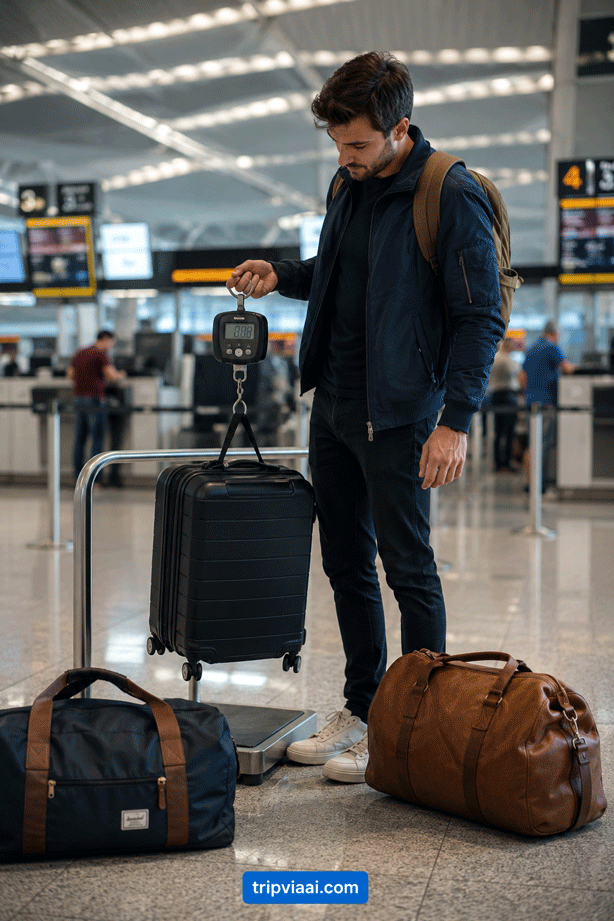
Weigh Your Luggage Before Airline Check-In
3. Not Checking Your Departure Terminal in Advance
Many large airports operate multiple terminals, and assuming every flight departs from the same location is a mistake that can cost valuable time.
Some airports require shuttle buses, trains, or long walks between terminals. During busy periods, transferring between terminals can take far longer than travelers expect.
A surprisingly common airport travel mistake involves arriving at the wrong terminal and discovering the correct terminal is located on the opposite side of the airport.
Always verify terminal information before leaving for the airport. Airlines frequently change gates and sometimes adjust terminal assignments, especially during operational disruptions.
Checking airport apps and airline notifications before departure helps travelers stay informed about changes.
For first-time airport travelers, understanding the airport layout beforehand is one of the easiest ways to reduce travel stress and avoid unnecessary confusion.
This preparation becomes even more important during international trips where larger airports often have more complex terminal systems.Avoiding document-related airport mistakes can prevent unnecessary delays during travel.
4. Forgetting Important Travel Documents
Many travel delays happen because travelers focus heavily on packing clothes and gear while overlooking essential documents.
Passports, visas, boarding passes, identification cards, travel insurance details, hotel confirmations, and transportation reservations should all be organized before departure day.
One forgotten document can create serious complications. International travelers especially need to verify passport validity requirements because some countries require passports to remain valid for several months beyond the travel date.
Experienced travelers often keep both digital and offline copies of important travel documents. Cloud storage is helpful, but relying exclusively on internet access is not always ideal.
A smart travel organization system includes:
- Physical document folder
- Offline digital copies
- Cloud backup storage
Many travelers also use tracking tools such as the Apple AirTag 4-Pack to keep track of passports, luggage, and travel bags during busy airport transitions.
Avoiding document-related airport mistakes can prevent unnecessary delays at check-in counters, immigration checkpoints, and boarding gates.
5. Skipping Online Check-In
Online check-in is one of the easiest ways to save time at the airport, yet many travelers still ignore it.
Completing check-in before arriving at the airport allows travelers to:
- Confirm flight details
- Select seats
- Receive boarding passes
- Reduce waiting times
During peak travel periods, airport check-in lines can become extremely long. Travelers who complete online check-in often move directly to baggage drop or security screening, saving significant time.
This simple habit can also help travelers notice schedule changes or seating issues before reaching the airport.
One of the most overlooked airport preparation tips is downloading boarding passes to your phone and saving offline copies. Mobile connectivity occasionally fails at airports, and having a backup version prevents unnecessary stress.
If you want to become more organized before travel days, our 10 Things Smart Travelers Always Do article explains several habits that make travel significantly easier.
Skipping online check-in may seem minor, but it remains one of the most common airport mistakes to avoid.
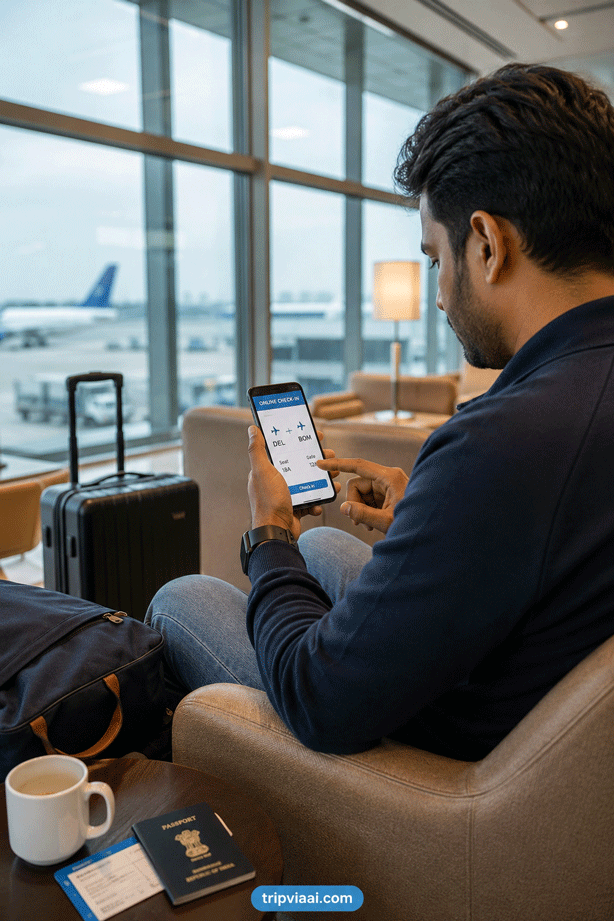
Online Flight Check-In Before Boarding – A Smart Airport Travel Habit
6. Packing Security-Restricted Items Incorrectly
Airport security delays often happen because travelers fail to understand screening requirements.
Liquids, electronics, batteries, sharp objects, and certain travel accessories may require special handling during security inspections.
Many travelers pack items correctly for convenience but incorrectly for security procedures. As a result, they spend extra time unpacking bags, answering questions, or undergoing additional screening.
Portable batteries are one of the most common examples. Many airlines require power banks to remain in carry-on luggage rather than checked baggage.
Frequent travelers often carry reliable charging solutions such as the Anker Prime Power Bank, which provides substantial backup power while remaining practical for travel.
Another useful travel habit is organizing electronics in dedicated compartments. This makes security inspections faster and reduces the chance of forgetting valuable items after screening.
For travelers who frequently carry technology, our Travel Gadgets That Actually Make Travel Easier guide covers practical gear that improves travel efficiency without adding unnecessary weight.
Understanding airport security requirements before departure can dramatically reduce stress and help you avoid avoidable airport screening delays.
7. Not Charging Your Devices Before Leaving for the Airport
Modern travel depends heavily on technology. Boarding passes, airline notifications, hotel reservations, ride-sharing apps, maps, and payment methods are often stored on a smartphone. Yet many travellers arrive at the airport with partially charged devices and assume they can charge them later.
Unfortunately, airport charging stations are not always available, and crowded terminals often mean long waits for power outlets. A low battery can quickly become a serious inconvenience when you need to access important travel information.
I once saw a traveller struggle to retrieve a mobile boarding pass because their phone battery died while waiting at the gate. What should have been a simple boarding process became unnecessarily stressful. Situations like this show how small airport mistakes can create unexpected problems during travel.
One of the smartest airport travel tips is charging all devices the night before departure and carrying a reliable backup power source. Products like the Anker Prime Power Bank help travellers stay connected during long travel days without constantly searching for charging stations.
Dead batteries contribute to many modern airport mistakes because travellers depend heavily on mobile devices for essential travel information. Avoiding this simple mistake helps reduce airport travel stress and keeps important travel information accessible throughout the journey.
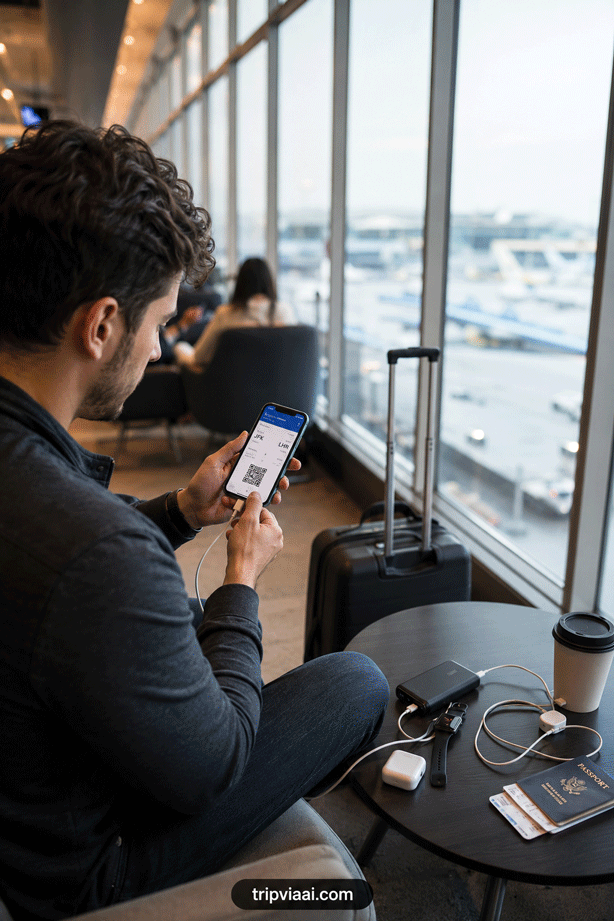
Charging Your Devices Before Boarding A Smart Airport Travel Habit
8. Wearing Clothing That Slows Down Security Screening
Many travellers unintentionally make airport security more difficult by wearing clothing and accessories that require extra inspection.
Large belts, excessive jewellery, complicated footwear, and bulky jackets often need to be removed during screening. While each item may only add a few seconds, these delays quickly add up when security lines are already crowded.
Comfortable travel clothing is not only about convenience during the flight. It also helps travellers move through security checkpoints more efficiently. Slip-on shoes, lightweight jackets, and minimal accessories can significantly simplify the screening process.
Experienced travellers often prepare their pockets, electronics, and liquids before reaching the security area. This small habit reduces stress and helps keep the line moving smoothly.
Many airport security mistakes happen because travellers wait until the last moment to organise their belongings. Preparing in advance can save time and make airport security far less frustrating.
9. Ignoring Boarding Time Until the Last Minute
Many travellers pay attention to departure time but forget that boarding usually begins much earlier.
A flight scheduled to depart at 2:00 PM may begin boarding at 1:20 PM or even earlier depending on the airline and aircraft size. Travellers who continue shopping, eating, or exploring the airport without monitoring boarding announcements sometimes find themselves rushing back to the gate.
Large airports make this problem even worse. A gate that seemed nearby earlier may require a lengthy walk when it is time to board.
One common airport mistake is assuming the airline will personally notify every passenger. While apps and announcements help, travellers should always monitor gate information themselves.
A useful habit is arriving near the gate at least 30 minutes before boarding begins. This provides enough time to handle unexpected gate changes and reduces the risk of missing important announcements.
If you want to avoid common travel-day problems, our 13 Travel Tricks That Make Your Journey Easy guide includes several practical habits used by experienced travellers.
10. Carrying Too Much Hand Luggage
Many travellers assume that bringing more items into the cabin will make travel easier. In reality, excessive hand luggage often creates unnecessary stress throughout the airport journey.
Large carry-on bags, shopping bags, backpacks, neck pillows, food containers, and personal items quickly become difficult to manage when moving through crowded terminals. Travellers often find themselves constantly rearranging bags, searching for documents, or struggling to find overhead bin space.
A smarter approach is to focus on essentials and keep frequently used items easily accessible.
👉 A practical carry-on strategy:
- Keep travel documents in one dedicated location.
- Store chargers and electronics in organised compartments.
- Carry only items needed during the flight.
- Avoid bringing unnecessary last-minute purchases onboard.
Many experienced travellers prefer organised bags such as the Nomatic Travel Pack because they reduce clutter and make airport navigation much easier.
One of the most overlooked airport travel mistakes is assuming that more luggage means more convenience. In most cases, lighter and better-organised carry-on luggage creates a far smoother airport experience. Reducing carry-on clutter is one of the easiest ways to avoid common airport mistakes.
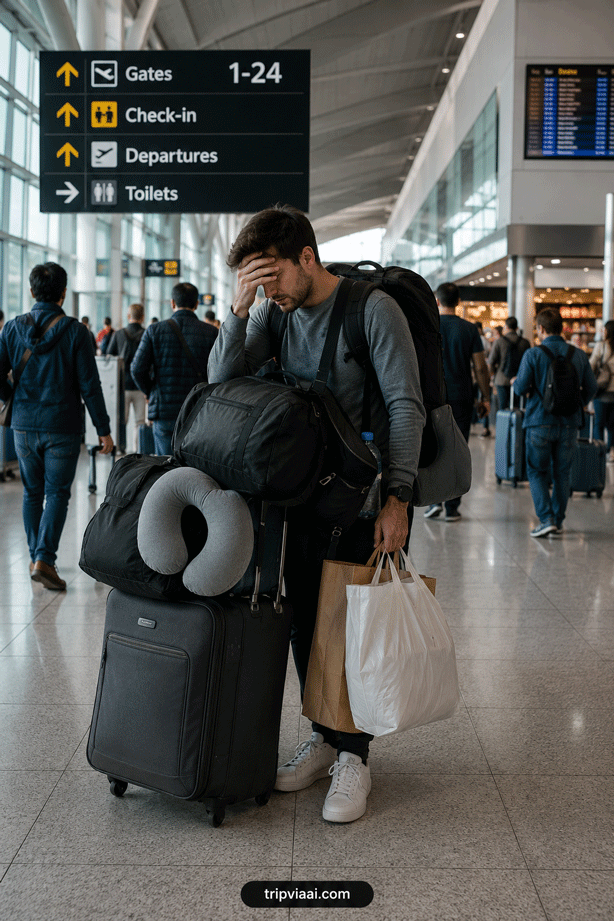
Carrying Too Much Hand Luggage The Airport Mistake That Slows You Down
11. Not Having a Backup Plan for Flight Delays
Flight delays are part of modern travel. Weather disruptions, technical inspections, crew scheduling issues, and air traffic congestion can affect even well-planned trips.
The mistake many travellers make is assuming everything will operate perfectly according to schedule. When delays happen, they become frustrated because they never considered alternative options.
I learned this during a connecting flight that was delayed by several hours due to severe weather. Travellers who had portable chargers, downloaded entertainment, snacks, and flexible plans remained calm. Others became increasingly stressed as the delay continued.
A simple backup plan can make a huge difference:
- Download entertainment before leaving home.
- Save hotel and transport details offline.
- Keep emergency contacts available.
- Carry a power bank for extended delays.
- Allow buffer time for important connections.
Many airport travel stress situations become far less frustrating when travellers prepare for possibilities instead of expecting perfection.
12. Relying Completely on Airport Wi-Fi
Airport Wi-Fi can be useful, but depending on it for everything is one of the most common airport mistakes travellers make.
Many travellers assume they will always have reliable internet access after arriving at the airport. Unfortunately, public Wi-Fi networks can be slow, overcrowded, restricted, or completely unavailable in some situations. When this happens, travellers suddenly lose access to boarding passes, hotel reservations, maps, transportation details, and other important information.
A much better approach is preparing essential travel information before leaving home. Downloading important files takes only a few minutes but can prevent significant travel stress later.
👉 Before heading to the airport, save:
- Boarding passes offline
- Hotel confirmation details
- Transportation reservations
- Passport and ID copies
- Important emergency contacts
Travellers who regularly fly internationally often carry a Portable WiFi Hotspot Device to maintain reliable connectivity throughout their journey. Others simply download everything they need before travel day.
This habit becomes especially important when visiting unfamiliar destinations where mobile coverage may be limited immediately after arrival.
If you’re planning your first major trip, our Beginner Friendly Travel Itinerary to Plan Your First Trip Easily guide explains how proper preparation can eliminate many common travel-day problems.
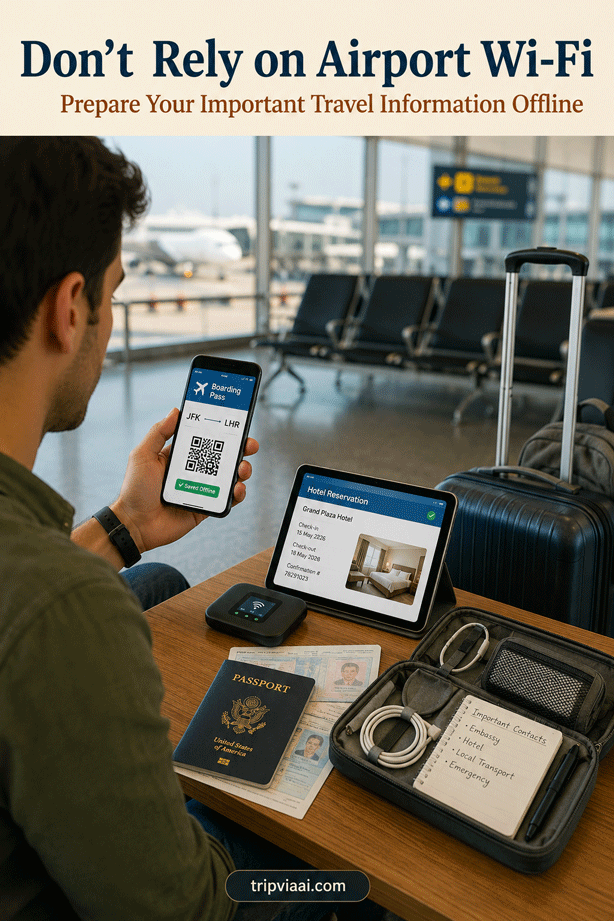
Don’t Rely on Airport Wi-Fi
Conclusion
Airport travel does not have to be stressful, expensive, or unpredictable. Most airport mistakes happen because travellers underestimate how many small details can affect the overall travel experience. Arriving too late, ignoring baggage policies, forgetting important documents, or relying entirely on airport Wi-Fi may seem like minor issues, but they can quickly lead to delays, frustration, and unnecessary costs.
The good news is that every mistake covered in this guide is preventable with a little preparation. By planning ahead, staying organised, and building smarter airport habits, travellers can move through check-in, security, and boarding with far less stress. These simple adjustments not only save time and money but also help create a more enjoyable start to every trip.
Whether you are a first-time flyer or an experienced traveller, avoiding these common airport mistakes can make future journeys smoother, more efficient, and far more comfortable. For more practical travel tips, detailed itineraries, travel gear recommendations, and smart travel strategies, visit tripviaai.com and explore our latest travel resources.
One comment