

 Posted by
 Introduction
Following practical smart travel tips can completely change how smooth, organized, and stress-free your trips feel. Modern travel is no longer just about choosing a destination and packing a suitcase. Every journey now involves dozens of small decisions that directly affect comfort, cost, and overall experience.
Some travelers move confidently through airports, hotels, and unfamiliar cities without problems, while others constantly deal with confusion, delays, and unnecessary stress.
The difference is rarely luck.
👉 It usually comes down to smarter habits and better preparation.
If you want smarter budget planning ideas before your next trip, you should also explore 15 Budget Travel Mistakes That Are Costing You Money.
Why Smart Travel Habits Matter
Following practical smart travel tips helps travelers reduce stress, avoid unnecessary problems, and make every trip feel smoother overall. Small habits like smarter planning, better organization, and efficient decision-making often improve travel experiences far more than expensive upgrades or luxury bookings.
Quick Summary Table
| Habit | Impact on Travel | Benefit |
|---|---|---|
| Planning ahead | Better decisions | High |
| Packing smart | Less stress | High |
| Tracking expenses | Budget control | High |
| Using tools | Efficiency | Medium |
| Flexible mindset | Better experience | High |
1. They Build a Travel System Before Every Trip
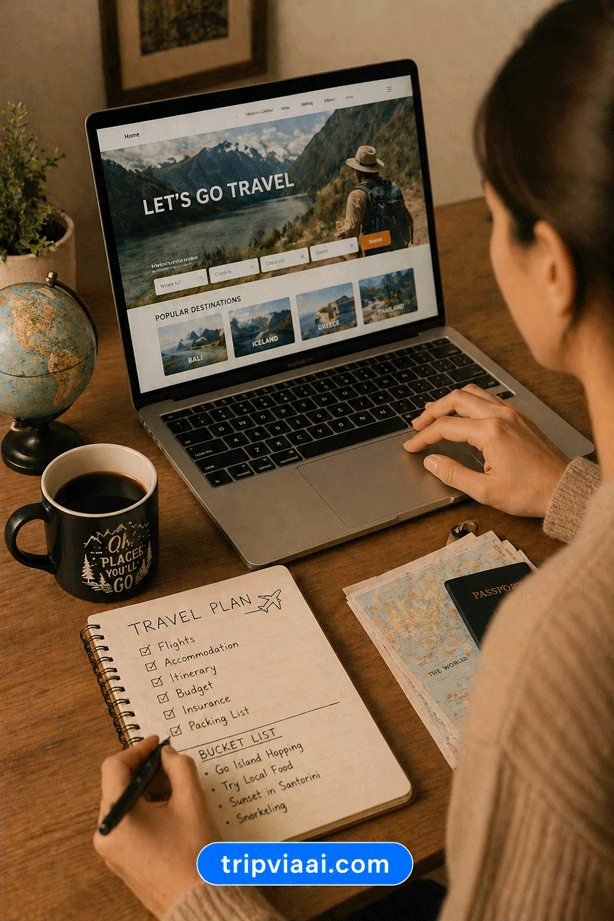
One of the most valuable smart travel tips experienced travelers follow is building a repeatable travel system before every trip. Instead of starting from scratch each time, they use the same planning framework that keeps everything organized and easy to manage.
This system may include travel documents, booking confirmations, packing lists, budget tracking, and itinerary planning. While it sounds simple, having a structured process reduces mistakes and saves a surprising amount of time before departure.
I started using a travel system after spending nearly an hour searching for a hotel confirmation email during a trip. Since then, I have kept all important travel information organized in one place, and travel preparation has become significantly easier.
Among all smart travel tips, this habit provides long-term benefits because the same system can be reused for every future trip. Instead of worrying about forgotten details, travelers can focus on the experience itself and start their journey feeling prepared rather than stressed.
Cozy travel planning workspace
2. They Compare Total Value, Not Just Price
One of the smartest habits experienced travelers develop is comparing total value instead of looking only at the lowest price. Many travelers automatically choose the cheapest option and later discover that it actually costs more after additional expenses are added.
For example, a cheaper hotel may require expensive transportation every day. A low-cost flight may include baggage fees, seat charges, and inconvenient schedules. Looking beyond the initial price often leads to better decisions.
Smart travelers ask:
- What is included?
- How much time will this save?
- Are there hidden costs?
- Will this improve the overall experience?
Travelers who focus on overall value instead of simply choosing the cheapest option can also explore 7 Smart Ways to Travel Cheap Without Sacrificing Comfort for additional money-saving strategies.
3. They Choose Convenience Over Small Savings
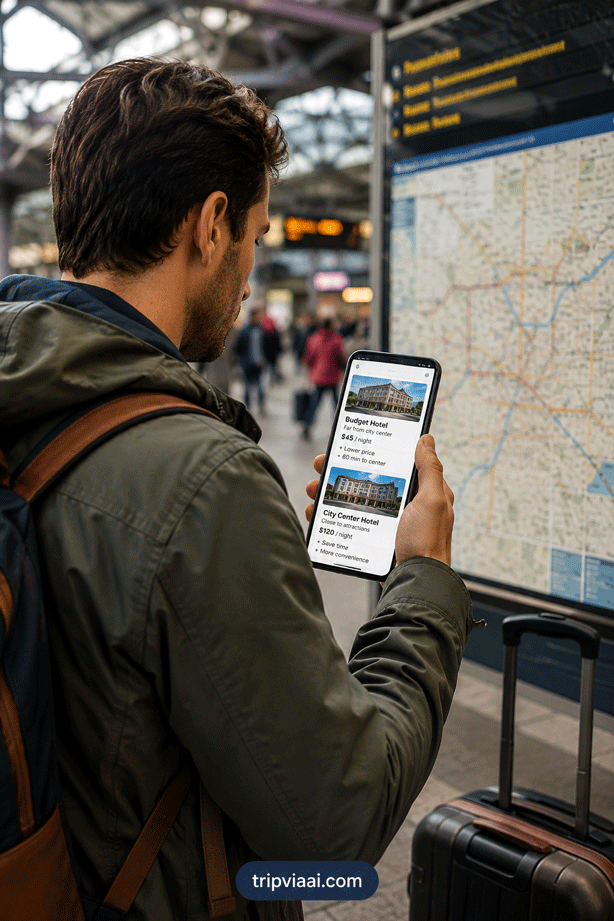
Saving money is important, but experienced travelers understand that not every saving is worth the inconvenience. Spending hours taking complicated transportation routes or choosing extremely inconvenient accommodations to save a few dollars can often reduce the quality of a trip.
I once booked a hotel far from the city center because it was cheaper. While I saved money on accommodation, I spent far more time and transportation costs commuting every day.
Smart travelers evaluate both cost and convenience before making decisions. They understand that travel time, comfort, and flexibility also have value.
Travelers who want affordable trips without sacrificing comfort can also explore 20 Cheap Travel Ideas That Still Feel Comfortable for practical planning ideas.
Smart Travel Value vs Convenience Decision
4. They Research Local Scams Before Arrival
One of the most practical smart travel tips is researching common local scams before arriving at a destination. Many travel problems are not caused by bad luck. They happen because travelers are unaware of common tricks that target tourists.
Experienced travelers spend a little time learning about local scams before departure because prevention is usually easier than dealing with problems during the trip. Depending on the destination, this may include fake taxi services, tourist trap restaurants, currency exchange scams, overpriced tours, or unofficial transportation providers.
I once met a traveler who paid several times the normal taxi fare simply because they did not know how local transportation worked. A few minutes of research could have prevented that mistake completely.
Among the most useful smart travel tips, this habit helps travelers save money, avoid unnecessary stress, and make better decisions throughout the trip. Being informed does not mean being suspicious of everyone. It simply means understanding the local travel environment before you arrive.ake better decisions and avoid unnecessary expenses during the trip.
5. They Keep Multiple Payment Methods Ready
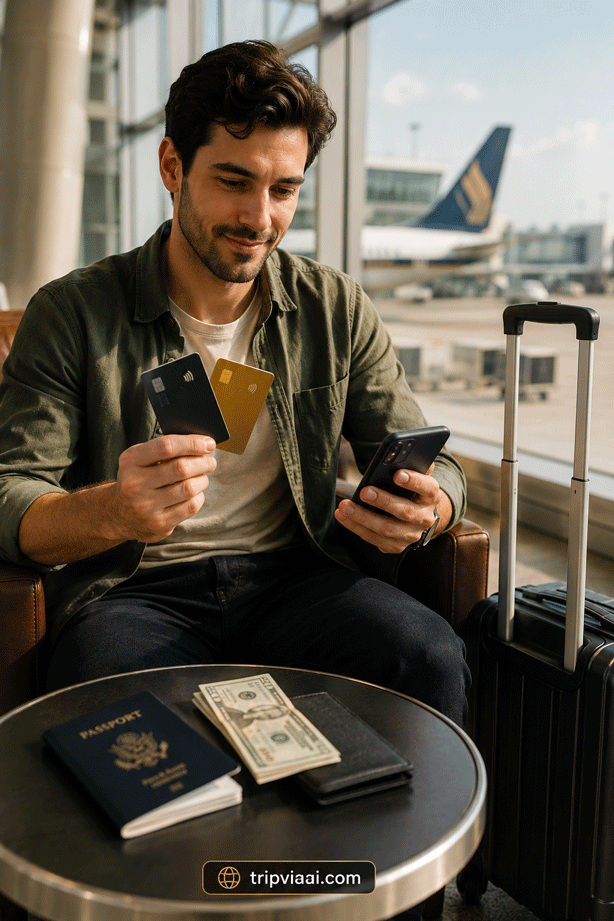
One of the simplest yet most valuable smart travel tips is keeping multiple payment methods available throughout a trip. Many travelers rely on a single card or payment option and assume everything will work perfectly. Unfortunately, travel does not always go according to plan.
Cards can be temporarily blocked, ATMs may not work, banks can flag international transactions, and technical issues occasionally happen when travelers need access to money the most. Experienced travelers prepare for these situations before they leave home.
I once experienced a payment issue while traveling internationally and could not use my primary card for several hours. Fortunately, I had a backup card available, which prevented a stressful situation from becoming a serious problem.
Among the most practical smart travel tips, having multiple payment options provides flexibility, security, and peace of mind. A combination of a primary card, backup card, emergency cash, and digital payment options can make travel much smoother when unexpected situations arise.
Multiple Payment Methods for Smart Travel
6. They Create Digital Travel Backups
Experienced travelers know that losing a document does not have to become a disaster. One of the smartest habits they follow is creating digital backups before every trip.
Important files such as passports, visas, flight confirmations, hotel reservations, travel insurance documents, and emergency contacts should be stored securely and easily accessible when needed.
A simple digital backup system can help travelers recover information quickly if physical documents are lost, damaged, or temporarily unavailable.
Useful items to back up include:
- Passport copy
- Visa documents
- Flight tickets
- Hotel bookings
- Travel insurance
- Emergency contact list
Travelers building a reliable backup system may also benefit from 12 Essential Travel Accessories That Save Space and Money before their next trip.
7. They Track Travel Costs Before Problems Start
One of the most practical smart travel tips is tracking travel expenses before they become a problem. Many travelers check their spending only after the budget has already been exceeded. Experienced travelers do the opposite. They monitor expenses throughout the trip so small costs never become major surprises.
A coffee here, a taxi there, and a few unplanned purchases may not seem significant individually, but together they can quickly affect the overall travel budget. What feels like a few small expenses each day can add up to a substantial amount by the end of the trip.
I learned this lesson during a city trip where I spent far more on transportation and snacks than expected. Since then, I have reviewed expenses regularly instead of waiting until the trip is over.
Among the most useful smart travel tips, expense tracking is not about restricting enjoyment. It is about maintaining awareness, making better spending decisions, and avoiding unnecessary financial stress later in the journey.
8. They Prepare For Travel Disruptions
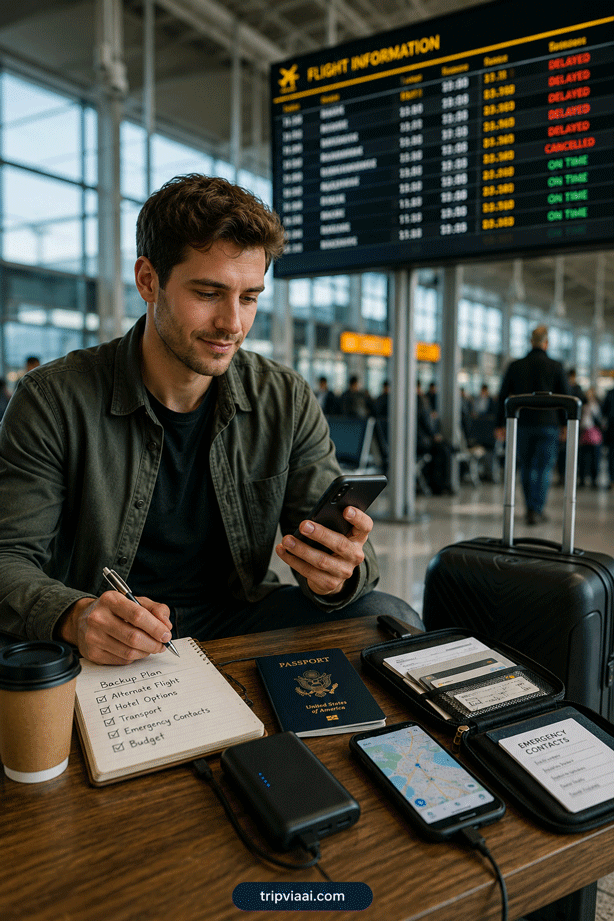
One of the most important smart travel tips is preparing for travel disruptions before they happen. Flights get delayed. Weather changes unexpectedly. Transportation systems experience problems. Hotel reservations occasionally go wrong.
Experienced travelers understand that disruptions are part of travel, so they prepare for them before they happen.
Instead of expecting a perfect trip, they create backup options and remain flexible when plans change.
A few smart preparations include:
- Keeping emergency contacts available
- Saving offline travel information
- Allowing extra time in schedules
- Having alternative transportation options
- Maintaining a small emergency budget
Among the most practical smart travel tips, this habit helps travelers stay calm when unexpected situations arise. The goal is not to avoid every disruption. The goal is to recover from them quickly when they occur.
Recommended Products
Travel Disruption Preparedness Scene
9. They Protect Their Energy, Not Just Their Budget
One of the most overlooked smart travel tips is energy management. Many travelers spend so much time trying to save money that they ignore physical and mental fatigue.
Smart travelers understand that energy is a valuable travel resource. They avoid overloading schedules, allow time for recovery, and recognize when slowing down creates a better experience.
I once planned a trip that looked efficient on paper but left me exhausted by the third day. Since then, I have focused more on pacing and less on squeezing every possible activity into the itinerary.
Among the most valuable smart travel tips, protecting your energy can have a bigger impact on a trip than saving a few extra dollars. When travelers stay rested and avoid burnout, they are able to enjoy destinations more fully and make better decisions throughout the journey.
The most memorable trips are rarely the busiest ones.
They are often the trips where travelers have enough energy to fully enjoy each experience.
10. They Focus on Meaningful Experiences Instead of Perfect Plans
Many travelers spend weeks creating perfect itineraries, only to discover that the best moments are usually the ones they never planned.
Experienced travelers focus less on perfection and more on meaningful experiences. They understand that a successful trip is not measured by the number of attractions visited but by the quality of the memories created.
Some of the most memorable travel experiences often come from:
- Local recommendations
- Unexpected discoveries
- Conversations with residents
- Hidden neighborhoods
- Unplanned moments
The goal is not to follow every detail of a schedule perfectly.
The goal is to return home with experiences worth remembering.

Meaningful Travel Experiences Beyond the Itinerary
Smart Traveler Habits vs Common Traveler Mistakes
| Common Traveler Mistakes | Smart Traveler Habits |
|---|---|
| Planning every trip from scratch | Following a proven travel system |
| Choosing the cheapest option without research | Comparing total value instead of just price |
| Sacrificing comfort to save a small amount of money | Prioritizing convenience when it improves the experience |
| Arriving without understanding local scams | Researching common scams before departure |
| Relying on a single payment method | Keeping multiple payment options available |
| Storing important documents in only one place | Creating secure digital travel backups |
| Tracking expenses after overspending | Monitoring travel costs throughout the trip |
| Expecting everything to go perfectly | Preparing for delays, cancellations, and disruptions |
| Protecting only the budget | Managing both energy and finances wisely |
| Obsessing over perfect itineraries | Focusing on meaningful travel experiences |
Quick Takeaway
The difference between average travelers and experienced travelers is rarely the destination. It is usually the preparation, decision-making, and habits they follow before and during the trip. Smart travelers focus on organization, flexibility, convenience, and meaningful experiences rather than chasing perfect plans. Small habits repeated consistently often create smoother, less stressful, and far more enjoyable travel experiences.
Frequently Asked Questions (FAQs)
1. What is the biggest habit that separates smart travelers from average travelers?
One of the biggest differences is preparation. Smart travelers usually follow systems, create backups, plan for disruptions, and make decisions based on value rather than convenience alone.
2. Why do experienced travelers carry multiple payment methods?
Multiple payment methods provide security during unexpected situations. If a card stops working, an ATM has issues, or a payment is declined, backup options help travelers avoid unnecessary stress.
3. How can travelers avoid common scams while visiting new destinations?
Researching common local scams before departure is one of the easiest ways to stay prepared. Understanding transportation scams, tourist traps, and payment fraud helps travelers make more informed decisions.
4. Why is energy management important during travel?
Many travelers focus only on saving money and forget about physical and mental fatigue. Protecting your energy through better pacing, rest, and realistic planning often leads to a more enjoyable travel experience.
5. Are perfect travel plans necessary for a successful trip?
No. Experienced travelers understand that unexpected situations are part of travel. Instead of chasing perfect itineraries, they focus on flexibility, preparation, and creating meaningful experiences throughout the journey.
Conclusion
Smart travel is not about making things complicated. It is about making better decisions with more clarity and awareness throughout the journey. Travelers who follow practical smart travel tips usually experience less stress, better organization, smoother movement, and far more enjoyable trips overall.
The biggest difference between average travelers and smart travelers is not money or experience.
👉 It is habits.
Simple habits like planning properly, staying organized, tracking spending, and remaining flexible can completely improve the quality of travel.
Once you begin applying smarter travel habits consistently, travel starts feeling easier, calmer, and much more rewarding overall.
For more beginner-friendly travel guides, visit tripviaai.com