
 Posted by
 Introduction
Can you bring medicine on a plane? It’s one of the most common questions travellers ask before booking a flight or packing their luggage. Whether you take prescription medication every day, carry insulin, use an inhaler, or simply want to pack pain relievers for your trip, understanding the rules before you travel can save time and prevent unnecessary stress at the airport.
The good news is that can you bring medicine on a plane has a simple answer for most travellers—yes. Airlines generally allow passengers to carry essential medicines in both carry-on and checked baggage. However, there are important rules regarding prescription medicines, liquid medication, medical devices, and international travel that every traveller should understand before arriving at airport security.
Knowing can you bring medicine on a plane before your departure also helps you avoid delays during security screening. Packing your medication correctly, carrying supporting documents when necessary, and understanding your destination’s regulations will make your journey smoother from check-in to arrival.
If you’re still preparing your cabin bag, our guide What Should You Pack in Your Carry-On Bag? A Complete Checklist for Every Traveller explains everything that should stay with you during your flight.
Can you bring medicine on a plane?
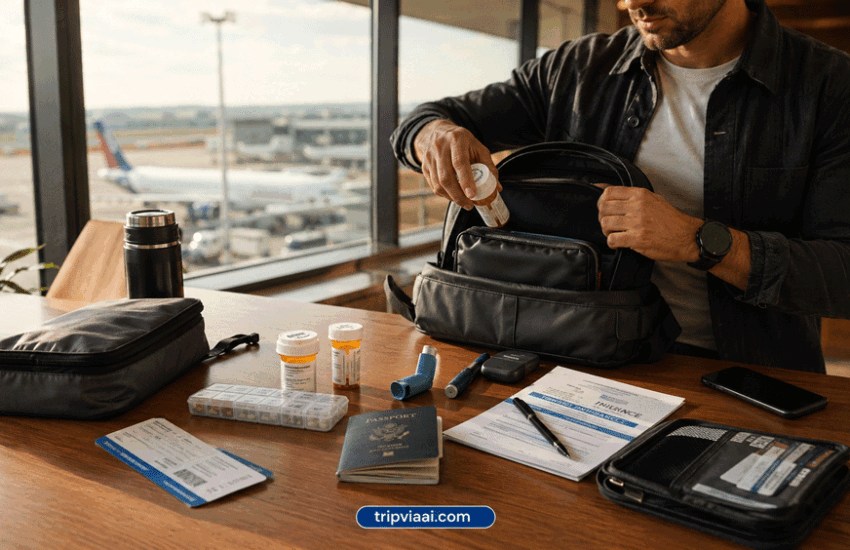
Yes. Can you bring medicine on a plane is one of the easiest travel questions to answer because most prescription medicines, over-the-counter medicines, inhalers, insulin, and essential medical supplies are permitted. Travellers should pack important medicines inside their carry-on bag, keep prescription medication in its original packaging whenever possible, and check destination regulations before travelling internationally.
Things Every Traveller Should Know Before Flying With Medicine
Can You Bring Medicine on a Plane?
The answer to can you bring medicine on a plane is yes. Most airlines allow travellers to carry prescription medication, over-the-counter medicines, vitamins, inhalers, insulin, and other essential medical supplies. Whether you’re taking a domestic flight or travelling abroad, carrying medicine is generally permitted when packed properly.
If you’re wondering can you bring medicine on a plane for daily medication, the safest option is to keep it inside your carry-on bag. This ensures your medicine stays with you throughout the journey, even if checked baggage is delayed or misplaced.
Travellers should also carry enough medicine for the entire trip, plus a few extra days’ supply in case flights are delayed. Keeping medicines organised and easily accessible makes airport security screening much quicker and less stressful.
Should You Keep Medicine in Your Carry-On or Checked Luggage?
After learning can you bring medicine on a plane, the next important question is where you should pack it. Travel experts almost always recommend carrying essential medicines in your carry-on bag rather than checked luggage.
Prescription medicines, asthma inhalers, insulin, allergy medication, heart medication, and other important drugs should remain with you throughout your journey. If your suitcase is delayed, lost, or arrives on another flight, you’ll still have immediate access to your medication.
Keeping medicines together inside a dedicated organiser also helps during airport security inspections. A BAGSMART Travel Toiletry Bag is an excellent choice because it keeps medicines, prescriptions, first-aid items, and toiletries neatly organised while fitting easily inside most cabin bags.
If you’re packing electronics too, read Can You Bring a Power Bank on a Plane? Airline Rules Explained (2026) to avoid common airport security mistakes.
Can You Bring Prescription Medicine on a Plane?
Many first-time travellers ask can you bring medicine on a plane when their medication has been prescribed by a doctor. Fortunately, prescription medicines are generally allowed on both domestic and international flights.
Keeping prescription medicines in their original pharmacy packaging makes airport security inspections much easier. The original label clearly identifies the medication and confirms that it has been prescribed for your personal use.
If you’re travelling internationally, it’s wise to carry a copy of your prescription or a doctor’s letter, particularly if your medication contains controlled substances or requires syringes or injectable equipment. Proper preparation makes travelling much easier and reduces the chance of delays during customs inspections.
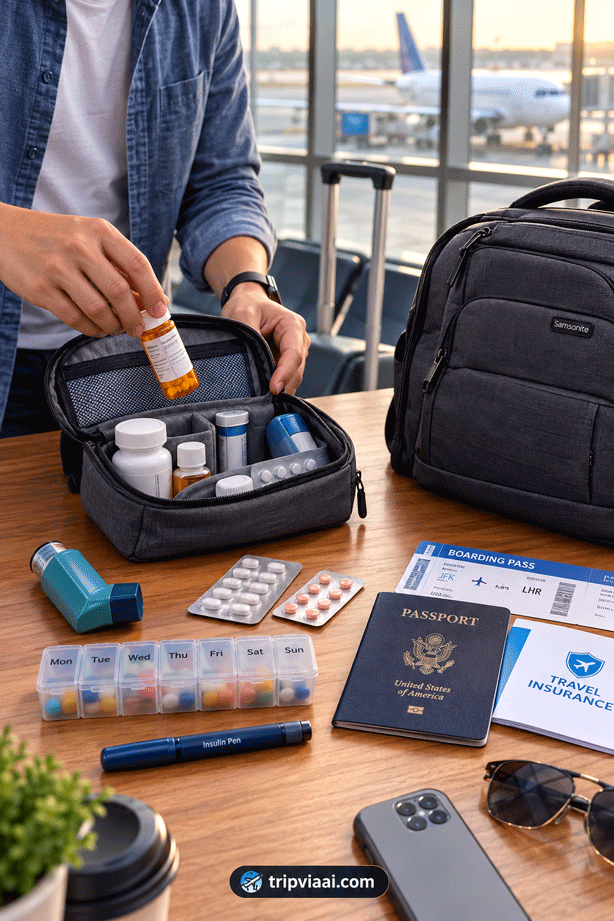
Traveller Packing Prescription Medicine Before a Flight
Can You Bring Liquid Medicine Through Airport Security?
Travellers often wonder can you bring medicine on a plane when carrying cough syrup, insulin, eye drops, or other liquid medication. The answer is yes. Essential liquid medicines are normally permitted, although airport security may carry out additional screening.
Unlike ordinary liquids, medically necessary liquid medicines are usually exempt from standard restrictions when genuinely required during travel. However, travellers should keep medicines in their original labelled containers and be prepared to present them separately if requested by security officers.
Understanding can you bring medicine on a plane before arriving at the airport allows you to organise your medication correctly and pass through security with greater confidence.
Should You Carry a Doctor’s Prescription While Travelling?
Although many domestic travellers will never be asked to show medical documents, carrying a prescription is always a good idea if you’re travelling internationally. Travellers who ask can you bring medicine on a plane should also understand that some countries have stricter medication regulations than others.
A doctor’s prescription helps explain why you need your medication and can make airport security or customs inspections much smoother. This is especially important for injectable medicines, controlled drugs, or specialised medical treatments.
Keeping both a printed prescription and a digital copy on your phone provides extra peace of mind during your journey.
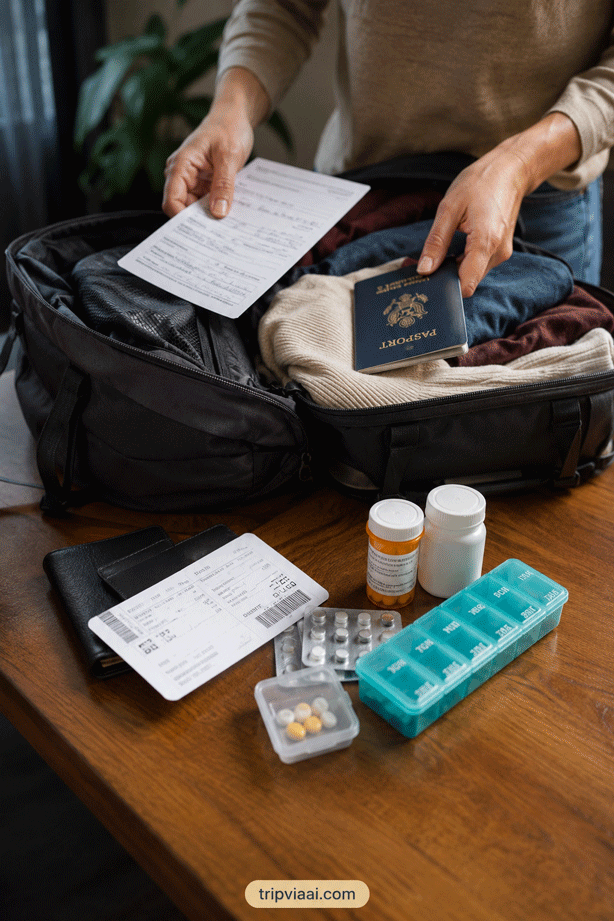
Traveller Organising Medical Documents for Airport Security
Can You Travel With Insulin, Inhalers, and Medical Devices?
Many travellers ask can you bring medicine on a plane because they need insulin, inhalers, EpiPens, CPAP machines, glucose monitors, or other essential medical devices during their journey. The answer is yes. Most airlines allow medically necessary equipment in your carry-on bag because you may need immediate access during the flight.
If you use insulin or other injectable medication, keep it in its original packaging whenever possible. Carry syringes, glucose testing equipment, cooling pouches, and related medical supplies together in one organised section of your carry-on luggage. Packing these items properly makes airport security inspections much quicker and helps protect your medication throughout the journey.
For travellers carrying larger medical equipment, check your airline’s policy before departure. Understanding can you bring medicine on a plane also includes knowing the requirements for battery-powered medical devices and portable oxygen equipment when applicable.
A Lewis N. Clark Travel Medicine Organizer is an excellent choice for keeping medicines, prescriptions, first-aid supplies, and medical accessories neatly organised throughout your trip.
What Medicines May Be Restricted in Some Countries?
Although can you bring medicine on a plane is usually answered with yes, international travel introduces another important consideration. Every country has different customs and medication regulations, and some medicines that are perfectly legal in one country may require approval or additional documentation in another.
Certain prescription painkillers, sleeping tablets, stimulant medications, or medicines containing controlled substances may require official permission before entering your destination. Before travelling, visit your destination country’s official government or customs website to confirm that your medication is permitted.
Carrying your prescription, doctor’s letter, and original medicine packaging can significantly reduce delays if customs officers ask questions after arrival.
If this is your first overseas trip, read The Ultimate Airport and Immigration Guide for First-Time International Travelers to understand what happens after airport security, immigration, and customs.
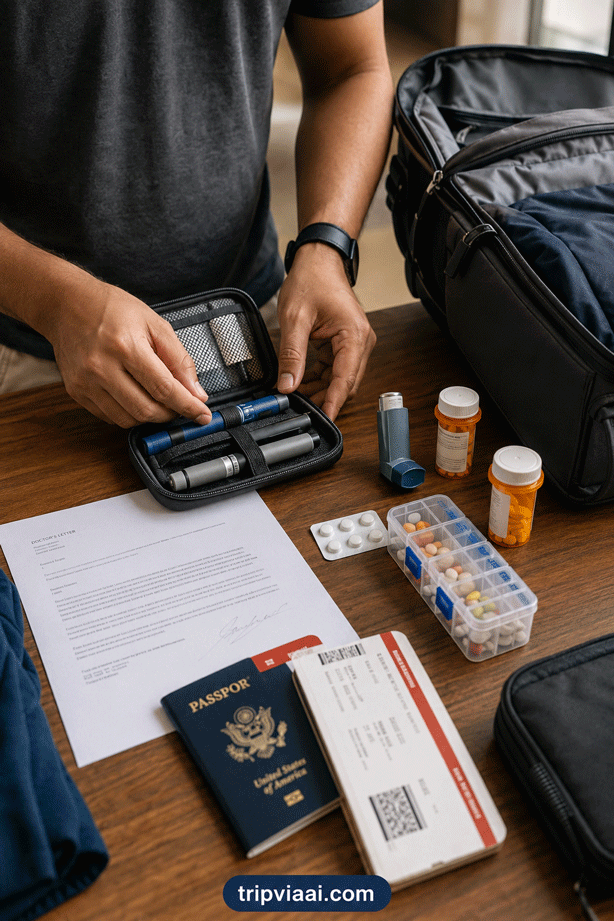
Traveller Packing Insulin and Medical Documents Before Flying
How Should You Pack Medicine for Air Travel?
Knowing can you bring medicine on a plane is only part of preparing for your journey. Packing your medication correctly helps prevent damage, speeds up airport security screening, and ensures you always have access to essential medicines.
Store all medicines together in one easily accessible compartment inside your carry-on bag. Keep liquid medicines upright whenever possible, avoid exposing medication to excessive heat, and always check expiry dates before travelling. If you carry multiple prescriptions, use a labelled organiser while keeping the original packaging available whenever possible.
An RFID Travel Wallet is also useful for storing prescriptions, travel insurance documents, emergency medical information, vaccination certificates, and identification in one secure place.
Travellers who organise their medication before leaving home usually experience a much smoother airport journey.
What Common Mistakes Should You Avoid When Flying With Medicine?
Even after learning can you bring medicine on a plane, many travellers still make avoidable mistakes. One of the biggest errors is placing important medication inside checked baggage. If your luggage is delayed or lost, you may not have access to medicines when you need them most.
Another mistake is removing medicines from their original packaging without carrying supporting documentation. Airport security officers can inspect medication more quickly when labels remain clearly visible. Travellers should also avoid carrying expired medication or unidentified tablets, particularly during international travel.
Finally, never assume that medication rules are identical everywhere. Researching destination regulations before departure can save significant time and prevent unnecessary complications.
Quick Medicine Checklist Before You Fly
Before leaving for the airport, take a few minutes to review your medication. Travellers asking can you bring medicine on a plane can avoid most problems simply by following a basic packing checklist.
Before You Fly
- ✔ Pack all essential medicines in your carry-on bag.
- ✔ Carry enough medicine for your entire trip plus several extra days.
- ✔ Keep prescription medicines in their original packaging.
- ✔ Carry a doctor’s prescription for controlled or injectable medication.
- ✔ Separate liquid medicines if security requests inspection.
- ✔ Check destination medication regulations before departure.
- ✔ Store medical documents in an easily accessible location.
Using Compression Packing Cubes can also help separate medicines from clothing, electronics, and toiletries, making your carry-on bag much easier to organise during travel.
What Should You Do If Airport Security Wants to Inspect Your Medicine?
Even after understanding can you bring medicine on a plane, some travellers become nervous if airport security officers ask to inspect their medication. In most cases, this is simply part of the normal screening process and does not mean there is a problem.
If you’re asked to present your medicine, remove it from your carry-on bag and keep it in its original packaging whenever possible. Prescription labels, doctor’s letters, and supporting medical documents can help officers verify that the medication is for personal use.
Travellers carrying liquid medicine, insulin, or injectable medication may also be asked a few routine questions. Staying calm, answering honestly, and keeping your medicines organised usually makes the inspection quick and straightforward.
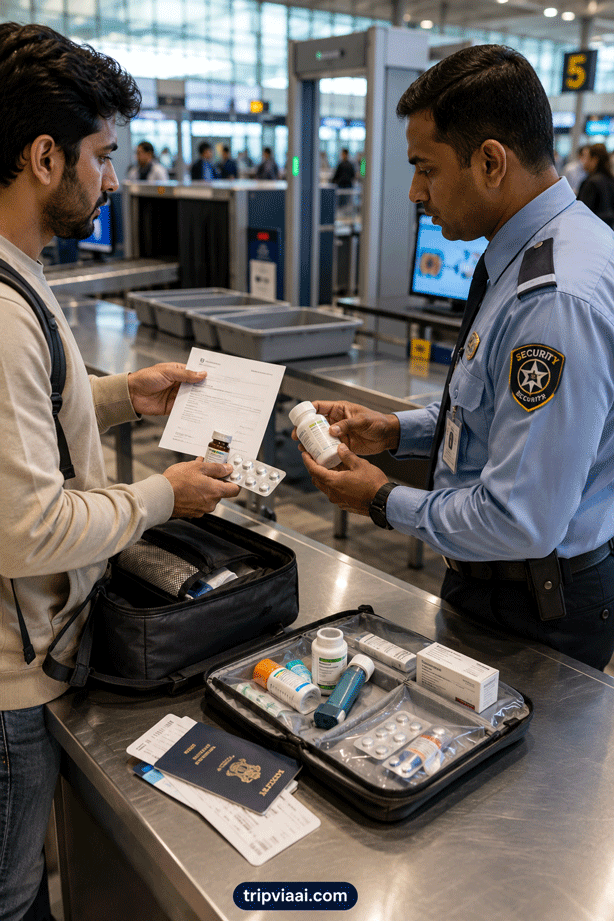
Airport Security Checking Medicine During Flight Screening
Can You Bring Over-the-Counter Medicine on a Plane?
Another common question after can you bring medicine on a plane is whether everyday medicines are also allowed. In most cases, the answer is yes. Pain relievers, allergy tablets, cold medicine, antacids, motion sickness tablets, vitamins, and similar over-the-counter medicines are generally permitted in both carry-on and checked baggage.
Although these medicines rarely require additional documentation, keeping them in their original packaging is still recommended. Clearly labelled medicines are easier for airport security officers to identify if an inspection is required.
Travellers taking multiple medicines should also organise them before arriving at the airport instead of packing them loosely inside their luggage.
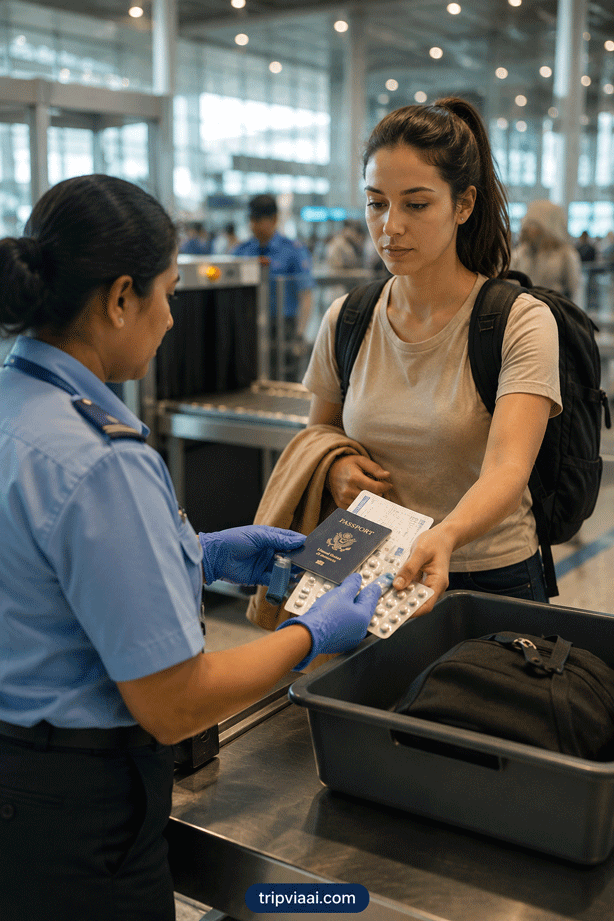
Traveller Showing Medicines at Airport Security
Can You Take Medicine on International Flights?
If you’re travelling overseas, can you bring medicine on a plane also depends on the regulations of your destination country. While airlines usually allow medicines during the flight, customs authorities may have additional import rules once you land.
Before travelling internationally, check official government guidance for your destination. Some countries restrict medicines containing narcotics, stimulants, or certain prescription ingredients.
Carry your prescription, doctor’s letter, and enough medicine for your trip plus a small emergency supply. Preparing in advance helps avoid delays and gives you greater confidence throughout your journey.
What Is the Best Way to Organise Medicine for Air Travel?
The easiest way to avoid travel problems is to organise your medication before leaving home. Travellers asking can you bring medicine on a plane should create a dedicated section inside their carry-on bag that contains medicines, prescriptions, insurance documents, and emergency contact information.
Avoid packing medicines loosely among clothing or electronics. Keeping everything together reduces stress during airport security screening and makes it much easier to find important medication during your flight.
If you’re choosing travel accessories, our guide How to Choose the Right Travel Gear for Any Trip explains how the right organisers can make every journey simpler and more efficient.
Final Travel Tips for Flying With Medicine
By now, the answer to can you bring medicine on a plane should be much clearer. Most medicines are allowed on flights, but careful preparation is the key to avoiding unnecessary delays and travelling with confidence.
Before every trip, double-check your prescriptions, pack enough medication, keep important medicines in your carry-on bag, and review the regulations of your destination country. Small preparation steps today can prevent major travel problems tomorrow.
For travellers looking for one carry-on bag that keeps medicines, electronics, travel documents, and clothing organised in one place, the Peak Design Travel Backpack 45L is an excellent premium option. Its expandable design, dedicated compartments, and durable construction make it ideal for frequent international travellers.
Frequently Asked Questions
Can you bring medicine on a plane in your carry-on bag?
Yes. Can you bring medicine on a plane in your carry-on? Absolutely. Airlines recommend keeping essential medication with you so it remains available throughout your journey.
Can you bring prescription medicine on a plane?
Yes. Prescription medicines are generally allowed. Keeping them in their original packaging and carrying your prescription makes travel easier.
Can you bring liquid medicine on a plane?
Yes. Essential liquid medicines are permitted, although airport security may carry out additional screening.
Do I need a doctor’s letter?
For domestic flights, it is often unnecessary. For international travel, controlled medication, or injectable medicines, carrying a doctor’s letter is strongly recommended.
Can you bring insulin and syringes on a plane?
Yes. Insulin, syringes, glucose monitors, and similar medical equipment are generally permitted when required for personal medical use.
What happens if airport security checks my medicine?
Security officers may inspect your medication or ask simple questions. Keeping medicines organised, labelled, and easily accessible usually makes the process fast and straightforward.
Conclusion
If you’ve been wondering can you bring medicine on a plane, the answer is yes for the vast majority of travellers. Whether you’re carrying prescription medication, over-the-counter medicines, insulin, inhalers, or other medical supplies, proper packing and preparation will help you pass through airport security with confidence.
Always keep essential medicines in your carry-on bag, carry supporting medical documents when appropriate, and check the regulations of your destination before travelling internationally. By following these simple steps, you’ll spend less time worrying about airport security and more time enjoying your journey.
For more practical travel advice, packing checklists, and beginner-friendly travel guides, explore more articles on TripViaAI.