
 Posted by
 Introduction
Travel tips that will change the way you travel are often the lessons people learn only after making costly mistakes or completing several trips. Many travelers believe better journeys come from visiting more places, but experienced travelers know that smarter habits make a much bigger difference than simply collecting more destinations.
I realized this during one of my early trips when I spent weeks planning attractions but very little time thinking about transportation, hotel location, daily energy levels, and backup plans. Although the trip was enjoyable, a few avoidable mistakes made it far more stressful than necessary. Since then, I have discovered that small practical changes can completely transform the way you travel.
If you are planning your first major trip, you may also find Beginner-Friendly Travel Itinerary to Plan Your First Trip Easily helpful because strong travel habits often begin with a well-balanced itinerary.
These travel lessons are not complicated. They are practical insights that many travellers only understand after several journeys, and they can dramatically improve the way you travel.
Travel Tips That Will Change the Way You Travel at a Glance
The most valuable travel lessons often come from experience. From choosing hotel locations more carefully to creating backup plans and managing energy levels, these practical insights can help travellers avoid common mistakes and enjoy smoother, more memorable trips. These travel tips that will change the way you travel help travellers make smarter decisions, reduce stress, and enjoy more meaningful trips.
Travel Tips That Will Change the Way You Travel Every Time You Take a Trip
1. Every Destination Needs a Different Travel Style
One of the first lessons experienced travellers learn is that no single travel strategy works everywhere. A city break, beach holiday, mountain adventure, and road trip all require different approaches. Yet many people continue planning every trip in exactly the same way.
A destination should influence everything from packing decisions to accommodation choices and daily schedules. For example, a fast-paced city destination may require efficient public transportation planning, while a coastal destination might focus more on relaxation and flexibility.
Many first-time travellers make the mistake of using identical travel habits regardless of where they are going. Over time, they realize that adapting to the destination creates a far smoother experience.
Among the most valuable travel tips that will change the way you travel, learning to customize your approach for each destination is one of the most important. The more closely your travel style matches the destination, the more enjoyable the trip becomes.
If you are planning your first proper trip soon, you should also read Beginner Friendly Travel Itinerary to Plan Your First Trip Easily for extra planning help before travelling. This is one of the first travel tips that will change the way you travel because it teaches travellers to adapt their planning to the destination rather than relying on the same habits every time.
2. Hotel Location Matters More Than Hotel Luxury
A beautiful hotel can still create a frustrating travel experience if it is located far away from the places you actually want to visit.
Many travellers spend hours comparing room features, photos, and amenities while paying very little attention to location. Unfortunately, a cheaper hotel often becomes less attractive when it requires long daily commutes and expensive transportation.
During a trip to Chicago, I once booked a hotel that seemed like a fantastic deal online. The room was modern, comfortable, and highly rated. The problem was that it was located nearly an hour from most of the attractions on my itinerary. By the end of the trip, transportation costs and wasted time had erased most of the savings.
Experienced travellers eventually realize that convenience is often more valuable than luxury. Being able to walk to restaurants, attractions, and transportation hubs improves nearly every part of the trip.
This is one of those travel tips that will change the way you travel because it influences your experience every single day of the journey.
3. Transportation Planning Starts Before Booking Hotels
Many people choose accommodation first and think about transportation later. Experienced travellers often reverse that process.
Before booking any hotel, spend time understanding how transportation works at the destination. Research airport connections, train stations, bus routes, ride-sharing availability, and walkability. These details have a direct impact on how easily you can move around during the trip.
A slightly more expensive hotel near a transportation hub often provides better overall value than a cheaper property located in an inconvenient area.
Travellers who learn this lesson early often save both money and time. Instead of spending every day navigating complicated routes, they enjoy easier access to attractions and local experiences.
Planning transportation first may not seem exciting, but it is one of those practical travel tips that will change the way you travel because it removes many common frustrations before the trip even begins.
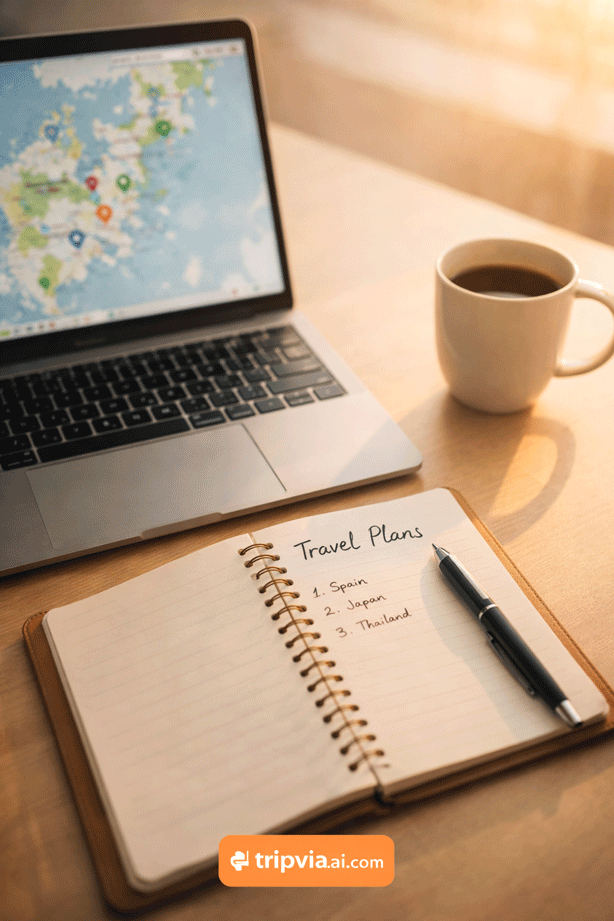
Travel Planning Setup
4. Arrival Days Should Never Be Fully Scheduled
Many first-time travellers make the mistake of treating arrival days like normal sightseeing days. They land at the airport and immediately begin following an ambitious itinerary packed with attractions and activities.
The reality is very different.
Flights, airport procedures, transportation delays, and check-in processes often consume far more time and energy than expected. Even when everything goes smoothly, most people arrive feeling tired and mentally drained.
One lesson many experienced travellers learn is to keep arrival days flexible. Use the time to settle into the accommodation, explore nearby streets, find restaurants, and become familiar with the area.
A slower first day creates a better start to the trip and reduces the risk of burnout. You may feel like you are doing less, but you are actually setting yourself up to enjoy the rest of the journey much more.
Sometimes the smartest travel decision is simply giving yourself permission to slow down.
5. Travel Costs Are More Than Flight Prices
Many travellers focus heavily on finding cheap flights while overlooking the dozens of smaller expenses that shape the overall budget.
Flights are important, but they are rarely the only major travel cost. Transportation, accommodation, food, attraction tickets, airport transfers, luggage fees, and unexpected purchases can quickly add up.
A destination that initially appears affordable may become surprisingly expensive once all the hidden costs are included. Experienced travellers learn to evaluate the complete picture before making decisions.
Creating a realistic budget helps avoid unpleasant surprises later. Instead of planning around the cheapest flight, focus on the total expected cost of the trip.
This lesson often changes the way people approach travel planning because it encourages smarter financial decisions rather than simply chasing the lowest airfare available. Understanding total travel costs is one of the most practical travel tips that will change the way you travel because it helps create realistic budgets.
6. Always Have a Backup Plan Before You Travel
No matter how carefully you plan, travel rarely goes exactly as expected. Flights get delayed, weather changes suddenly, attractions close unexpectedly, and transportation systems occasionally experience disruptions.
New travellers often see these situations as disasters. Experienced travellers usually see them as normal parts of travel.
The difference is preparation.
Having a backup transportation option, alternative attraction, or secondary accommodation plan can dramatically reduce stress when something changes. You do not need dozens of contingency plans, but having a few alternatives available creates peace of mind.
One of the most useful lessons I have learned is that flexibility often matters more than perfection. Trips become far less stressful when you accept that adjustments may be necessary along the way.
Many of the best travel tips that will change the way you travel are not about preventing problems. They are about handling them calmly when they appear.
Recommended Travel Essentials
Travellers who want a more organized planning process often find these premium travel accessories particularly useful:
These products help keep travel documents organized and simplify packing, making pre-trip preparation much easier.
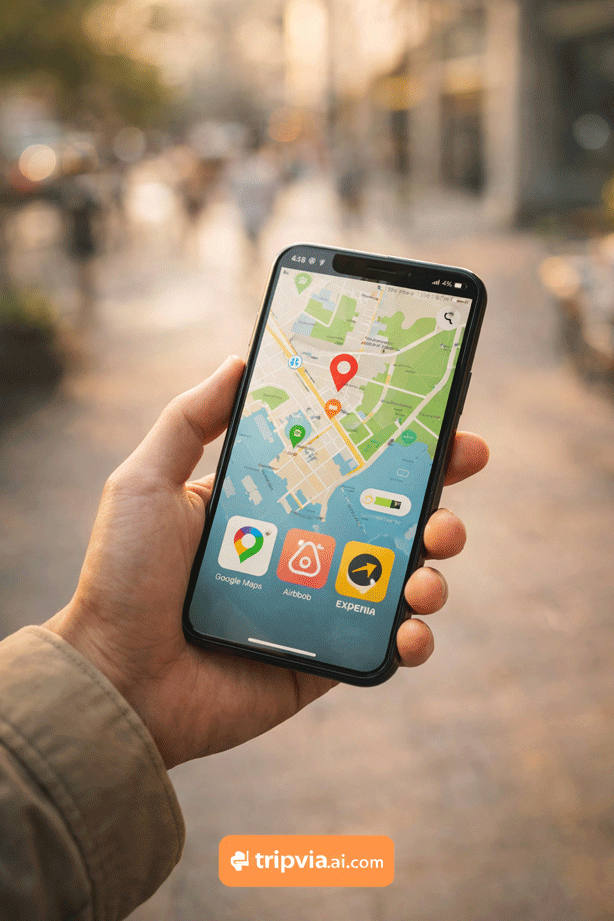
Travel Apps Usage
7. The Best Memories Are Rarely Planned
One of the biggest surprises many travellers experience is that their favorite travel memories often have nothing to do with the attractions they spent weeks researching.
A hidden café discovered while wandering through a side street. A conversation with a local resident. A sunset viewpoint you accidentally found while taking the wrong turn. These moments rarely appear on travel itineraries, yet they often become the stories people remember for years.
When travellers plan every hour of every day, they leave very little room for these unexpected experiences. A packed schedule may look productive on paper, but it can prevent spontaneous opportunities from happening naturally.
Experienced travellers eventually learn that some of the most valuable experiences cannot be scheduled. They happen when there is enough flexibility to explore, observe, and follow curiosity instead of constantly watching the clock.
Among the most powerful travel tips that will change the way you travel, learning to leave space for the unexpected may be the one that creates the most memorable journeys.
8. Slower Travel Creates Better Experiences
Many first-time travellers believe they need to see everything. As a result, they rush from attraction to attraction, trying to maximize every minute of the trip.
After several journeys, most people discover the opposite approach works better.
Slower travel allows you to enjoy destinations instead of simply checking locations off a list. Instead of visiting ten attractions in one day, spending meaningful time at two or three places often creates a much richer experience.
I once planned an ambitious weekend trip with nearly every hour scheduled. By the second day, I was exhausted and realized I remembered very little about the places I had visited. Since then, I have intentionally reduced the number of activities I schedule each day.
Interestingly, travellers who follow 3 Day Travel Itinerary for Beginners That Makes Travel Easy often notice that balanced itineraries feel far more enjoyable than overloaded schedules.
Sometimes doing less allows you to experience more. Many experienced travellers consider this one of the most valuable travel tips that will change the way you travel because slower travel often creates deeper experiences.
9. Local Neighborhoods Often Beat Tourist Areas
Popular tourist districts receive most of the attention, but experienced travellers often discover that local neighborhoods provide the most authentic experiences.
Tourist areas certainly have advantages. They are convenient, easy to navigate, and filled with attractions. However, they can also be crowded, expensive, and heavily commercialized.
Local neighborhoods often tell a different story. Smaller cafés, family-owned restaurants, community markets, and quieter streets provide a glimpse into everyday life that many visitors never see.
During a trip to New York, some of my favorite moments came from exploring residential neighborhoods rather than visiting famous attractions. The atmosphere felt more relaxed, the food was often better, and the experience felt far more personal.
This lesson teaches travellers that destinations are more than landmarks. They are living communities with stories, culture, and everyday experiences worth exploring beyond the main tourist zones.

Smart Stay Location
10. Small Daily Habits Can Transform Every Trip
Travellers often focus on major decisions such as flights and hotels while overlooking the small habits that influence the trip every single day.
Simple routines can have a surprisingly large impact. Staying hydrated, organizing documents each evening, charging devices overnight, and reviewing the next day’s plans before bed all contribute to a smoother travel experience.
These habits may seem insignificant individually, but together they reduce stress and eliminate many common travel frustrations.
Experienced travellers understand that successful trips are often built on consistency rather than complexity. A few good daily habits create a sense of control and organization that makes travel feel easier and more enjoyable.
Many of the best travel tips that will change the way you travel are not dramatic changes. They are small improvements repeated consistently throughout the journey. These small routines become travel tips that will change the way you travel because they improve every day of the journey.
11. Energy Management Is More Important Than Productivity
One lesson that surprises many travellers is that managing energy matters far more than maximizing productivity.
Travel is physically and mentally demanding. Long walks, transportation schedules, unfamiliar environments, and constant decision-making require more energy than most people expect.
Unfortunately, many travellers try to treat vacations like productivity challenges. They attempt to visit every attraction, attend every activity, and fill every available hour.
The result is often exhaustion.
Experienced travellers learn to balance activity with recovery. They schedule breaks, enjoy slower mornings, and allow time for relaxation between busy sightseeing sessions.
Travellers following 7 Day Travel Itinerary for Beginners That Makes Travel Easy often discover that balanced schedules create far more enjoyable experiences than overly ambitious plans.
A trip should leave you feeling refreshed, not completely exhausted. Learning to manage energy instead of chasing productivity is one of those travel tips that will change the way you travel for years to come.

Early Morning Travel
12. Travel Flexibility Creates Better Opportunities
Some travellers become so focused on following their itinerary that they miss opportunities unfolding right in front of them.
Weather changes. Locals make recommendations. Unexpected events appear. New opportunities emerge throughout almost every journey.
The ability to adapt often determines whether these moments become memorable experiences or missed opportunities.
Flexibility does not mean abandoning planning altogether. It means creating enough breathing room to adjust when something better appears.
Many experienced travellers intentionally avoid filling every hour because they know flexibility creates possibilities. A local food festival, scenic viewpoint, or cultural event may never have appeared in the original itinerary, yet it could easily become the highlight of the trip.
The more travel experience people gain, the more they realize that flexibility is not a weakness in planning. It is one of its greatest strengths.
13. Offline Access Solves More Problems Than You Expect
Modern travel depends heavily on smartphones, apps, and internet access. Flights, hotel reservations, train tickets, maps, and attraction bookings are often stored digitally. While this is incredibly convenient, experienced travellers learn that technology does not always cooperate when needed most.
Weak airport Wi-Fi, international roaming issues, app failures, or a dead phone battery can suddenly leave important information inaccessible. That is why one of the smartest travel systems is preparing offline backups before departure.
Save screenshots of hotel bookings, boarding passes, transportation confirmations, important addresses, and emergency information. Download offline maps for the destination as well.
This simple habit requires only a few minutes before the trip, yet it can prevent hours of frustration later. Many travellers only appreciate the value of offline access after experiencing a situation where internet connectivity unexpectedly disappears.
Among all travel tips that will change the way you travel, this is one of the easiest to implement and one of the most valuable during unexpected situations.
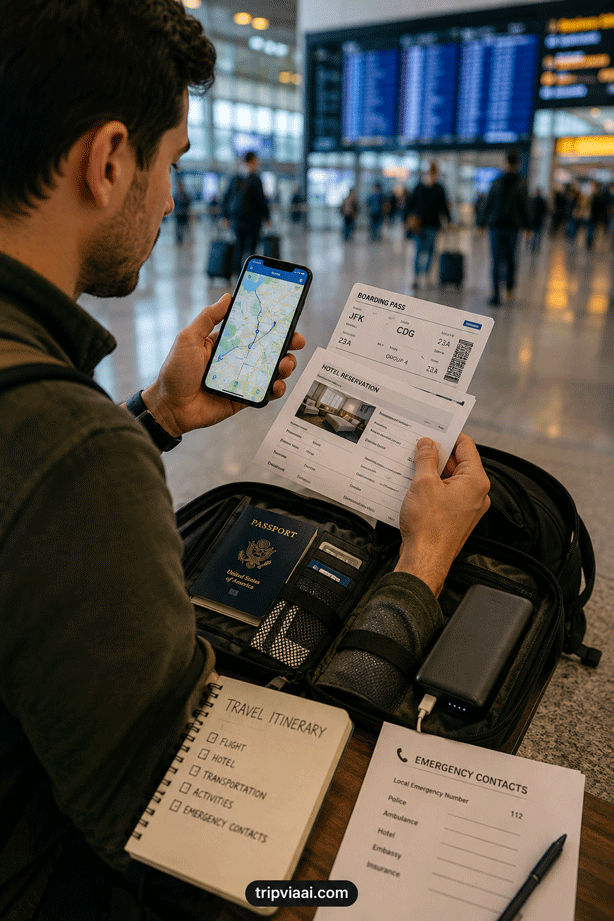
Offline Access Travel Tips Why Smart Travelers Always Prepare Backup Copies
14. Travel Documents Need Multiple Backups
Most travellers understand that passports and travel documents are important. What many people learn after several trips is that having only one copy of those documents creates unnecessary risk.
A lost bag, stolen wallet, damaged phone, or misplaced document can quickly turn a great trip into a stressful experience. Creating multiple backups provides an extra layer of protection and peace of mind.
A simple document backup system should include:
- Physical copies stored separately from originals
- Digital copies saved securely in cloud storage
- Offline copies available on your phone
I met a traveller in Europe who misplaced a passport during a train journey. Fortunately, they had digital copies and identification backups available. The situation was still stressful, but having those documents significantly simplified the process of getting assistance.
Experienced travellers rarely rely on a single copy of anything important. Redundancy may seem unnecessary until the moment it becomes incredibly valuable. Document backups remain one of the most overlooked travel tips that will change the way you travel and improve travel security.
15. A Reusable Travel Checklist Saves Time
Many travellers start every trip with the same question: “What am I forgetting?”
The answer is usually something different each time.
After several journeys, experienced travellers often stop creating new packing lists and instead develop a reusable travel checklist that improves over time. Every trip becomes an opportunity to refine the system by adding forgotten items and removing things that were never used.
This approach transforms packing from a stressful task into a predictable process. Instead of relying on memory, you rely on a system that has already been tested repeatedly.
The checklist does not need to be complicated. It simply needs to reflect your travel habits and priorities. Over time, it becomes one of the most useful travel tools you own.
Many people assume experienced travellers remember everything naturally. In reality, most experienced travellers simply build systems that prevent important things from being forgotten. A reusable checklist remains one of the most practical travel tips that will change the way you travel because it saves time before every trip.
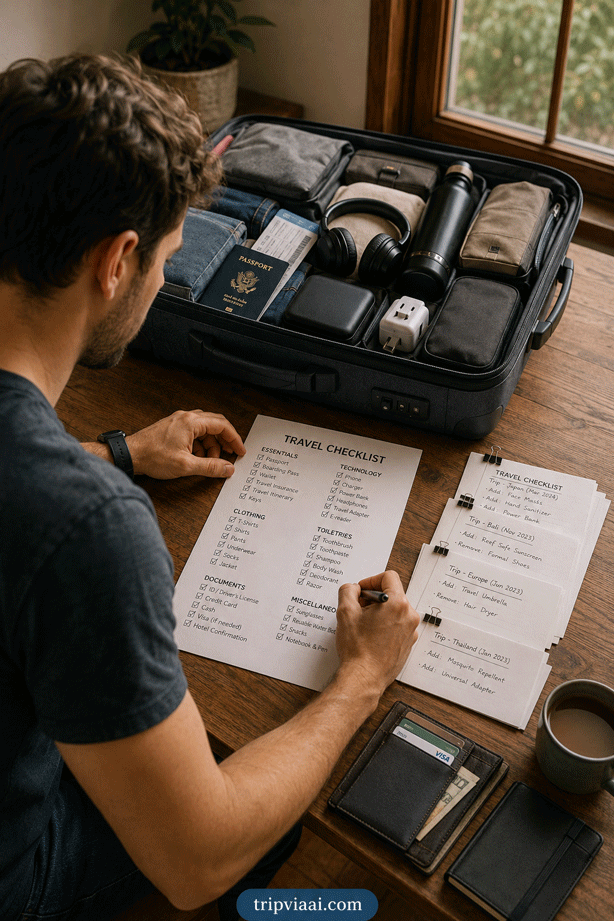
Reusable Travel Checklist Saves Time
16. Travel Buffer Funds Prevent Panic
Unexpected expenses are almost guaranteed to appear during travel. Flights get delayed, weather changes plans, transportation costs increase, or opportunities arise that were not included in the original budget.
A travel buffer fund exists for exactly these situations.
Instead of budgeting only for expected expenses, experienced travellers set aside additional money specifically for surprises. The goal is not to spend it. The goal is to know it is available if needed.
I learned this lesson during a trip when severe weather forced transportation changes that added several unplanned expenses. Because I had a small buffer fund available, the situation remained an inconvenience rather than a financial crisis.
Travellers planning larger international journeys such as 7 Day Dubai Itinerary for First-Time Travelers (Easy & Budget Friendly) often benefit from this approach because unexpected costs can appear even on well-planned trips.
Financial flexibility creates confidence, and confidence makes travel significantly less stressful.
17. Organization Reduces Travel Friction
Many travel frustrations come from small organizational problems rather than major issues. Searching for boarding passes, digging through luggage for chargers, or repeatedly checking where important items are stored may seem minor, but these interruptions add up throughout a trip.
Experienced travellers develop simple organizational systems that reduce daily friction. They know where documents are stored, keep electronics organized, and maintain dedicated spaces for essential items.
Good organization creates several advantages:
- Faster airport and hotel transitions
- Less stress during busy travel days
- Fewer misplaced items
- More time enjoying the destination
The goal is not perfection. The goal is reducing unnecessary effort.
Many travellers spend years looking for complicated solutions while ignoring simple organizational habits that would immediately improve their travel experience. Often the easiest improvements provide the biggest benefits.
18.Collect Memories, Not Just Perfect Photos
Social media has encouraged many travellers to chase perfect photos instead of meaningful experiences. Beautiful pictures are wonderful souvenirs, but they should never become the primary purpose of the trip.
After several journeys, many people realize that their favorite memories often have little to do with photography. They remember conversations, discoveries, unexpected adventures, and moments that never appeared on camera.
Some of the most meaningful travel experiences happen when you stop looking through a screen and become fully present in the destination.
This does not mean you should stop taking photos. It simply means photos should support the experience rather than replace it.
Perhaps the most important lesson of all is that travel is ultimately about what you feel, learn, and remember. Long after perfect pictures are forgotten, genuine experiences remain. Many experienced travellers consider this one of the most meaningful travel tips that will change the way you travel because it prioritizes experiences over appearances.
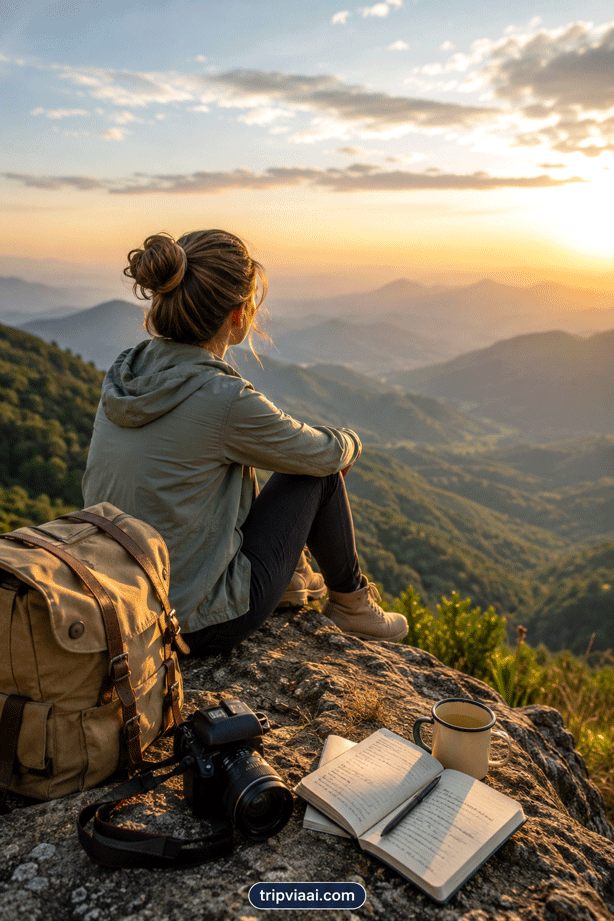
Collect Memories, Not Photos
Conclusion
The best travel tips that will change the way you travel are not complicated shortcuts or expensive upgrades. They are simple habits developed through real travel experience. Choosing the right hotel location, planning transportation in advance, managing your energy, staying flexible, and preparing for unexpected situations can completely transform every journey.
Whether you are planning your first vacation or have already explored many destinations, applying these travel tips that will change the way you travel will help you avoid common mistakes, save time, reduce stress, and enjoy every trip with greater confidence. Start using even a few of these lessons on your next journey, and you’ll quickly notice how much smoother and more enjoyable travel becomes.
Every trip teaches something new, but you don’t have to learn every lesson the hard way. Let these practical travel insights guide your planning, improve your decisions, and help you create more meaningful travel experiences for years to come.