
 Posted by
 Introduction
Planning your first trip feels exciting, but it can also become confusing very quickly. Many beginners struggle with choosing destinations, booking hotels, managing budgets, and avoiding common travel mistakes during the journey.
I learned early that travel becomes much easier when you stop trying to plan everything perfectly. Simple decisions like choosing beginner-friendly destinations, packing lighter, and keeping flexible schedules can completely change the travel experience.
A smart travel guide for beginners is not about expensive luxury trips. It is about traveling comfortably, staying organized, and avoiding unnecessary stress while enjoying the journey properly.
If you are planning your first trip soon, you should also read 11 Step Travel Guide for First-Time Travelers (Simple & Stress-Free) for more beginner-friendly travel planning ideas.
Quick Summary Table
| Travel Guide Tip | Main Benefit |
|---|---|
| Choose the Right Destination | Easier first trip |
| Set a Travel Budget | Better spending control |
| Plan Step by Step | Less confusion |
| Book Smartly | Save time and money |
| Pack Light | Easier travel |
| Create a Simple Itinerary | Less stress |
| Use Location-Based Planning | Better efficiency |
| Track Daily Spending | Budget control |
| Stay Safe and Aware | More confidence |
| Focus on Experience | More enjoyable travel |
Best Travel Guide for Beginners
The best travel guide for beginners focuses on simple planning, smart budgeting, light packing, flexible schedules, and beginner-friendly destinations. New travelers should avoid overplanning, start with shorter trips, book transportation early, and keep extra time for unexpected situations. Smart preparation makes travel easier, safer, and far less stressful for first-time travelers.
1. Choose the Right Destination (Keep It Simple)
Your destination can completely shape your first travel experience. Many beginners choose places based only on social media trends, viral videos, or famous tourist spots without thinking about how easy the destination actually feels for first-time travelers.
A smart travel guide for beginners should always focus on places that are easy to reach, safe, budget-friendly, and simple to navigate. Complicated transportation, multiple transfers, or confusing local systems can quickly turn an exciting trip into a stressful experience.
For example, many first-time travelers choose destinations that look beautiful online but later realize they spend most of the trip figuring out transportation instead of enjoying the journey itself.
That is why your first trip should feel simple, comfortable, and manageable instead of overly complicated.
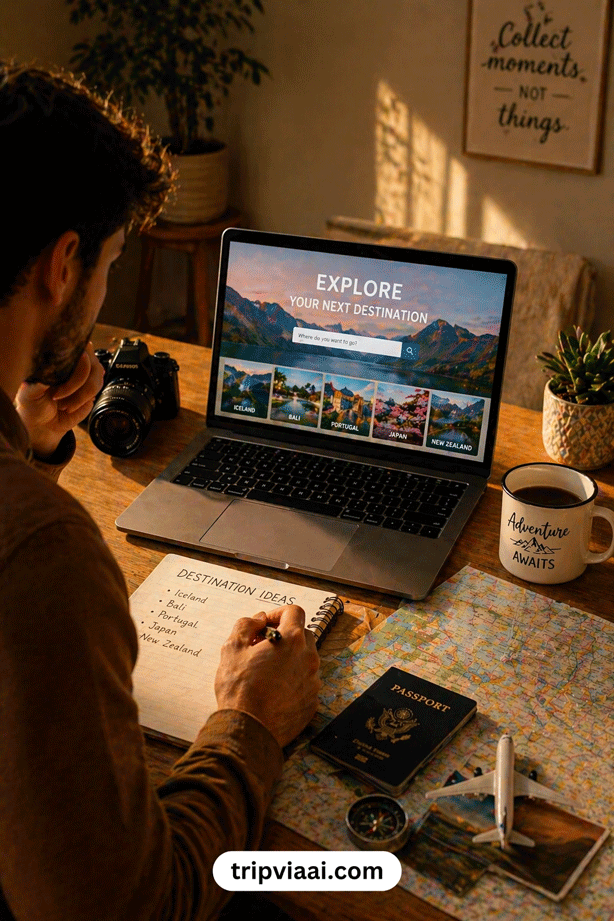
Destination Planning
2. Set a Clear Travel Budget (So You Stay in Control)
Many beginners either overspend too quickly or feel stressed about money throughout the trip. Most of the time, both problems happen because there is no clear budget plan before travelling.
A smart travel guide for beginners should always include simple budget planning. Dividing your money into categories like transportation, accommodation, food, and activities makes travel much easier to manage because you already understand where your spending is going.
For example, many first-time travelers spend heavily during the first few days without realizing how quickly small expenses add up. Later, they are forced to skip experiences or constantly worry about the remaining budget during the trip.
That is why a clear travel budget is so important. It does not restrict your journey. Instead, it helps protect your overall travel experience and keeps the trip far less stressful.
3. Plan Your Trip Step by Step (Avoid Information Overload)
Many beginners think good travel planning means collecting huge amounts of information. They open dozens of tabs, save too many locations, and keep changing plans until the entire trip starts feeling confusing instead of exciting.
A smart travel guide for beginners should focus on clarity, not complexity.
The easiest approach is keeping your planning simple:
- choose your destination
- decide your travel dates
- book transportation
- reserve your accommodation
- create a basic itinerary
That is usually enough for most beginner trips.
You do not need complicated spreadsheets or hour-by-hour schedules. A simple and organized plan often works much better because it reduces stress while giving you enough flexibility to actually enjoy the journey.
4. Book Flights and Hotels Smartly (Not Just Cheaply)
Many beginners focus only on finding the cheapest hotel possible without thinking about how location affects the overall travel experience. A lower hotel price may look attractive initially, but long daily travel time can quickly become exhausting during the trip.
A smart travel guide for beginners should always consider location, reviews, accessibility, and overall convenience before booking accommodation.
For example, staying far away from the city center may save some money on the hotel itself, but you often lose extra time and energy traveling back and forth every day. Many travelers later realize they spend more on taxis and transportation than expected.
That is why a slightly better location is often worth paying extra for, especially during short trips where saving time matters just as much as saving money.
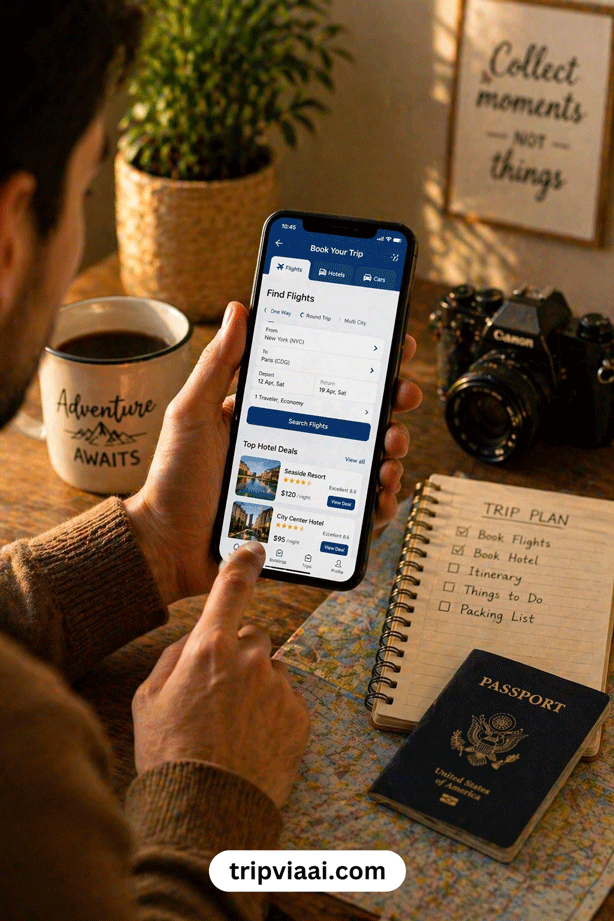
Smart Booking
5. Pack Smart (Don’t Pack for “What If”)
Packing is one of the biggest areas where beginners usually make mistakes. Many travelers feel they might need “just one more thing,” and suddenly their luggage becomes heavy, disorganized, and difficult to manage throughout the trip.
A smart travel guide for beginners always recommends packing only what you realistically plan to use. Simple essentials, multi-use outfits, and lightweight items usually work much better than carrying extra clothes or unnecessary accessories.
For example, many first-time travelers pack additional shoes, jackets, or outfits that they never actually use during the journey. But they still have to carry that extra weight through airports, hotels, and local transportation every day.
That is why lighter luggage almost always makes travel easier, faster, and far less stressful.
Helpful Travel Products for Beginners
A smart travel guide for beginners is not only about planning properly. Carrying the right travel gear can also make the journey much easier, safer, and more comfortable.
Helpful premium travel products:
These travel products help beginners stay organized, reduce travel stress, and enjoy smoother trips without unnecessary complications.
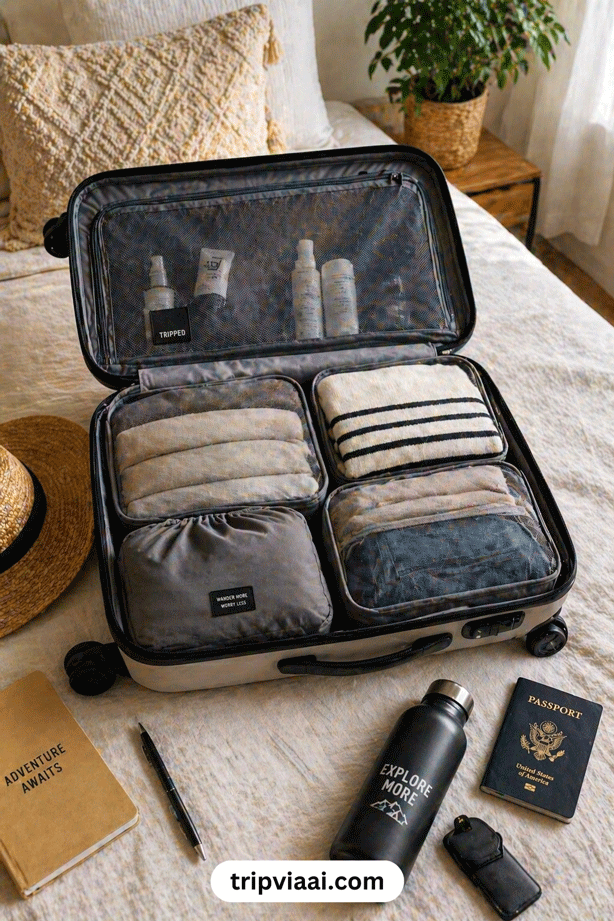
Smart Packing
6. Create a Simple Itinerary (Don’t Overload Your Days)
Many beginners think a packed schedule automatically creates a better trip. In reality, trying to visit too many places in one day often leads to exhaustion instead of enjoyment.
A smart travel guide for beginners should always leave space for rest and flexibility during the journey. One simple approach works very well for most trips. Keep mornings for major attractions, afternoons for lighter exploration or rest, and evenings for local experiences like cafés, markets, or slow walks around the destination.
For example, many first-time travelers plan so many places in a single day that they spend more time rushing between locations than actually enjoying them. Slowing down usually creates a far better overall travel experience.
7. Use Location-Based Planning (Travel Smarter)
One of the easiest ways to improve a trip is planning your sightseeing based on location instead of randomly moving across the city all day. Many beginners waste huge amounts of time and energy simply because their itinerary is not organized properly.
A smart travel guide for beginners should always group nearby attractions together. This helps reduce transportation costs, saves time, and makes the overall journey feel much less exhausting.
A simple habit works very well here. Open your map, mark important places, and organize your day based on proximity. Visiting nearby attractions together creates a smoother experience and leaves more time for relaxing, exploring slowly, and actually enjoying the destination.
8. Track Your Daily Spending (Stay Aware)
Small travel expenses may seem harmless at first, but they can add up surprisingly fast during a trip. A coffee here, a snack there, a short taxi ride, or an impulse purchase may not feel expensive individually, but together they can have a noticeable impact on your overall travel budget.
A smart travel guide for beginners should always recommend tracking daily spending, even if it is only a rough estimate. You do not need complicated budgeting apps or detailed spreadsheets. A simple notes app on your phone is usually enough to record major expenses throughout the day.
For example, many travelers are surprised when they realize they spent far more on small daily purchases than on planned sightseeing activities. Taking just a few minutes each evening to review your spending helps you stay aware of where your money is going and makes it easier to adjust your budget if necessary.
This simple habit helps travelers stay organized, avoid overspending, and enjoy their trip with greater confidence and less financial stress.
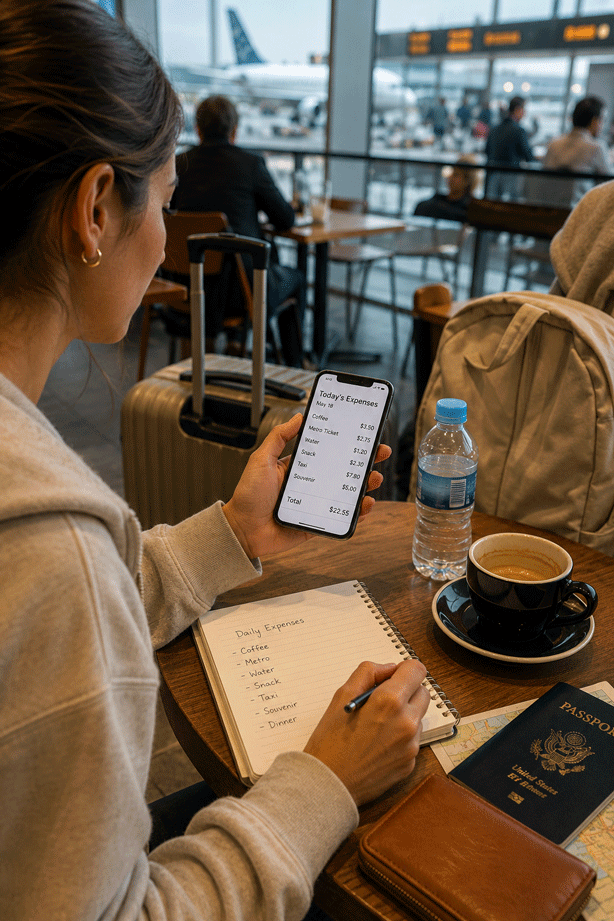
Smart Travel Expense Tracking
9. Stay Safe and Aware (Simple Habits Matter)
Travel safety does not need to feel complicated or stressful, especially for beginners. Most safe travel habits are actually very simple and become easier once you stay more aware during the journey.
A smart travel guide for beginners should always focus on basic precautions like keeping important documents secure, staying alert in crowded areas, and avoiding unnecessary risks in unfamiliar places. Small habits such as carrying digital copies of documents or checking transportation routes in advance can make travel much smoother and safer.
Good preparation builds confidence, and confident travelers usually enjoy their trips far more because they spend less time worrying and more time experiencing the journey.
10. Focus on Experience, Not Perfection
Many beginners put too much pressure on making every part of the trip perfect. They try completing every attraction, following strict schedules, and avoiding every small mistake during the journey. In reality, travel rarely goes exactly according to plan, and that is completely normal.
A smart travel guide for beginners should always focus more on experiences than perfection. Some of the best travel memories usually come from random walks, peaceful cafés, unexpected places, or simple moments that were never part of the original itinerary.
Travel feels much more enjoyable when you stop trying to “complete” destinations and start focusing on enjoying the journey naturally instead.
Pro Travel Tips for Beginners
Travel During Off-Peak Days (Save Money + Avoid Crowds)
One of the most overlooked parts of a smart travel guide for beginners is choosing the right time to travel. Many beginners book trips during weekends or peak holiday seasons without realizing how much it affects prices, crowds, and overall comfort.
Flights and hotels usually become much more expensive during busy travel periods, and popular tourist places often feel overcrowded and stressful instead of relaxing.
A smarter approach is traveling during mid-week days or shoulder seasons when destinations feel calmer and more affordable. This usually gives travelers lower prices, shorter lines, and a far more peaceful overall experience.
Good timing often creates a smoother trip without requiring a bigger budget.

Best Time to Travel for a Stress-Free Budget Trip
Always Keep a Backup Plan
No matter how well you plan a trip, unexpected situations can still happen. Flights get delayed, weather changes suddenly, attractions close unexpectedly, or transportation plans stop working at the last moment.
That is why a smart travel guide for beginners should always include backup planning. Keeping alternative places to visit, extra transportation options, and small time buffers can reduce travel stress instantly when plans change.
Experienced travelers understand that flexibility is part of the journey. Instead of panicking during unexpected situations, they stay calm because they already have simple backup options prepared in advance.
Use Offline Maps and Save Key Locations
Internet access is not always reliable while traveling, especially in unfamiliar places, remote areas, airports, or during long transportation journeys. Many beginners depend completely on mobile data and later struggle when maps or important information suddenly stop working.
A smart travel guide for beginners should always recommend downloading important travel details before leaving. Offline maps, hotel locations, transportation routes, and pinned attractions can save a huge amount of confusion during the trip.
This small habit makes travelers feel more confident and prepared because even without internet access, they can still navigate the destination comfortably and avoid unnecessary stress.
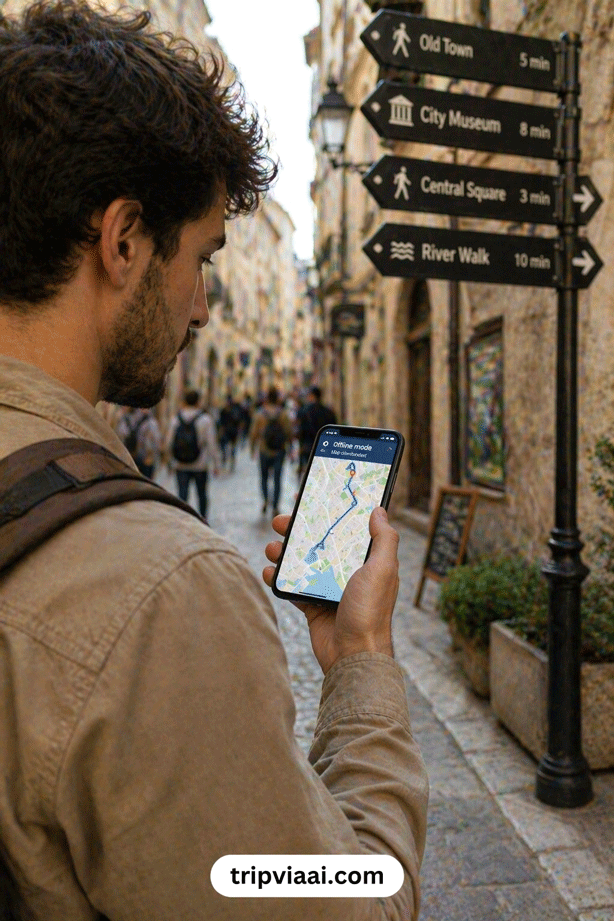
Offline Navigation
Carry a Small Essentials Kit
A small travel essentials kit can solve surprisingly big problems during a trip. Many beginners focus only on clothes and forget important small items that later become stressful to arrange in unfamiliar places.
A smart travel guide for beginners should always include basic preparation for unexpected situations. Carrying simple essentials like medicines, chargers, important documents, and some emergency cash can make travel much smoother and safer overall.
These small preparations help travelers stay calm during delays, low phone battery situations, medical discomfort, or payment issues while traveling. If you want more beginner-friendly planning advice, you should also read 10 Smart Travel Guide Tips That Save Time and Money for smarter and more organized travel habits.
Helpful Premium Travel Products for Beginners
A smart travel guide for beginners becomes much easier when you carry premium travel gear that improves comfort, safety, and organization during the journey.
Helpful high-ticket travel products:
These premium travel products may feel expensive initially, but they improve convenience, security, photography, and overall travel comfort, especially for beginners planning frequent trips.
Start Your Day Early
Morning time can completely change the quality of a trip, especially for beginners. Popular tourist places usually become crowded later in the day, which often makes sightseeing feel rushed, noisy, and physically tiring.
A smart travel guide for beginners should always recommend starting the day early whenever possible. Early mornings usually offer fewer crowds, cooler weather, better lighting for photos, and much higher energy levels for exploration.
Travelers who begin their day earlier often experience more places comfortably without constantly feeling rushed throughout the journey.
Avoid Over-Reliance on Taxis
Many beginners rely completely on taxis because they feel easier and more convenient during travel. While taxis can save time occasionally, using them for every trip quickly becomes expensive, especially in large tourist cities.
A smart travel guide for beginners should always include local transportation whenever possible. Public transport systems like metros, buses, and local trains are usually much cheaper and often help travelers explore destinations more naturally.
Walking short distances also improves the travel experience because you notice local cafés, streets, markets, and hidden places that most tourists normally miss. If you want more money-saving travel ideas, you should also explore Top 20 Budget Travel Guide Tips for Beginners (Travel Smart & Save More).
Keep Digital and Physical Copies of Documents
Losing important travel documents is one of the biggest fears for many beginners, especially during airport transfers, hotel check-ins, or crowded sightseeing areas. Even small situations like a lost wallet or dead phone battery can create unnecessary stress during the journey.
A smart travel guide for beginners should always include document backup preparation before leaving for a trip. Keeping digital copies of passports, ID cards, tickets, hotel bookings, and important travel documents on your phone can be extremely helpful during emergencies.
At the same time, carrying printed copies adds an extra layer of safety and peace of mind while traveling.
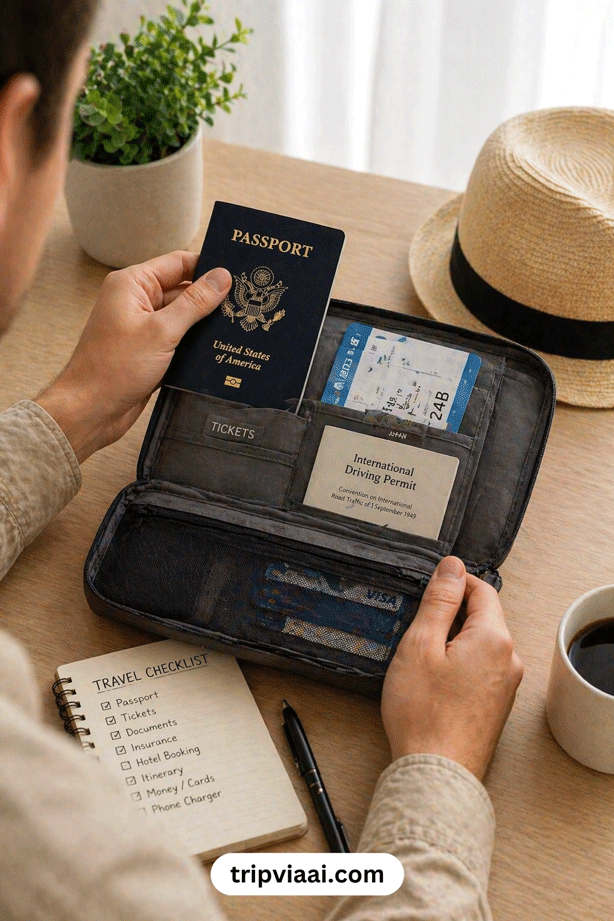
Travel Documents Safety
Conclusion
Planning your first trip does not need to feel complicated or stressful. Once you understand the basics of transportation, budgeting, packing, and itinerary planning, travel becomes much easier and far more enjoyable.
This travel guide for beginners helps you build a simple system for choosing destinations, avoiding common mistakes, managing your budget smartly, and traveling with more confidence during every stage of the journey.
The goal is not to travel perfectly or complete every attraction. The real goal is learning how to travel smarter, stay flexible, and enjoy experiences without unnecessary pressure.
Because with every trip, your confidence grows, your planning improves, and travel starts feeling more natural and exciting over time.
For more beginner-friendly travel planning ideas and smart travel tips, keep exploring tripviaai.com.