
 Posted by
 Introduction
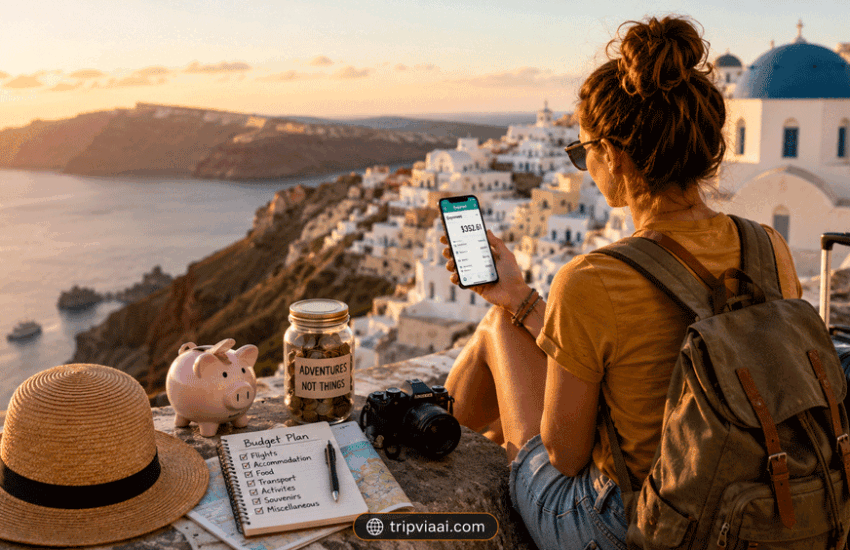
Budget travel tips can help you explore more destinations without spending a fortune. Many people believe traveling always requires a large budget, luxury hotels, and expensive flights. In reality, smart planning and a few practical habits can reduce travel costs while making your journey more comfortable and enjoyable.
I realized this after watching experienced travelers enjoy incredible trips on modest budgets. They were not sacrificing comfort—they were simply making better decisions. From booking flights at the right time to using public transportation and choosing affordable accommodation, every small choice helped them save money without missing out on great experiences. If you’re just getting started, our guide on Travel Guide for Beginners explains the essential planning habits that make every trip easier.
Budget Travel Tips at a Glance
The best budget travel tips focus on smart planning rather than spending more money. Booking flights at the right time, choosing affordable accommodation, using public transportation, traveling during the off-season, and managing daily expenses can significantly reduce travel costs while helping you enjoy a more comfortable and memorable trip.
1. Book Flights Early but Not Too Early
Flight pricing works in a very unpredictable way.
Many first-time travellers assume flight prices stay the same every day, but airline prices change constantly based on demand, travel seasons, booking trends, and automated pricing systems. Sometimes a ticket price can increase within a few hours, especially during holidays or busy travel periods.
That is why flight timing is one of the most important budget travel tips for beginners.
One mistake many travelers make is waiting too long before booking flights. Last-minute bookings usually cost much more because airlines know people become desperate closer to the departure date.
At the same time, booking extremely early is not always the smartest option either. Airlines sometimes release tickets at higher prices first and reduce them later depending on demand.
From my experience, the best approach is finding the balance between “too early” and “too late.”
A simple rule many smart travelers follow is:
- Domestic flights: book around 1 to 3 months before travel
- International flights: book around 3 to 6 months before travel
This timing often gives you better chances of finding affordable flight deals without paying unnecessary extra costs.
Another useful habit is checking flight prices during the middle of the week. In many cases, Tuesday and Wednesday flights are slightly cheaper because fewer people travel on those days compared to weekends.
Small flight booking habits like this may not look important at first, but they can make a noticeable difference to your overall travel budget, especially if you travel frequently.
If you want to become better at planning affordable trips, you should also read our 7 Smart Ways to Travel Cheap Without Sacrificing Comfort guide because smart booking strategies can save both time and money during travel.
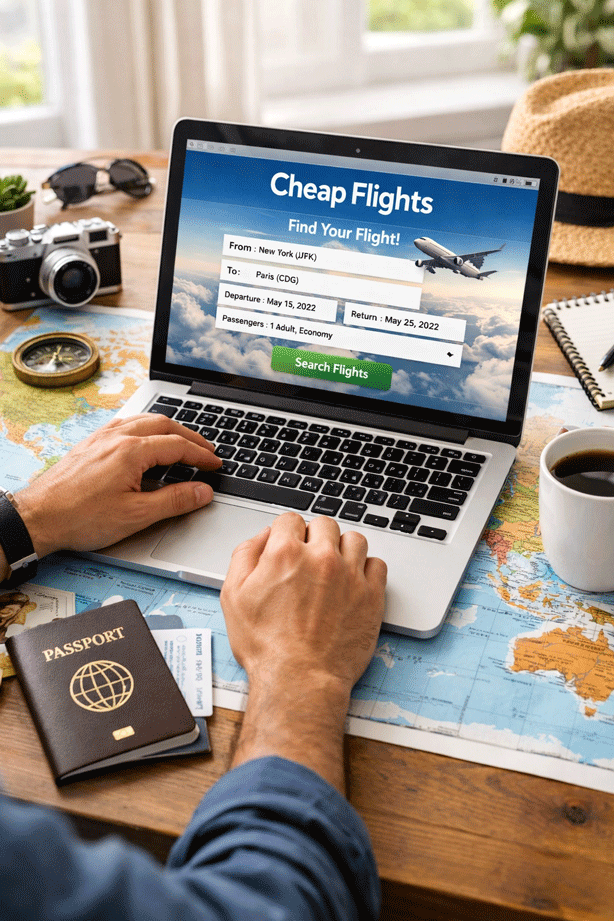
Cheap Flight Booking Setup
2. Use Flight Comparison Websites
One of the biggest mistakes travellers make is booking the first flight they see. Many beginners assume flight prices are the same everywhere, but that is rarely true.
Flight prices often change across different booking platforms. Sometimes the exact same flight can be much cheaper on another website.
That is why smart travelers always compare prices before making a booking.
Flight comparison websites scan multiple airlines and travel platforms to show available deals in one place. This makes it easier to find affordable flights without wasting hours searching manually.
Some popular flight comparison tools include:
- Google Flights
- Skyscanner
- Momondo
- Kayak
I have personally noticed huge price differences while booking flights for the same destination. In some cases, the same international flight was nearly $150 cheaper on another platform.
Small habits like comparing prices across multiple booking platforms can lead to significant savings over time. This is one of the simplest budget travel tips for finding cheaper flights without compromising your travel plans.
3. Travel During the Off Season
This is probably one of the most effective budget travel tips for reducing travel expenses.
Most destinations become expensive during peak travel seasons because demand increases very quickly. Flights become costly, hotel prices go up, and popular tourist places become overcrowded.
Many travelers do not realize how much money they can save simply by changing their travel timing by a few weeks.
I noticed this during one of my trips when hotel prices dropped almost by half just because I traveled after the holiday season ended. The city was calmer, transportation was easier, and the overall experience felt much more relaxed.
Traveling just before or after the peak season often gives you a much better balance between good weather and affordable prices.
Here are a few simple examples:
| Destination | Peak Season | Cheaper Time |
|---|---|---|
| Europe | June to August | April to May |
| Japan | Cherry blossom season | Late winter |
| Caribbean | December holidays | September to November |
These are only a few examples, but the same pattern applies to many popular destinations around the world.
Another advantage of off-season travel is that the entire trip feels less stressful. Tourist attractions are less crowded, local transportation becomes easier to manage, and you often get more affordable accommodation choices.
You also get:
- lower flight prices,
- cheaper hotels,
- fewer tourists,
- and a more peaceful local experience.
If your goal is to save money while traveling without reducing the quality of your trip, choosing the right travel season can make a huge difference to your overall budget.
4. Pack Light and Avoid Baggage Fees
Many travelers do not realize how much money they spend on baggage fees until they start traveling more often.
Airlines earn billions of dollars every year through extra luggage charges. Even a single checked bag can cost around $30 to $70 per flight, especially on budget airlines or international routes.
If you take multiple flights during one trip, those costs add up very quickly.
I learned this lesson during one of my earlier trips when I packed far more clothes and unnecessary items than I actually needed. Apart from paying extra baggage fees, carrying heavy luggage through crowded airports and train stations became exhausting.
Since then, I always try to travel lighter whenever possible.
For most short trips, traveling with just one carry-on bag and one personal item is usually enough. It not only helps reduce travel expenses but also makes the entire journey much easier and less stressful.
Another advantage is speed.
You move through airports faster, avoid long baggage claim lines, and reduce the risk of lost luggage. This small habit can make budget travel feel much more comfortable and organized.
One of the smartest budget travel tips is learning how to travel with less luggage, learning how to pack smarter is one of the easiest and most practical travel habits you can develop.
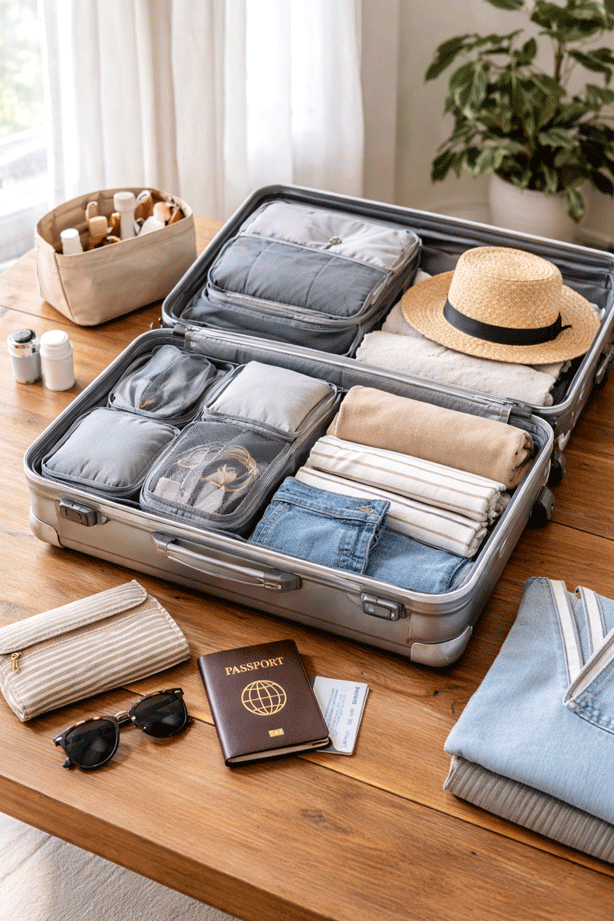
Minimalist Travel Packing Setup
5. Choose Budget-Friendly Accommodation
Luxury hotels may look attractive on social media, but they can quickly destroy a travel budget, especially during longer trips.
One of the easiest ways to save money while traveling is choosing accommodation more carefully instead of automatically booking expensive hotels.
There are many affordable options that still provide comfort, safety, and a good travel experience. Depending on your destination and travel style, you can consider places like hostels, budget hotels, Airbnb rooms, guesthouses, or even capsule hotels.
I used to think hostels were only for backpackers trying to spend as little money as possible. But after staying in a few modern hostels during different trips, I realized many of them are surprisingly clean, organized, and even more social than regular hotels.
Some budget accommodations also include useful extras like free breakfast, shared kitchens, working spaces, and local travel events. These small benefits can help reduce your daily travel expenses even more.
Another smart thing about affordable accommodation is that the money you save can be used for better experiences during the trip instead of spending most of your budget on a room where you only sleep at night.
For example, saving even $100 per night on accommodation can make a huge difference during a one or two-week trip. That extra money can cover transportation, food, activities, or even another short trip later.
If your goal is to travel longer while managing your budget wisely, choosing budget-friendly accommodation is one of the smartest travel decisions you can make.
6. Use Public Transportation
Taxis may feel convenient, especially after a long flight, but they can become one of the biggest hidden travel expenses during a trip.
In many popular tourist cities, taxi fares increase very quickly because of traffic, airport charges, and tourist pricing. I realized this during one trip when a short taxi ride from the airport cost almost the same as an entire day of public transportation.
Since then, I always check local transport options before arriving in a new city.
Public transportation is usually much cheaper and, in many cases, even faster than sitting in traffic inside a taxi. Most major cities already have reliable transport systems that are easy for travelers to use.
Common budget-friendly transportation options include:
- subway systems,
- buses,
- trams,
- and local trains.
Another useful budget travel tip is purchasing local transportation passes whenever they are available. These passes often reduce daily travel costs and make it easier to explore multiple attractions without relying on expensive taxis.
Using local transportation also gives you a more authentic travel experience because you get to see how people actually move around the city instead of staying inside tourist-focused areas all the time.
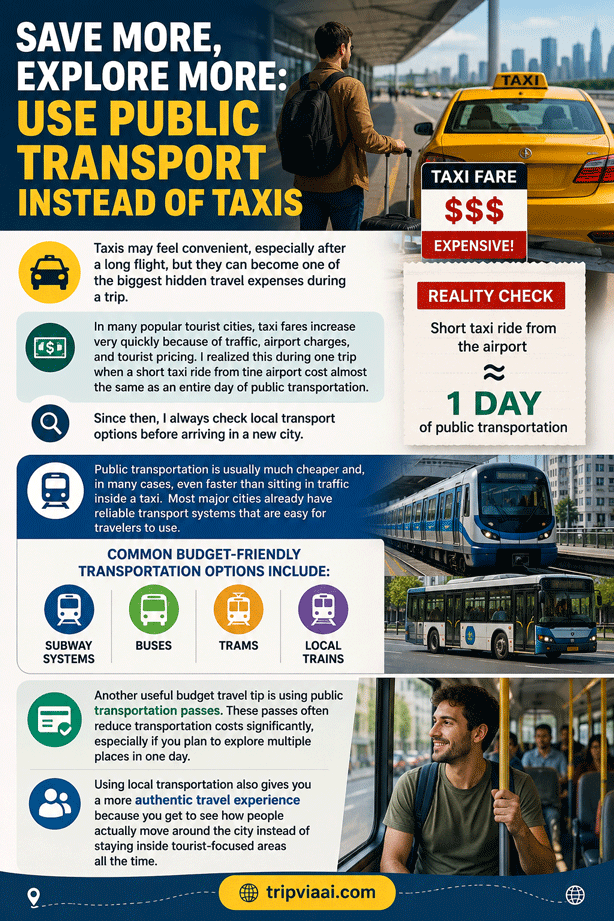
Save More, Explore More With Transit
7. Eat Where Locals Eat
One of the easiest ways to save money while traveling is avoiding expensive tourist restaurants.
Restaurants located near famous tourist attractions often charge much higher prices because they know travelers are willing to pay more for convenience. In many cases, the food is average, portions are smaller, and the experience feels less authentic.
I noticed this during one city trip where a tourist-area restaurant charged almost triple the price for a simple meal. Later that evening, I walked a few streets away and found a small local café serving fresher food for half the price.
That completely changed how I choose food while traveling.
Instead of eating only in crowded tourist areas, try looking for busy local restaurants, street food stalls, food markets, or small family-owned cafés. Places filled with local people are usually a good sign that the food is both affordable and good quality.
Another advantage is the experience itself.
Local food places often give you a much better understanding of the culture compared to expensive tourist restaurants designed mainly for visitors.
In many destinations, the best meals are not found inside luxury restaurants. They are hidden inside small local shops, simple street markets, and neighborhood cafés where prices are lower and flavors feel more authentic.
If you want to travel smarter while managing your travel budget carefully, learning where locals actually eat can save a surprising amount of money over time.
8. Use Travel Credit Card Rewards
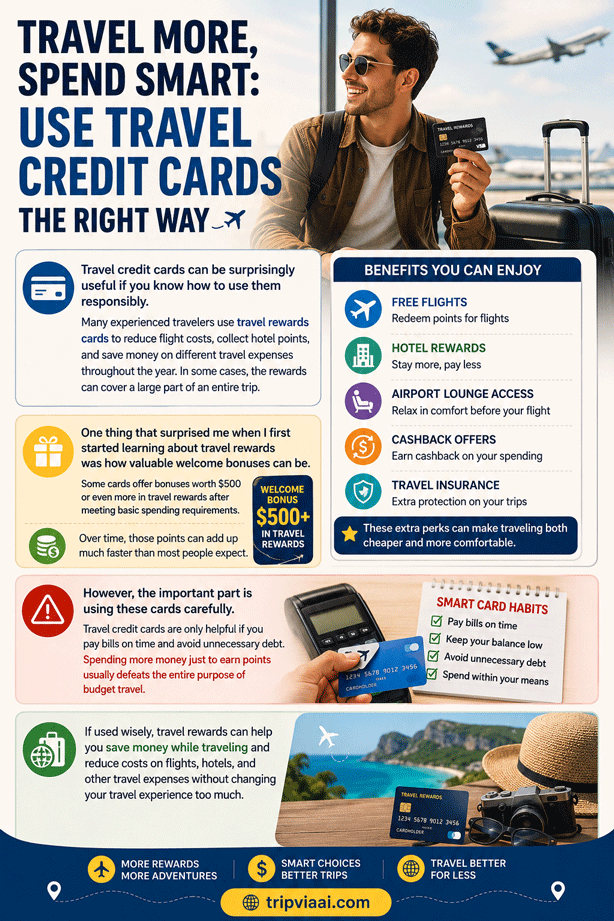
Travel credit cards can be surprisingly useful if you know how to use them responsibly.
Many experienced travelers use travel rewards cards to reduce flight costs, collect hotel points, and save money on different travel expenses throughout the year. In some cases, the rewards can cover a large part of an entire trip.
Some travel credit cards include benefits like free flights, hotel rewards, airport lounge access, cashback offers, and even travel insurance. These extra perks can make traveling both cheaper and more comfortable.
One thing that surprised me when I first started learning about travel rewards was how valuable welcome bonuses can be. Some cards offer bonuses worth $500 or even more in travel rewards after meeting basic spending requirements.
Over time, those points can add up much faster than most people expect.
However, the important part is using these cards carefully. Travel credit cards are only helpful if you pay bills on time and avoid unnecessary debt. Spending more money just to earn points usually defeats the entire purpose of budget travel.
If used wisely, travel rewards can help you save money while traveling and reduce costs on flights, hotels, and other travel expenses without changing your travel experience too much.
Smart Travel With Credit Cards
9. Book Attractions Online in Advance
Many travelers wait until the last minute to book attractions, but that often leads to higher prices and long waiting lines.
One simple way to save money while traveling is booking popular attractions online before your trip. Many tourist places offer discounted online prices compared to buying tickets directly at the entrance.
This is very common with museums, guided tours, theme parks, and major city attractions. In busy travel seasons, online booking can also help you avoid sold-out situations.
I learned this during a trip where walk-in tickets for a popular attraction were much more expensive than the online price available just a day earlier. The people who booked online not only paid less but also skipped a very long entry line.
That is when I realized how useful advance booking can be during travel.
Another advantage is convenience. Many online tickets include skip-the-line access, faster entry, or reserved time slots, which can save both time and stress during crowded travel periods.
In some destinations, the difference between online and offline prices can easily be around 20 to 30 percent. That may not seem huge for one attraction, but during a longer trip, those savings add up quickly.
If you want to manage your travel budget more carefully, planning attraction bookings in advance is a smart and practical travel habit.
10. Download Smart Travel Apps
Your phone can become one of the most useful travel tools during a trip.
Instead of carrying maps, printed tickets, or long travel notes, most things can now be managed directly from your smartphone. The right travel apps can help you save both time and money while making your trip much less stressful.
I realized this during one trip when I got lost in a new city after losing internet access. Since then, I always download offline maps before traveling because they make navigation much easier, especially in unfamiliar places.
Some travel apps are especially useful for budget travelers.
Apps like Google Maps Offline help with navigation even without mobile data. Rome2Rio is useful for checking transportation routes between cities, while Hopper can help track flight prices and predict cheaper booking times. TripIt is also helpful for organizing flight details, hotel bookings, and travel schedules in one place.
These small tools can make a huge difference during travel. They help you:
- track flight deals,
- navigate cities more easily,
- plan transportation routes,
- and organize your travel itinerary better.
If you want to become a smarter budget traveler, using reliable travel apps is one of the easiest ways to stay organized, compare prices, navigate unfamiliar destinations, and manage your trip more efficiently.
11. Set Flight Price Alerts
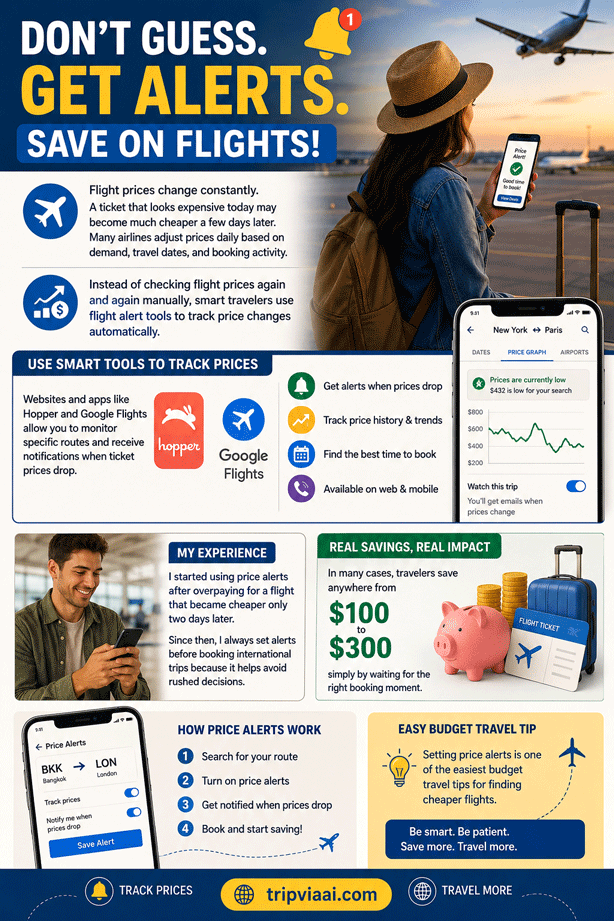
Flight prices change constantly.
A ticket that looks expensive today may become much cheaper a few days later. Many airlines adjust prices daily based on demand, travel dates, and booking activity.
Instead of checking flight prices again and again manually, smart travelers use flight alert tools to track price changes automatically.
Websites and apps like Hopper and Google Flights allow you to monitor specific routes and receive notifications when ticket prices drop. Some tools even predict the best time to book based on past pricing trends.
I started using price alerts after overpaying for a flight that became cheaper only two days later. Since then, I always set alerts before booking international trips because it helps avoid rushed decisions.
In many cases, travelers save anywhere from $100 to $300 simply by waiting for the right booking moment.
Setting price alerts is one of the easiest budget travel tips for finding cheaper flights.
Save on flights with alerts
12. Avoid Tourist Trap Shops
One common mistake many travelers make is shopping directly near famous tourist attractions.
Areas close to major landmarks usually have much higher prices because shop owners know tourists are more likely to buy things quickly without comparing costs.
I noticed this during one trip when a small souvenir near a popular attraction cost almost three times more than the exact same item in a local market a few streets away.
That experience taught me an important budget travel lesson.
If you want to save money while traveling, avoid buying everything from tourist-heavy areas immediately. Walking just a few blocks away can often lead to much better prices.
13. Buy Travel Insurance Smartly
Travel insurance sounds like an extra cost.
But it can save you thousands of dollars if something goes wrong.
Look for plans that cover:
- Medical emergencies
- Trip cancellations
- Lost baggage
- Delays
Compare providers to find affordable coverage.
14. Bring Reusable Travel Essentials
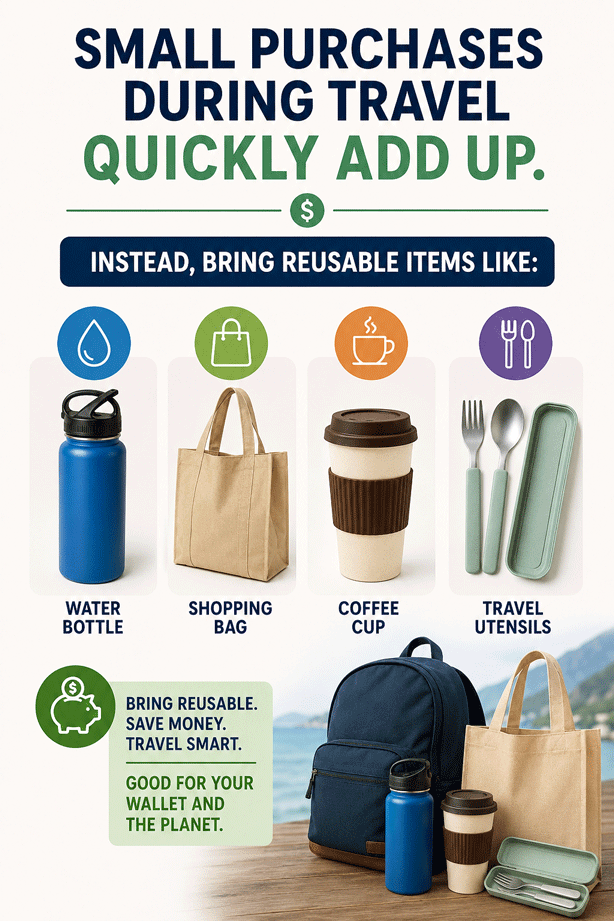
Small purchases during travel quickly add up.
Instead bring reusable items like:
- Water bottle
- Shopping bag
- Coffee cup
- Travel utensils
Bring Reusable, Save The Planet
15. Use City Tourist Cards
If you plan to visit multiple attractions in one city, tourist passes are one of the most practical budget travel tips for city travel
Many popular destinations offer special city passes that combine attraction tickets, transportation, and travel discounts into one package. These passes are especially useful for travelers who want to explore museums, famous landmarks, and city attractions within a short time.
Some popular examples include:
- New York City Pass
- Paris Museum Pass
- London Pass
I first used a city pass during a busy trip where I wanted to visit several attractions in just a few days. Buying separate tickets everywhere would have been far more expensive, and standing in long ticket lines wasted a lot of time. The pass made the entire experience much easier and more affordable.
Many city passes also include extra benefits like public transportation access, museum entry, and discounts on tours or activities. In some cities, the total savings can easily reach $100 or even more during a single trip.
Helpful Travel Gear: A compact travel wallet or document organizer can make it much easier to carry attraction passes, transport cards, hotel bookings, and travel documents safely while moving around busy cities. Many experienced travelers use lightweight organizers to avoid losing important tickets during trips.
Before purchasing a city pass, compare the included attractions with your itinerary. A city pass offers the best value only when you plan to visit several participating attractions during your stay.
16. Take Overnight Transportation
Overnight buses and trains offer a clever trick.
They combine two costs into one:
- Transportation
- Accommodation
Instead of paying for a hotel and travel, you pay for only one.
Many backpackers use this method across Europe and Asia.
17. Use Free Walking Tours
One of the easiest ways to explore a new destination without spending a lot of money is by joining free walking tours. Many cities around the world offer guided walking tours where local guides introduce travelers to important landmarks, historical sites, cultural attractions, and hidden local spots.
I first tried a free walking tour during a city trip and was surprised by how much useful information I learned in just a few hours. The guide shared local stories, restaurant recommendations, transportation tips, and interesting facts that I would have missed while exploring alone.
Although these tours are often advertised as free, it is common to leave a tip if you enjoyed the experience. Even after tipping, the total cost is usually much lower than traditional guided tours.
Free walking tours are one of the smartest budget travel tips because they help travelers learn about a destination, discover local insights, and save money at the same time.
18. Travel With Refillable Water Bottles
Many travelers spend more money on bottled water than they realize. Buying drinks repeatedly throughout a trip may seem like a small expense, but those purchases can add up quickly over several days or weeks.
One of the simplest budget travel tips is carrying a reusable water bottle. Many airports, hotels, cafés, and public spaces now provide water refill stations, making it easy to stay hydrated without constantly purchasing new bottles.
I started carrying a refillable bottle during longer trips and was surprised by how much money I saved over time. It also reduced the need to search for convenience stores whenever I needed water.
Some reusable bottles can keep drinks cold for hours, making them even more useful during sightseeing, road trips, and outdoor activities. Beyond saving money, using a refillable water bottle is also a more environmentally friendly travel habit.
Small habits like this may not seem significant at first, but they can help reduce travel expenses while making your journey more convenient and comfortable.
19. Book Flexible Accommodation
One thing I learned after a few trips is that travel plans rarely go exactly as expected.
Flights get delayed, weather changes suddenly, transportation problems happen, and sometimes personal plans shift at the last minute. When everything is booked with strict non-refundable options, even small changes can become very expensive.
That is why flexible bookings are extremely useful for budget travelers.
Whenever possible, choose hotels or accommodations that offer free cancellation or flexible booking options. Although flexible reservations may cost slightly more upfront, they can save a significant amount of money if your travel plans change unexpectedly.
20. Create a Daily Travel Budget
A simple daily budget helps prevent overspending.
Example budget:
| Category | Daily Budget |
|---|---|
| Food | $25 |
| Transport | $10 |
| Activities | $20 |
| Miscellaneous | $10 |
Total: $65 per day
Tracking expenses keeps spending under control.
Conclusion
Following practical budget travel tips proves that memorable travel does not depend on spending more money. Simple habits like booking flights wisely, choosing affordable accommodation, using local transportation, and planning daily expenses can help you travel more often while staying within your budget.
Every journey teaches something new, and the best travelers continue improving their planning with every trip. Start by applying a few of these budget travel tips on your next vacation, then gradually build habits that make traveling more affordable, organized, and enjoyable.
Saving money while traveling is not about giving up great experiences. It is about making smarter choices that allow you to explore more destinations, create lasting memories, and travel with greater confidence for years to come.
If you want to continue improving your travel planning skills, you should also read 10 Things Smart Travelers Always Do because small travel habits often make the biggest difference during real trips.
Hi, this is a comment.
To get started with moderating, editing, and deleting comments, please visit the Comments screen in the dashboard.
Commenter avatars come from Gravatar.