
 Posted by
 Introduction
Travel tips for beginners become extremely important when planning your first trip and trying to avoid common travel mistakes. Traveling for the first time feels exciting, but it can also feel confusing without proper preparation. Many beginners worry about packing mistakes, airport confusion, budgeting problems, or forgetting important travel essentials during the trip.
I still remember my first major trip where I packed too many unnecessary items, forgot important chargers, and spent more time solving small problems than actually enjoying the destination. That experience taught me something important. Smart travel is not about perfection. It is about preparation, organization, and making small decisions that make the journey smoother and more comfortable.
These simple travel tips for beginners will help you travel more confidently, stay organized, avoid common mistakes, and enjoy your trip with far less stress. Travelers planning their first journey can also explore helpful guides like Best Budget Travel Gear For Smart Travelers – tripviaai.com before traveling.
Quick Summary Table
| Tip | Impact | Benefit |
|---|---|---|
| Simple planning | High | Clear direction |
| Budget control | High | No overspending |
| Smart booking | High | Better deals |
| Efficient packing | High | Less stress |
| Organization | Medium | Smooth travel |
1. Start With a Simple Travel Plan Instead of Overplanning
Planning your first trip can quickly become stressful when you try to control every small detail. Many beginners believe detailed schedules make travel easier, but overly rigid plans usually create pressure instead of comfort. One of the most important travel tips for beginners is understanding that flexibility creates smoother travel experiences.
A simple travel plan works much better. Focus only on essential things like flights, hotels, transportation, and major activities. Leaving flexibility in your schedule allows you to adjust naturally when unexpected changes happen during the trip.
I remember planning my first vacation almost hour by hour. Instead of enjoying the destination, I spent most of the time checking schedules and worrying about delays. Later, I realized flexible planning creates a much smoother travel experience.
Smart Tip
- Plan only important activities
- Avoid tight schedules
- Leave room for flexibility
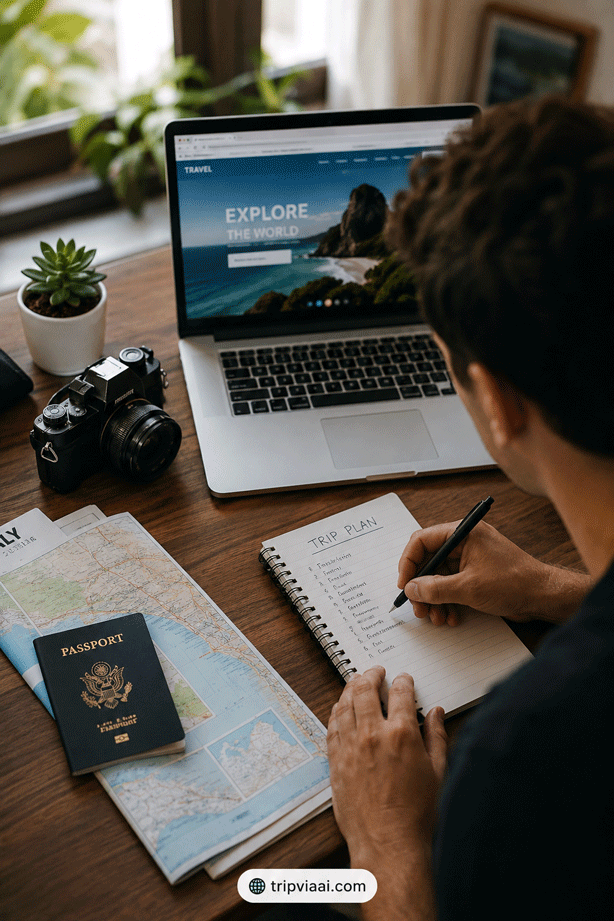
Cozy travel planning workspace
2. Build a Clear Travel Budget Before Booking Anything
A clear budget is one of the most important foundations of stress-free travel. Many beginners focus only on flights and hotels while forgetting daily expenses like transportation, food, attraction tickets, shopping, and emergency costs. Smart travel tips for beginners always include budgeting because financial clarity reduces unnecessary stress during the trip.
Creating a proper budget before booking anything gives travelers much better financial control during the journey. Instead of guessing whether something is affordable, you already understand your spending limits before leaving home.
Budget planning also reduces emotional spending because every decision becomes more structured and intentional.
Helpful budgeting habits include:
- Dividing expenses into categories
- Tracking spending daily
- Keeping an emergency buffer amount
- Avoiding impulse purchases
👉 Budget clarity improves confidence and reduces financial stress during travel.
3. Book Smart Instead of Booking Too Quickly
Many first-time travelers rush bookings because they fear missing good deals. However, fast decisions often lead to poor choices, unnecessary expenses, or inconvenient travel situations later. One of the smartest travel tips for beginners is learning how to compare options carefully before booking flights or hotels.
Smart booking means checking reviews, comparing prices, and understanding the full value before confirming anything. Cheap prices do not always mean better value, especially when transportation access, hidden fees, or poor locations create additional problems.
I once booked a low-cost hotel without checking transportation properly. The hotel looked affordable at first, but daily taxi expenses quickly became frustrating and expensive.
Travel feels much smoother when bookings are based on value instead of urgency.
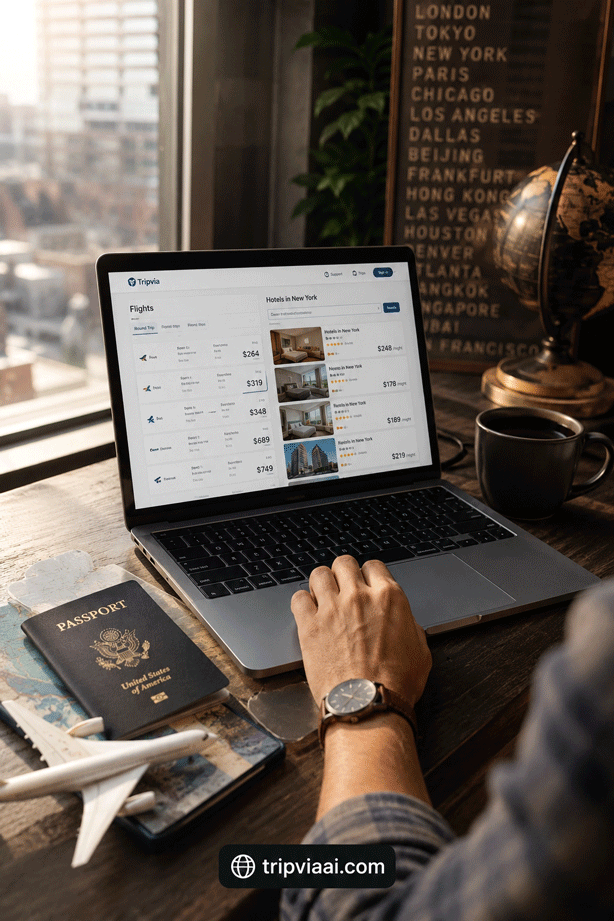
Planning the next adventure
4. Pack Light and Pack With Purpose
Packing becomes much easier when travelers focus on essentials instead of preparing for every possible situation. Many beginners carry too many unnecessary items because they worry about forgetting something important. Heavy luggage quickly becomes exhausting during airport transfers, sightseeing, and public transportation. Practical travel tips for beginners often focus heavily on smarter packing because lighter luggage improves comfort throughout the trip.
Packing with purpose changes the entire travel experience. Every item inside your luggage should have a clear reason for being there. This keeps bags lighter, more organized, and easier to manage throughout the journey.
Travelers who pack lighter usually move more comfortably and spend less energy handling luggage every day.
Smart Tip
- Pack only essential items
- Choose versatile clothing
- Avoid unnecessary extras
👉 Smart packing improves comfort, mobility, and overall travel convenience.
Recommended Products:
Rimowa Essential Cabin Suitcase
TUMI Alpha Bravo Navigation Backpack
5. Keep All Travel Documents Organized
Keeping travel documents organized is one of the simplest ways to reduce stress during a trip. Passports, boarding passes, hotel reservations, visas, travel insurance, and identification cards should always stay secure and easy to access. Reliable travel tips for beginners always include document organization because small mistakes in this area can quickly create major travel problems.
Disorganized documents often create delays during airport security, hotel check-ins, or transportation transfers. Keeping everything in one place improves efficiency and helps travelers move more confidently throughout the journey.
Digital backups are equally important. Even if physical documents are lost, travelers still have access to important information from their phones or email accounts.
I once watched a traveler delay an airport security line because important papers were scattered across different bags and pockets. Since then, document organization has become one of my top travel priorities.
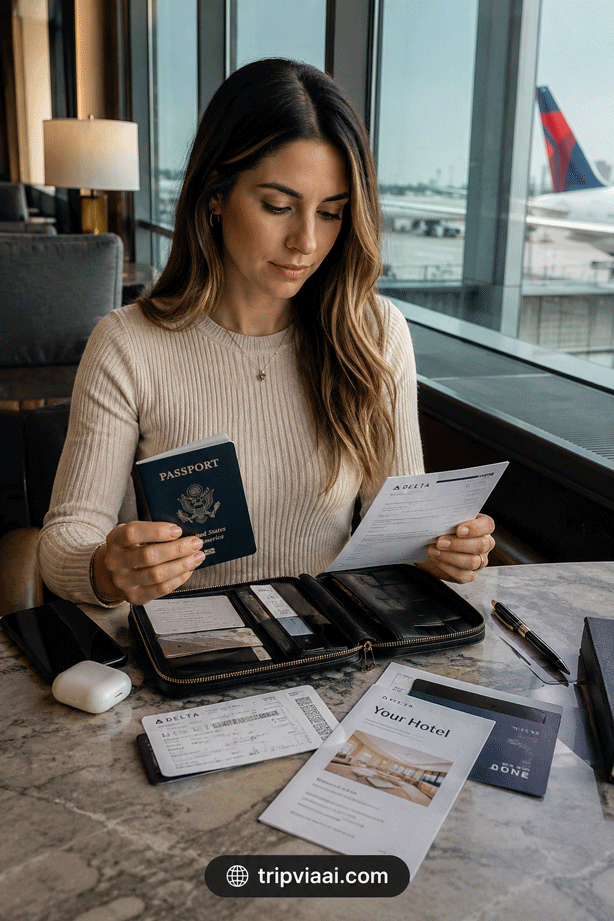
Calm travel prep at the lounge
6. Choose Location Over Cheap Hotel Prices
Many first-time travelers book the cheapest hotel available without properly checking the location. At first, this feels like a smart way to save money, but poor location choices often create hidden travel problems later. Helpful travel tips for beginners always recommend balancing price with convenience instead of focusing only on cost.
Hotels far from city centers usually increase transportation expenses and waste valuable sightseeing time. A slightly better location often improves the entire travel experience because important attractions, restaurants, and transport systems become easier to access.
I once booked a budget hotel outside the city to save money, but daily taxi costs and long travel times quickly became frustrating. Since then, location has become one of my biggest priorities while booking accommodation.
Smart Tip
- Choose safe and central locations
- Check nearby transport options
- Balance convenience with budget
👉 A good location improves comfort, safety, and travel efficiency.

Arrival at Hotel Amour, Paris
7. Save Travel Documents Offline
One of the most common travel mistakes beginners make is assuming they will always have access to their phone, internet connection, or travel apps. Unfortunately, lost devices, weak signals, and technical problems can happen when you least expect them.
Before every trip, save offline copies of important documents such as your passport, visa, flight tickets, hotel confirmations, and travel insurance details. Keeping screenshots on your phone and storing backup copies in cloud storage can save a huge amount of stress if something goes wrong.
I learned this lesson during a trip when an airline app stopped working at the airport. Fortunately, I had saved my boarding pass as a screenshot, which allowed me to continue without any problems. A few minutes of preparation before departure can prevent major headaches later and make travel much smoother.
8. Track Your Spending During The Trip
Travel expenses often feel small in the moment but add up very quickly throughout the journey. Many travelers lose control of their budget because they focus only on major purchases while ignoring smaller daily spending. Smart travel tips for beginners always include expense tracking because financial awareness helps travelers avoid unnecessary stress later.
Daily coffee stops, snacks, taxi rides, and impulse shopping may not seem expensive individually, but together they can significantly affect your overall budget.
I once realized near the end of a trip that small daily expenses had cost far more than expected. Since then, tracking spending has become part of my regular travel routine.
Smart Tip
- Monitor daily expenses
- Set spending limits
- Avoid unnecessary impulse purchases
👉 Financial awareness keeps your travel budget balanced.
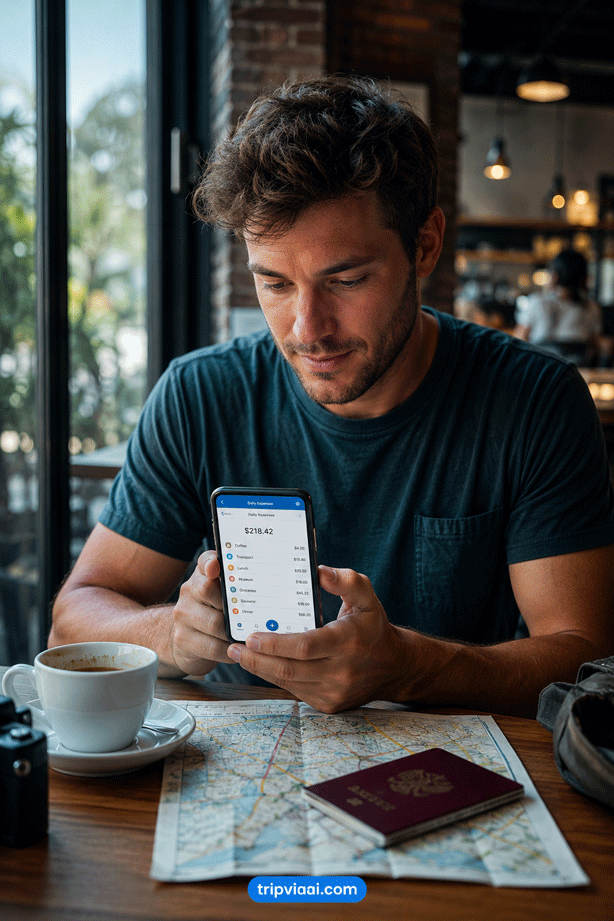
Travel planning at a cozy café
9. Keep Extra Time In Your Travel Schedule
One of the smartest travel tips for beginners is leaving extra time between important travel plans. Airports, train stations, traffic delays, and security checks are often unpredictable, especially during busy travel seasons.
When schedules become too tight, even small delays quickly create panic and frustration. Extra time allows travelers to move calmly and adjust naturally when unexpected situations happen during the trip.
I once nearly missed a flight because I underestimated airport security delays during a holiday weekend. Since then, arriving early has become one of my most important travel habits.
Smart Tip
- Reach airports early
- Keep buffer time between activities
- Avoid overly tight schedules
👉 Extra time reduces stress and improves flexibility during travel.
10. Arrive at the Airport Earlier Than Necessary
Many first-time travellers underestimate how much time airports actually require. Security checks, baggage drop lines, traffic delays, terminal changes, and unexpected situations can quickly consume more time than expected.
Arriving early creates a valuable buffer that reduces stress and allows you to handle delays calmly. Instead of rushing through the airport and worrying about missing your flight, you can move at a comfortable pace and start your trip feeling relaxed.
During one of my earlier trips, a long security queue nearly caused me to miss my flight even though I thought I had arrived on time. Since then, I always allow extra time before departure and have never regretted it. Experienced travellers know that a calm airport experience often sets the tone for the entire journey.
Recommended Products:
11. Avoid Unnecessary Travel Expenses
Spending money during travel is completely normal, but unnecessary spending often creates budget problems later. Many travelers waste money on impulse purchases, overpriced transportation, or last-minute decisions simply because they are unprepared. Practical travel tips for beginners always focus on smarter spending habits because financial control improves the overall travel experience.
Small expenses may not feel important individually, but they add up surprisingly fast throughout the trip. Smart travelers usually ask themselves whether a purchase truly improves the experience before spending money.
I once spent far more than expected during a short trip simply because I kept making quick convenience-based decisions without thinking carefully.
Smart Tip
- Think before spending
- Avoid impulse purchases
- Focus on value instead of urgency
👉 Smart spending keeps your budget balanced and reduces financial stress.
Casual traveler at airport café
12. Keep Backup Payment Methods
Many travellers rely on a single credit card or debit card during their trip. While this may seem convenient, it can create problems if a card is lost, damaged, blocked, or declined unexpectedly.
A smarter approach is to carry at least one backup payment method. This could be an additional card stored separately from your wallet or a small amount of emergency cash for situations where electronic payments are unavailable.
Unexpected financial issues can happen anywhere, especially during international travel. Having a backup option ensures you can still pay for transportation, accommodation, meals, or other essentials if your primary payment method stops working.
13. Prioritize Safety And Awareness During Travel
Safety is not about being afraid during travel. It is about staying aware and making smart decisions throughout the journey. Important travel tips for beginners always include safety habits because small precautions often prevent major problems later.
Many travel issues happen simply because travelers become distracted or careless in crowded places. Staying alert, protecting valuables, and avoiding risky situations greatly improves travel safety and confidence.
I once met a traveler who accidentally left an important bag inside a busy café near a tourist area. Watching the panic and stress that followed reminded me how important basic awareness really is during travel.
Smart Tip
- Stay aware in crowded places
- Keep valuables secure
- Avoid unsafe situations late at night
👉 Awareness is one of the best forms of travel protection.

Man in busy city street scene
14. Learn Basic Local Information Before Arriving
Understanding basic local information before reaching a destination makes travel far less confusing. Helpful travel tips for beginners often focus on preparation because even small knowledge about local systems improves confidence during the trip.
Simple things like transportation rules, local payment methods, emergency numbers, and common cultural habits help travelers move more comfortably through unfamiliar places.
Preparing basic information before arriving also reduces hesitation and improves decision-making during the journey.
Helpful things to learn before traveling:
- Local transportation systems
- Payment methods
- Emergency contact numbers
- Basic cultural etiquette
- Important local phrases
👉 Preparation helps travelers feel more confident and comfortable.
15. Create an Emergency Contact List
Most travellers spend plenty of time planning attractions and accommodation but rarely think about emergency preparation. While serious problems are uncommon, having important information available can make difficult situations much easier to handle.
Before travelling, create a simple emergency contact list that includes family members, accommodation details, travel insurance information, and local emergency numbers. Save a copy on your phone and keep another copy offline inside your luggage or travel wallet.
Many experienced travellers follow this habit because preparation creates confidence. If your phone battery dies, your device is lost, or you need assistance quickly, important information remains accessible.
A few minutes of preparation before departure can save a significant amount of stress later and help you feel more secure throughout the trip.
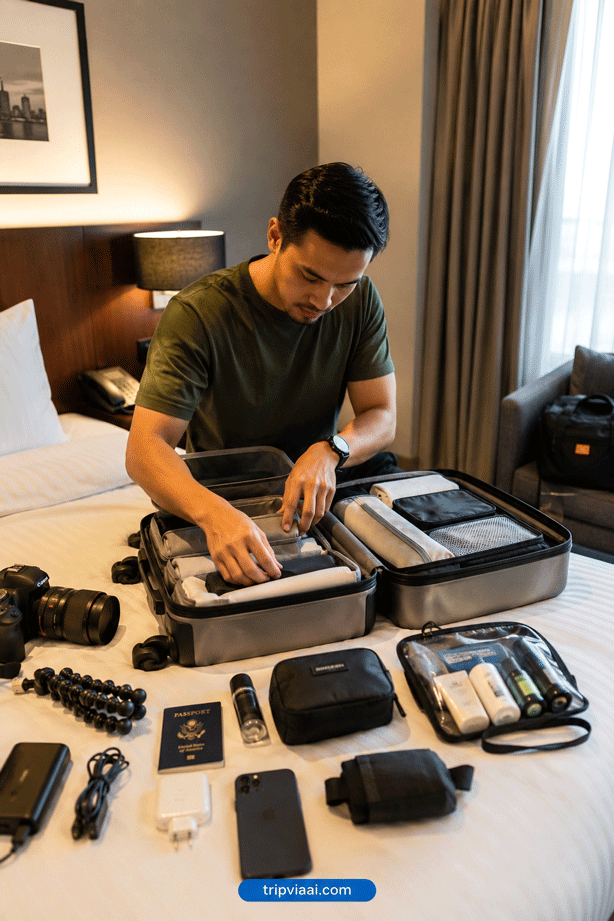
Packing for a hotel stay
16. Always Have a Backup Travel Plan
No matter how carefully you plan, travel rarely goes exactly as expected. Flights get delayed, weather changes schedules, attractions close unexpectedly, and transportation problems can appear without warning.
One of the biggest differences between beginner and experienced travellers is how they handle these situations. Experienced travellers usually prepare alternative options before problems happen. They know where they can stay if a booking falls through, which transportation alternatives are available, and what activities they can enjoy if weather changes their plans.
Having a backup plan does not mean expecting things to go wrong. It simply means being prepared if they do. This mindset reduces stress, improves flexibility, and helps you adapt more easily when unexpected situations arise.
Many travellers discover after several trips that good travel experiences often depend less on perfect planning and more on being ready for change.
Conclusion
Traveling for the first time does not need to feel stressful or overwhelming. Most travel problems happen because of poor preparation, unnecessary overplanning, or simple beginner mistakes that can easily be avoided. Following practical travel tips for beginners helps travelers stay organized, manage money better, avoid common travel stress, and enjoy the journey with far more confidence.
From smart packing and budgeting to staying flexible and organized during the trip, small habits often create the biggest improvements in travel experiences. The goal is not to make every trip perfect. The goal is to make travel smoother, safer, and more enjoyable while creating meaningful memories along the way.
Travelers looking for more beginner-friendly travel advice and smart travel ideas can also explore helpful guides on tripviaai.com.