
 Posted by
 Introduction
Pro travel tips are often the difference between a stressful trip and a smooth, well-organised journey. Many people believe experienced travellers simply get lucky, but that’s rarely true. Behind every hassle-free airport experience, efficient packing routine, and well-planned itinerary is a collection of smart habits built through experience.
The reality is that travelling becomes difficult when small mistakes begin to add up. Overpacking, booking at the wrong time, relying on a single payment method, or failing to prepare for unexpected delays can quickly turn an exciting trip into a frustrating one. Experienced travellers avoid these problems because they follow practical systems rather than relying on luck.
In this guide, you’ll discover 11 proven pro travel tips that experienced travellers use to save money, stay organised, reduce travel stress, and make smarter decisions before and during every trip. Whether you’re planning your first holiday or looking to travel more efficiently, these practical strategies will help you enjoy smoother, more confident journeys from departure to arrival.
If you’re just getting started with trip planning, don’t miss our guide Beginner Friendly Travel Itinerary to Plan Your First Trip Easily, which explains how to organise every stage of your journey before you even book your flights
Why These Pro Travel Tips Actually Work
Most travellers focus on finding cheap flights and good hotels, but experienced travellers know that successful trips are usually built on smart systems rather than luck. These pro travel tips help you save money, reduce stress, improve flexibility, and make better travel decisions before problems happen. From booking strategies and backup plans to smarter packing and travel rewards, these practical pro travel tips can help you travel more efficiently and confidently on every trip.
1. Book Around Demand Cycles Instead of Fixed Dates
Most travellers choose travel dates based entirely on their personal schedules. While that seems logical, experienced travellers often approach booking differently. Instead of focusing only on specific dates, they pay attention to travel demand cycles.
Flight prices, hotel rates, and even attraction costs can change dramatically depending on the season, holidays, major events, and school vacation periods. Shifting your trip by only a few days can sometimes save hundreds of dollars without affecting the overall experience.
I learned this lesson after comparing flight prices for two nearly identical trips. Moving my departure date by just three days reduced the total cost significantly while giving me the exact same travel experience.
Among the most effective pro-travel tips, understanding demand cycles is one of the easiest ways to reduce travel costs. It is also one of those smart booking strategies that experienced travellers use repeatedly because small timing adjustments often create surprisingly large savings.
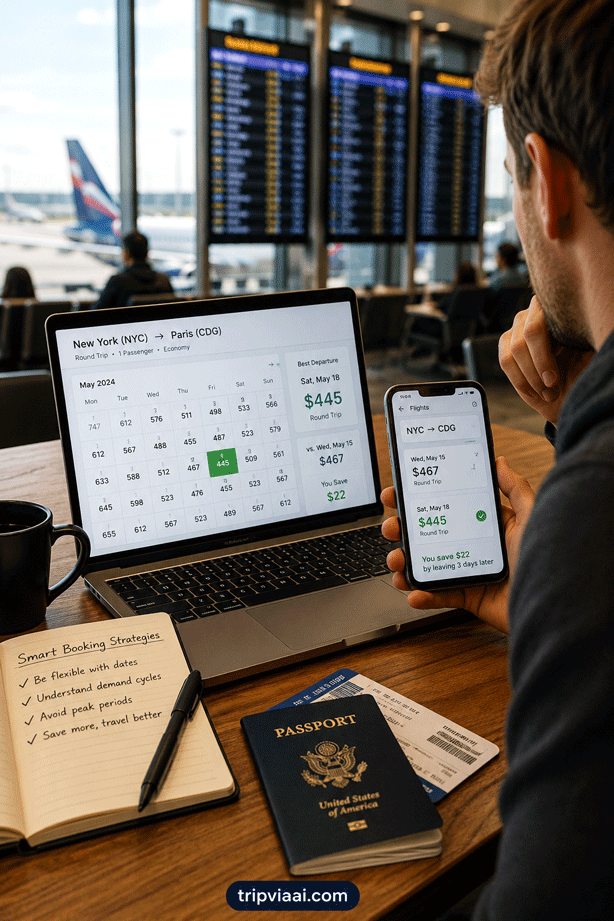
Smart Travel Timing and Booking Strategy
2. Use Positioning Flights to Reduce Costs
Many travellers automatically search for flights from their nearest airport and book whatever option appears most convenient. Experienced travellers often take a broader approach by considering positioning flights.
A positioning flight is a short flight to another airport where long-haul routes may be significantly cheaper. While it requires additional planning, it can sometimes reduce overall travel costs enough to justify the extra effort.
This strategy is especially useful for international travel where major hub airports often offer more competitive pricing and better route options. The key is carefully calculating all additional costs before making a decision.
Many experienced travellers rely on this approach because it creates opportunities that traditional flight searches often miss. These types of pro travel tips help travellers think more strategically instead of simply accepting the first available option.
If you are still developing your travel planning skills, you may also find Beginner Friendly Travel Itinerary to Plan Your First Trip Easily helpful because smart planning often begins long before booking flights.
3. Travel With a Carry-On-First Strategy
One of the biggest differences between beginner and experienced travellers is how they approach luggage. Many people automatically assume they need large suitcases, even for relatively short trips.
Experienced travellers often start with a different question: can this trip be completed using only carry-on luggage?
Traveling lighter creates several advantages. You avoid baggage claim delays, reduce the risk of lost luggage, move through airports more quickly, and generally enjoy greater flexibility throughout the journey.
During one of my earlier trips, I packed a large suitcase for a short vacation and quickly regretted it while navigating train stations and busy city streets. By the end of the trip, I realized most of the items I packed were never used.
Among all pro travel tips, this is one of the easiest to implement because it immediately simplifies many aspects of travel. Learning to pack efficiently is also one of the most practical travel habits experienced travellers develop over time.
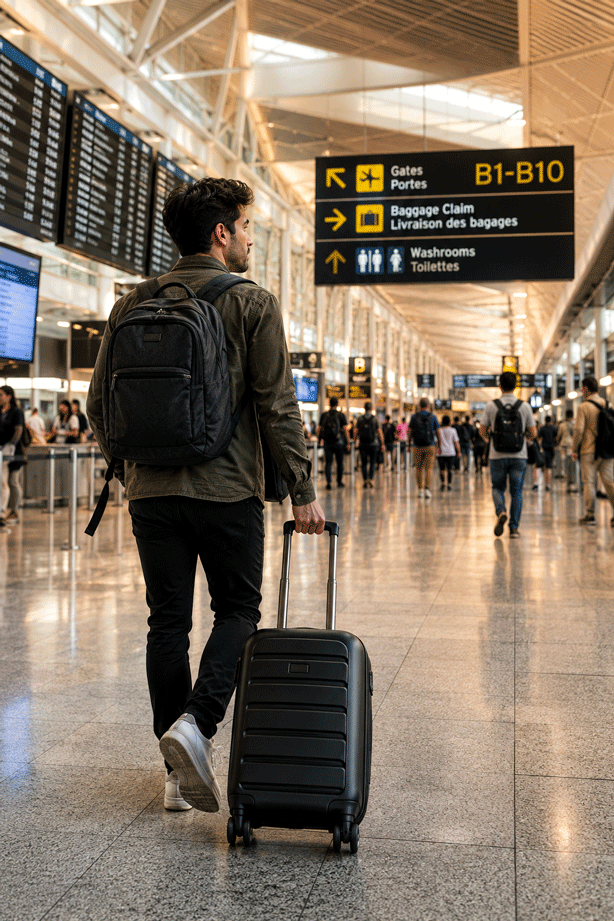
Smart Carry-On Travel Packing
4. Build Redundant Payment Systems
Many travellers rely entirely on a single credit card or debit card during their trip. Everything works perfectly until that card is lost, blocked, damaged, or declined unexpectedly.
Experienced travellers rarely depend on one payment method.
Instead, they create redundant payment systems by carrying backup cards, maintaining emergency cash reserves, and keeping payment options stored separately. If one method becomes unavailable, another option is immediately ready.
This approach may seem unnecessary before departure, but it becomes incredibly valuable when unexpected situations occur. Financial flexibility often determines how easily travellers handle disruptions while away from home.
These kinds of pro travel tips focus on reducing risk rather than reacting to problems after they happen. The goal is not to expect difficulties but to ensure they remain manageable if they occur.
5. Track Price Changes Before Booking
One of the most common booking mistakes travellers make is purchasing flights or hotels immediately after finding the first reasonable price. Experienced travellers often spend time monitoring price changes before making a final decision.
Airfare and accommodation pricing frequently fluctuate based on demand, availability, and booking patterns. Tracking prices for even a short period can reveal trends that help identify better booking opportunities.
Several tools and alerts make this process relatively simple. Rather than checking prices manually every day, travellers can monitor changes automatically and make more informed decisions.
If saving money without sacrificing comfort is important to you, consider reading 7 Smart Ways to Travel Cheap Without Sacrificing Comfort because small booking decisions often have a larger impact than people expect.
Among modern pro travel tips, price tracking remains one of the most practical strategies because it combines patience, planning, and smart decision-making to improve overall travel value. More efficient travel systems often explore guides like Smart Travellers while planning future trips.
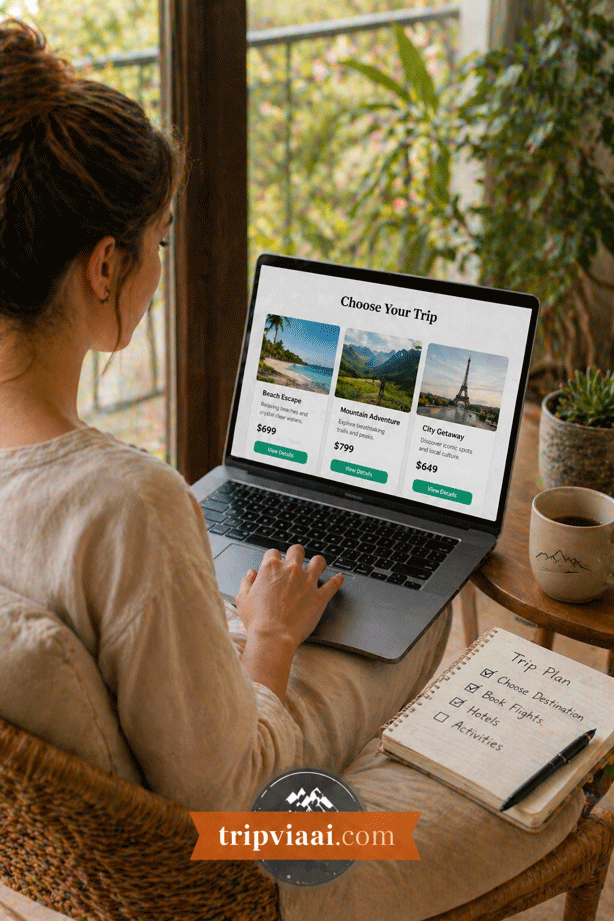
Planning the perfect getaway
6. Keep Multiple Transportation Options Ready
Many travellers carefully plan how they will reach their destination but give very little thought to what happens if those plans suddenly change. Delayed trains, cancelled flights, public transportation strikes, and unexpected weather conditions can quickly disrupt even the best itinerary.
Experienced travellers rarely depend on a single transportation option. Before arriving, they often identify alternative train routes, backup ride-sharing services, nearby bus stations, and other transportation methods that can be used if necessary.
I learned this lesson during a trip when a transportation strike affected thousands of travellers. Because I had already researched alternative routes, I was able to continue my journey with minimal disruption while many others struggled to find last-minute solutions.
Among the most useful pro travel tips, having backup transportation options provides flexibility and peace of mind. It is also one of those smart travel strategies that becomes incredibly valuable when unexpected situations arise.
7. Use Airport Layovers Strategically
Most travellers view layovers as inconvenient waiting periods between flights. Experienced travellers often see them differently.
A well-planned layover can provide opportunities to rest, recharge devices, organize travel documents, update itineraries, or even briefly explore a new city if time allows. Instead of simply waiting for the next flight, pro travellers often use this time productively.
Long layovers can also reduce travel fatigue by providing a break between flights. Rather than rushing through connections, some travellers intentionally choose routes that include manageable layover times.
The key is finding balance. Extremely short layovers increase the risk of missed connections, while excessively long layovers can become exhausting. Learning how to use layovers effectively is one of those pro travel tips that improves the overall travel experience without increasing costs.
Small efficiencies like these often separate experienced travellers from everyone else.
8. Build a Personal Travel Toolkit
Every experienced traveller eventually develops a small collection of items that consistently make travel easier. Instead of packing random accessories, they create a personal travel toolkit based on real experience.
This toolkit may include a power bank, travel adapter, document organizer, reusable water bottle, portable charger, or other items that solve recurring travel problems.
The contents will vary depending on travel style, but the concept remains the same. Rather than reacting to the same issues repeatedly, travellers prepare solutions in advance.
Over time, this toolkit becomes one of the most valuable parts of travel preparation because it improves convenience without requiring major effort.
Many pro travel tips focus on systems rather than individual actions. Building a personal travel toolkit is a perfect example because it creates long-term benefits that apply to almost every trip.
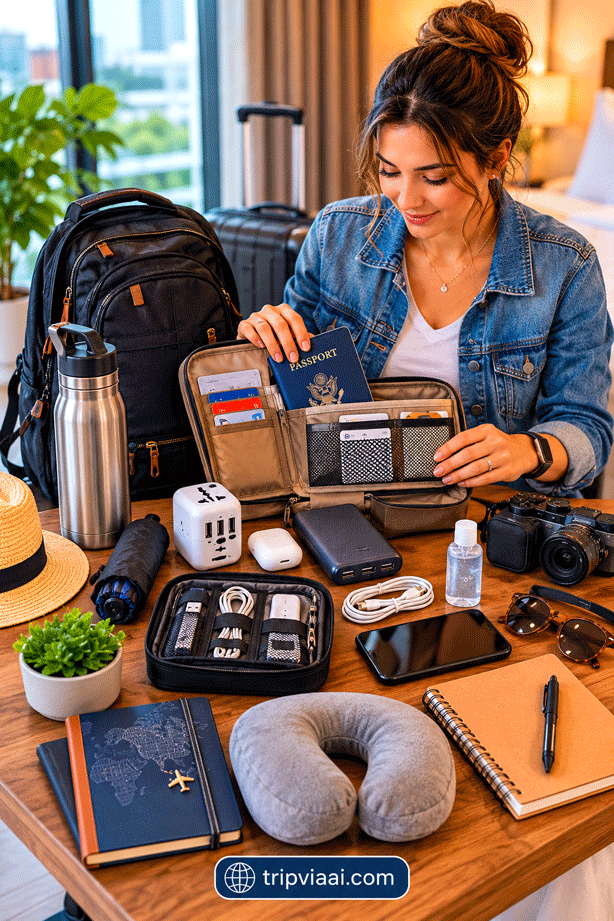
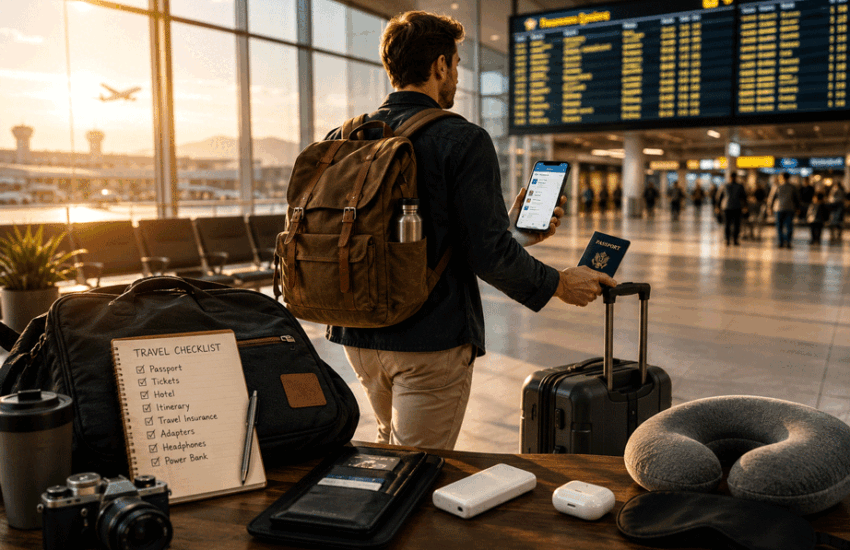
Personal Travel Toolkit Preparation Scene
9. Create Backup Plans for Every Critical Booking
One lesson experienced travellers learn quickly is that travel rarely goes exactly according to plan. Flights get delayed, hotels occasionally experience booking issues, and transportation schedules can change unexpectedly.
That is why many professional travellers create backup plans for their most important reservations before the trip even begins.
This does not mean expecting problems. It simply means understanding what alternatives are available if something changes.
For example, knowing nearby hotel options, alternative transportation methods, or backup flight routes can significantly reduce stress when unexpected disruptions occur.
If you want to avoid common planning mistakes, you should also read 15 Budget Travel Mistakes That Are Costing You Money because many travel problems become expensive simply because travellers are unprepared.
Among all pro travel tips, this is one of the most valuable because it transforms unexpected disruptions into manageable inconveniences.
10. Optimize Loyalty Programs and Rewards
Many travellers join airline, hotel, and travel rewards programs but never take full advantage of them. Experienced travellers often approach these programs strategically.
Rather than collecting points randomly, they focus on maximizing value by concentrating activity within specific programs. This allows them to accumulate rewards faster and unlock benefits that occasional travellers rarely receive.
Free upgrades, priority boarding, discounted stays, airport lounge access, and reduced travel costs can all result from a well-managed rewards strategy.
The key is consistency rather than complexity. You do not need dozens of memberships. Instead, focus on a small number of programs that align with your travel habits.
Learning how to use rewards effectively is one of those pro travel tips that can create long-term savings while improving the overall travel experience.
11. Treat Travel as a System of Small Advantages
Many people assume experienced travellers possess secret knowledge that makes travel easier. In reality, most travel expertise comes from accumulating small advantages over time.
Better packing decisions. Smarter booking strategies. Backup plans. Efficient transportation research. Organized travel systems.
Individually, these improvements may seem minor. Together, they create a dramatically better travel experience.
This mindset changes how people approach travel. Instead of searching for one perfect trick, they focus on making dozens of small improvements that work together.
That is why the best pro travel tips are rarely dramatic. They are practical systems that consistently save time, reduce stress, improve flexibility, and create smoother journeys.
Experienced travellers do not necessarily travel more often than everyone else. They simply learn how to make each trip work better through preparation, organization, and continuous improvement.
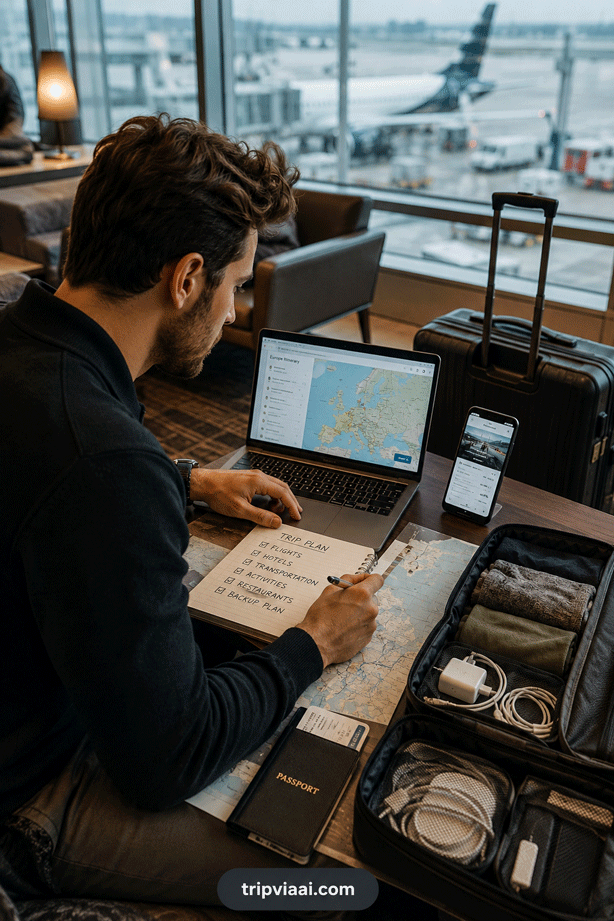
Experienced Traveler Planning Smarter Travel Systems
Conclusion
Great travel isn’t about spending more money or visiting more destinations. It’s about making smarter decisions before and during every journey. The pro travel tips in this guide are practical habits that help experienced travellers stay organised, reduce stress, avoid common mistakes, and travel with greater confidence.
You don’t need to apply every tip at once. Start by improving one or two travel habits on your next trip, then continue building better systems over time. Small changes—such as packing lighter, planning backup options, or tracking flight prices—can make a noticeable difference to your overall travel experience.
As you gain more experience, these habits become second nature, making every journey smoother, more efficient, and more enjoyable. If you’re looking for more practical travel advice, packing guides, and beginner-friendly travel resources, explore more articles on TripViaAI and keep building smarter travel habits for every adventure.