
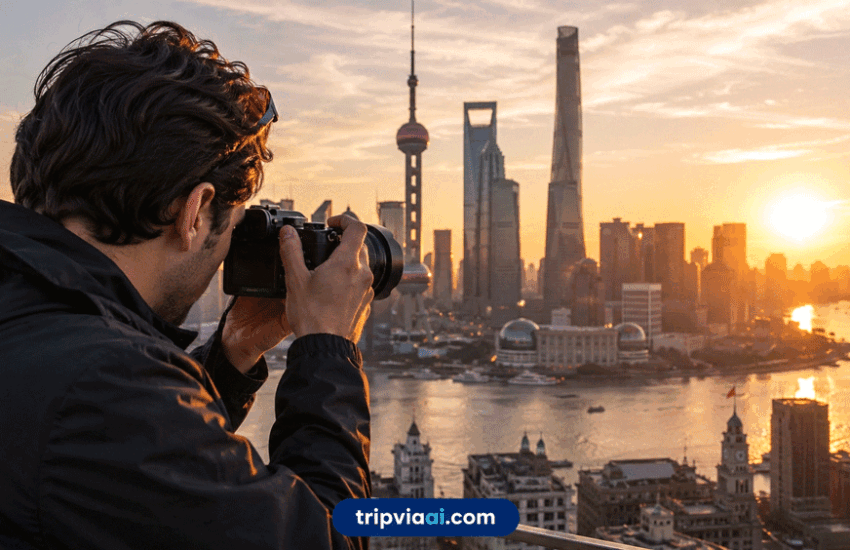
 Posted by
 Choosing the best cameras for travel photography can completely change the way your travel memories look and feel. A good travel camera does more than capture beautiful places. It helps preserve real moments, colours, emotions, and experiences exactly the way you remember them. Whether you are photographing mountain landscapes, busy city streets, beaches, cafés, or nighttime views, the right camera makes a huge difference in image quality and overall travel storytelling.
I realised this during one of my early trips when I relied only on my phone camera. Some photos looked decent, but many important moments lost detail and atmosphere, especially during sunsets and low-light scenes. Later, after switching to a proper travel camera, the difference felt incredible. The images looked sharper, more cinematic, and much closer to the real experience. Travellers who also want smarter packing ideas for camera gear can explore guides like How to Choose the Right Travel Gear for Any Trip in 2026 before planning their next photography trip.
Why Choosing The Best Cameras For Travel Photography Matters
The best cameras for travel photography help travelers capture sharper landscapes, better low-light photos, cinematic videos, and unforgettable travel moments with professional image quality. From lightweight mirrorless cameras to premium travel photography gear, the right camera makes every trip easier to document and more visually memorable.
Best Cameras For Travel Photography That Capture Stunning Travel Moments
Mirrorless Cameras Are Perfect For Modern Travel Photography
Mirrorless cameras have become extremely popular among travelers because they offer professional image quality without the heavy size of traditional DSLR cameras. Many travelers now prefer mirrorless systems because they are lighter, faster, and easier to carry during long trips, airport transfers, and outdoor adventures.
The biggest advantage of mirrorless cameras is portability. Travelers can comfortably carry them while exploring cities, hiking mountains, or walking through crowded tourist areas for hours. Modern mirrorless cameras also deliver excellent low-light performance, fast autofocus, and cinematic video quality, which makes them ideal for both photography and travel content creation.
I noticed a huge difference after switching from a bulky DSLR to a mirrorless camera during one international trip. Carrying camera gear suddenly felt far less exhausting, especially during long sightseeing days.
Premium mirrorless models like Sony A1 and Canon EOS R5 are now considered some of the best cameras for travel photography because they combine portability with outstanding image quality.
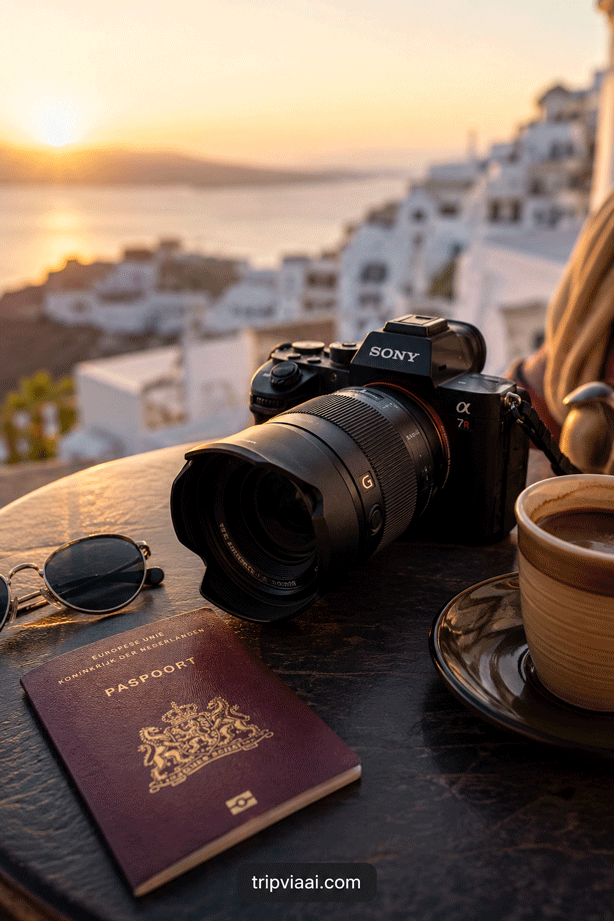
Golden Hour Wanderlust On A Terrace
Compact Cameras Are Great For Lightweight Travel
Not every traveler wants to carry large camera gear during trips. Compact cameras remain one of the smartest options for travelers who want better image quality than smartphones without carrying heavy equipment everywhere.
Modern compact cameras now include powerful sensors, strong zoom capabilities, and impressive video performance inside small bodies that easily fit inside jackets or sling bags. They are especially useful for street photography, casual sightseeing, and quick travel moments where convenience matters most.
Many travelers also prefer compact cameras because they attract less attention in crowded tourist areas compared to larger professional setups. This makes travel photography feel more natural and less stressful.
Travelers looking for smaller gear setups can also explore practical planning ideas in [How to Plan a Trip Without Feeling Overwhelmed] before planning photography-focused trips.
Full Frame Cameras Deliver Exceptional Image Quality
Travelers who want the highest image quality often prefer full frame cameras for professional-level travel photography. These cameras perform especially well in low-light situations, which makes them perfect for sunsets, night markets, city lights, indoor cafés, and evening street photography.
One of the biggest advantages of full frame cameras is their ability to capture more detail and natural depth in photos. Colors usually appear richer, highlights look smoother, and background blur feels far more cinematic compared to smaller camera sensors.
I noticed this difference clearly while photographing a city skyline during sunset. My older camera struggled to capture the atmosphere properly, while a full frame camera preserved the lighting and details much more naturally.
Premium models like Leica Q3 and Nikon Z8 are considered some of the best cameras for travel photography for travelers who prioritize professional image quality during trips.
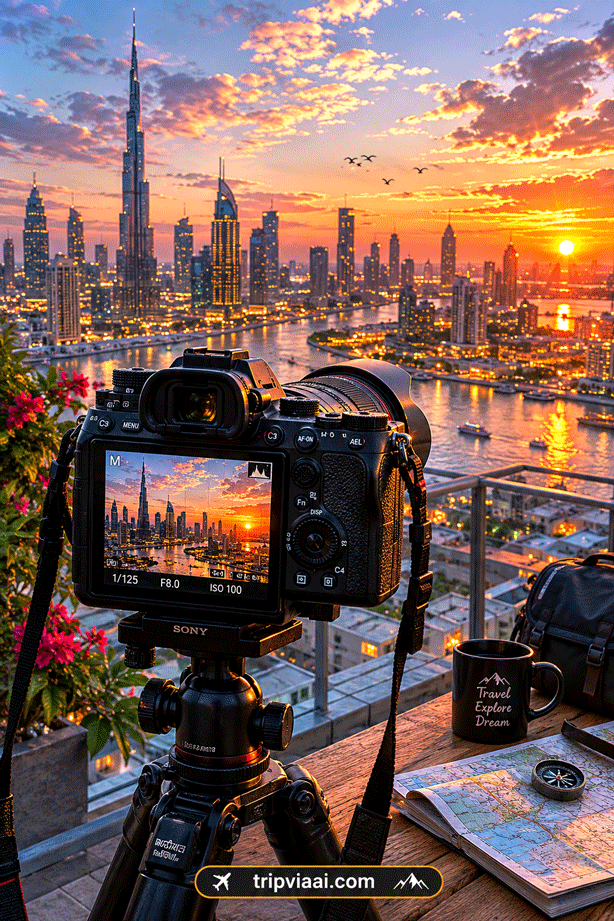
Cityscape sunset from a photographer’s rooftop
Weather-Sealed Cameras Are Better For Outdoor Adventures
Travel photography often includes unpredictable weather conditions. Rain, dust, humidity, snow, beaches, and mountain environments can quickly damage camera gear if it is not properly protected. This is why many experienced travelers prefer weather-sealed cameras during outdoor trips.
Weather-sealed cameras are designed to handle rough travel conditions more safely than standard camera bodies. Travelers exploring mountains, waterfalls, deserts, or coastal destinations usually benefit the most from this extra protection.
During one mountain trip, unexpected rain forced several travelers to hide their cameras immediately. Meanwhile, photographers using weather-sealed gear continued shooting comfortably without worrying about light rain or moisture.
Travelers planning nature-focused trips or outdoor adventures often consider weather protection one of the most important features when choosing the best cameras for travel photography.
Lightweight Camera Bodies Reduce Travel Fatigue
Heavy camera gear quickly becomes exhausting during long travel days. Walking through airports, exploring tourist attractions, hiking scenic trails, or spending hours on city streets feels much harder when carrying oversized equipment. This is why many travelers now prefer lightweight camera systems for travel photography.
Modern travel cameras are becoming smaller without sacrificing image quality. Lightweight mirrorless bodies allow travelers to shoot comfortably for longer periods while also saving space inside backpacks and carry-on luggage.
I once carried a heavy DSLR setup during a full day of sightseeing and realized I spent more energy carrying equipment than actually enjoying the destination. After switching to lighter gear during another trip, travel photography immediately felt more enjoyable and less tiring.
The best cameras for travel photography are often the ones travelers feel comfortable carrying all day without frustration.
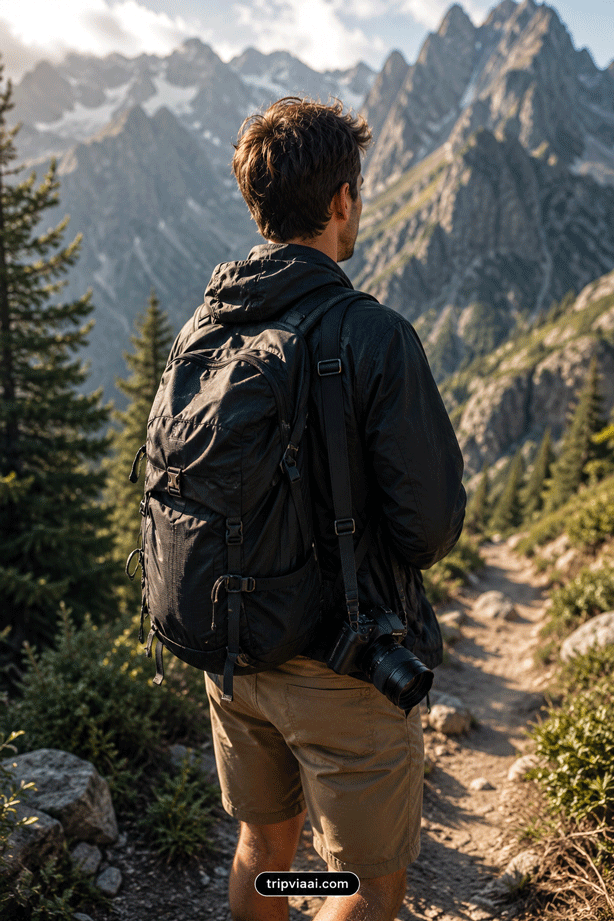
Hiker in mountain trail at sunset
Cameras With Strong Battery Life Are Better For Long Trips
Battery performance becomes extremely important during travel, especially when travelers spend entire days exploring destinations without regular charging opportunities. A camera with weak battery life can quickly become frustrating during sightseeing tours, road trips, or outdoor adventures.
Many experienced travelers prioritize battery performance when choosing travel cameras because carrying multiple backup batteries is not always convenient. Cameras with efficient battery systems allow travelers to shoot longer without constantly worrying about power levels.
Long battery life becomes especially useful for:
- Full-day sightseeing
- Travel vlogging
- Nature photography
- Time-lapse shooting
- Long transportation days
During one city trip, my camera battery died just before sunset because I underestimated how much power I would use throughout the day. Since then, battery performance has become one of the first things I check before buying camera gear.
Cameras With Fast Autofocus Capture Better Travel Moments
Travel photography often involves fast-moving situations that happen unexpectedly. Busy streets, local markets, moving vehicles, wildlife, and spontaneous travel moments can disappear within seconds. Cameras with fast autofocus systems help travelers capture these moments more accurately.
Modern autofocus systems can quickly detect faces, moving subjects, and even eyes in real time. This makes travel photography feel easier, especially for beginners who may struggle with manual camera settings during busy situations.
Fast autofocus is especially useful for:
- Street photography
- Wildlife photography
- Travel videos
- Action shots
- Walking city scenes
Many travelers now consider autofocus performance one of the most important features when choosing the best cameras for travel photography because travel moments rarely wait for perfect camera adjustments.
Cameras With Good Low-Light Performance Improve Night Photography
Some of the most beautiful travel moments happen after sunset. Night markets, city lights, rooftop cafés, festivals, street food areas, and evening skylines often create incredible photography opportunities. Cameras with strong low-light performance help travelers capture these scenes with better detail, less noise, and more natural lighting.
Many beginner travelers feel disappointed when nighttime photos look blurry or grainy on basic cameras. Premium travel cameras with larger sensors and advanced image processing perform much better in darker environments.
I realized how important low-light performance was during a night walk through a busy city market. My older camera struggled to capture the atmosphere properly, while newer camera systems preserved the colors and lighting much more naturally.
Travelers who enjoy city photography, evening landscapes, or cinematic travel videos should always prioritize low-light performance when selecting the best cameras for travel photography.
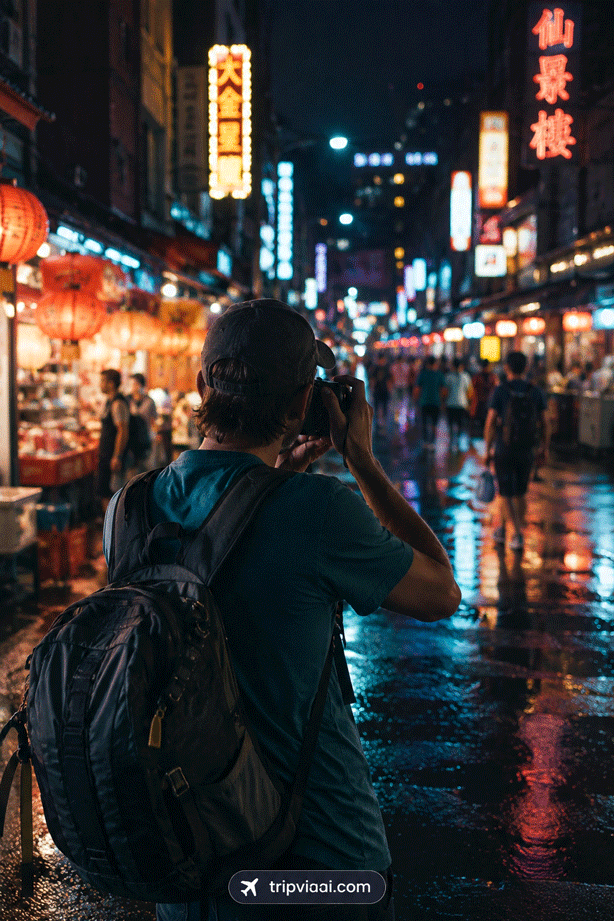
Neon-lit night market photographer perspective
Cameras With Flip Screens Are Great For Travel Vlogging
Travel content creation has become extremely popular in recent years. Many travelers now record videos, create reels, and document journeys for social media or personal memories. Cameras with flip screens make this process much easier because travelers can monitor framing while recording themselves.
Flip screens are especially useful for solo travelers who do not always have someone available to help with photos or videos. They also improve convenience during travel vlogging, café recordings, walking tours, and cinematic travel clips.
Travelers usually benefit from flip screens during:
- Solo travel vlogging
- Self-recorded travel videos
- Group photos
- Creative angles
- Social media content creation
Many modern mirrorless cameras now include high-quality flip screens because travel creators value convenience as much as image quality.
Lens Selection Matters More Than Many Travelers Realize
A good camera body is important, but lenses often affect travel photography even more. Different lenses completely change the way destinations look in photos and videos. Wide-angle lenses are excellent for landscapes and architecture, while zoom lenses help travelers capture distant subjects more easily.
Many experienced travelers prefer carrying only one or two versatile lenses instead of multiple heavy options. This creates a more practical and comfortable travel setup during long journeys.
Popular travel photography lens types include:
- Wide-angle lenses for landscapes
- Zoom lenses for flexible shooting
- Prime lenses for low-light scenes
- Compact travel lenses for portability
Travelers choosing the best cameras for travel photography should always consider lens availability before buying a camera system because good lenses improve image quality far more than most people expect.
Recommended Products:
Sony FE 24-70mm f/2.8 GM II
Canon RF 15-35mm f/2.8L IS USM
Compact Camera Setups Make Airport Travel Easier
Travel photography becomes much more enjoyable when camera gear feels easy to carry. Large camera bags and oversized equipment quickly become frustrating during airport transfers, public transportation, and long sightseeing days. Many travelers now prefer compact camera setups because they balance portability with excellent image quality.
Smaller camera systems also attract less attention in crowded tourist areas, which helps travelers photograph more naturally and comfortably. Compact setups are especially useful for travelers who want professional-quality photos without carrying heavy gear everywhere.
I once carried an oversized camera backpack during a full day of city exploration and realized I spent more time adjusting equipment than enjoying the destination itself. Since then, I have preferred lighter and more practical travel photography setups.
Travelers looking for smarter packing strategies for camera gear can also explore [12 Budget Friendly Travel Gear Items That Save Your Money] before planning photography-focused trips.
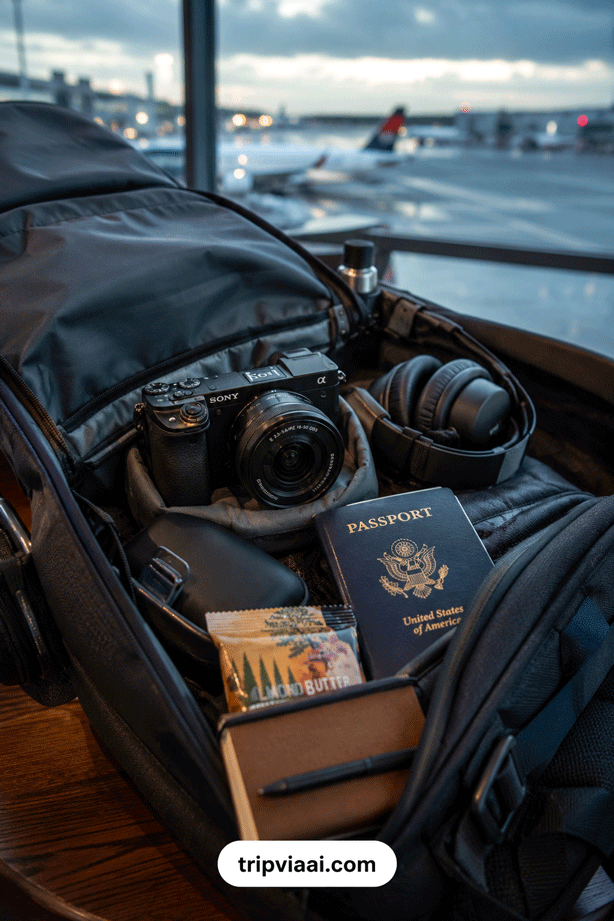
Travel essentials at the airport
Travel Cameras With Image Stabilization Capture Smoother Shots
Travel photography often happens while walking through busy streets, moving vehicles, hiking trails, or crowded tourist attractions. Cameras with strong image stabilization help reduce blur and shaky footage during these situations.
Image stabilization becomes especially useful for handheld photography and travel videos because travelers cannot always carry tripods everywhere. Modern stabilization systems allow photographers to capture smoother footage even while moving through fast-paced travel environments.
This feature is especially helpful for:
- Walking travel videos
- Low-light handheld shots
- Street photography
- Cinematic travel footage
- Outdoor adventure filming
Many travelers now consider stabilization one of the most important features when choosing the best cameras for travel photography, especially for content creation and travel vlogging.
Beginner Travelers Should Focus On Ease Of Use
Many travelers buy expensive cameras without understanding how difficult some systems can feel for beginners. Complex controls and confusing settings often make travel photography more stressful instead of enjoyable.
The best travel camera for beginners is usually one that feels simple, comfortable, and easy to learn during trips. Cameras with user-friendly menus, automatic shooting modes, touchscreen controls, and reliable autofocus systems help beginners capture better photos more confidently.
I remember feeling overwhelmed while trying to adjust complicated camera settings during one trip. Instead of enjoying the destination, I spent too much time struggling with menus and controls. After switching to a more beginner-friendly camera, photography immediately became more enjoyable.
Travelers who are new to photography should prioritize comfort and usability instead of focusing only on technical specifications.
Conclusion
Choosing the best cameras for travel photography is not only about buying the most expensive camera. The right travel camera should match your travel style, comfort level, and photography goals. Some travelers prefer lightweight mirrorless cameras for portability, while others prioritize full frame image quality, strong low-light performance, or travel vlogging features.
The most important thing is finding a camera that helps you enjoy the journey while capturing meaningful moments naturally. Great travel photography is not only about technical perfection. It is about preserving memories, emotions, and experiences that remain special long after the trip ends.
Travelers looking for smarter travel gear ideas and beginner-friendly travel planning tips can also explore more helpful guides on tripviaai.com.