
 Posted by
 Introduction
For many beginners, applying for a visa feels more stressful than planning the actual trip. Terms like visa requirements, supporting documents, financial proof, processing times, and application forms can quickly become confusing, especially if this is your first time traveling internationally.
I remember spending hours researching visa rules before one of my early international trips because I was worried about making a small mistake that could delay the entire journey. Later, I realized that most visa applications become much easier when you understand the process step by step and prepare your documents properly in advance.
This visa guide for first-time international travelers simplifies the process by explaining the most important steps, common mistakes to avoid, and practical tips that help beginners apply with more confidence.
Travelers preparing for their first overseas journey can also explore [How to Plan a Trip Without Feeling Overwhelmed] to build a smoother travel experience after visa approval.
Why Understanding The Visa Process Matters
Many first-time travelers feel overwhelmed by visa applications because the process involves documents, financial proof, application forms, and country-specific requirements. This visa guide for first-time international travelers helps simplify the process by explaining the essential steps, common mistakes to avoid, and practical preparation strategies that improve your chances of a smooth and stress-free visa approval experience.
Understand What A Travel Visa Actually Is
Many first-time travelers think a visa guarantees entry into another country, but that is not entirely true. A visa is simply permission to travel to a country’s border and request entry. The final decision is usually made by immigration officials when you arrive.
Understanding this basic concept helps remove a lot of confusion during the planning stage. A good visa guide for first-time international travelers always starts with understanding how visas work because every country follows different rules and requirements.
Before applying, take time to understand whether your destination requires a tourist visa, e-visa, visa on arrival, or another travel authorization.
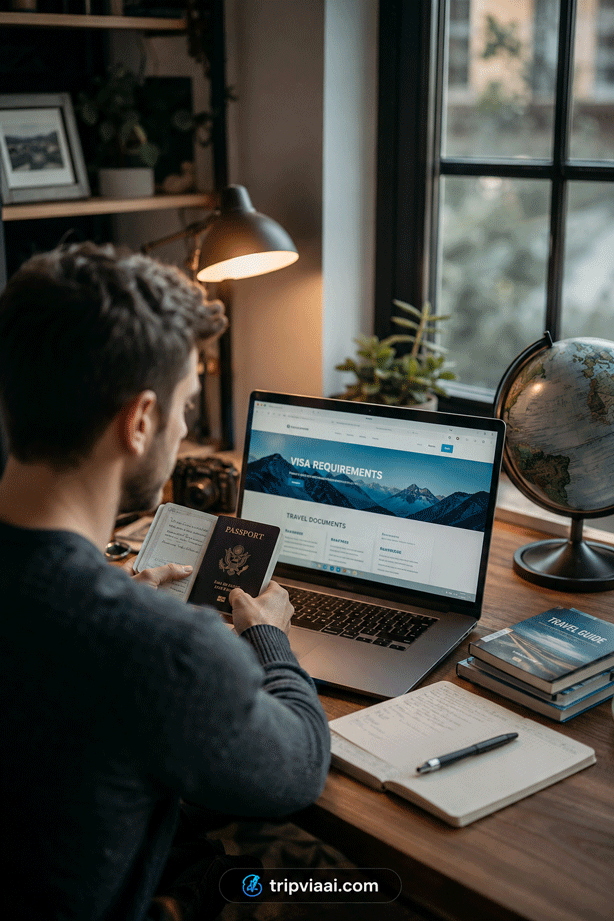
International Travel Documents Checklist Before Departure
Check Visa Requirements Before Booking Flights
One of the biggest mistakes beginners make is booking flights before understanding visa requirements. Some countries process visas quickly, while others may require several weeks or even months for approval.
Helpful advice in a visa guide for first-time international travelers often focuses on timing because proper planning reduces unnecessary financial risk.
I once met a traveler who booked expensive non-refundable flights before checking visa requirements properly. When additional documents were requested, the entire trip became stressful and uncertain.
Always verify visa rules directly from official government sources before making major travel payments.
Make Sure Your Passport Meets Validity Requirements
Many countries require passports to remain valid for at least six months beyond the planned travel date. This rule surprises many beginners because they assume a passport only needs to be valid during the trip itself.
A practical visa guide for first-time international travelers always includes passport checks because expired or nearly expired passports can create serious travel problems.
Before applying for any visa, review your passport carefully and make sure there are enough blank pages available if required by your destination country.
A few important passport checks include:
- Expiration date
- Name accuracy
- Blank visa pages
- Physical condition of the passport
Recommended Products
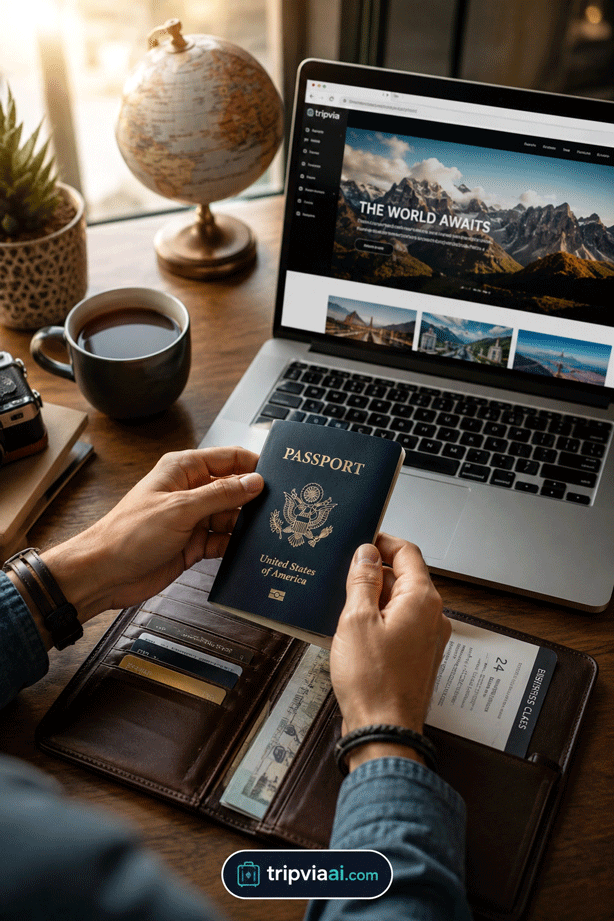
Passport Validity Check Before Travel
Prepare Financial Documents Carefully
Financial documents are one of the most important parts of many visa applications. Countries often want proof that travelers can support themselves during the trip without financial difficulties.
Helpful advice in a visa guide for first-time international travelers usually focuses on financial preparation because incomplete documents can delay applications or increase the chance of rejection.
Requirements vary by country, but common documents often include bank statements, salary slips, tax records, sponsorship letters, or proof of funds.
I once helped a friend review a visa application and discovered several missing financial documents that could have caused unnecessary delays. Careful preparation prevented a major problem later.
Avoid Common Visa Application Mistakes
Many visa rejections happen because of simple mistakes rather than serious problems. Missing documents, incorrect information, incomplete forms, and poor organization are some of the most common issues.
A smart visa guide for first-time international travelers always emphasizes accuracy because small errors can slow down the process significantly.
Before submitting an application, review every detail carefully. Double-check names, passport numbers, travel dates, accommodation details, and supporting documents.
Some common mistakes include:
- Submitting incomplete forms
- Uploading incorrect documents
- Using outdated passport information
- Providing inconsistent travel details
- Missing application deadlines
Travelers preparing for their first overseas journey can also explore [How to Plan a Trip Without Feeling Overwhelmed] to build a smoother travel experience after visa approval.
Understand Visa Processing Times Before Applying
One of the most common beginner mistakes is applying for a visa too late. Many travelers assume visa approval happens within a few days, but processing times vary significantly between countries. Some applications are approved quickly, while others require additional verification and take much longer.
A practical visa guide for first-time international travelers always recommends checking official processing timelines before making travel plans. Applying early provides extra time if additional documents are requested later.
I once saw a traveler postpone a visa application until the last moment and spend weeks worrying about whether approval would arrive before the flight date. Proper timing could have avoided that entire situation.
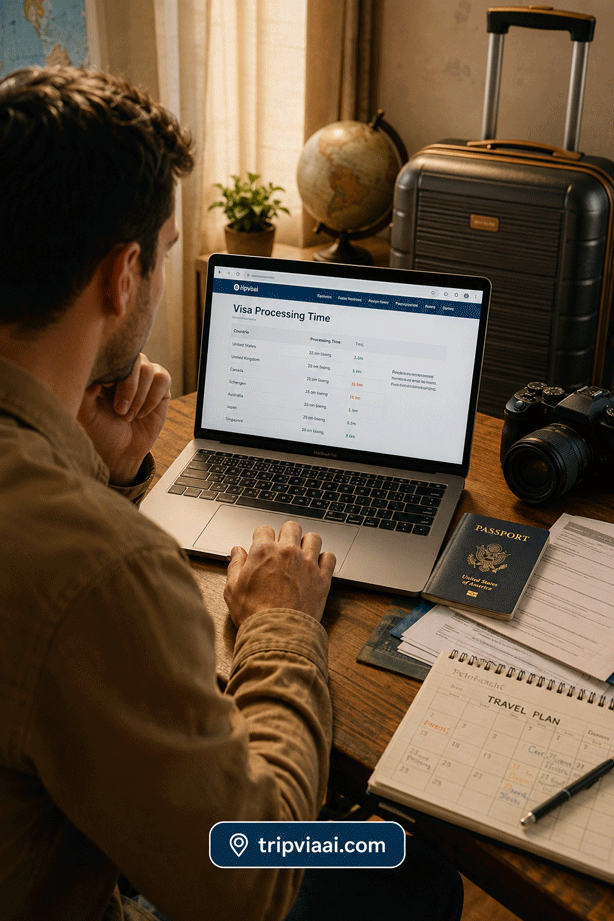
Visa Processing Timeline
Keep Digital And Physical Copies Of Every Important Document
Document organization becomes extremely important during visa applications and international travel. Losing access to an approval letter, passport copy, hotel booking, or travel insurance document can quickly create unnecessary stress.
Helpful advice in a visa guide for first-time international travelers often focuses on backups because they make travel significantly safer and easier.
Experienced travelers usually keep:
- Printed document copies
- Cloud storage backups
- Offline phone copies
- Emergency contact information
Having multiple copies ensures that important information remains accessible even if a phone, bag, or document gets misplaced.
Learn What Immigration Officers Usually Ask
Many beginners worry more about immigration than the visa application itself. In reality, immigration interviews are usually straightforward when travelers are prepared and honest.
A good visa guide for first-time international travelers includes immigration preparation because confidence reduces unnecessary stress after arrival.
Common questions often include:
- Why are you visiting?
- How long will you stay?
- Where will you stay?
- Do you have a return ticket?
I remember feeling nervous before my first international immigration check. The process ended in only a few minutes because my documents were organized and my answers were clear.
Travelers preparing for their first overseas journey can also explore [The Ultimate Airport and Immigration Guide for First-Time International Travelers] before departure.
Understand The Difference Between Visa Approval And Entry Permission
Many first-time travelers assume that receiving a visa guarantees entry into a country. However, visa approval and entry permission are not exactly the same thing.
Immigration officers still verify documents and travel intentions when you arrive. This is why travelers should always carry supporting documents even after receiving visa approval.
Helpful advice in a visa guide for first-time international travelers often highlights this distinction because misunderstanding it can create confusion during international travel.
Keeping hotel confirmations, return tickets, travel insurance details, and proof of funds available makes the arrival process smoother.
Prepare For Visa Interviews With Confidence
Not every country requires a visa interview, but some destinations include interviews as part of the application process. First-time travelers often become nervous because they expect complicated questions.
In reality, most visa interviews focus on understanding your travel purpose and confirming the information provided in the application.
A practical visa guide for first-time international travelers recommends reviewing your documents carefully before the interview and answering questions honestly.
The goal is not to memorize perfect responses. The goal is to provide accurate and consistent information confidently.
Recommended Products
Know What To Do If Your Visa Gets Rejected
A visa rejection can feel disappointing, but it does not always mean your travel plans are over. Many applications are rejected because of incomplete documents, insufficient financial proof, incorrect information, or weak supporting evidence rather than serious issues.
A practical visa guide for first-time international travelers should explain that rejection is often an opportunity to improve the application before applying again.
Instead of panicking, carefully review the reason provided by the embassy or immigration authority. Understanding the problem helps you prepare a stronger application in the future.
I once spoke with a traveler whose visa was rejected because an important supporting document was missing. After correcting the issue and reapplying, the visa was approved successfully.
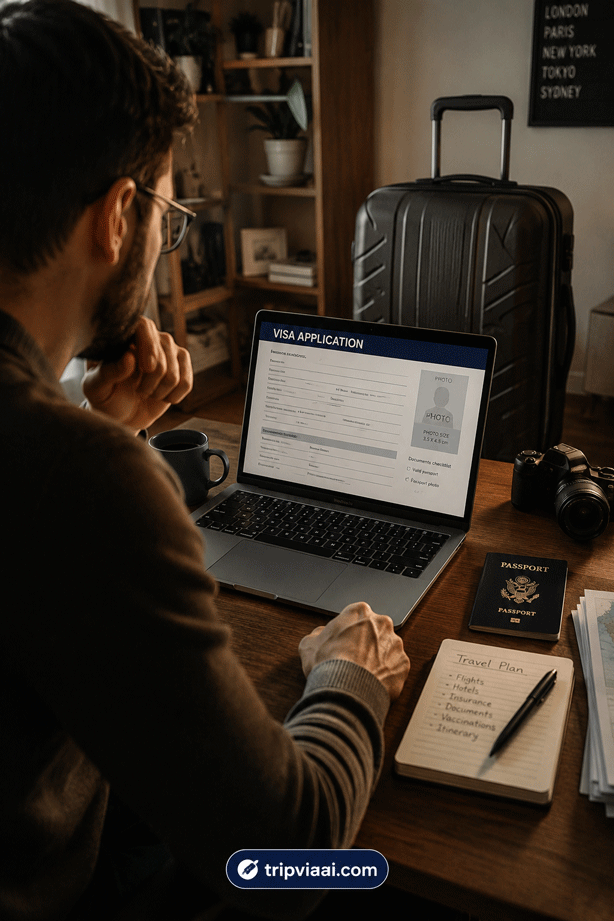
Visa Application Checklist Before International Travel
Do Not Ignore Travel Insurance Requirements
Some countries require travel insurance as part of the visa application process, while others strongly recommend it for international visitors. Even when it is not mandatory, travel insurance provides valuable protection against unexpected situations.
Helpful advice in a visa guide for first-time international travelers often includes travel insurance because medical emergencies, trip interruptions, and lost baggage can become expensive abroad.
Many travelers only think about insurance after a problem occurs. Experienced travelers usually arrange it before departure so they can travel with greater confidence.
Travelers preparing for their first overseas journey can also explore Travel Gadgets That Actually Make Travel Easier before departure.
Keep Your Travel History Organized
Travel history can become useful for future visa applications. Many countries consider previous international travel when reviewing applications, especially if travelers have followed visa rules correctly during earlier trips.
A smart visa guide for first-time international travelers recommends keeping old visas, entry stamps, travel records, and important documents organized after every trip.
Building a clean travel history over time often strengthens future applications and makes international travel easier.
Create A Final Visa And Travel Checklist Before Departure
Even after receiving visa approval, preparation should not stop. Many beginners become so excited about approval that they forget important travel tasks before departure.
Before leaving, verify:
- Passport validity
- Visa approval documents
- Hotel bookings
- Return tickets
- Travel insurance
- Emergency contacts
- Financial documents
A simple checklist helps prevent unnecessary last-minute problems and creates a smoother airport experience.
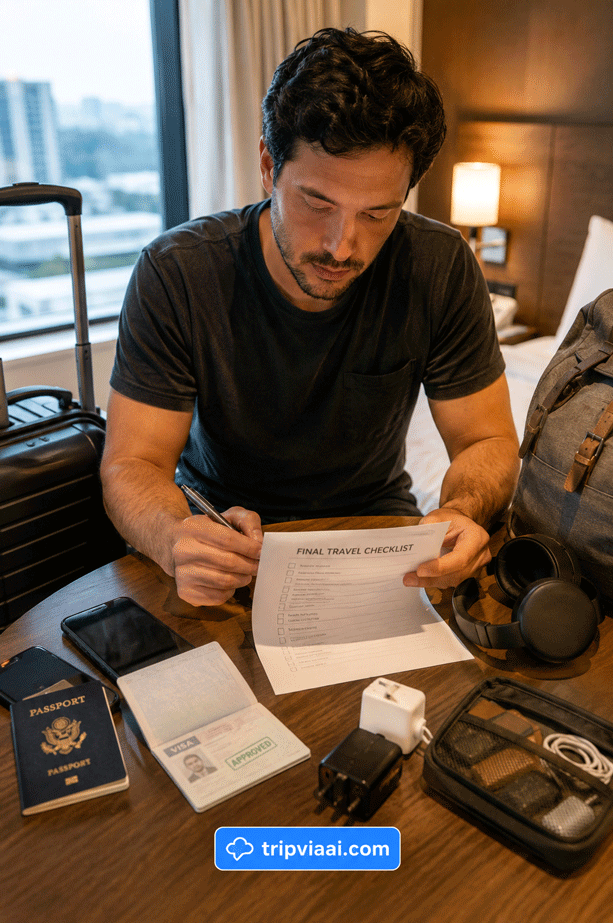
Final Travel Checklist Before Departure
Focus On Confidence, Not Fear
Many first-time travelers spend weeks worrying about visa applications because the process feels unfamiliar. In reality, most successful applications come from careful preparation, accurate information, and organized documentation.
The purpose of this visa guide for first-time international travelers is not to make the process seem complicated. It is to show that visas become much easier when you follow the correct steps and prepare properly.
Every experienced international traveler was once a beginner. The more organized your preparation becomes, the more confident you will feel throughout the application process and the journey that follows.
Visa Application Mistakes vs Smart Visa Habits (Comparison Table)
| Common Visa Mistakes | Smart Visa Habits |
|---|---|
| Applying too late | Applying several weeks before travel |
| Booking flights before checking visa requirements | Understanding visa rules first |
| Submitting incomplete documents | Reviewing all documents carefully |
| Ignoring passport validity rules | Checking passport validity early |
| Keeping only one copy of documents | Keeping both digital and physical copies |
| Providing inconsistent information | Maintaining accurate details everywhere |
| Skipping travel insurance research | Understanding insurance requirements beforehand |
| Arriving unprepared for immigration questions | Organizing travel documents in advance |
| Panicking after a rejection | Reviewing the reason and improving the application |
| Relying only on memory | Using a travel checklist before departure |
Frequently Asked Questions (FAQs)
1. How early should I apply for a tourist visa?
Most travelers should apply at least several weeks before departure. Processing times vary by country, and early applications reduce unnecessary stress.
2. Can I book flights before receiving visa approval?
It depends on the destination and your risk tolerance. Many travelers prefer flexible bookings until visa approval is confirmed.
3. What is the most common reason for visa rejection?
Incomplete documentation, incorrect information, insufficient financial proof, and missing supporting documents are among the most common reasons.
4. Do all countries require travel insurance?
No. Some countries require it, while others only recommend it. Always check the official requirements for your destination.
5. How much bank balance is needed for a visa?
Requirements vary by country. Most destinations expect travelers to show sufficient funds to support themselves during the trip.
6. Is a visa interview difficult for beginners?
Most visa interviews are straightforward. Officials usually ask about travel plans, accommodation, finances, and the purpose of the trip.
7. What should I do if my visa application is rejected?
Review the rejection reason carefully, correct the issue, and apply again if appropriate. Many travelers receive approval after improving their applications.
Conclusion
Applying for a visa may seem intimidating at first, but the process becomes much easier when you understand the requirements and prepare your documents properly. The best advice in this visa guide for first-time international travelers is to stay organized, apply early, and double-check every detail before submission.
From understanding visa requirements and preparing financial documents to handling immigration checks and avoiding common mistakes, small preparations often make the biggest difference.
The goal is simple.
👉 Replace uncertainty with preparation and confidence.
Once you complete your first successful visa application, future international trips usually become much easier to plan and manage.
For more beginner-friendly travel tips and international travel guides, visit tripviaai.com.