
 Posted by
 Introduction
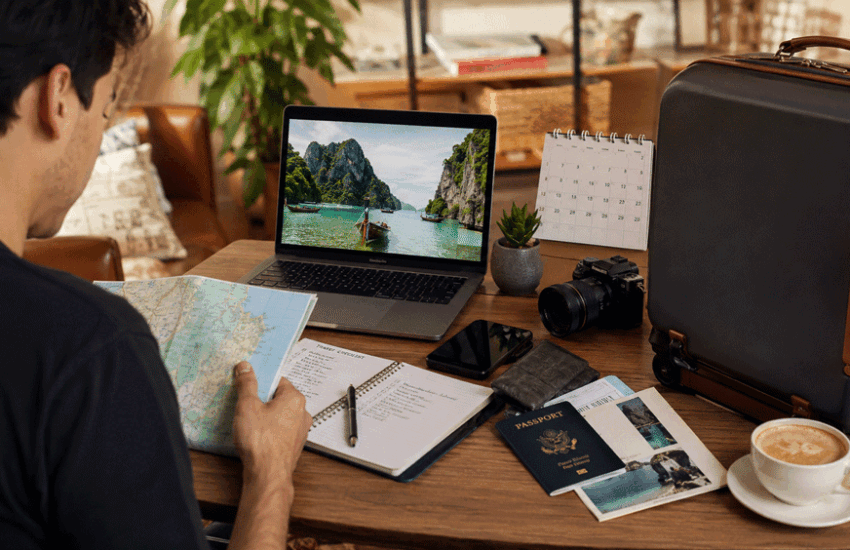
Many travelers think trip planning starts when they book a flight. In reality, the quality of a trip is often decided weeks or even months before departure. Poor planning can lead to rushed decisions, unnecessary expenses, missed opportunities, and avoidable travel stress.
I learned this lesson while preparing for a trip that looked simple at first. I spent most of my time comparing flights and hotels but ignored several smaller details. As departure day approached, I found myself rushing to organize documents, transportation plans, and travel essentials. The trip still went well, but the preparation process was far more stressful than it needed to be.
A smart travel planning timeline helps travelers spread important tasks across different stages instead of trying to do everything at once. From defining travel goals and managing expenses to testing travel gear and creating backup plans, proper preparation makes the entire journey smoother and more enjoyable. Travelers looking for a complete preparation framework can also explore International Travel Checklist Before Your First Trip before finalizing their plans.
Complete Travel Planning Timeline Before Your Trip
Define The Purpose Of Your Trip Before Spending Money
Most travelers choose a destination first and think about the purpose later. However, one of the smartest travel planning tips is deciding why you are traveling before making any bookings.
For example, a photography-focused trip requires a completely different plan than a relaxing beach vacation or a fast-paced sightseeing adventure. Defining your travel goals early helps you make better decisions about destinations, budgets, activities, and accommodations.
I once planned a trip without a clear goal and ended up trying to do everything at once. The result was a packed schedule that felt exhausting instead of enjoyable.
Before spending money, ask yourself:
- Do I want relaxation?
- Do I want adventure?
- Do I want photography opportunities?
- Do I want cultural experiences?
- Do I want a budget-friendly trip?

Set Clear Travel Goals Before You Start Planning
Create A Dedicated Travel Decision Folder
One of the simplest ways to improve a travel planning timeline is creating one place for all travel information. Many travelers save screenshots, emails, notes, and booking ideas across multiple apps, making information difficult to find later.
A dedicated travel folder keeps everything organized from the beginning.
Useful sections may include:
- Flight options
- Hotel research
- Budget notes
- Activity ideas
- Transportation plans
- Travel documents
This small habit saves a surprising amount of time throughout the planning process and makes decision-making significantly easier.
Identify Your Biggest Travel Expense Early
Many travelers try to save money everywhere without understanding where most of their budget will actually go. A better approach is identifying the largest expense category first.
For some travelers, flights consume most of the budget. For others, hotels, activities, or transportation become the largest expense.
A practical travel planning timeline focuses on major costs first because optimizing the biggest expense often creates the largest savings.
Once you know where most of your money will go, planning becomes far more strategic and realistic.
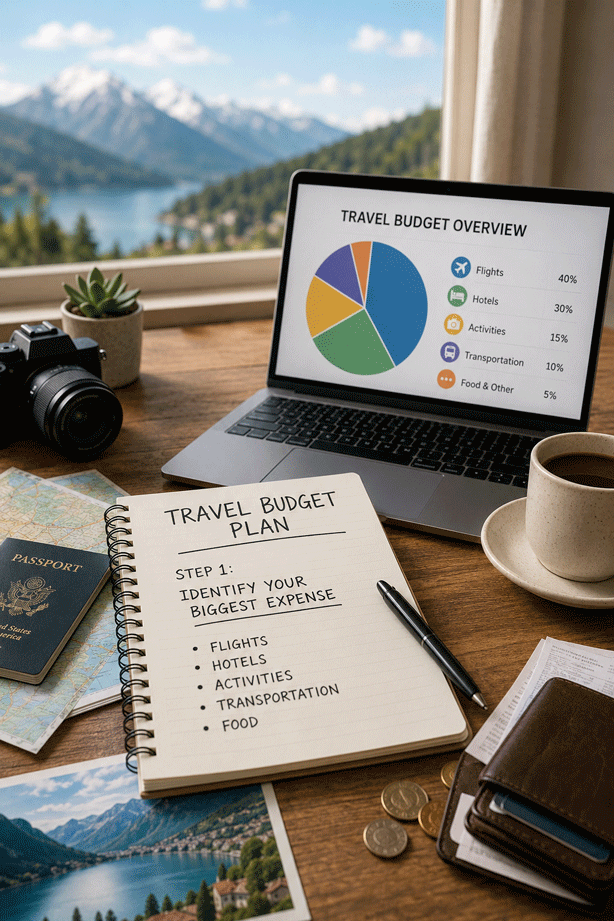
Identify Your Biggest Travel Expense Before You Start Planning
Build A Daily Budget Instead Of A Total Budget
Many travelers create a single trip budget and assume everything will work out. Unfortunately, large budget numbers often feel abstract and difficult to manage.
A more effective strategy is building a daily spending plan.
Instead of saying:
“My budget is $1,500.”
Break it into:
- Accommodation per day
- Food per day
- Transportation per day
- Activities per day
- Emergency spending per day
This approach provides much greater control and helps travelers adjust spending before problems develop.
Build A Destination Knowledge Base Before You Arrive
One of the most overlooked travel preparation strategies is learning how the destination actually works before arrival.
A strong travel planning timeline includes destination research that goes beyond tourist attractions.
Learn about:
- Local transportation
- Weather conditions
- Common tourist mistakes
- Local payment methods
- Cultural expectations
- Emergency contacts
I once arrived in a destination without researching transportation options and spent far longer than necessary trying to reach my hotel. Since then, destination research has become one of the first things I do during trip planning.
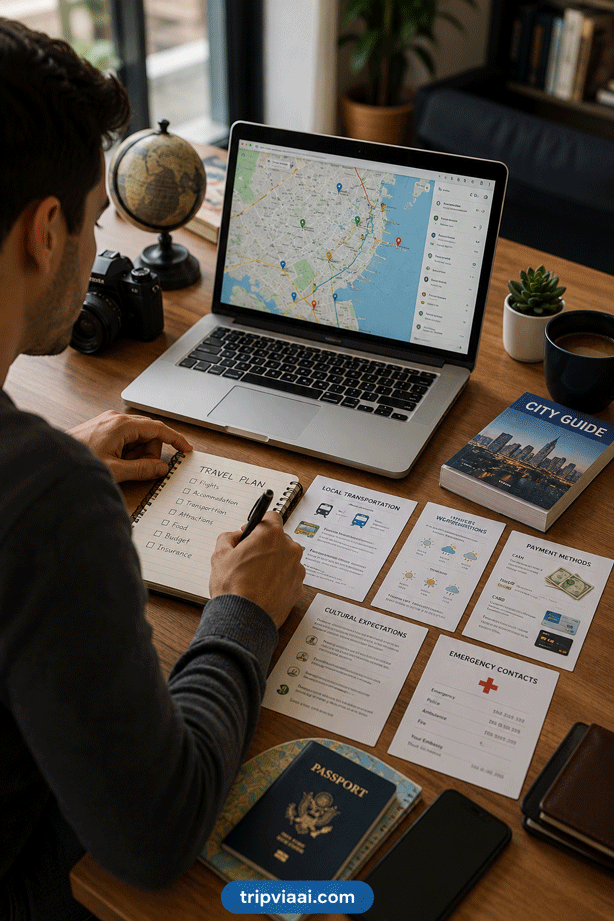
Build a Destination Knowledge Base Before You Arrive
Create A Backup Plan Before You Need One
Most travelers spend all their time planning the ideal trip and very little time preparing for situations that do not go according to plan. However, one delayed flight, transportation strike, weather issue, or hotel problem can quickly disrupt an itinerary.
A smart travel planning timeline includes a backup plan long before departure day. The goal is not to expect problems. The goal is to know what you will do if something unexpected happens.
Consider preparing:
- A backup hotel option
- Alternative transportation methods
- Emergency contact information
- Offline copies of important bookings
- A small emergency budget
I once had a hotel reservation issue after arriving at a destination. Because I had already researched nearby alternatives, solving the problem took minutes instead of hours.
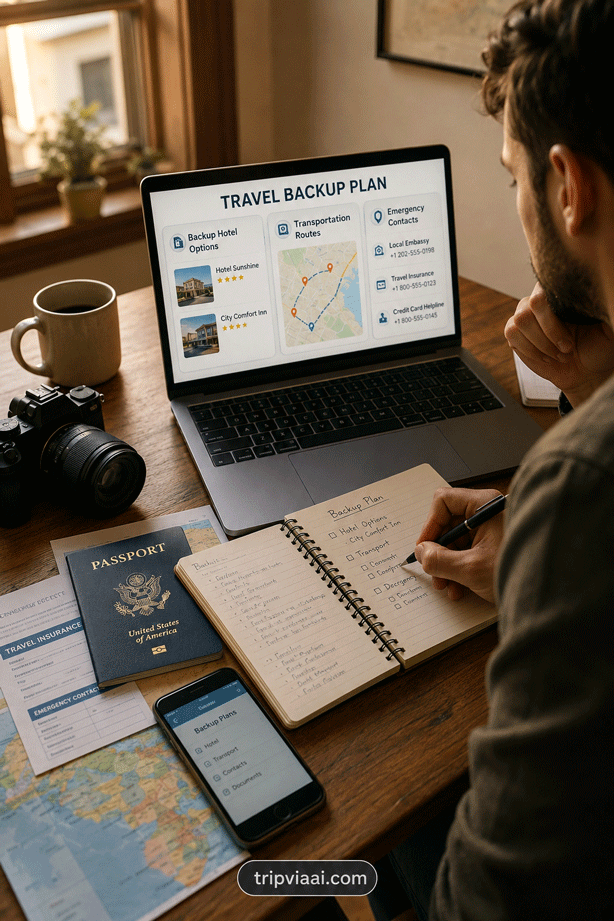
Travel Backup Planning: Always Have a Plan B
Test Your Travel Gear Before The Trip
Many travelers use important travel gear for the first time during the trip itself. Unfortunately, airports and unfamiliar destinations are not ideal places to learn how equipment works.
A practical travel planning timeline includes testing travel gear several weeks before departure. This gives you time to solve problems, replace faulty items, and become comfortable using your equipment.
I once packed a new travel accessory without testing it beforehand and discovered an issue only after reaching the airport. Since then, I always test important gear before every trip.
Things worth testing include:
- Charging equipment
- Travel adapters
- Portable internet devices
- Headphones
- Cameras
- Luggage systems
Reduce Decision Fatigue Before Departure
Many travelers underestimate how mentally exhausting travel preparation can become. The final week before departure often includes dozens of small decisions involving packing, transportation, finances, accommodation, and travel schedules.
One useful travel planning timeline strategy is reducing unnecessary decisions before travel day arrives.
For example:
- Plan airport transportation early
- Prepare clothing combinations
- Download required apps
- Organize travel documents
- Confirm reservations
The fewer decisions you need to make on departure day, the smoother the entire experience becomes.
Build A Personal Travel Information Hub
Most travelers save important information in multiple places. Flight confirmations may be in email, hotel details in another app, transportation notes in a phone document, and attraction ideas in screenshots.
A better approach is creating one central travel information hub.
Your hub may include:
- Flight information
- Hotel reservations
- Transportation plans
- Emergency contacts
- Travel budget
- Attraction lists
- Important addresses
A strong travel planning timeline focuses on organization because organized travelers spend less time searching for information and more time enjoying the trip.
Start Preparing For Your Return Trip Before Departure
Most travelers spend all their energy planning the departure and forget that returning home also requires preparation.
An overlooked travel planning tip is thinking about your return journey before the trip even begins.
Consider:
- Airport transportation after returning
- Work responsibilities
- Home arrangements
- Important appointments
- Budget for post-trip expenses
I once returned from a trip late at night without planning transportation home. Since then, return-trip planning has become a permanent part of my travel preparation process.
Recommended Products
Travelers preparing for their first major trip can also explore 11 Step Travel Guide for First-Time Travelers for additional planning strategies before departure.
Create A Simple Departure Week Routine
Many travel problems happen during the final week before departure because travelers suddenly try to complete everything at once. Tasks that could have been handled gradually become rushed and stressful.
A smart travel planning timeline includes a simple weekly routine instead of one large preparation session. Breaking tasks into smaller actions makes travel preparation feel much more manageable.
For example:
- Monday: Review bookings
- Tuesday: Organize travel documents
- Wednesday: Check finances
- Thursday: Test travel gear
- Friday: Review itinerary
- Weekend: Final packing
This approach reduces last-minute pressure and helps travelers feel more organized before departure.
Recommended Products
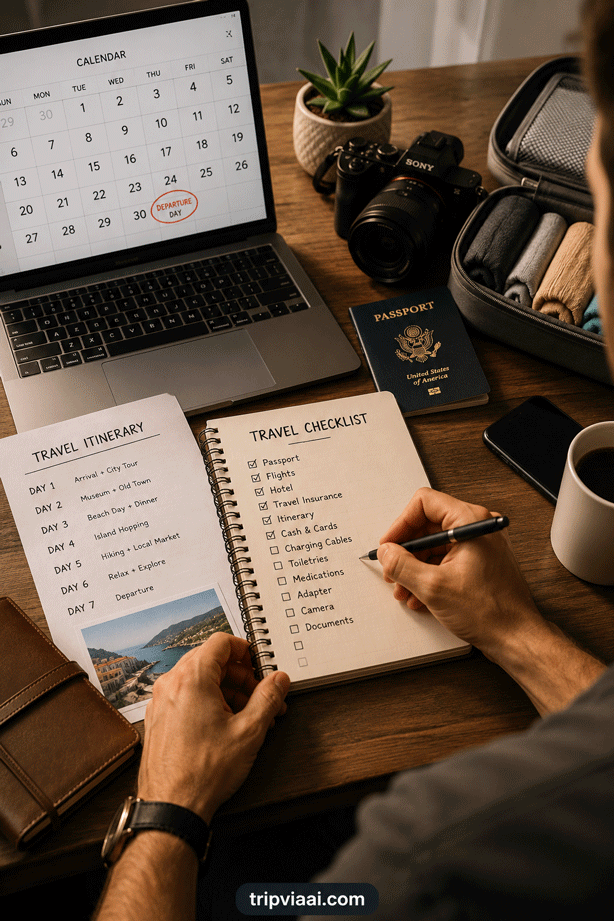
Your Final 7-Day Countdown Before Departure
Prepare For The First 24 Hours Of The Trip
Most travelers spend months planning the destination but rarely think about what will happen immediately after arrival.
One of the most practical travel planning tips is preparing specifically for the first 24 hours.
Ask yourself:
- How will I reach the hotel?
- Where will I get internet access?
- What if my flight arrives late?
- What if I feel tired after the journey?
- What is my first planned activity?
I learned this lesson after arriving exhausted at a destination with no clear arrival plan. Since then, I always prepare the first day separately from the rest of the itinerary.
Create A Personal Travel Efficiency System
Experienced travelers often appear relaxed because they follow systems rather than relying on memory.
A useful travel planning timeline includes creating your own travel process that you can reuse for every future trip.
Your system may include:
- A packing template
- A budgeting template
- A booking checklist
- A travel document folder
- A departure-day routine
The first trip requires effort, but future trips become significantly easier because the system already exists.
Review Every Major Travel Decision One Final Time
A few days before departure, step back and review your entire travel plan from beginning to end.
Many travelers only check whether bookings exist. Smart travelers review whether those bookings still make sense.
Questions worth asking include:
- Is the hotel location still ideal?
- Are airport transfer plans clear?
- Does the budget still look realistic?
- Are important reservations confirmed?
- Have travel priorities changed?
A complete review often reveals small issues before they become bigger problems during the trip.
Treat Travel Preparation As Part Of The Experience
One of the biggest mindset shifts travelers can make is understanding that travel does not start at the airport. Travel begins during preparation.
The purpose of a travel planning timeline is not simply organizing tasks. It is helping travelers enjoy the entire process instead of feeling overwhelmed by it.
Researching destinations, building travel plans, preparing equipment, and organizing experiences all become part of the adventure itself.
I have found that the trips I enjoy most are usually the ones where preparation feels intentional rather than rushed. Good planning does not remove spontaneity. It creates the confidence needed to enjoy unexpected experiences along the way.
Poor Travel Planning vs Smart Travel Planning
| Poor Travel Planning | Smart Travel Planning |
|---|---|
| Choosing a destination without clear goals | Defining the purpose of the trip first |
| Saving travel information in multiple places | Creating a dedicated travel information hub |
| Creating one large budget number | Building a realistic daily budget |
| Planning only for ideal situations | Creating backup plans for common problems |
| Using travel gear for the first time during the trip | Testing important gear before departure |
| Making every decision during the final week | Reducing decision fatigue gradually |
| Focusing only on departure day | Planning the entire travel timeline |
| Ignoring the first day after arrival | Preparing for the first 24 hours |
| Depending completely on memory | Following a structured planning system |
| Reviewing plans only once | Performing a final travel review before departure |
Conclusion
A successful trip rarely happens because of luck. It usually happens because important decisions were made at the right time. A well-organized travel planning timeline helps travelers avoid rushed choices, reduce stress, and prepare more confidently for every stage of the journey.
From defining travel goals and building realistic budgets to testing travel gear and creating backup plans, small actions completed weeks before departure often have the biggest impact later. The more organized your preparation becomes, the more freedom you gain to enjoy the actual trip.
👉 Great trips start long before departure day.
When preparation becomes part of the adventure, travel feels less stressful, more organized, and far more rewarding.
For more beginner-friendly travel guides and planning resources, visit tripviaai.com.