

 Posted by
Paris is a city where world-famous landmarks, historic streets, neighbourhood cafés, and riverside walks can turn a short holiday into a memorable experience. But when you have only three days, deciding what to see—and what to leave for another visit—can be surprisingly difficult.
You might want to admire the Eiffel Tower, explore the Louvre, visit Notre-Dame Cathedral, and wander through Montmartre. The problem is that every attraction takes more time than the visit itself: you need to account for transport, queues, meals, and the distance between places.
If you want to organise your holiday without making the planning process stressful, read our guide on How to Plan a Trip Without Feeling Overwhelmed.
This 3 days in Paris itinerary is designed to help you make those decisions before you arrive. Instead of simply listing popular attractions, it explains how to organise your days, where to stay for convenient transport, which tickets to consider booking in advance, and how to manage your spending.
You will also find a day-by-day sightseeing plan, estimated expenses, alternative activities, and practical advice for changing your plans when the weather or opening schedules do not cooperate.
The aim is not to rush through as many landmarks as possible. It is to help you experience the highlights of Paris while leaving enough time to enjoy its streets, food, architecture, and everyday atmosphere.
Is Three Days Enough to Explore Paris?
Three days are enough for a rewarding first visit, provided you prioritise the experiences that matter most to you. You can see several major landmarks, visit a museum, explore historic neighbourhoods, and enjoy an evening beside the Seine. However, you will not have enough time to explore every museum and take multiple day trips.
Start with a simple plan:
- Day 1: Historic Paris, Notre-Dame Cathedral, and the Latin Quarter.
- Day 2: Louvre Museum, Tuileries Garden, Eiffel Tower, and the Seine.
- Day 3: Montmartre, Sacré-Cœur, and one additional attraction.
This route is a starting point, not a rigid schedule. Museum closing days, ticket availability, your hotel location, and arrival time may require you to rearrange the days.
For example, the Louvre normally closes on Tuesdays, while Musée d’Orsay normally closes on Mondays. Check the official calendars before assigning each attraction to a particular day.
You should also consider whether Versailles is essential to your trip. Visiting the palace and grounds can take a substantial part of a day, leaving less time for Paris itself. For a first visit, exploring the city at a comfortable pace may be more rewarding.
If your flight arrives late or departs early, remember that three calendar days do not necessarily mean three full sightseeing days. Reduce the number of planned stops rather than trying to squeeze everything into the available hours.
A successful 3 days in Paris itinerary is one that matches your interests, keeps travel between attractions manageable, and gives you enough flexibility to enjoy the experience.
If your plans change because of weather, ticket availability, or travel delays, our guide on How to Build a Flexible Travel Itinerary That Actually Works can help you adjust your schedule without rushing.
Best Time to Visit Paris
The best time to visit depends on your budget, preferred weather, and interest in outdoor sightseeing. Spring and early autumn are useful starting points, but every season has advantages and trade-offs.
Spring: March to May
Spring brings blossoming gardens, longer days, and increasingly pleasant conditions for walking. April and May can be particularly appealing for exploring parks and enjoying outdoor cafés.
Weather can still change quickly, so pack a light waterproof jacket. Public holidays and popular travel dates can also affect accommodation prices and attraction availability.
Best for: Garden walks, photography, and outdoor sightseeing.
Summer: June to August
Summer offers long daylight hours and a lively atmosphere around parks, cafés, and riverside areas. However, popular attractions can become crowded, accommodation may cost more, and hot weather can make extended walks tiring.
Book important tickets in advance and plan demanding outdoor activities for cooler parts of the day.
Best for: Long evenings, outdoor dining, and summer activities.
Autumn: September to November
September and October can be attractive for neighbourhood walks, changing foliage, and museum visits. September remains a popular travel period, so do not assume hotels will automatically be cheaper.
November brings shorter days and cooler weather, making indoor attractions and cafés useful parts of your plan.
Best for: Photography, museums, and a mix of indoor and outdoor activities.
Winter: December to February
Winter brings colder temperatures and shorter daylight hours, but Paris still offers plenty to enjoy. Museums, bakeries, covered shopping passages, and cafés provide alternatives when the weather is unpleasant.
December can be busy around the holidays, while prices in January and February depend on dates, events, and availability.
Best for: Museum visits, food experiences, and travellers who prefer indoor sightseeing.
Which Month Should You Choose?
For many first-time visitors, May or October is a reasonable starting point. However, the best choice depends on actual hotel rates, weather forecasts, and your preferred activities.
Before confirming your dates, check attraction opening schedules and the forecast for your travel week. For a short trip, these details can make more difference than choosing a particular month.
Where to Stay in Paris
Choosing the right neighbourhood can save valuable time during a short visit. You do not need to stay beside the Eiffel Tower; convenient transport connections and the overall cost of your accommodation are often more important.
Le Marais: A good option for historic streets, cafés, boutiques, and convenient access to central Paris. Popular locations can be expensive and busy.
Latin Quarter: Offers bookshops, historic streets, restaurants, and access to attractions around the Seine. It suits travellers who enjoy exploring on foot.
Saint-Germain-des-Prés: Known for elegant streets, galleries, and classic cafés. It can be appealing for a relaxed stay, although some accommodation is expensive.
Montmartre: Offers artistic character, winding streets, and views near Sacré-Cœur. However, the hills and distance from some central attractions may make daily journeys less convenient.
Before booking, compare the total price, cancellation conditions, nearest Metro station, room size, and recent reviews mentioning noise. If you arrive early, check whether luggage storage is available.
For a short 3 days in Paris itinerary, a convenient hotel location can be worth paying slightly more for—but compare the total accommodation and transport costs before deciding.
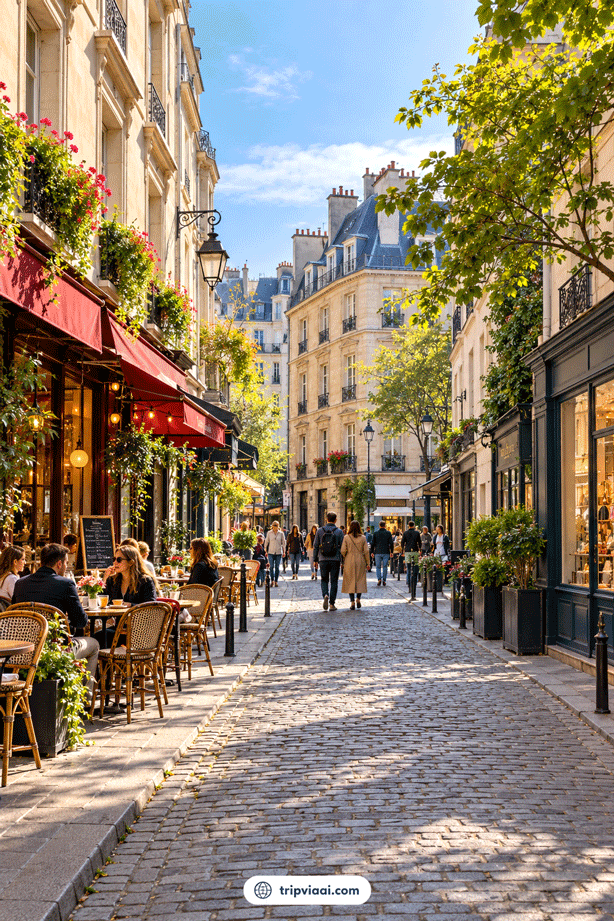
Best Places to Visit, Things to Do & Travel Tips
How to Get from Paris Airports to the City Centre
Your first transport decision depends on which airport you arrive at and where your accommodation is located. Paris Charles de Gaulle (CDG) and Orly (ORY) have different connections, so check your arrival airport before planning your first day.
From Charles de Gaulle Airport (CDG)
The RER B train connects Charles de Gaulle Airport with central Paris stations, including Gare du Nord and Châtelet–Les Halles. These stations offer connections to other Metro lines, making the train useful if your hotel is near a suitable station.
Allow extra time for baggage collection, reaching the platform, waiting for a train, and completing any onward journey. The total journey to your hotel will be longer than the train journey alone.
The full-price Paris Region–Airports ticket costs €14 in 2026 for eligible rail journeys between CDG and the Paris region. Check the official transport website for current operating hours and service disruptions before departure.
From Orly Airport (ORY)
Metro line 14 provides a direct connection between Orly Airport and Paris. Depending on your accommodation, you may be able to reach your destination without changing lines.
The same €14 full-price Paris Region–Airports ticket covers eligible journeys via Metro line 14 or Orlyval, as well as specified rail connections. It does not cover every airport bus service.
Check the latest airport ticket prices, validity rules, and exclusions on the official Île-de-France Mobilités airport ticket guide.
Should You Take a Taxi Instead?
A taxi may be more convenient if you have several bags, are travelling with young children, or arrive when public transport is less practical. Use the official airport taxi rank and check the applicable fare rules before travelling.
Choose between train, bus, and taxi by comparing the complete journey: ticket cost, travel time, transfers, luggage, and the location of your accommodation.
Before booking your journey to Paris, compare fares, travel dates, baggage rules, and cancellation conditions with these practical Flight Booking Tips That Save Money and Time.
For a short 3 days in Paris itinerary, plan your airport transfer before scheduling activities on arrival day. A delayed flight or long baggage queue can leave you with much less sightseeing time than expected.

Charles de Gaulle Airport to Paris
How to Get Around Paris Without Overspending
Paris is generally easier to explore using a combination of walking and public transport than by relying on taxis or a rental car. Walking is ideal for discovering neighbourhoods, while the Metro is useful for longer journeys.
Understand Your Ticket Options
The official full-price fares for 2026 include:
| Ticket | Price |
|---|---|
| Metro–Train–RER single ticket | €2.55 |
| Bus–Tram single ticket | €2.05 |
| Paris Region–Airports single ticket | €14.00 |
| Paris Visite pass, 3 days, all zones | €63.80 |
These are full-price fares; reduced rates and eligibility conditions differ. Airport journeys require the appropriate ticket unless your existing pass already covers them.
For the latest 2026 Metro, train, RER, bus, tram, and travel-pass prices, consult the official Île-de-France Mobilités fare guide.
Is the Paris Visite Pass Worth Buying?
The three-day Paris Visite pass costs €63.80 and offers unlimited eligible travel during its validity period, including specified airport connections. However, it is not automatically the cheapest choice.
For example, six standard Metro–Train–RER journeys at €2.55 each would cost €15.30. Even with additional journeys, you should calculate your expected spending before choosing a €63.80 pass.
A pass may make sense if you expect frequent travel, need the included airport connections, or plan to travel extensively across the region. Individual tickets may be more economical if you are staying centrally and walking between nearby attractions.
Check the latest rules and prices on the official 2026 transport fare guide.
Plan Your Routes Before Leaving the Hotel
Group nearby attractions together instead of crossing the city repeatedly. Save your hotel address, check the nearest Metro station, and allow extra time for transfers.
Walking between close attractions can be more enjoyable than taking a train for every journey. However, consider hills, stairs, luggage, weather, and accessibility needs when choosing your route.
For a short 3 days in Paris itinerary, the goal is to balance cost and convenience, not simply to choose the cheapest possible journey every time.
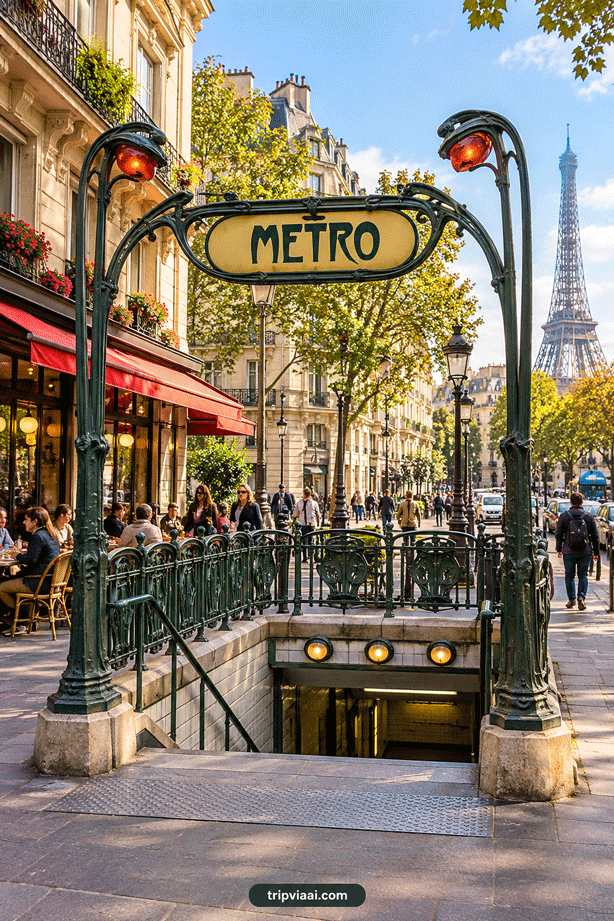
Paris Metro Entrance, France
The Paris Booking Checklist: What to Reserve First
Booking everything in advance can make your trip unnecessarily rigid, but leaving every decision until arrival may limit your options. Prioritise the attractions that determine your schedule.
Before travelling, work through this checklist:
- Confirm your accommodation: Check the total price, cancellation policy, nearest transport connection, and arrival arrangements.
- Reserve the Louvre if it is a priority: Choose a suitable entry time and check the museum’s opening calendar.
- Decide whether to visit the Eiffel Tower summit: Compare ticket prices and availability for the second floor and summit.
- Choose your final-day attraction: Check Musée d’Orsay or Arc de Triomphe opening times before assigning it to Day 3.
- Plan your airport transfer: Confirm your airport, route, ticket requirements, and approximate journey time.
- Check Notre-Dame visitor information: Entry is free; an optional free time-slot reservation may help you plan your visit.
- Save your confirmations: Keep tickets, booking emails, and your accommodation address accessible on your phone.
Use official attraction websites wherever possible. Check the entry conditions carefully, and avoid sellers promising special access without explaining what the ticket actually includes.
The most useful approach is to reserve the experiences that matter most to you, then organise meals, walks, and flexible activities around those confirmed times. This gives you a realistic plan without making the entire trip feel over-scheduled.
For your 3 days in Paris itinerary, complete this checklist once your travel dates and accommodation are confirmed. It will make the next three days easier to organise and reduce avoidable last-minute decisions.
Day 1: Notre-Dame, Historic Paris, and the Latin Quarter
Theme: Explore Paris on foot, discover its history, and enjoy a relaxed first evening.
Your first day should introduce you to the character of Paris without making you cross the city repeatedly. The historic island around Notre-Dame, the nearby Latin Quarter, and the surrounding riverside streets form a natural starting point.
9:00 AM — Visit Notre-Dame Cathedral
Begin at Notre-Dame Cathedral on Île de la Cité. Its Gothic architecture, detailed stonework, and historic setting make it one of the most important landmarks to include in a first visit.
Entry to the cathedral is free. An optional free time-slot reservation may help you plan your arrival, but check the official visitor information for current arrangements and waiting times.
Allow approximately 45–60 minutes, depending on queues and whether you want to explore the surrounding square. If you arrive during a religious service, follow the cathedral’s visitor guidance and respect worshippers.
Official information: Notre-Dame Cathedral visitor guide.
10:15 AM — Explore Île de la Cité
After visiting the cathedral, walk through the historic island and enjoy the views along the Seine. This is an opportunity to experience Paris beyond its major ticketed attractions.
If medieval architecture and stained glass interest you, consider visiting Sainte-Chapelle. It requires separate paid admission, and advance booking may be useful for popular time slots. Allow additional time for security checks and entry.
Do not add it automatically if you prefer a slower morning. The surrounding streets and riverbanks are worth exploring at their own pace.
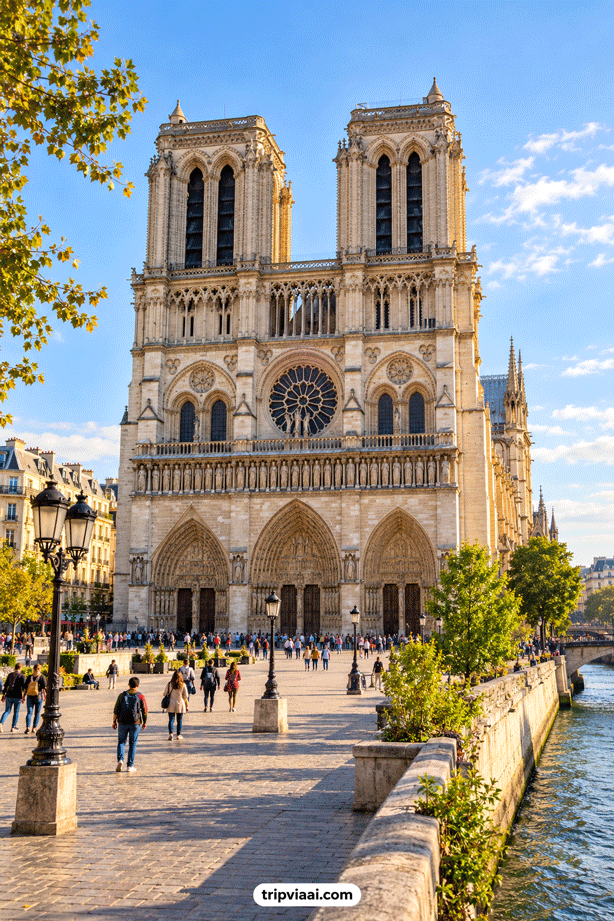
Notre-Dame Cathedral, Paris, France
12:00 PM — Have Lunch Near the Latin Quarter
Cross towards the Latin Quarter and choose a bakery, casual café, or neighbourhood restaurant. Check the menu and prices before ordering, especially around heavily visited streets.
A practical lunch break is important because you will probably be walking for much of the afternoon. Avoid planning a major attraction immediately after eating if you need time to rest.
1:30 PM — Walk Through the Latin Quarter
Spend the afternoon exploring the Latin Quarter’s bookshops, historic streets, cafés, and small squares. You can also walk towards the Panthéon or Luxembourg Gardens if they match your interests and you have enough time.
Choose one optional stop rather than attempting to see every landmark. The value of this part of the day is experiencing the neighbourhood, not rushing between photographs.
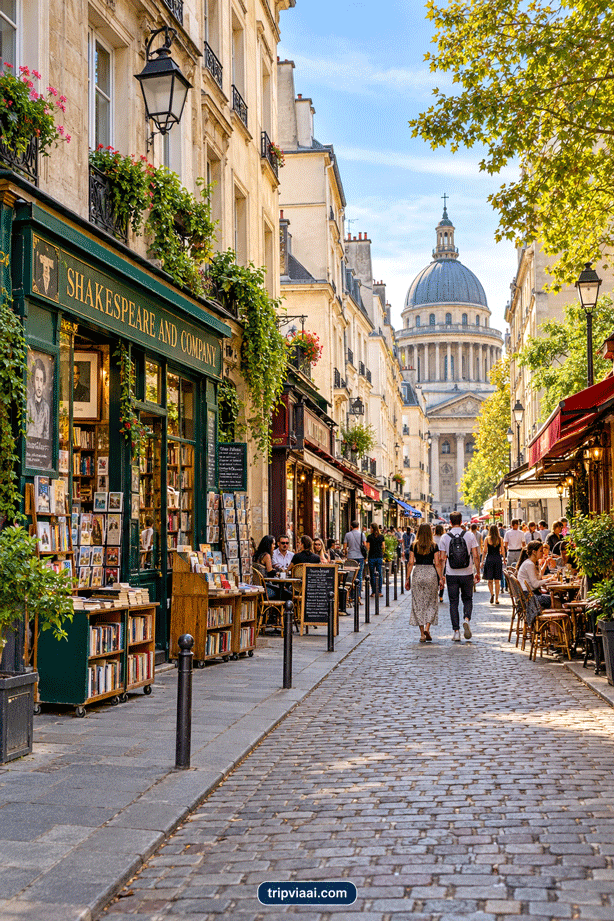
Latin Quarter, Paris
5:00 PM — Finish with a Relaxed Evening
Enjoy a riverside walk or return to your hotel for a break before dinner. If you still have energy, choose a restaurant in the Latin Quarter or nearby Saint-Germain-des-Prés.
Planning tip: Keep this day flexible. If your flight arrives late, move the historic walk to another day and prioritise only the attractions you have enough time to enjoy.
Day 2: Louvre Museum, Eiffel Tower, and the Seine
Theme: See major landmarks while balancing museum time with outdoor sightseeing.
This is the most structured day of the trip because the Louvre and Eiffel Tower both require time for entry, security, and exploring. Reserve the attraction that matters most to you first, then organise the rest of the day around its confirmed time slot.
9:00 AM — Explore the Louvre Museum
Start at the Louvre if it is one of your priorities. The museum’s collections span different civilisations and historical periods, so attempting to see everything in one visit is unrealistic.
Before arriving, choose two or three collections or artworks you particularly want to see. This helps you use your time effectively and enjoy the galleries rather than rushing between them.
The Louvre normally closes on Tuesdays. Its opening schedule and ticket rules can change, so check the official calendar for your visit date.
At the time of research, published standard ticket prices for 2026 are €22 for eligible EEA visitors and €32 for non-EEA visitors. Eligibility and special admission rules apply. Confirm your price and entry requirements on the official Louvre ticket page.
Allow around 2.5–3 hours for a focused visit, including time to navigate the museum. Art enthusiasts may want longer.
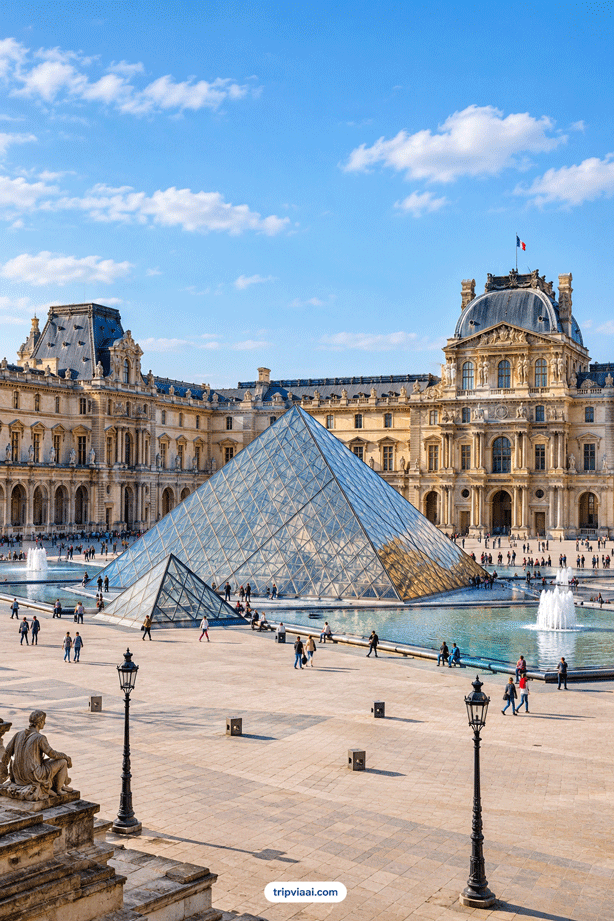
Louvre Museum, Paris, France
12:15 PM — Take a Break at the Tuileries Garden
After the museum, walk towards the Tuileries Garden. It is a convenient place to rest, enjoy the surroundings, and take a break before the afternoon’s sightseeing.
You do not need to spend a long time here. Even a short stop can make the day feel less rushed.
1:00 PM — Lunch Before the Eiffel Tower
Choose a casual restaurant, bakery, or takeaway option along your route. Allow enough time to reach the Eiffel Tower without having to hurry through lunch.
If you have booked a specific entry time, work backwards from it and leave a buffer for transport and security.
2:30 PM — Visit the Eiffel Tower
The Eiffel Tower is a highlight for many first-time visitors, but you do not have to purchase the most expensive ticket to enjoy the experience.
Choose between second-floor access, summit access, or simply viewing the tower from public spaces around Trocadéro and the Champ de Mars.
Published adult lift-ticket prices currently list €23.50 for the second floor and €36.70 for the summit. Prices, access arrangements, and availability can change, so check the official Eiffel Tower rates and opening times before booking.
Allow approximately 1.5–2.5 hours for a tower visit, depending on your ticket, queues, and how long you stay on the viewing levels.
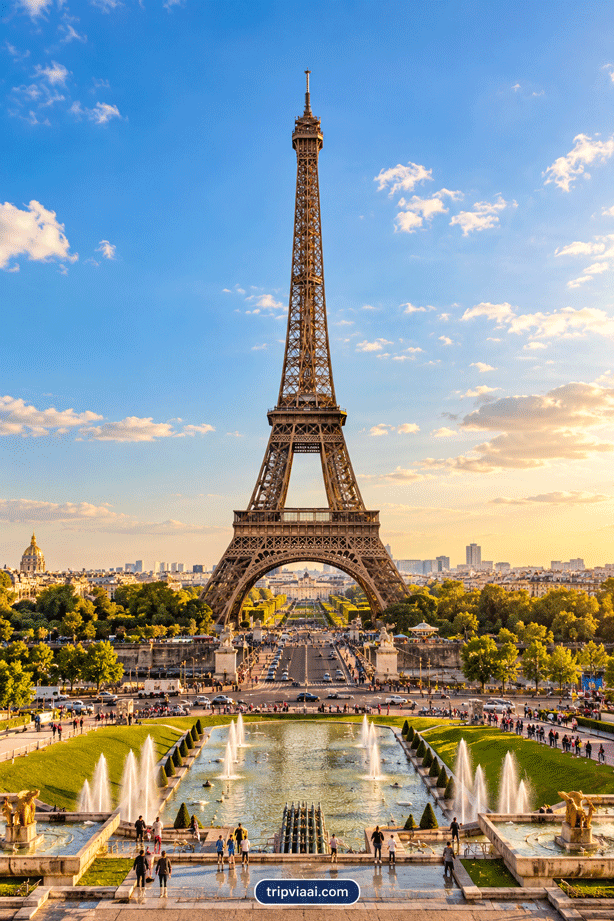
Eiffel Tower, Paris, France
5:30 PM — Enjoy the Seine
Finish the day with a walk beside the Seine or a sightseeing cruise. A cruise can offer a comfortable view of bridges and riverside architecture after several hours of walking.
Compare departure locations, duration, and ticket prices before booking. If you prefer not to pay for a cruise, a riverside walk is a useful alternative.
Leave the evening flexible for dinner and photographs of Paris after dark. You do not need to add another major attraction to make the day worthwhile.
Route-planning tip: The Louvre and Eiffel Tower are not next door to each other. Check the actual journey time for your chosen route and travel mode rather than assuming the transfer will take only a few minutes. If your Louvre visit runs late, shorten the garden stop or skip the cruise instead of rushing through everything.
For a well-paced 3 days in Paris itinerary, the goal is to enjoy the Louvre and Eiffel Tower properly, not to complete a long checklist at any cost.
Day 3: Montmartre, Sacré-Cœur, and One Final Attraction
Your final day is an opportunity to experience a different side of Paris. Montmartre’s winding streets, artistic history, cafés, and hilltop views offer a different atmosphere from the major museums and grand monuments.
9:00 AM — Explore Montmartre
Start with a walk through Montmartre before the neighbourhood gets busier. Visit Place du Tertre, known for its artists, and explore the surrounding streets at a relaxed pace.
Allow around 60–90 minutes for walking, photographs, and a café stop. Wear comfortable shoes because the neighbourhood has slopes and staircases. If hills are difficult for you, check accessible transport options before setting out.
10:30 AM — Visit Sacré-Cœur Basilica
Continue to Sacré-Cœur, the white-domed basilica overlooking Paris. Admission to the basilica is free, and the official website lists daily opening hours from 6:30 AM to 10:30 PM.
The surrounding area offers panoramic views without requiring you to buy a ticket. If you want to climb the dome, check the separate admission arrangements before visiting.
Remember that this is an active place of worship. Dress respectfully and keep noise to a minimum inside.
Check the official Sacré-Cœur visitor information for current hours and accessibility details.
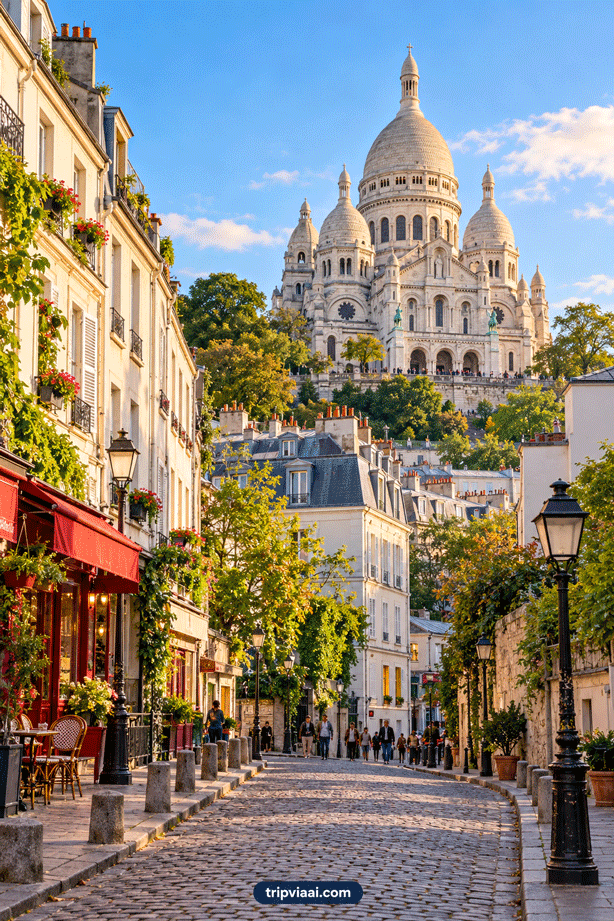
Sacré-Cœur Basilica and the Charming Streets of Montmartre, Paris
12:30 PM — Enjoy Lunch in Montmartre
Choose a café or casual restaurant before travelling to your afternoon attraction. Compare menus and prices before sitting down, particularly on busy tourist streets.
2:00 PM — Choose Musée d’Orsay or Arc de Triomphe
Rather than squeezing two major attractions into the afternoon, choose the one that best matches your interests.
Option A: Musée d’Orsay
This museum is especially well known for Impressionist and Post-Impressionist art. Allow around two hours for a focused visit, and check the official calendar because the museum normally closes on Mondays.
Online full-price adult admission is listed at €16. Check the official Musée d’Orsay website for current rates, opening hours, and ticket conditions.
Option B: Arc de Triomphe
If you prefer architecture and panoramic views, visit the Arc de Triomphe. Its terrace overlooks the avenues radiating from Place Charles de Gaulle.
Check current ticket prices and accessibility information on the official Arc de Triomphe website before travelling.
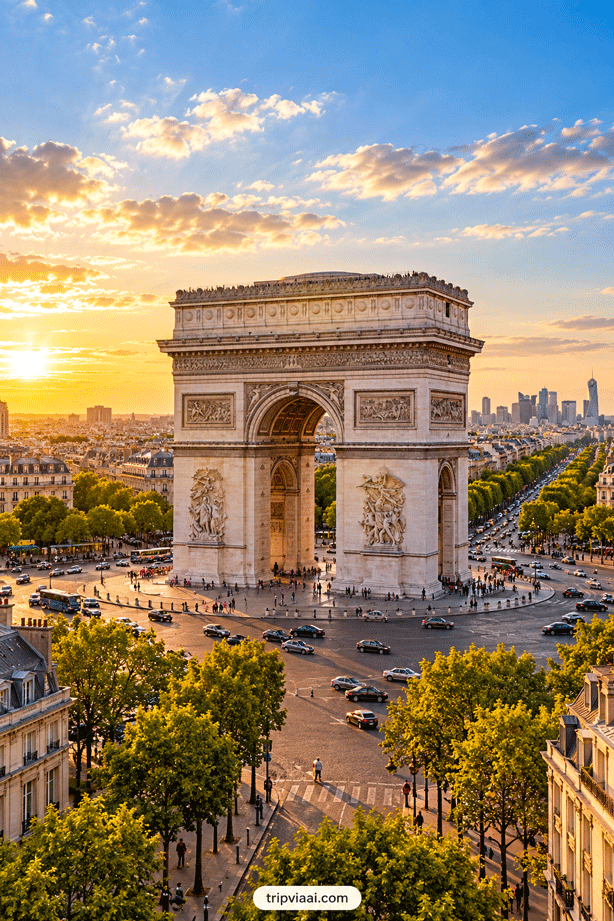
Arc de Triomphe, Paris, France
Evening — Enjoy a Relaxed Farewell
Finish your trip with dinner near your accommodation or a final walk along the Seine. If you have an early flight the next morning, confirm your airport transfer and avoid planning a late evening far from your hotel.
This flexible approach helps you enjoy your final day without turning it into a race between attractions.
How Much Does Three Days in Paris Cost?
Your total spending depends on accommodation, meals, transport, and how many attractions you visit. The most useful budget separates these expenses rather than relying on a single daily estimate.
The following figures are illustrative planning estimates for one adult spending three days and two nights in Paris. They exclude international flights, visas, travel insurance, and major shopping.
| Expense | Budget traveller | Mid-range traveller |
|---|---|---|
| Accommodation, 2 nights | €70–€140 | €180–€360 |
| Food and drinks, 3 days | €45–€75 | €90–€150 |
| Local transport | €15–€30 | €20–€45 |
| Paid attractions | €25–€60 | €50–€100 |
| Miscellaneous | €15–€30 | €30–€60 |
| Estimated total | €170–€335 | €370–€715 |
These are planning ranges, not guaranteed prices. The lower accommodation range may require a hostel, shared room, or inexpensive lodging outside the most central areas. A private central hotel may cost considerably more.
Beyond hotels, meals, and attraction tickets, small expenses can increase your total spending. Read Hidden Travel Costs Most Travelers Forget to Budget For to identify extra costs before your trip.
How to Reduce Your Paris Travel Budget
Choose accommodation carefully. Compare the total price of your stay and transport, rather than choosing the cheapest room automatically.
Mix paid attractions with free experiences. You can pay for the Louvre or Eiffel Tower while enjoying neighbourhood walks, public spaces, and riverside views without an admission ticket.
Plan meals around your route. Bakeries, takeaway lunches, and reasonably priced local restaurants can help control food expenses. Check menus before ordering in heavily visited areas.
Compare transport tickets with passes. Calculate the cost of your expected journeys before buying a multi-day pass.
Book important tickets directly. Official websites make it easier to check entry conditions, availability, and the price of the experience you actually want.
For your 3 days in Paris itinerary, calculate the cost of your accommodation and must-see attractions first. These decisions will make your budget more realistic than relying on a generic spending estimate.
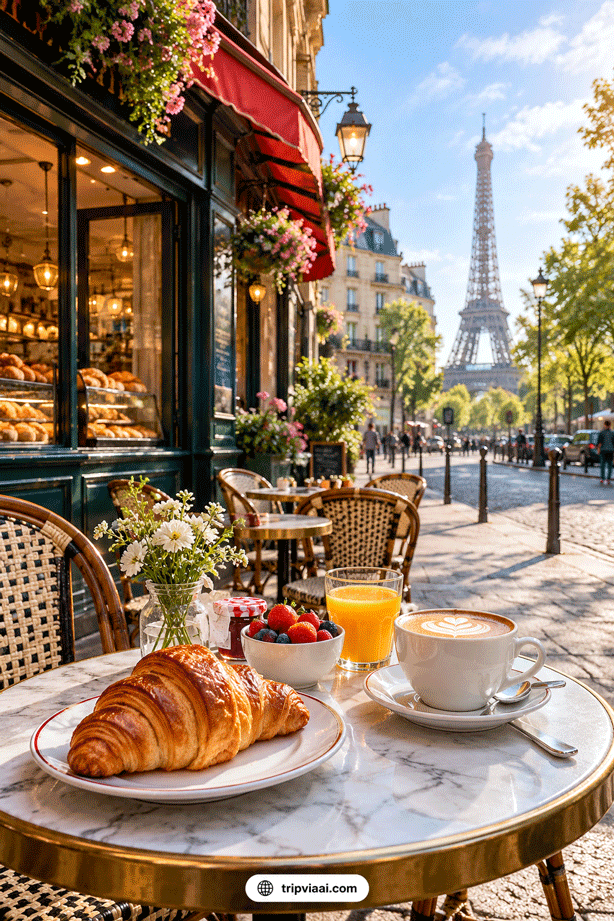
Parisian Bakery Café: Croissants, Coffee & a Charming French Morning
Your Backup Plan: What If Your Plans Change?
A practical itinerary should still work if it rains, a ticket is unavailable, or you arrive later than expected. Keep a few alternatives in mind so one disruption does not spoil the entire trip.
If it rains: Prioritise the Louvre or Musée d’Orsay during the wettest part of the day. Save longer outdoor walks for a clearer period.
If the Louvre is closed: Move it to another day if your dates allow. Otherwise, focus on the historic centre, neighbourhood walks, and other attractions that are open.
If your flight arrives late: Avoid forcing a major attraction into your arrival evening. Check in, organise your transport, and begin sightseeing when you have enough time.
If you become tired: Drop one optional attraction rather than rushing through the rest. A relaxed meal and neighbourhood walk can be more rewarding than another long journey.
If tickets are unavailable: Check the official booking website for another time slot. Do not assume a third-party seller can guarantee entry unless the ticket terms clearly support that claim.
If you have limited mobility: Check station accessibility, walking distances, hills, and entry arrangements in advance. Montmartre in particular may require more effort than it appears to on a map.
A backup plan is not about scheduling every minute. It gives you the flexibility to make good decisions when your original schedule no longer works.
Essential Paris Travel Tips
A little preparation can save time and reduce avoidable stress during a short visit.
- Check attraction closing days: Confirm the official calendar before assigning museums to specific days.
- Wear comfortable shoes: Walking distances and hills can make a full sightseeing day tiring.
- Protect your belongings: Keep your phone, wallet, and bag secure in crowded tourist areas and on public transport.
- Use official taxi ranks: Avoid unsolicited airport transport offers.
- Learn basic French phrases: “Bonjour,” “S’il vous plaît,” and “Merci” are useful and courteous.
- Check the weather forecast: Keep an indoor alternative available for rainy periods.
- Save your bookings offline: Keep tickets, hotel details, and essential addresses accessible on your phone.
- Leave time between attractions: Queues, security checks, meals, and transport transfers can take longer than expected.
These Paris travel tips can make your visit more comfortable without overloading your schedule.
Conclusion
Three days in Paris can give you a memorable introduction to the French capital, provided you choose your experiences carefully. Plan your days around nearby attractions, reserve important tickets, check museum closing days, and leave enough room for meals and unplanned discoveries.
Use this 3 days in Paris itinerary as a flexible starting point rather than a strict timetable. Your trip will be more enjoyable when the schedule matches your interests, budget, and energy level.
For more practical destination guides and trip-planning advice, explore TripViaAI and start planning your next journey.