
 Posted by
 Introduction
Travel expenses can make or break a trip, even when two travelers spend almost the same amount of money. The difference is often not how much money they spend, but where they choose to spend it.
Many travelers focus heavily on finding the cheapest flights, hotels, and activities. While saving money is important, cutting costs in the wrong places can sometimes create more stress, inconvenience, and unexpected expenses later. At the same time, some travel purchases seem worthwhile at first but provide very little real value.
I remember meeting a traveler who booked the cheapest hotel available near a destination. He saved money on accommodation but spent extra time and transportation costs every day getting around. Another traveler paid slightly more for a better location and ended up enjoying a smoother trip while spending nearly the same overall amount.
The lesson was simple.
Smart travelers do not focus only on spending less. They focus on spending wisely.
Understanding which travel expenses are worth paying for helps travelers avoid costly mistakes and get more value from every trip. Similar budgeting lessons are discussed in Hidden Travel Costs Most Travelers Forget to Budget For, where small financial decisions often have a bigger impact than expected.
Spend Smarter, Not Just Less
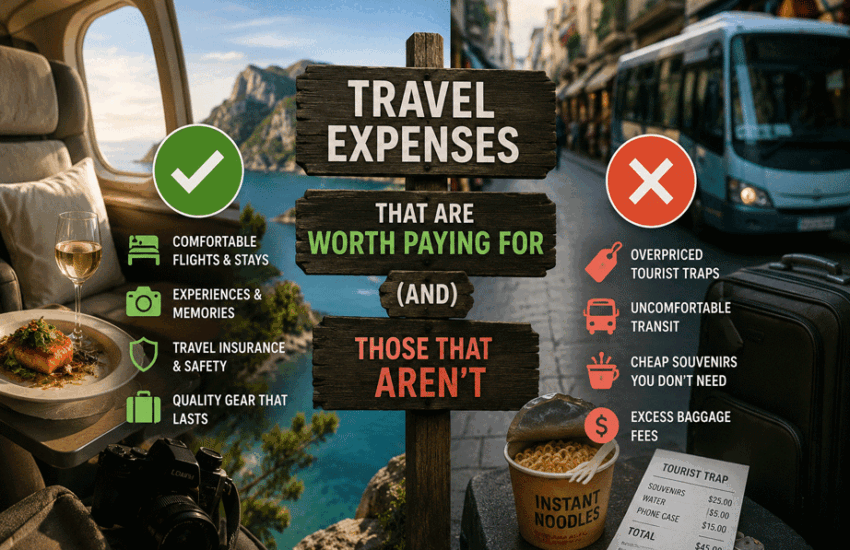
The smartest travelers do not automatically choose the cheapest option available. They understand which travel expenses improve comfort, safety, convenience, and overall travel experiences while avoiding purchases that add little real value. Learning where to spend and where to save often creates a better trip without increasing the overall budget.
Quick Overview Table
| Travel Expense | Worth Paying For? |
|---|---|
| Better Location | ✅ Usually Yes |
| Travel Insurance | ✅ Usually Yes |
| Reliable Transportation | ✅ Usually Yes |
| Safety and Security | ✅ Usually Yes |
| Tourist Traps | ❌ Usually No |
| Unnecessary Upgrades | ❌ Usually No |
| Impulse Purchases | ❌ Usually No |
| Overpacked Itineraries | ❌ Usually No |
Travelers Often Focus on the Wrong Expenses
Many travelers assume that successful budgeting means spending as little money as possible. While that sounds logical, it often leads to poor travel decisions.
A traveler may spend hours searching for a cheaper hotel, a lower-priced flight, or a small discount while completely ignoring factors that affect the overall travel experience. Sometimes the cheapest option creates more inconvenience, more stress, and even more spending later.
This is why understanding travel expenses is so important. The goal is not simply reducing costs. The goal is maximizing value. Spending an extra amount on something that improves comfort, saves time, or prevents problems can often be a much better decision than saving a small amount upfront.
Experienced travelers evaluate purchases based on the overall impact they have on the trip rather than focusing only on price.
The Cheapest Option Is Not Always the Best Value
Many travel booking websites encourage travelers to sort results from lowest price to highest price. While this approach can be useful, it does not always reveal the best option.
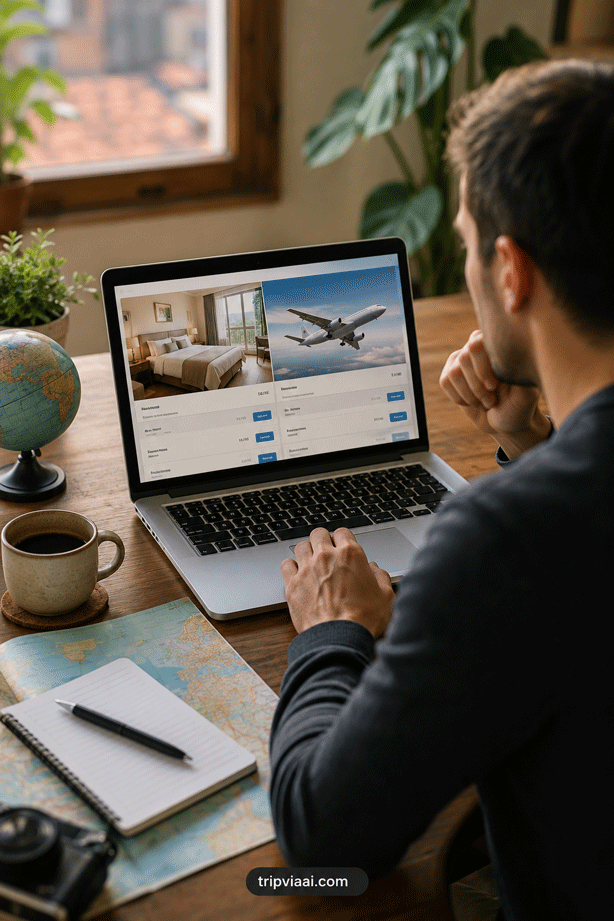
For example, a hotel located far from major attractions may cost less per night. However, daily transportation costs, additional commuting time, and travel fatigue can quickly reduce those savings. A slightly more expensive hotel in a better location may actually provide better value.
One reason travel expenses become difficult to manage is because travelers often compare prices without considering total costs. The same thing happens with flights, transportation, tours, and travel services.
Smart travelers ask a simple question before making a purchase:
“Will this expense improve my travel experience enough to justify the cost?”
That mindset often leads to better decisions than simply choosing the lowest price available.
Comparing Travel Costs Before Booking
Paying More for a Better Location Often Saves Money Later
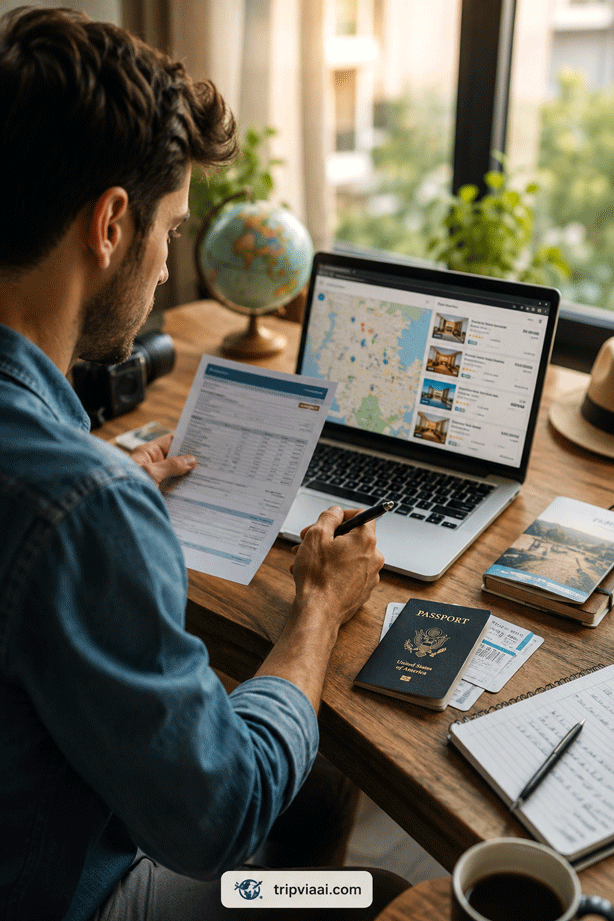
Accommodation is one of the largest travel expenses on most trips, which is why travelers naturally try to reduce the cost whenever possible. However, choosing the cheapest hotel available is not always the smartest financial decision.
A property located far from major attractions, public transportation, restaurants, or city centers may appear affordable at first. The problem is that travelers often spend additional money every day on transportation just to reach the places they want to visit. Over several days, those extra costs can quickly reduce any savings gained from the cheaper room.
Location also affects convenience. Spending less time commuting means more time enjoying the destination. Travelers who stay in well-connected areas often walk more, spend less on transportation, and experience fewer daily frustrations.
This is one of the few travel expenses where paying slightly more upfront can actually create better overall value throughout the trip.
Travel Insurance Is One Expense Most Travelers Should Not Skip
Travel insurance is often one of the first things travelers remove when trying to reduce costs. Because many trips go smoothly, insurance can sometimes feel unnecessary.
The problem is that travel budgets are designed around normal situations. Unexpected situations are exactly why insurance exists. Flight cancellations, lost luggage, medical issues, travel interruptions, and emergency situations can create costs that are far greater than the price of the policy itself.
I once spoke with a traveler whose luggage was delayed for several days during an international trip. The insurance coverage helped reimburse essential purchases while the airline resolved the situation. Without that protection, the traveler would have paid those costs personally.
Not every traveler needs the same level of coverage, but completely ignoring insurance can be a risky decision. Among all travel expenses, this is one of the few that provides value even when nothing goes wrong because it offers peace of mind throughout the journey.
Recommended Travel Products
Comparing Hotel Locations and Travel Insurance Before Booking
Reliable Transportation Is Usually Worth the Extra Cost
Transportation decisions can have a major impact on both travel budgets and overall experiences. While choosing the cheapest option may seem like the obvious choice, it is not always the most practical one.
For example, a traveler arriving late at night in an unfamiliar destination may save a small amount of money by choosing a complicated transportation route. However, that decision can create additional stress, confusion, and wasted time after a long journey. In some situations, paying slightly more for a trusted transportation option provides far greater value.
Reliable transportation also reduces the risk of delays, missed connections, and unnecessary travel complications. This is especially important when traveling with family members, carrying valuable luggage, or visiting a destination for the first time.
Among all travel expenses, transportation should be evaluated based on safety, convenience, and reliability rather than price alone.
Spending Money on Safety and Security Is Rarely a Mistake
Many travel purchases are optional. Safety-related purchases are different because they help protect both travelers and their belongings throughout the journey.
A traveler may hesitate before spending money on secure luggage, travel security accessories, or document protection products. However, replacing lost items, recovering stolen belongings, or dealing with travel disruptions often costs significantly more than taking preventive measures beforehand.
Experienced travelers understand that some travel expenses are investments rather than costs. Spending money on security does not necessarily improve luxury or comfort, but it can prevent expensive problems that affect an entire trip.
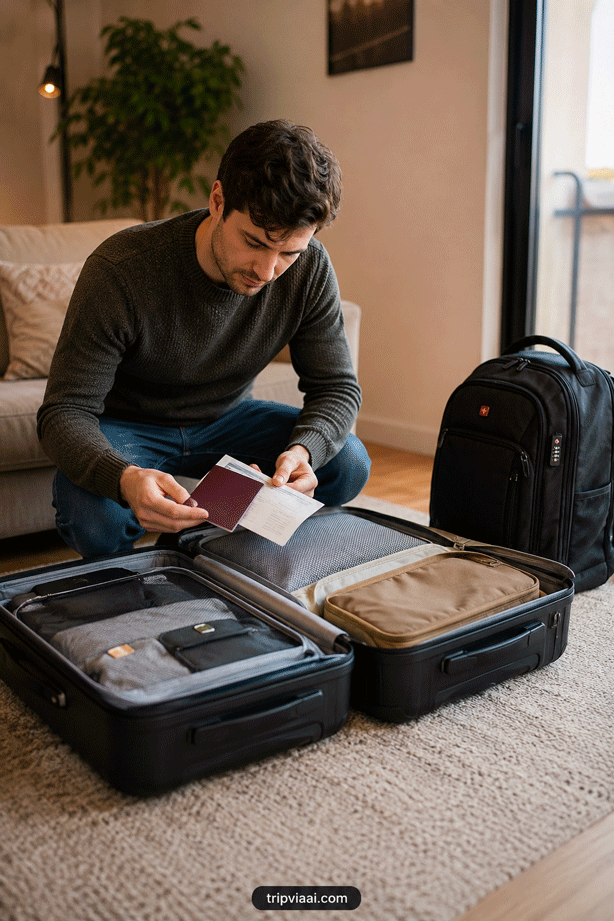
This is particularly important during international travel where replacing passports, payment cards, or important travel documents may be difficult and time-consuming. Small security-related purchases often provide value long before travelers realize they need them.
Many of the same planning habits discussed in How to Save Money While Traveling Anywhere focus on preventing unnecessary losses rather than simply reducing spending.
Organising Travel Documents Before Departure
Some Travel Upgrades Look Useful but Deliver Very Little Value
Not every upgrade improves a trip. Many travelers spend money on upgrades simply because they are offered during the booking process, not because they genuinely need them.
Airlines, hotels, and travel companies are extremely good at presenting upgrades as opportunities that seem difficult to refuse. While some upgrades are worthwhile, many provide very little value compared to their cost.
For example, a traveler may pay extra for services that are rarely used during the trip. After returning home, they often realize the upgrade made almost no difference to the overall experience.
Before paying for any upgrade, ask yourself whether it will improve comfort, save time, reduce stress, or solve a specific problem.
Common upgrades that are often not worth the extra money:
- Premium boarding when overhead space is not a concern
- Hotel room upgrades for very short stays
- Expensive airline meal packages
- Unnecessary attraction add-ons
- Tourist photos sold at attractions
The smartest travelers evaluate upgrades based on actual value rather than marketing promises.
Tourist Traps Can Quietly Drain Your Travel Budget
Tourist attractions are often worth visiting, but tourist traps are different. These are places designed primarily to maximize spending rather than provide meaningful experiences.
Many travelers visit a famous destination and immediately spend money on overpriced souvenirs, unnecessary activities, or services that locals rarely use. Individually, these purchases may seem small. Together, they can become some of the most wasteful travel expenses during a trip.
I once met a traveler who spent more money in a single tourist shopping area than he spent on food during three days of travel. Later, he admitted that most of the items purchased were never used after returning home.
One useful habit is comparing prices away from major tourist hotspots before making purchases. In many cases, similar products and experiences can be found elsewhere for significantly lower prices.
Learning to distinguish between memorable experiences and unnecessary spending helps travelers get far more value from their travel budget.
Recommended Travel Products
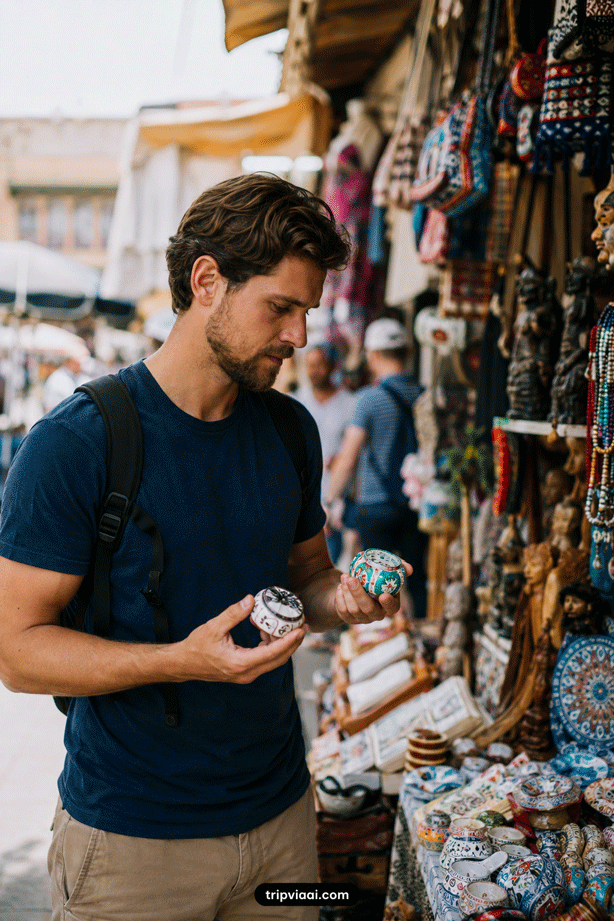
Smart Souvenir Shopping While Travelling
Last-Minute Purchases Are Often More Expensive Than Planned Purchases
Many travelers create detailed travel plans but leave shopping for important items until the final few days before departure.
The problem is that last-minute purchases are usually driven by urgency rather than careful decision-making. When travelers suddenly realize they need a charger, travel adapter, luggage accessory, or travel essential, they often buy the first option available without comparing prices or quality.
These rushed purchases frequently become unnecessary travel expenses because better and more affordable alternatives could have been found with a little planning.
For example, a traveler who forgets to buy a universal travel adapter before leaving home may end up paying airport prices that are significantly higher than normal retail prices. The same situation often happens with luggage accessories, toiletries, and travel electronics.
Planning essential purchases at least a few weeks before departure usually leads to better decisions and lower overall costs.
Overpacked Itineraries Often Create Unnecessary Expenses
Many travelers believe that doing more automatically creates a better trip. As a result, they fill every day with attractions, activities, transportation bookings, and scheduled experiences.
Unfortunately, an overloaded itinerary often leads to higher travel expenses without creating a significantly better travel experience.
When travelers rush from one attraction to another, they often spend more on transportation, convenience purchases, fast meals, and last-minute bookings. They also have less time to enjoy the places they worked so hard to visit.
I once met a traveler who scheduled five major attractions in a single day. By the afternoon, he was exhausted, running behind schedule, and paying extra for transportation just to keep up with his own itinerary.
A balanced itinerary often provides better value than an overloaded one. Travelers who leave room for flexibility usually spend less money and enjoy the destination more.
Simple signs your itinerary may be overpacked:
- Constantly checking the clock
- Multiple attractions scheduled back-to-back
- Excessive transportation between locations
- No free time during the day
- Feeling rushed instead of excited
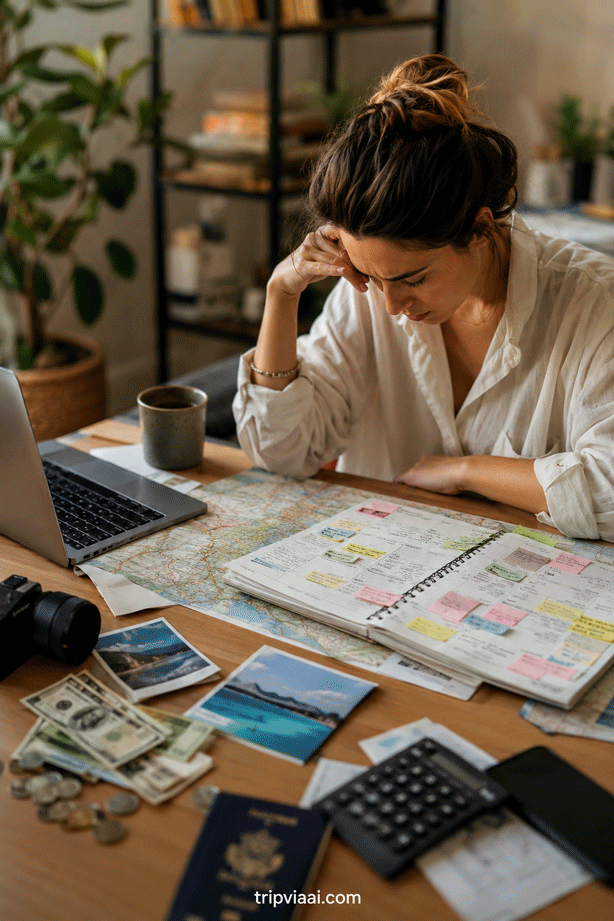
Overplanned Travel Itinerary Mistakes That Waste Time and Money
Smart Travelers Evaluate Every Expense Before Spending
Experienced travelers rarely ask, “Is this cheap?”
Instead, they ask, “Is this worth it?”
That small shift in thinking changes how travel expenses are evaluated. Rather than focusing only on cost, smart travelers consider convenience, comfort, reliability, safety, and long-term value.
Before making a purchase, many travelers use a simple mental checklist:
- Will this save time?
- Will this reduce stress?
- Will this improve the travel experience?
- Will I still think it was worth the money after the trip?
This approach prevents many unnecessary purchases while helping travelers feel confident about spending money on things that genuinely matter.
Many of the same decision-making habits are discussed in 7 Smart Ways to Travel Cheap Without Sacrificing Comfort, where the focus is creating value rather than simply cutting costs.
Building a Better Spending Strategy Improves Every Future Trip
One of the most useful travel skills is learning from previous trips.
After returning home, many travelers immediately move on to daily life without reviewing their spending decisions. As a result, they repeat the same mistakes on future trips.
A better approach is taking a few minutes to review major travel expenses and asking simple questions. Which purchases added value? Which expenses felt unnecessary? Which spending decisions improved the overall experience?
Over time, these reflections help travelers build a personal spending strategy that matches their travel style and priorities.
The goal is not spending more money or less money. The goal is spending money more effectively.
Travelers who understand where their money creates the most value usually enjoy smoother trips, make better decisions, and feel far more satisfied with their travel budgets in the long run.

Reviewing Travel Expenses for Smarter Future Trips
Frequently Asked Questions
How can I reduce unnecessary travel expenses?
The easiest way to reduce unnecessary travel expenses is planning purchases before the trip begins. Travelers who compare options early, avoid impulse purchases, and focus on value usually spend less money without sacrificing comfort.
Are expensive hotels always worth the extra cost?
Not necessarily. However, accommodation location can often provide better value than luxury features. A well-located hotel may reduce transportation costs and save time throughout the trip.
Which travel expenses should never be ignored?
Safety-related travel expenses such as travel insurance, reliable transportation, and secure travel gear are usually worth considering because they help prevent much larger problems later.
Why do travelers overspend during vacations?
Many travelers overspend because they make emotional decisions while traveling. Excitement, urgency, convenience, and lack of planning often lead to purchases that would not normally be made at home.
Is it better to save money or spend more for convenience?
The answer depends on the situation. Smart travelers evaluate whether a purchase saves significant time, reduces stress, or improves the overall experience before deciding if the convenience is worth the cost.
How can I tell if a travel purchase is worth it?
A simple test is asking whether the purchase will still feel valuable after the trip ends. If the benefit only lasts a few minutes but the cost is significant, it may not be the best use of the travel budget.
What is the biggest mistake travelers make with money?
One of the most common mistakes is focusing only on price instead of value. Many travelers save money in the wrong places while overspending on purchases that provide little long-term benefit.
Conclusion
Managing travel expenses is not about choosing the cheapest option every time. The most successful travelers understand that some purchases improve comfort, safety, convenience, and overall travel experiences, while others simply increase costs without adding meaningful value.
Throughout any trip, the goal should be spending money intentionally rather than emotionally. Paying slightly more for a better location, reliable transportation, travel insurance, or security-related items often creates far greater value than spending money on unnecessary upgrades or impulse purchases.
I have noticed that experienced travelers rarely regret spending money on things that solve real problems. What they often regret are the purchases made without careful thought or planning.
The good news is that learning how to evaluate travel expenses becomes easier with every trip. Over time, travelers develop a better understanding of where money creates the most value and where it can safely be saved.
Before your next trip, focus less on finding the absolute cheapest option and more on finding the smartest one. That simple change can improve both your travel budget and your overall travel experience.
For more practical budgeting advice, travel planning tips, and travel gear recommendations, explore additional guides on tripviaai.com.