

 Posted by
 Introduction
A beginner friendly travel itinerary helps first-time travelers plan smarter, stay organized, and enjoy their trips without unnecessary stress. Many people feel excited about traveling, but creating a realistic itinerary can quickly become confusing when you have to choose destinations, manage your budget, and organize daily activities.
I remember planning one of my first trips without any clear structure. I packed too many attractions into a short schedule and spent more time rushing between places than actually enjoying them. That experience taught me that a good itinerary is not about seeing everything—it’s about making the journey comfortable and enjoyable.
In this guide, you’ll learn how to create a practical beginner friendly travel itinerary step by step. If you’re planning your very first vacation, our Travel Guide for Beginners will help you prepare before building your itinerary.
Real Example
I still remember planning one of my first trips without any proper structure. I tried adding too many places into a short schedule and spent more time rushing than actually enjoying the trip.
That experience taught me something important. A good beginner friendly travel itinerary is not about doing everything. It is about creating a smooth and comfortable travel plan.
If you are starting with a shorter trip, you should also read 3 Day Travel Itinerary for Beginners That Makes Travel Easy because simple itineraries are much easier for first-time travelers to manage.
In this guide, you will learn how to create a practical beginner friendly travel itinerary that makes travel easier, smoother, and far less stressful.
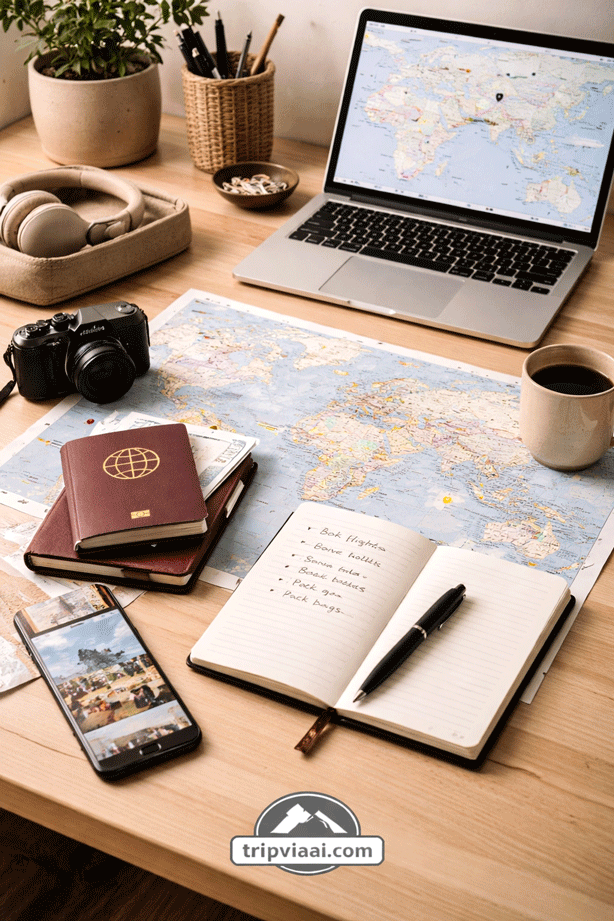
Travel Planning Desk
Quick Summary Table
| Step | What to Do | Why It Matters |
|---|---|---|
| 1 | Choose the Right Destination | Easier first trip |
| 2 | Decide How Many Days You Need | Better planning |
| 3 | Research Key Attractions | Avoid overplanning |
| 4 | Divide Your Days Smartly | Better time management |
| 5 | Keep Your Itinerary Flexible | Reduce stress |
| 6 | Start Your Day Smartly | Balanced travel days |
| 7 | Group Nearby Locations | Save time and money |
| 8 | Add Food Stops to Your Itinerary | Better travel experience |
| 9 | Use Travel Apps for Planning | Easier organization |
| 10 | Create a Travel Checklist | Avoid forgetting essentials |
| 11 | Balance Activities and Rest | Prevent travel fatigue |
| 12 | Plan Transportation in Advance | Smoother travel days |
| 13 | Budget Your Itinerary Properly | Better expense control |
| 14 | Avoid Common Itinerary Mistakes | More realistic plans |
| 15 | Keep Backup Plans Ready | Handle unexpected changes |
Step by Step Travel Itinerary for Beginners
Choose the Right Destination
Every beginner friendly travel itinerary starts with one simple decision — choosing the right destination.
Many first-time travelers make the mistake of planning overly complicated trips with multiple cities, long travel hours, and packed schedules. At first it sounds exciting, but it often becomes stressful very quickly.
For beginners, simpler destinations are usually the better choice. A place with good transportation, clear tourist attractions, and easy navigation makes the entire trip feel smoother and more comfortable.
Real Example
I once tried adding too many cities into a short trip because I wanted to see everything at once. Instead of enjoying the experience, most of the journey felt rushed and exhausting.
That mistake taught me that simple travel plans are often far more enjoyable.
When choosing a destination, look for places that:
- have reliable transport,
- are beginner friendly,
- and offer clear sightseeing options.
If you want longer travel planning ideas, you should also read 7 Day Travel Itinerary for Beginners That Makes Travel Easy because balanced schedules help beginners travel with far less stress.
Choose destinations that offer reliable public transportation, beginner-friendly attractions, and simple navigation.
Decide How Many Days You Need
One of the biggest mistakes beginners make while creating a beginner friendly travel itinerary is planning either too many activities in a short trip or stretching a simple trip for too many days.
At first, visiting everything sounds exciting. But once the journey begins, constant traveling, rushing between attractions, and packed schedules quickly become exhausting.
A simple rule works best for most travelers:
- 3 to 5 days for shorter trips,
- and around 5 to 7 days for slower, more relaxed travel.
Your itinerary should match your energy level, budget, and travel style instead of trying to copy unrealistic social media schedules.
Many beginners enjoy travel more when they leave free time for rest, local exploration, or unexpected plans during the trip.
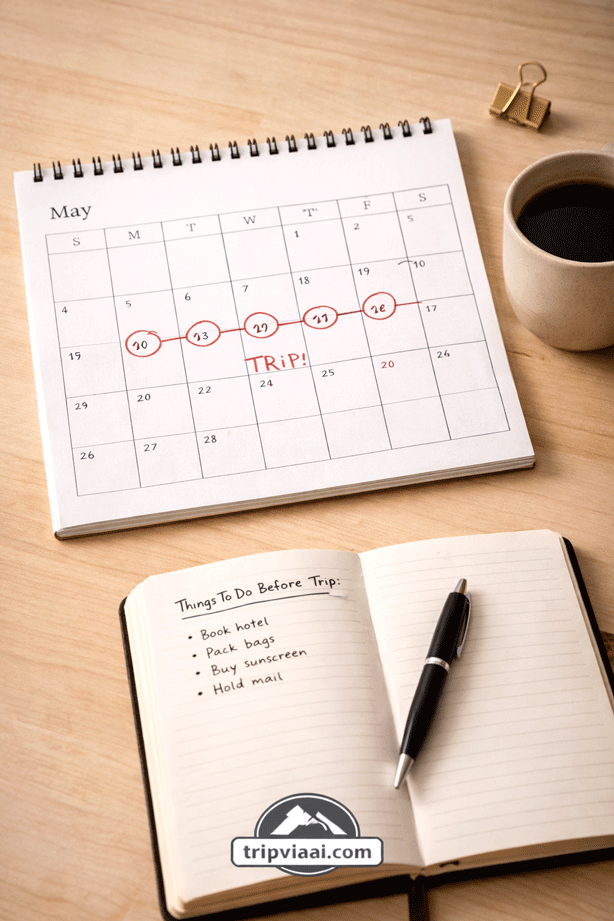
Trip Duration Planning
Research Key Attractions
This is usually the most exciting part of building a beginner friendly travel itinerary. You start exploring famous attractions, local experiences, food places, and interesting things to do at your destination.
But this is also where many beginners make a common mistake. They try adding too many activities into a single day because everything looks exciting online.
At first it feels like a smart idea. But once the trip starts, constantly rushing between locations becomes tiring very quickly.
A better approach is keeping your schedule simple and realistic. Most travelers enjoy trips more when they focus on only 2 to 3 main activities each day instead of trying to visit everything.
This creates enough time for rest, local exploration, transportation delays, and unexpected experiences during the journey.
Real Example
During one early trip, I planned almost six attractions in a single day because I did not want to miss anything. By evening, I was too tired to enjoy the final places properly.
That experience taught me that slower travel often feels much more enjoyable.
If you are planning a destination-focused trip, you should also read 7 Day Dubai Itinerary for First-Time Travelers (Easy & Budget Friendly) because balanced activity planning makes sightseeing far less stressful for beginners.
Divide Your Days Smartly
One of the easiest ways to create a successful beginner friendly travel itinerary is dividing your trip into clear and realistic daily sections. Many first-time travelers try to fit too many attractions into a single day, which often leads to stress, exhaustion, and less enjoyment overall.
A simple structure works much better:
| Day | Plan |
|---|---|
| Day 1 | Arrival, hotel check-in, and local exploration |
| Day 2 | Main attractions and sightseeing activities |
| Day 3 | Relaxed experiences, shopping, cafés, or departure preparation |
This approach helps you balance sightseeing with rest instead of constantly rushing between locations. It also gives you enough flexibility to handle transportation delays, unexpected discoveries, or changes in weather without disrupting the entire trip.
Real Example
During one of my early trips, I scheduled major sightseeing activities immediately after arrival. After a long flight and airport transfers, I was already tired before the trip truly began. Since then, I always keep arrival days light and save major attractions for the following day.
A well-structured daily plan makes a beginner friendly travel itinerary easier to follow and allows you to enjoy the journey without feeling overwhelmed.
Keep Your Itinerary Flexible
One of the smartest things you can do while creating a beginner friendly travel itinerary is leaving room for flexibility. Many beginners try to plan every hour perfectly, but real travel rarely works exactly according to schedule.
Flights get delayed, weather changes suddenly, transport takes longer than expected, and sometimes you discover places that were never part of your original plan.
That is why experienced travelers always leave some free time inside their itinerary instead of filling every day completely.
A flexible travel plan helps you:
- handle unexpected changes more calmly,
- enjoy spontaneous experiences,
- and reduce unnecessary stress during the trip.
Rigid schedules often make travelers feel rushed and exhausted, especially during longer journeys. But balanced itineraries usually feel more comfortable and enjoyable because they leave space for rest and unplanned moments.
If you want additional budget-friendly travel ideas while planning your trip, you should also read 7 Smart Ways to Travel Cheap Without Sacrificing Comfort because smart planning can help reduce both travel stress and unnecessary expenses.
The best travel memories are often the moments you never originally planned for.

Flexible Travel Planning
How to Create a Daily Travel Itinerary
Start Your Day Smartly
A balanced daily schedule makes any beginner friendly travel itinerary much easier to follow. Many beginners try doing too much too quickly and end up feeling exhausted before the trip even ends.
A better approach is dividing your day into simple sections:
- morning activities,
- afternoon exploration,
- and relaxed evenings.
This creates a smoother travel flow and gives you enough time to enjoy places properly without constantly rushing from one attraction to another.
Simple schedules usually feel more comfortable, especially for first-time travelers who are still adjusting to new places, transportation, and travel routines.
Group Nearby Locations
One common mistake in a beginner friendly travel itinerary is visiting attractions that are far away from each other on the same day. This wastes both time and energy during the trip.
A smarter approach is grouping nearby places together. Visit attractions located in the same area instead of constantly traveling across the city.
This helps reduce transportation stress, saves money, and gives you more time to actually enjoy the destination instead of spending hours moving between locations.
Add Food Stops to Your Itinerary
Food is an important part of every beginner friendly travel itinerary because travel is not only about visiting tourist attractions. Trying local food, cafés, street snacks, and popular restaurants often becomes one of the most memorable parts of the entire journey.
Many beginners focus only on sightseeing plans and completely ignore meal planning. Later, they waste unnecessary time searching for restaurants while already feeling tired or hungry during the trip.
A better approach is planning a few food spots in advance. You do not need a strict food schedule, but having ideas for breakfast cafés, lunch places, or dinner experiences makes your day feel much smoother and more organized.
Real Example
During one trip, I ignored food planning completely and ended up eating at random tourist restaurants near crowded attractions. The food was expensive, average in quality, and not very memorable.
After that experience, I started researching local food places before traveling, and the difference was huge.
Planning a few meals in advance helps you enjoy local cuisine while avoiding unnecessary stress and expensive tourist restaurants.

Travel Food Experience
Use Travel Apps for Planning
A good beginner friendly travel itinerary does not require complicated planning tools or expensive travel software. In most cases, a few simple apps on your phone are more than enough to organize your trip properly.
Navigation apps help you move around unfamiliar places more confidently, while booking apps make it easier to manage hotels, flights, and activity reservations during the trip. Even a simple notes app can work perfectly for storing daily schedules, transport details, and important reminders.
Keeping everything organized in one place reduces confusion and saves time during travel.
Recommended Travel Gear:
portable power bank and compact phone stand can make travel apps much easier to use during long sightseeing days, flights, or train journeys.
Simple digital tools often make travel planning far more practical and less stressful for beginners.
Create a Travel Checklist
Before finishing your beginner friendly travel itinerary, take a few minutes to create a simple travel checklist. This small habit can prevent a surprising amount of last-minute stress before your trip starts.
Many beginners focus heavily on destinations and activities but forget important things like documents, hotel confirmations, chargers, or travel essentials until the final moment.
A basic checklist should include:
- important documents,
- hotel and flight bookings,
- daily essentials,
- and important travel items.
Checking everything once before departure helps you feel more organized and confident during travel.
Simple preparation like this often makes the beginning of a trip much smoother and far less stressful.
Advanced Travel Itinerary Tips for Beginners
Balance Activities and Rest
One of the biggest mistakes in a beginner friendly travel itinerary is trying to do too many things in a single day. At first, a packed schedule looks productive, but constant rushing quickly becomes exhausting during the actual trip.
Travel should feel enjoyable and comfortable, not like a race between attractions.
A smarter approach is keeping your schedule balanced. Most travelers enjoy trips more when they plan only a few main activities each day and leave enough time for breaks, local exploration, and relaxed evenings.
A simple daily structure works best:
- 2 to 3 main activities,
- short rest periods,
- and flexible evenings.
Real Example
During one early trip, I planned sightseeing from morning until late night without any real breaks. By the second day, I felt too tired to even enjoy the places properly.
That experience taught me that slower and more balanced travel usually creates better memories.
When your itinerary feels comfortable instead of overloaded, the entire travel experience becomes far more enjoyable and memorable.

Relaxed Travel Moment
Plan Transportation in Advance
Transportation is one of the most overlooked parts of a beginner friendly travel itinerary. Many travelers plan attractions carefully but completely ignore how much time it actually takes to move between places.
That small mistake can easily ruin an entire day’s schedule.
Before finalizing your itinerary, always check the distance between attractions, expected travel time, and available transport options. Simple transport choices usually work best for beginners because they reduce confusion and unnecessary stress during the trip.
Most first-time travelers feel more comfortable using:
- metro or train systems,
- ride booking apps,
- and walkable routes whenever possible.
Real Example
During one early trip, I planned two attractions that looked close on the map but were actually almost two hours apart because of city traffic. Most of my day ended up getting wasted in transportation instead of sightseeing.
That experience taught me to always check travel timing before building an itinerary.
Good transportation planning keeps your travel schedule smoother, more practical, and far less exhausting.
Budget Your Itinerary Properly
A smart beginner friendly travel itinerary is not only about places and activities. Good budgeting is equally important because poor money planning can quickly create stress during a trip.
Many beginners calculate hotel and flight costs but forget about daily expenses like food, transportation, attraction tickets, shopping, and small unexpected costs.
A simple approach works best. Divide your daily budget into:
- food,
- transportation,
- and activities.
It is also important to keep some extra money for emergencies or unexpected situations during travel. Small changes in plans, weather, or transportation can sometimes increase costs without warning.

Travel Budget Planning
Avoid Common Itinerary Mistakes
Many beginners make the same mistakes while creating a beginner friendly travel itinerary. At first, these plans look exciting, but during the actual trip they often become stressful and exhausting.
Common itinerary mistakes include:
- overplanning the day,
- ignoring travel time between places,
- skipping rest breaks,
- and following unrealistic schedules copied from social media.
Trying to do too much usually leaves travelers feeling tired instead of excited.
A smarter approach is keeping your itinerary simple, realistic, and flexible. Leave enough time for transportation, meals, rest, and unexpected situations during the trip.
Keep Backup Plans Ready
Even the best beginner friendly travel itinerary cannot predict everything perfectly. Weather conditions can change suddenly, attractions may close unexpectedly, or transportation delays can affect your entire schedule.
That is why smart travelers always keep backup plans ready during trips.
Instead of depending completely on one activity or location, keep a few alternatives in mind. Indoor attractions, nearby cafés, museums, shopping areas, or local experiences can quickly save your day if original plans change unexpectedly.
A flexible backup plan helps reduce stress and keeps your trip enjoyable even when small problems appear during travel.
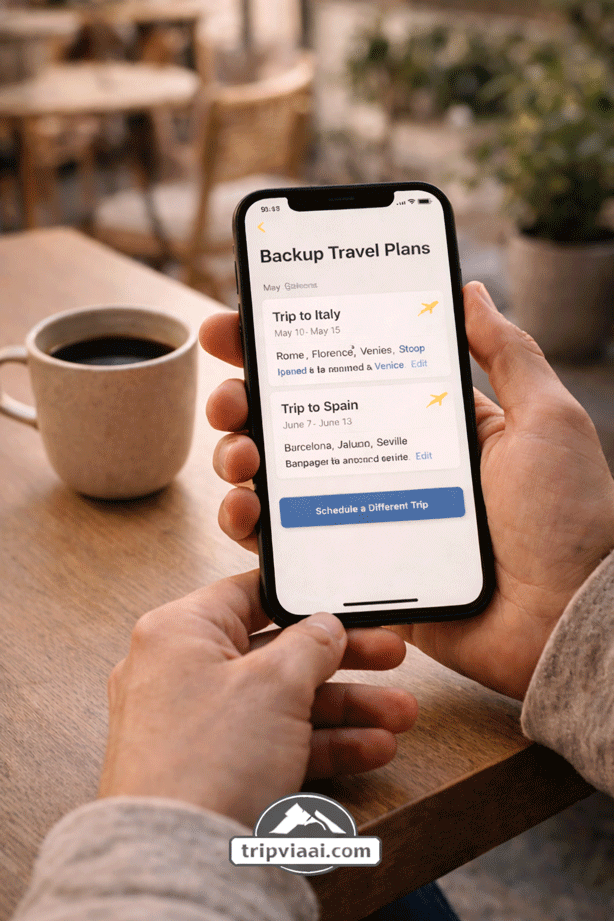
Backup Travel Planning
Conclusion
Creating a beginner friendly travel itinerary is one of the best ways to reduce travel stress and enjoy your first trip with confidence. A well-planned itinerary helps you manage your time, budget, transportation, and daily activities while leaving enough flexibility for unexpected experiences.
Remember that every successful trip starts with realistic planning, not a packed schedule. Focus on enjoying each destination instead of trying to visit every attraction in a limited time.
Use this beginner friendly travel itinerary as a starting point, adjust it to match your travel style, and enjoy every journey with confidence, comfort, and unforgettable memories.
For more beginner-friendly travel guides, itinerary ideas, and practical travel planning tips, visit TripViaAI.