
 Posted by
 Introduction
A well-planned first trip travel guide can help beginners avoid common mistakes, reduce travel stress, and feel more confident before their first journey. Traveling for the first time is exciting, but without proper planning, even small decisions like choosing a destination, packing, or managing your budget can quickly become overwhelming.
I still remember preparing for one of my first trips. I worried about forgetting important documents, packed far more than I needed, and spent extra money simply because I had not planned carefully. Looking back, those challenges were easy to avoid with the right preparation.
This first trip travel guide walks you through every important step, from choosing the right destination and booking flights to packing smartly, staying safe, and avoiding common beginner mistakes. If you’re looking for more beginner-friendly advice, our Travel Tips for First-Time Travellers guide covers additional practical habits that make every trip easier.
First Trip Travel Guide at a Glance
A practical first trip travel guide helps beginners prepare for every stage of their journey. Choosing the right destination, planning a realistic budget, packing only the essentials, organizing important documents, and learning basic travel habits can make your first trip smoother, safer, and far less stressful.
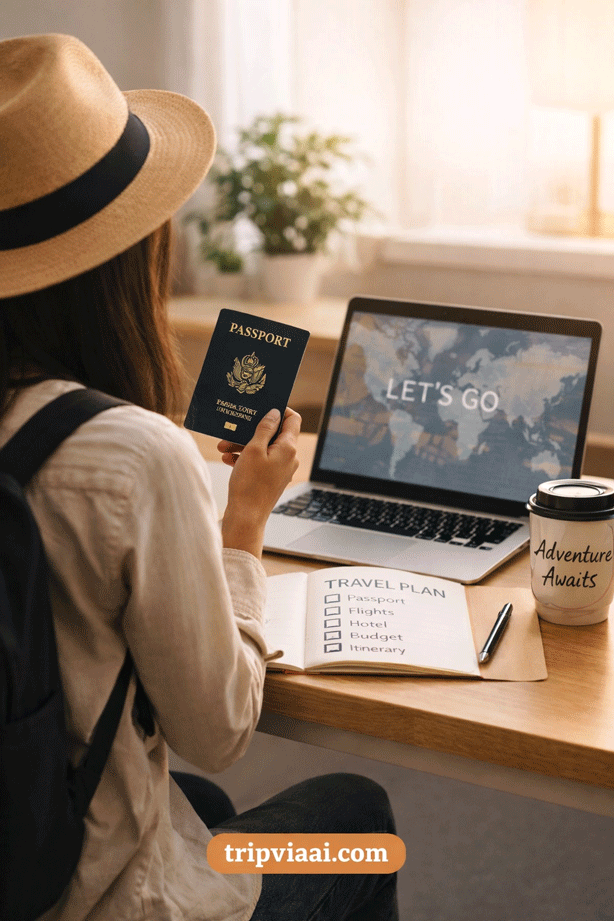
First Travel Planning Moment
Step by Step Travel Planning Guide for Beginners
1. Choose the Right Destination
One of the smartest decisions in any first trip travel guide is choosing a simple and beginner-friendly destination for your first trip.
Many first-time travelers get excited and immediately start planning complicated multi-country trips with tight schedules, multiple flights, and constant hotel changes. It sounds exciting at first, but it can quickly become stressful if you have very little travel experience.
I remember one traveler telling me how exhausting his first international trip became because he tried visiting three different countries in just one week. Most of the journey was spent rushing through airports and figuring out transportation instead of actually enjoying the places.
That is why simplicity matters so much during your first trip.
Instead of planning something overly complicated, choose a destination that has good transportation, beginner-friendly tourist areas, and clear travel systems. Popular tourist cities are often easier for beginners because signs, transportation, hotels, and local services are usually more organized for travelers.
A simple travel plan helps reduce confusion and gives you more confidence while learning how travel actually works.
If you want additional planning help, you should also read Perfect Travel Itinerary for First Time Travelers Step by Step because a well-organized itinerary can make your first travel experience much smoother and less stressful.
The goal of your first trip is not to impress people online. The goal is to feel comfortable, learn how travel works, and enjoy the experience without unnecessary pressure.
2. Decide Your Budget Early
One of the most important parts of any first trip travel guide is learning how to manage your money properly before the trip starts.
Many first-time travelers focus only on flights and hotels but completely forget about daily expenses like transportation, food, shopping, internet, and activities. As a result, they end up spending far more money than expected during the trip.
I made the same mistake during one of my early journeys. I spent too much money during the first few days because I never planned a proper budget beforehand. Later, I had to skip a few activities simply because I was running low on money.
That experience taught me how important travel budgeting really is.
Before your trip, divide your budget into simple categories like flights, hotels, food, transportation, and activities. Even a rough estimate helps you control spending and avoid unnecessary financial stress while traveling.
Another important thing many beginners forget is emergency money. Unexpected situations happen during travel all the time. Flights get delayed, plans change suddenly, or you may need extra transportation or accommodation unexpectedly.
That is why keeping some extra backup money is always a smart decision.
If you want more beginner-friendly gear and planning ideas, you should also read 12 Budget Friendly Travel Gear Items That Save Your Money because small travel decisions can help reduce unnecessary expenses during your trip.
Managing money carefully is one of the smartest budget travel habits for beginners and can make your entire journey feel far more comfortable and stress-free.
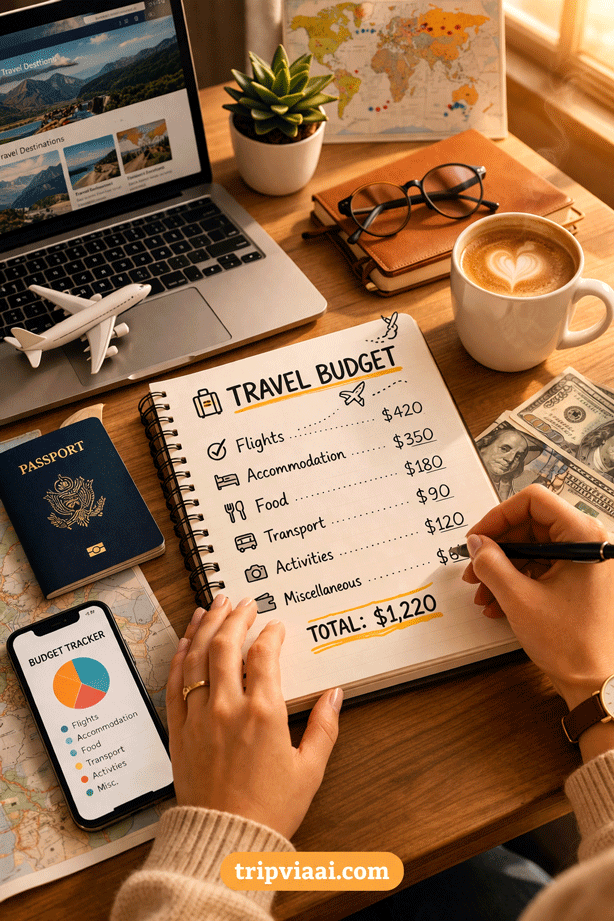
Budget Planning
3. Book Flights the Smart Way
Booking your first flight can feel confusing because there are many factors to compare besides the ticket price. A good approach is to check several dates, compare the total fare, and review what is actually included before paying.
Instead of assuming that a particular day or number of weeks will always give you the cheapest fare, compare prices across a range of dates when your schedule allows. Prices can vary depending on the route, season, demand, and remaining availability, so flexibility can sometimes make a noticeable difference.
Before confirming a flight, check these details:
- Total ticket price
- Baggage allowance
- Departure and arrival times
- Layover duration
- Change or cancellation conditions
I once booked a flight too close to a busy holiday period and ended up paying much more than I expected. Since then, I prefer to monitor prices early and compare several reasonable options before making a decision.
For a first trip, the goal isn’t to find a guaranteed “perfect” fare. It’s to choose a flight that offers a sensible balance between price, timing, baggage, convenience, and flexibility.
4. Book Your Accommodation Carefully
Your accommodation can affect almost every part of your first trip, from your daily transportation costs to how much time you have for sightseeing. That’s why choosing a hotel simply because it has the lowest nightly price can sometimes become an expensive mistake.
Before booking, look beyond the room rate and check:
- Location: Is it reasonably close to the places you plan to visit?
- Transportation: Can you easily reach public transport or important areas?
- Reviews: Are recent guests mentioning cleanliness, noise, or other recurring problems?
- Cancellation policy: Can you change or cancel the booking if your plans change?
I remember booking a very cheap hotel during one trip without researching the location properly. The room looked fine online, but getting to the main areas every day took much longer than expected and added transportation costs.
For a first trip, a slightly more expensive accommodation in a convenient and well-reviewed location can sometimes provide much better overall value than the cheapest available room.
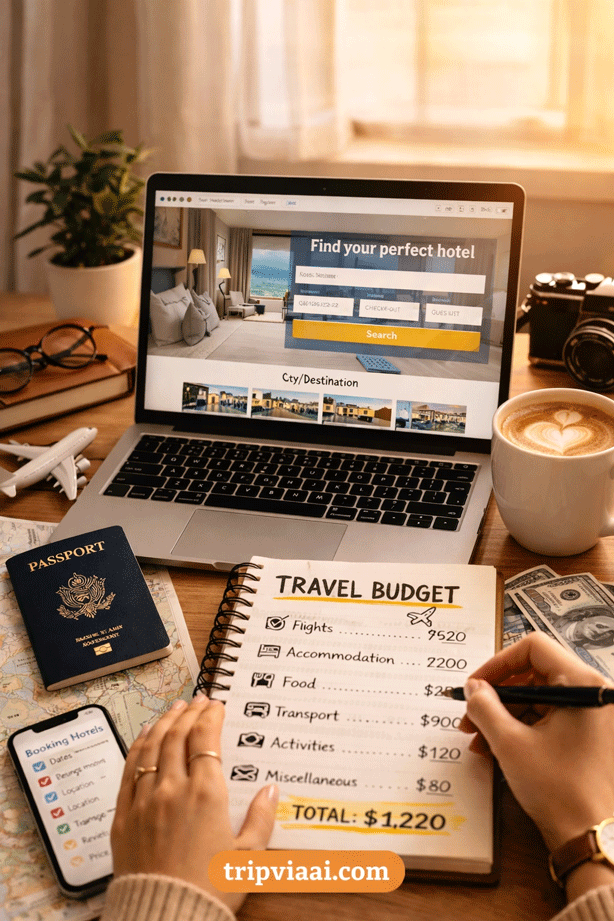
Hotel Booking Setup
5. What to Pack for First Time Travel
Packing mistakes are extremely common in any first trip travel guide because most first-time travelers carry far more things than they actually use.
People often pack for “what if” situations and end up filling bags with unnecessary clothes, extra shoes, and random items that never get touched during the trip.
I made the same mistake during one of my first journeys. My luggage became so heavy that moving through airports and public transportation quickly became exhausting.
After that trip, I realized simpler packing makes travel much easier.
For most beginner trips, you only need:
- basic comfortable clothes,
- important documents,
- toiletries,
- chargers,
- and a few daily essentials.
Packing lighter helps you move faster, avoid baggage stress, and stay more organized during the trip.
Helpful Travel Gear: Lightweight packing cubes and compact toiletry organizers are extremely useful for beginners because they keep luggage organized without taking extra space. Many travelers use them to separate clothes, chargers, and travel documents more efficiently.
A simple packing plan is usually far more helpful than carrying a heavy bag filled with things you probably will not use.
6. Use a Travel Checklist
One of the simplest tips in any first trip travel guide is creating a small travel checklist before leaving home.
Many first-time travelers forget important things because they pack in a hurry or try remembering everything mentally at the last minute.
A basic checklist makes travel preparation much less stressful.
Your checklist can include simple essentials like:
- passport,
- tickets,
- wallet,
- phone,
- chargers,
- and important travel documents.
I still remember reaching the airport once and suddenly worrying whether I packed my charger or not. Since then, I always check a small travel list before leaving home because it reduces unnecessary panic.
Using a simple travel checklist is one of the easiest habits to develop before your first trip. It helps you stay organized, reduces last-minute stress, and ensures you do not forget essential travel items.
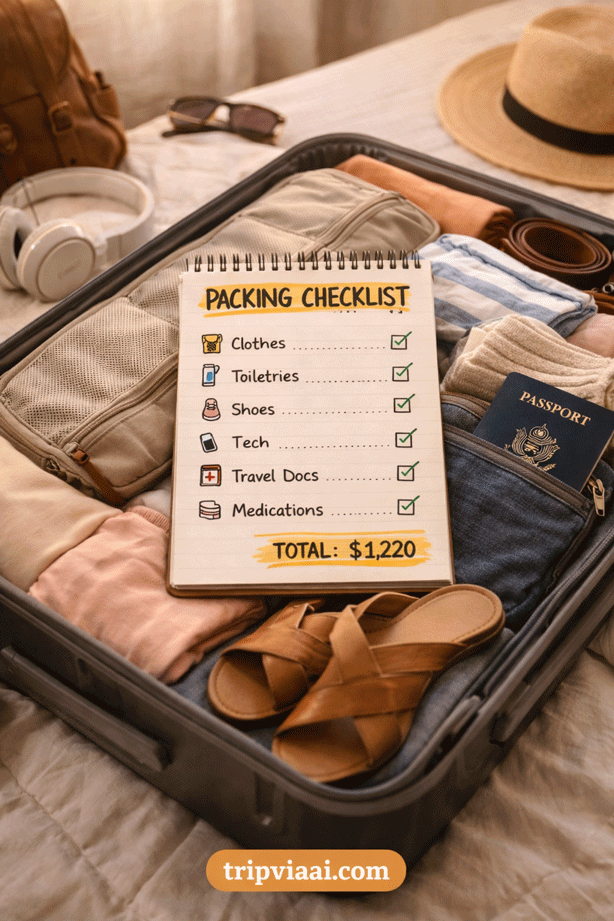
Packing Checklist
7. Learn Basic Local Information
A little destination research before your first trip can save you from many small problems after you arrive. You don’t need to become an expert on the destination, but understanding a few basics can make unfamiliar situations much easier to handle.
Before travelling, learn:
- The local currency and common payment methods
- A few useful local phrases
- How the main public transportation works
- Any important local customs that visitors should know
I remember arriving in a new city without understanding its transportation system properly. Finding the correct bus became much more confusing than it needed to be because I had done almost no preparation beforehand.
You can avoid this by spending a little time researching before departure. Even knowing how to reach your accommodation from the airport, where to get local transportation, and what currency you’ll need can make your first few hours much smoother.
You don’t need to know everything before you leave. Just knowing the basics can give a first-time traveller much more confidence.
8. Use Travel Apps
Your phone can become one of the most useful tools on a first trip, but you don’t need dozens of apps. Choosing a few reliable tools for navigation, translation, bookings, and transportation can make unfamiliar places much easier to manage.
Before leaving home, prepare the apps you’ll actually need and, where possible, download important information for offline use. This is especially useful if your mobile data doesn’t work properly after arrival.
I remember getting lost while trying to find my hotel in a new city because my internet connection stopped working. After that experience, I started downloading offline maps before travelling. It was a small change, but it made navigating unfamiliar places much less stressful.
For beginners, focus on a few essentials:
- Maps for navigation
- Translation for basic communication
- Booking apps for hotels and transportation
- Airline apps for flight updates
The goal isn’t to fill your phone with travel apps. It’s to have the right tools ready before you actually need them.
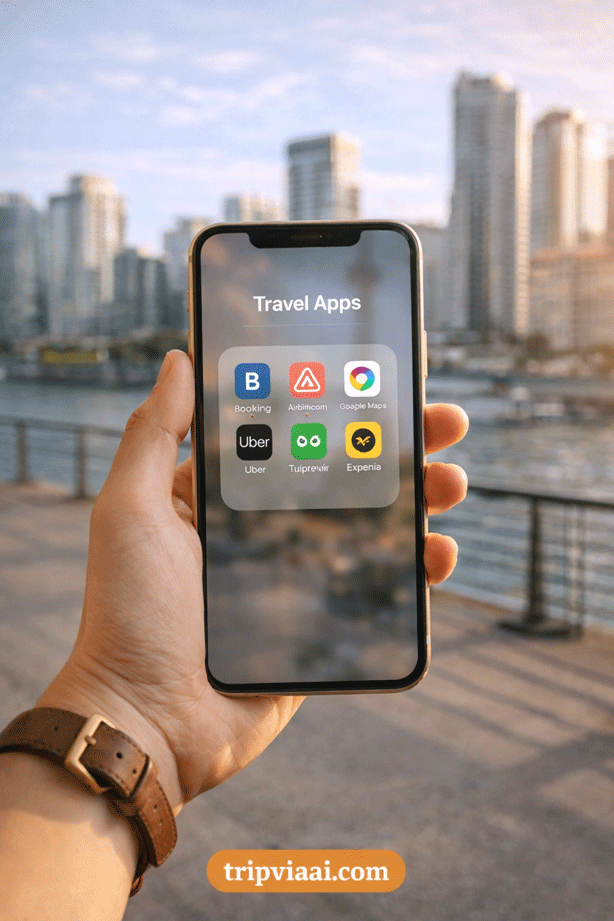
Travel Apps Setup
9. Save Important Addresses Offline
Most first-time travelers assume they will always have internet access during their trip. Unfortunately, mobile data problems, weak signals, dead phone batteries, or unexpected connectivity issues can happen at any time.
That is why one of the smartest habits for beginners is saving important addresses offline before departure.
Before your trip, save details such as:
- your hotel address,
- airport information,
- train or bus station locations,
- embassy or consulate addresses,
- and emergency contact locations.
I learned the importance of this during a trip when my phone’s internet stopped working shortly after arrival. Fortunately, I had saved my hotel address offline, which allowed me to reach my accommodation without unnecessary stress.
Many experienced travelers also keep screenshots of booking confirmations, maps, and transportation directions on their phones for quick access when needed.
This simple preparation takes only a few minutes but can save hours of confusion later. Among the most practical travel tips for first-time travelers, keeping important addresses available offline is one of the easiest ways to travel with more confidence and peace of mind.
Helpful Travel Gear: Portable power banks and universal travel adapters are extremely useful for beginners because they help keep phones charged during long flights, train rides, and full-day travel schedules.
10. Share Your Travel Plans With Someone You Trust
One of the simplest but most overlooked travel habits is sharing your travel plans with a trusted family member or friend before departure. Many first-time travelers focus on flights, hotels, and packing but forget that basic travel safety also matters.
Before your trip, share important details such as your flight information, accommodation address, travel dates, and emergency contact information. This does not mean someone needs to monitor your trip constantly, but it ensures that somebody knows where you are if an unexpected situation occurs.
I started doing this after hearing about a traveler whose flight was delayed for many hours while family members had no idea where he was or how to contact him. A simple shared itinerary could have avoided a lot of unnecessary worry.
You can also share copies of important travel documents, hotel confirmations, and transportation details with someone you trust. If your phone is lost or you cannot access your documents, having a backup contact can be extremely helpful.
Among the most practical travel tips for first-time travelers, sharing your travel plans provides extra peace of mind and makes travel feel safer and more organized from the very beginning.
Advanced Travel Tips for Beginners
11. Understand Travel Documents Clearly
One important part of any first trip travel guide is understanding how important travel documents really are.
Many first-time travelers focus heavily on packing clothes and booking hotels but forget to properly organize important documents before the trip.
Depending on your destination, you may need:
- passport,
- visa,
- ID proof,
- travel insurance,
- and booking confirmations.
For international trips, always check your passport validity carefully. Many countries require passports to remain valid for at least six months beyond your travel date.
I once saw a traveler at an airport struggling because his passport validity was too close to expiration. Something that small nearly ruined the entire trip.
That is why document preparation matters so much.
Always keep both printed and digital copies of important documents. Store copies on your phone, email, or cloud storage so you can access them during emergencies.
Helpful Travel Gear: Waterproof document organizers and RFID travel wallets are very useful for beginners because they keep passports, cards, tickets, and important papers safe while traveling through airports or crowded tourist areas.
Simple preparation like this can prevent a huge amount of stress during your trip, especially if it is your first international journey.
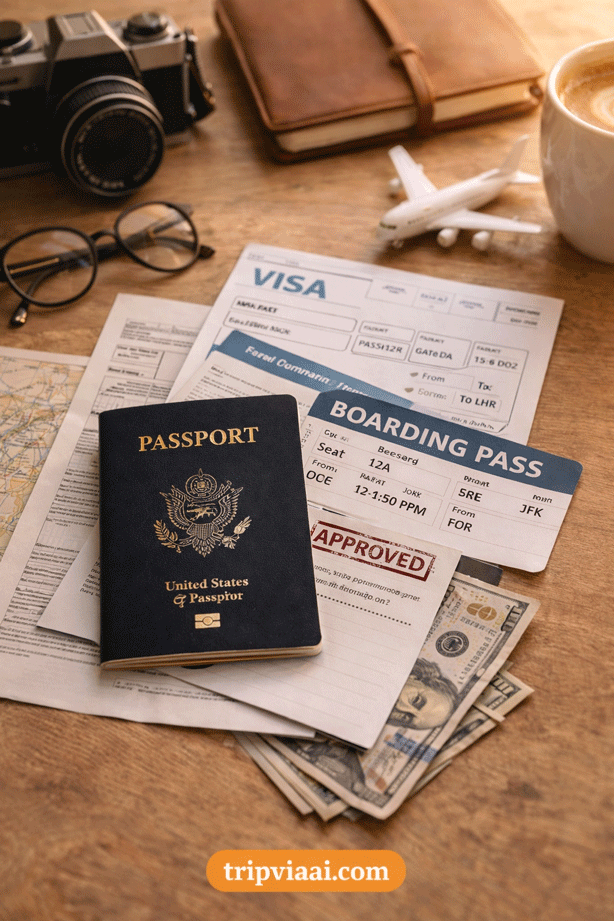
Travel Documents Ready
12. Learn Airport Process Before You Go
Airports can feel intimidating during your first trip, especially when you don’t know what happens after you walk through the entrance. Understanding the basic process beforehand can make your first airport experience much calmer.
For most flights, you’ll need to complete a few basic steps:
- Check in and get your boarding pass
- Go through security
- Find your departure gate and board the flight
Give yourself enough time because airports can become busy, and security lines, check-in requirements, or gate changes can take longer than expected. For international travel, it’s particularly important to check your airline’s recommended arrival time before the day of departure.
I remember feeling nervous on one of my first trips simply because I wasn’t familiar with the airport layout or process. Once I understood what to expect, the experience became much easier.
If you’re flying for the first time, checking your airport terminal, airline check-in requirements, baggage rules, and gate information before leaving home can remove a lot of unnecessary uncertainty.
13. Manage Your Money Smartly While Traveling
Managing money properly is one of the most important skills first-time travelers can learn. Many beginners focus only on their total trip budget but forget that daily spending habits often determine whether a trip feels comfortable or stressful.
A simple strategy is to avoid keeping all your money in one place. Carry a combination of cash, debit cards, and credit cards whenever possible. If one payment method becomes unavailable, you still have backup options available.
I learned this lesson during a trip when one of my cards stopped working unexpectedly. Fortunately, I had another payment method available, which prevented a minor inconvenience from becoming a major problem.
It is also a good idea to track your spending every evening. Small purchases such as snacks, taxis, coffee, and souvenirs may not seem expensive individually, but they can add up quickly during a longer trip.
Smart money management helps first-time travelers stay within budget, avoid unnecessary financial stress, and enjoy their trip with greater confidence.
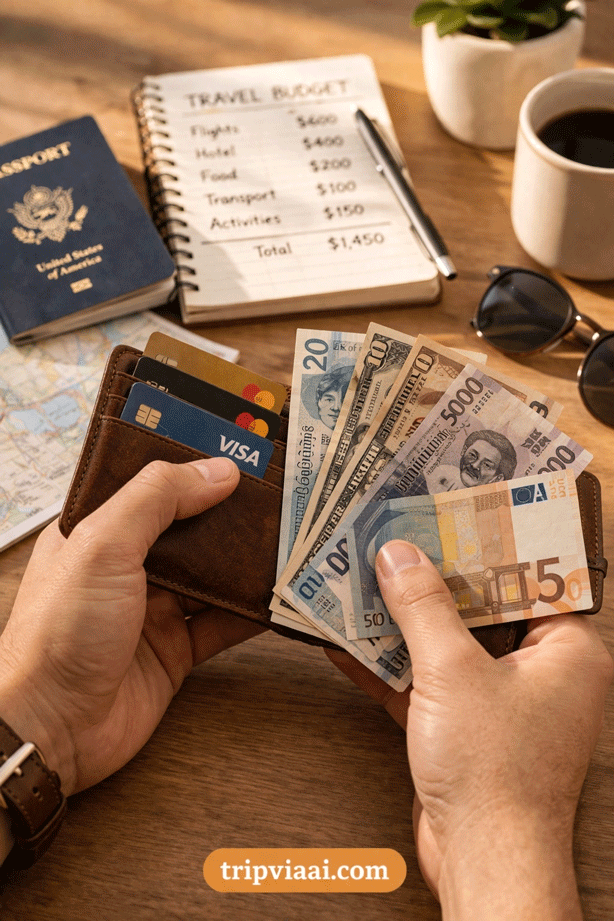
Travel Money Management
14. Stay Safe While Traveling
Safety doesn’t have to make your first trip stressful. A few basic precautions can help you feel more confident while exploring an unfamiliar destination.
Before travelling, learn about the areas you’ll be visiting and pay attention to your surroundings, particularly in crowded tourist areas or when travelling at night. Keep important documents and valuables secure, and avoid carrying large amounts of cash unnecessarily.
I remember meeting a traveller who lost his wallet in a crowded tourist area because it wasn’t stored securely. Fortunately, the situation was resolved, but it showed how a small precaution could have prevented a much bigger inconvenience.
It’s also useful to keep emergency contact information easily accessible and let someone you trust know your basic travel plans. These simple habits won’t eliminate every possible problem, but they can make it much easier to respond calmly if something unexpected happens.

Stress Free Travel
15. Avoid Common Travel Mistakes
Every first-time traveller makes a few mistakes, and that’s completely normal. The goal isn’t to avoid every possible problem; it’s to learn from common mistakes before they affect your own trip.
Some mistakes are especially easy to prevent, such as:
- Packing more than you actually need
- Planning too many activities in one day
- Forgetting important documents
- Arriving at the airport without enough time
- Spending without setting a realistic budget
I made several of these mistakes during my early trips. I packed too much luggage, tried to fit too many activities into a single day, and underestimated how much time I needed at the airport. None of these mistakes ruined the trip, but each one taught me something useful for the next journey.
For your first trip, focus on being prepared rather than perfect. Leave some flexibility in your schedule, keep important information organised, and give yourself enough time to deal with unexpected changes.
The more you travel, the more naturally these habits will develop. Your first journey doesn’t need to go perfectly—it simply needs to be an experience you can learn from and enjoy.
Conclusion
Planning your first trip doesn’t have to feel complicated. A practical first trip travel guide can help you organise the important details, manage your budget, pack with more confidence, and prepare for situations that may feel unfamiliar at first.
Remember that every experienced traveller was once a beginner. Your first journey may not go exactly according to plan, and that’s perfectly normal. A missed turn, an unexpected delay, or a small packing mistake can become something you learn from and handle more easily on your next trip.
Instead of trying to create a perfect itinerary, focus on being prepared, flexible, and comfortable. Check your important documents, understand your transportation, keep some backup money, and give yourself enough time to enjoy the experience.
Your first trip is not a test. It’s the beginning of learning how you like to travel—and every journey after that can become easier because of what you learn along the way.
For more beginner-friendly travel guides and travel planning tips, visit TripViaAI
FAQs About Planning Your First Trip
1. What should I do first when planning my first trip?
Start by choosing a destination that matches your budget, available time, and comfort level. Then work through the basics in order: transportation, accommodation, budget, documents, packing, and daily plans. Keeping the process simple can make your first trip much easier to manage.
2. How much should I budget for my first trip?
There isn’t one fixed amount because costs depend on the destination, trip length, accommodation, transportation, food, and activities. Create separate estimates for major expenses and keep some extra money for unexpected costs. This gives you a more realistic picture of what the trip will actually cost.
3. What should a first-time traveller pack?
Focus on essentials rather than packing for every possible situation. Comfortable clothes, important documents, toiletries, chargers, and items you regularly use are a good starting point. Packing lighter can make airports, public transportation, and hotel changes much easier.
4. How early should I arrive at the airport for my first trip?
Check your airline’s current guidance because recommended arrival times can vary by airport and flight. For a first trip, allowing extra time is sensible because check-in, security, baggage procedures, and finding your gate may take longer when you’re unfamiliar with the airport.
5. How can I make my first trip less stressful?
Prepare the important details before leaving, including documents, accommodation information, transportation, offline maps, and a realistic budget. At the same time, avoid planning every minute. Leaving some flexibility gives you room to rest, deal with delays, and enjoy unexpected experiences.