
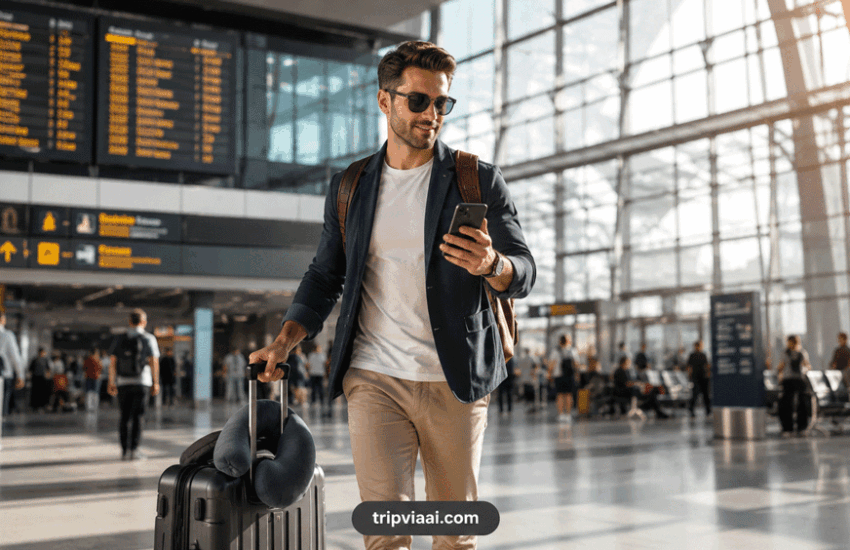
 Posted by
 Introduction
Travel tips for beginner travelers are not about making travel complicated. They are about making smarter decisions that reduce stress, save money, and improve your overall travel experience.
Many beginners consume too much travel information before their first trip. You watch videos, save Instagram posts, read blogs, and suddenly everything feels confusing instead of exciting. Many travelers later discover small travel tips you’ll wish you knew earlier because simple habits often make travel smoother and less stressful.
I remember my first trip very clearly. I had too many saved places, multiple packing lists, and a schedule filled with unnecessary plans. I thought more planning would create a better trip, but instead it made travel exhausting.
Real travel is not about making more decisions. It is about making better decisions. These travel tips for beginner travelers will help you travel more confidently, stay organized, and enjoy the journey without unnecessary stress.
What Are the Best Travel Tips for Beginner Travelers?
The best travel tips for beginner travelers focus on simple planning, smart budgeting, flexible scheduling, lightweight packing, and avoiding common travel mistakes. Instead of overcomplicating the trip, beginner travelers should focus on clear planning, realistic expectations, and practical decisions that make travel smoother, less stressful, and more enjoyable overall.
Essential Travel Tips Every Beginner Should Know
Travel With a Carry-On-First Strategy
One of the biggest differences between beginner and experienced travellers is how they approach luggage. Many first-time travellers assume they need a large suitcase for every trip, but experienced travellers often start by asking a different question: “Can I do this trip with just a carry-on?”
Traveling with less luggage makes almost every part of the journey easier. You spend less time waiting at baggage claim, avoid checked baggage fees, move through airports faster, and worry less about lost luggage. It also forces you to pack more intentionally instead of filling your bag with items you will never use.
I learned this lesson during an early trip when I packed a large suitcase for a short vacation. Moving through train stations and crowded streets quickly became frustrating. By the end of the trip, I realized I had used only a fraction of what I packed.
Many experienced travellers now prefer a carry-on-first strategy because it creates more flexibility and less stress throughout the journey. If you are planning your first major trip, you may also find Beginner Friendly Travel Itinerary to Plan Your First Trip Easily helpful because better planning often leads to smarter packing decisions. Among the most practical travel tips for beginner travelers, learning to pack lighter is one of the easiest ways to improve every trip.
Build a Personal Travel Checklist You Reuse
Many travellers create a new packing list before every trip and end up making the same mistakes repeatedly. They forget chargers on one trip, adapters on another, and important toiletries on the next.
Experienced travellers solve this problem by building a reusable travel checklist.
Instead of relying on memory every time, they create a personal system that evolves after each trip. Whenever something is forgotten or proves particularly useful, it gets added to the checklist. Over time, the list becomes highly personalized and extremely effective.
This approach reduces last-minute stress and speeds up travel preparation significantly. Rather than wondering whether you remembered everything, you simply follow a system that has already been tested on previous trips.
The best travel systems are often surprisingly simple. A reusable checklist may not seem exciting, but it can save time, reduce mistakes, and make every future trip easier to organize. That is why it remains one of the most valuable travel tips for beginner travelers who want a smoother and more organized travel experience.
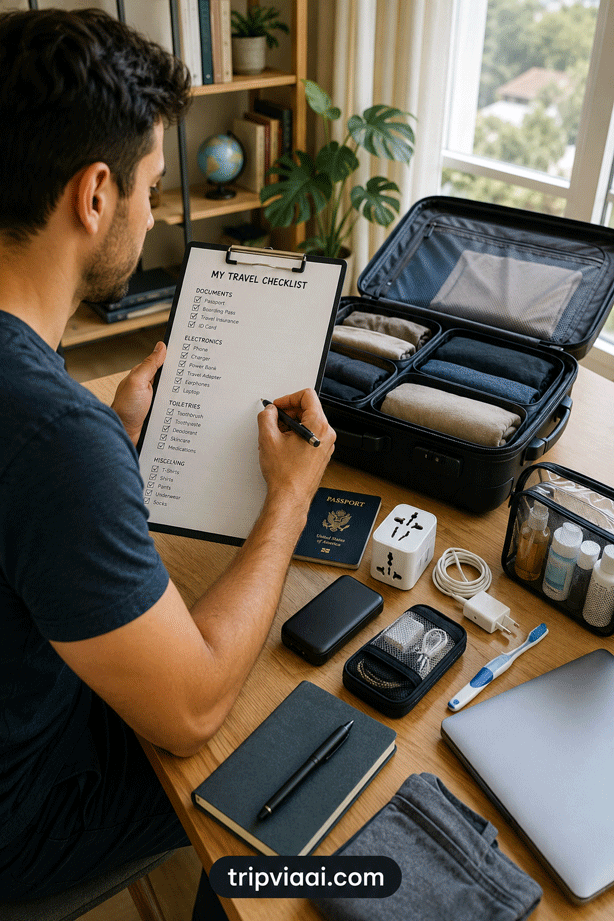
Reusable Travel Checklist for Every Trip
Keep Digital and Physical Document Backups
One of the most valuable habits experienced travellers develop is creating multiple backups of important travel documents. Relying on a single passport copy, boarding pass, or booking confirmation creates unnecessary risk.
Before every trip, save digital copies of passports, visas, hotel reservations, travel insurance information, and transportation tickets. Store them securely online and keep offline versions accessible on your phone.
Physical copies are equally useful. A printed backup stored separately from your originals can be incredibly helpful if your phone battery dies or your device becomes unavailable.
I once met a traveller who misplaced a passport while changing trains in Europe. Fortunately, they had backup copies of their identification documents, which made the replacement process much easier.
Experienced travellers rarely depend on a single copy of anything important because preparation often prevents small problems from becoming major ones. Creating document backups is one of those travel tips for beginner travelers that may seem small before departure but becomes incredibly valuable during unexpected situations.
Use Airport Time Efficiently
Many people view airport time as something to endure rather than use productively. Experienced travellers often take the opposite approach.
Instead of waiting aimlessly at the gate, they use airport time to prepare for the destination ahead. They review hotel information, check transportation options, organize travel documents, download maps, and confirm important reservations.
This small habit creates a smoother arrival experience because many logistical tasks are completed before landing.
Airport time can also be used to recharge devices, update travel budgets, or make adjustments to upcoming plans. These activities require very little effort but often prevent unnecessary stress later.
Professional travellers understand that efficient travel is built on small habits repeated consistently. Using airport time wisely may seem like a minor detail, but it is one of those overlooked travel tips for beginner travelers that can make an entire trip feel more organized and less stressful.
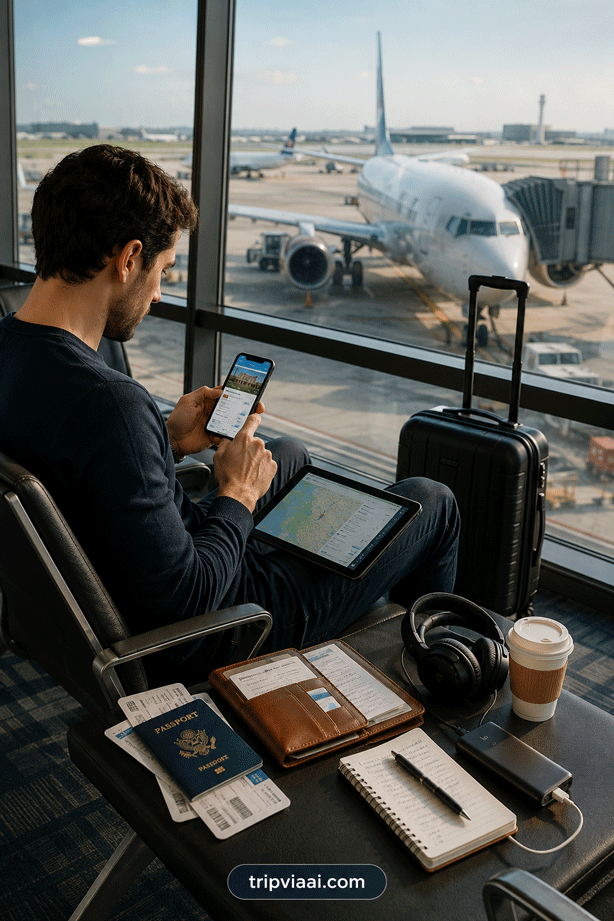
Use Airport Time Efficiently Before Your Flight
Separate Travel Money From Daily Spending
One reason some travellers overspend is that travel expenses become mixed with everyday spending habits. Meals, transportation, souvenirs, and small purchases gradually blur together until it becomes difficult to track where money is actually going.
Experienced travellers often create a separate travel budget and treat it independently from their normal finances. This makes it easier to monitor spending and avoid unpleasant surprises later.
Some travellers use dedicated travel cards, while others maintain separate travel funds specifically for upcoming trips. The method matters less than the principle itself.
If you want better control over your travel finances, you should also read 10 Smart Budget Travel Tips for Beginners because small spending habits often have a bigger impact than people realize.
Keeping travel finances organized creates more freedom and less financial stress throughout the journey. For many people, this becomes one of the most important travel tips for beginner travelers because good budgeting often determines how enjoyable a trip feels.
Create Backup Transportation Options
Many travellers spend plenty of time planning flights and accommodation but rarely think about what they will do if their transportation plans suddenly change. Delayed trains, cancelled flights, ride-share shortages, or weather disruptions can quickly affect even the best itinerary.
Experienced travellers usually research alternative transportation options before they need them. Knowing where nearby train stations, bus routes, taxi services, or rental car locations are located can save a tremendous amount of stress during unexpected situations.
I learned this lesson during a trip when a train cancellation left hundreds of passengers scrambling for alternatives. Fortunately, I had already looked at backup options and was able to continue my journey without major problems.
Among the most practical travel tips for beginner travelers, having backup transportation plans is often overlooked. It is also one of the smartest travel planning tips because it helps you stay flexible when travel does not go exactly as expected.
Research Local Logistics Before Arrival
Most travellers spend time researching attractions, restaurants, and hotels before a trip. However, experienced travellers often focus just as much on understanding how the destination actually works.
Before arriving, learn about local transportation systems, payment methods, airport transfers, and common travel apps used in the area. Knowing these details in advance can make your first day much smoother and far less stressful.
Many first-time travellers arrive with a list of places to visit but have no idea how to move efficiently between them. As a result, valuable vacation time gets wasted figuring out basic logistics that could have been researched beforehand.
This preparation may seem small, but it can dramatically improve your overall experience. It remains one of the most useful travel tips for beginner travelers and one of the most effective travel preparation tips for creating a smoother arrival experience.
Focus on Smooth Travel, Not Perfect Travel
One of the biggest mindset shifts experienced travelers develop is understanding that perfect trips do not exist. Flights get delayed, weather changes unexpectedly, attractions close, and plans sometimes need adjustments. Beginners often become frustrated when things do not go exactly as planned, but experienced travelers learn to stay flexible and focus on the overall experience instead.
neighbourhoods During one trip, heavy rain forced me to cancel several planned activities. At first, it felt disappointing, but that unexpected change led me to explore local cafés, markets, and neighbourhoods that I would have otherwise missed. Those unplanned experiences eventually became some of my favourite memories from the entire trip.
The goal of travel is not following a perfect schedule. The goal is enjoying the journey, learning something new, and creating memorable experiences along the way. Travelers who stay flexible usually experience less stress and enjoy their trips much more.
Among the most valuable travel tips for beginner travelers, learning to focus on smooth travel rather than perfect travel helps create a more relaxed, enjoyable, and rewarding travel experience every time.

Embracing Unexpected Travel Moments
Prepare for Delays Before They Happen
One of the biggest differences between beginner and experienced travellers is how they think about delays. New travellers often assume everything will go according to plan, while experienced travellers understand that disruptions are a normal part of travel.
Flights get delayed, weather changes schedules, and transportation systems occasionally experience unexpected problems. Instead of hoping these situations never happen, prepare for them in advance.
Carry snacks, keep important items easily accessible, download entertainment for long waits, and avoid scheduling activities too tightly after arrival. These small precautions make delays much easier to handle.
If you want to avoid expensive travel mistakes, you should also read 15 Budget Travel Mistakes That Are Costing You Money because poor preparation often creates unnecessary expenses.
Planning ahead for disruptions is one of the smartest travel tips for beginner travelers and one of the most valuable travel mistakes to avoid before any trip.
Build Travel Systems Instead of Travel Habits
Many people try to improve their travel experience by developing better habits. Experienced travellers often take a different approach by building systems instead.
A habit is remembering to pack a charger. A system is keeping all charging equipment inside a dedicated travel pouch that is always ready to go.
A habit is remembering travel documents. A system is storing all important travel information in the same place every single trip.
Systems are more reliable because they reduce the need to remember dozens of individual tasks. Instead of depending on memory, you rely on repeatable processes that consistently produce better results.
Over time, these systems make travel preparation faster, easier, and less stressful. This is one of the most effective travel tips for beginner travelers because it simplifies every future journey. It is also one of the best smart travel habits experienced travellers use to stay organized wherever they go.
Recommended Travel Essentials
Travellers who rely on technology and efficient travel systems often benefit from:
These tools help maintain connectivity, reduce dependence on public networks, and ensure important travel information remains accessible throughout the journey.
Advanced Travel Strategies That Most Beginners Don’t Know
Choose Destinations That Match Your Budget
One of the smartest travel tips for beginner travelers is choosing destinations that fit your budget instead of simply following popular travel trends. A destination with affordable accommodation, local transportation, and reasonably priced food can make your trip far more enjoyable and much less stressful. Spending beyond your budget often creates unnecessary financial pressure and limits your ability to fully enjoy the experience. Before booking, compare average daily travel costs, seasonal prices, and local expenses. Choosing a destination that matches your budget allows you to travel comfortably, stay longer, and focus on creating memorable experiences rather than constantly worrying about money.
Travel During the Off-Season
Traveling during the off-season is one of the easiest ways to save money while enjoying a more relaxed experience. During peak travel periods, flights, hotels, and popular attractions are often more expensive and crowded. In contrast, off-season travel usually offers better hotel rates, lower airfare, and shorter waiting times at major attractions. On one of my off-season trips, I was able to explore popular sightseeing spots without standing in long queues, making the entire journey feel far more enjoyable. If your schedule is flexible, traveling outside the busiest months can help you experience more while spending less.
Plan Activities by Location
Many beginner travelers lose valuable time by traveling back and forth across a city several times in a single day. A smarter approach is to group attractions that are located near each other and visit them together. This reduces transportation costs, saves time, and leaves more energy for enjoying the destination instead of commuting. Before your trip, use a map to organize your itinerary by area rather than by attraction type. A little planning can make each day more efficient, allowing you to explore more places without feeling rushed or exhausted.r approach is grouping nearby attractions together to reduce transport costs and save energy during the trip.
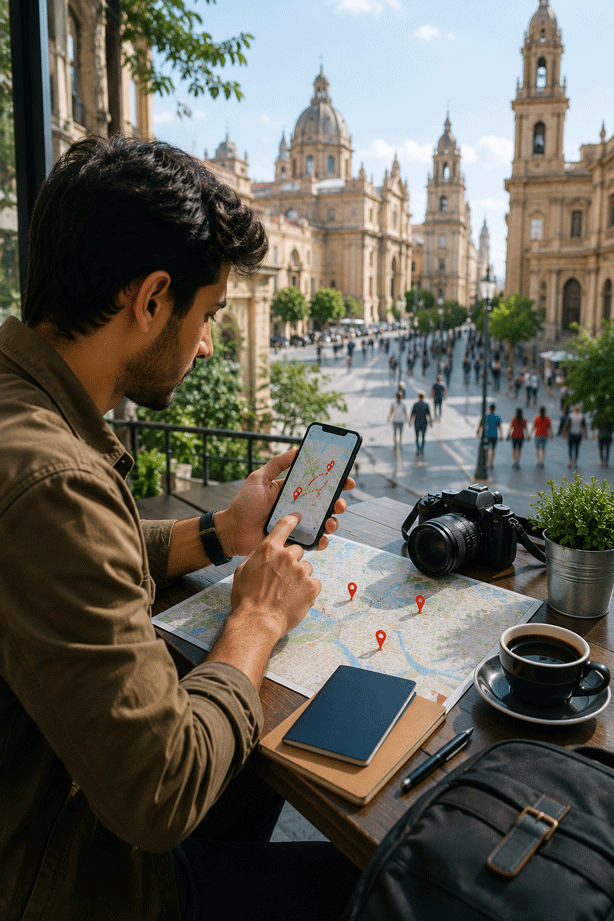
Smart Attraction Planning to Save Time and Money
Use Public Transport
Public transportation is usually cheaper, faster in crowded cities, and gives you a more local experience compared to expensive taxis or ride-sharing apps. Learning how to use buses, metro systems, and trains is one of the smartest travel habits for beginners because it helps reduce daily travel costs without making the trip uncomfortable. Using public transportation more efficiently can save both time and money during your journey.
Focus on Smooth Travel, Not Perfect Travel
One of the biggest mindset shifts experienced travelers develop is understanding that perfect trips simply do not exist. Flights may be delayed, weather conditions can change unexpectedly, attractions sometimes close without notice, and carefully planned itineraries often need last-minute adjustments. While these situations can feel frustrating at first, they are a normal part of traveling and happen to almost everyone.
Instead of trying to control every detail, experienced travelers focus on staying flexible and making the most of whatever the journey offers. A small change in plans often creates opportunities to discover places or experiences that were never part of the original itinerary. For example, an unexpected rainy afternoon might encourage you to explore a local café, visit a museum, or spend time in a neighborhood that you would have otherwise overlooked. These unplanned moments frequently become some of the most memorable parts of a trip.
The goal of travel is not to follow a perfect schedule from morning to night. It is to enjoy new experiences, adapt when plans change, and create meaningful memories along the way. Travelers who focus on smooth travel instead of perfect travel usually experience less stress, stay more relaxed, and enjoy every journey far more than those who expect everything to go exactly as planned.
Frequently Asked Questions
What are the best travel tips for beginner travelers?
Some of the best travel tips for beginner travelers include packing only the essentials, planning a realistic itinerary, keeping digital copies of important documents, monitoring your travel budget, and remaining flexible when plans change. These simple habits help reduce unnecessary stress and allow first-time travelers to enjoy a smoother, safer, and more organized travel experience from departure to return.
Should I travel with only a carry-on bag?
For weekend breaks or short trips, traveling with only a carry-on bag is often the most convenient option. It helps you avoid checked baggage fees, spend less time waiting at baggage claim, and move around airports more easily. Packing efficiently also encourages you to bring only what you actually need, making your journey lighter and more comfortable.
Why are document backups important while traveling?
Keeping both digital and printed copies of important travel documents can save you from major problems if your originals are lost, stolen, or damaged. Backups of your passport, visa, travel insurance, hotel reservations, and flight details make it easier to verify your identity and continue your journey with fewer complications.
How can I avoid overspending while traveling?
Start by setting a realistic travel budget before your trip and track your daily expenses as you travel. Prioritize essential costs such as accommodation, transportation, and meals, while leaving some room for unexpected expenses. Small spending decisions made consistently can help you stay within budget without reducing the overall quality of your trip.
What is the biggest mistake beginner travelers make?
Many first-time travelers try to pack too much, plan every hour of their itinerary, or underestimate the time needed for transportation. These mistakes often create unnecessary stress and reduce flexibility during the trip. A balanced travel plan with realistic expectations usually leads to a far more enjoyable experience.
Why should I prepare for travel delays?
Delays are a normal part of travel and can happen because of weather, traffic, technical issues, or operational changes. Preparing for possible disruptions by carrying essential items, allowing extra travel time, and staying flexible helps reduce frustration and makes it easier to adapt when plans change unexpectedly.
Conclusion
Following these travel tips for beginner travelers will help you travel with greater confidence, reduce unnecessary stress, and enjoy every journey more comfortably. Simple habits like packing lighter, planning realistically, staying flexible, and preparing for unexpected situations often make a much bigger difference than expensive travel gear or perfect itineraries.
Remember that every experienced traveler started exactly where you are today. Each trip teaches valuable lessons that make future journeys even easier and more enjoyable.
Use these travel tips for beginner travelers as your foundation, keep learning from every trip, and focus on creating memorable experiences instead of perfect travel plans.
For more beginner-friendly travel guides and smart travel ideas, visit tripviaai.com