

 Posted by
 Introduction
Budget travel tips for beginners help you spend less, avoid common mistakes, and enjoy more comfortable trips without sacrificing great experiences. Many first-time travelers believe that traveling on a budget means giving up comfort, but smart planning often saves far more money than simply choosing the cheapest option.
I learned this during one of my early trips when last-minute bookings, expensive restaurants, and poor transportation choices quietly drained my travel budget. Those experiences taught me that successful budget travel is about making better decisions before and during the journey.
In this guide, you’ll discover practical budget travel tips for beginners that will help you reduce unnecessary expenses, plan smarter, and travel with greater confidence. If you’re planning your first vacation, our Travel Tips for First-Time Travelers guide is the perfect companion before you start booking your trip.
What Are Budget Travel Tips for Beginners?
Budget travel tips for beginners are simple strategies that help travelers reduce unnecessary expenses while still enjoying comfortable and memorable trips. These tips usually focus on smarter planning, affordable transportation, budget-friendly accommodation, controlled spending, and practical travel habits that save money without reducing the overall travel experience.
Smart Budget Travel Tips
1. Plan Your Trip Like a Smart Traveler
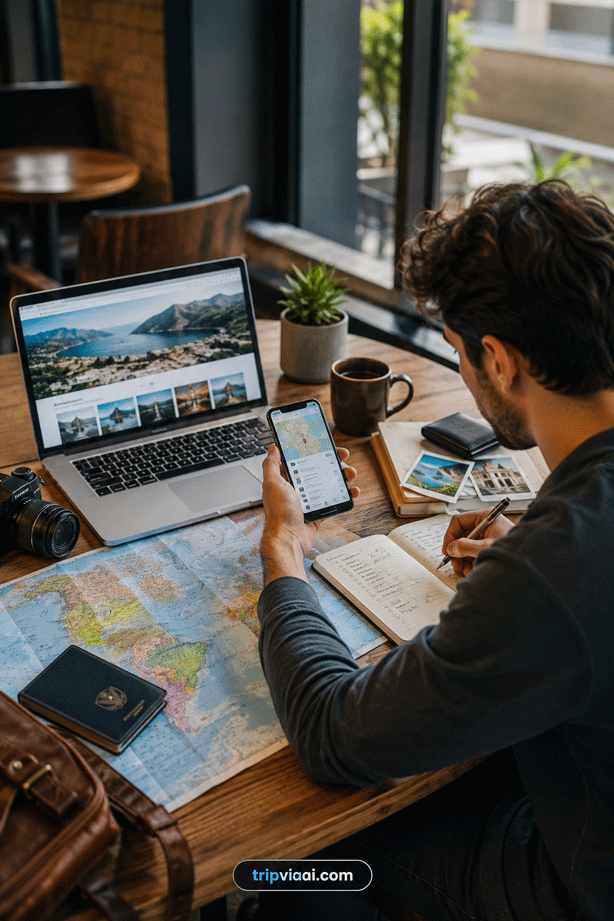
Planning is where smart budget travel actually begins. Many beginners think travel planning only means booking flights and hotels, but proper planning goes much deeper than that. In reality, good preparation can remove a huge amount of unnecessary spending before the trip even starts.
Smart planning includes choosing destinations that match your budget, checking seasonal prices, understanding local transportation, and estimating daily expenses realistically. Travelers who improve these habits often notice that their trips immediately become cheaper and less stressful overall.
During one of my earlier trips, I booked several things at the last moment and ended up paying much higher prices for hotels and transportation than necessary. That experience taught me how expensive unplanned travel decisions can become.
👉 Important things to plan early:
- Transportation options
- Daily budget estimates
- Hotel locations
- Seasonal price changes
Many travelers who want smarter long-term planning habits also explore travel tips for first time travelers before booking their trips. Good planning does not restrict your travel experience. It protects your budget and helps you travel more comfortably.
Travel Planning Setup
2. Travel During Off Season for Maximum Savings
One of the smartest budget travel tips for beginners is changing your travel timing. Many beginners automatically travel during holidays or peak tourist seasons without realizing how much extra money they are spending on flights, hotels, food, and activities.
During peak season, almost everything becomes more expensive and crowded. Flights cost more, hotel prices increase quickly, and even simple tourist activities become harder to enjoy because of long waiting lines and overcrowded attractions.
Off-season travel creates a completely different experience. You usually get lower prices, better hotel deals, fewer crowds, and a much calmer atmosphere overall. During one off-season trip, I noticed how much more relaxed sightseeing felt because I was not constantly surrounded by huge crowds or waiting in long queues.
👉 Smart things to check before booking:
- Peak vs off-season prices
- Weather conditions
- Hotel availability
- Tourist crowd levels
Travelers who enjoy slower and more comfortable trips also explore cheap travel ideas before choosing destinations and travel dates. Sometimes changing your trip by just a few weeks can reduce travel costs significantly while improving the overall experience at the same time.
3. Book Flights and Hotels Strategically
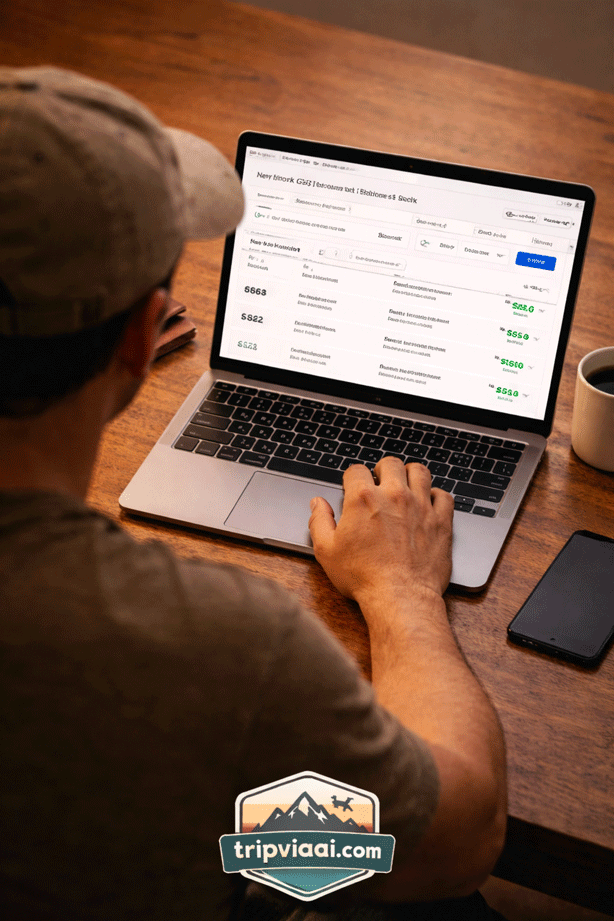
One of the biggest reasons beginners overspend during travel is poor booking decisions. Many people either wait too long before booking or choose the first option they see without properly comparing prices, locations, or transportation costs. In reality, smart booking decisions are one of the most important budget travel tips for beginners because they can save a surprisingly large amount of money before the trip even begins.
During one of my earlier trips, I almost booked a Friday flight because it matched my preferred schedule. Before confirming the ticket, I checked nearby dates and noticed that the exact same route on Tuesday was much cheaper. That small timing adjustment saved enough money to cover several meals and local transportation during the trip.
The same mistake happens with hotels too. Many beginners focus only on finding the cheapest room without checking the actual location. I once stayed in a budget hotel far from the city center and later realized I was spending extra money and time every single day on transportation. After that experience, I started looking at total travel cost instead of just hotel price.
A smarter approach is booking flights a few weeks early, comparing multiple platforms, checking transport access, and staying flexible with travel dates whenever possible. Travelers who improve these habits often notice that their trips become cheaper, smoother, and much less stressful overall.
Flight Booking Strategy
4. Pack Smart and Avoid Overpacking
Packing is one of the most underestimated parts of budget travel, but it directly affects both your comfort and your expenses during the trip. Many beginners carry far more items than they actually need, which often leads to overweight baggage fees, heavy luggage, and unnecessary travel stress. Learning smarter packing habits is one of the most practical budget travel tips for beginners because it saves both money and effort throughout the journey.
I learned this during one of my first trips when I packed extra clothes, multiple shoes, and random “just in case” items that I never even used. Carrying that heavy luggage through airports and public transport quickly became exhausting, and I even paid additional baggage fees during the return flight. After that experience, I completely changed the way I pack.
Smart travelers focus only on essentials, lightweight items, and clothes that can be used in multiple situations. A simple outfit combination strategy can reduce luggage weight surprisingly fast.
👉 Recommended travel gear:
One important mindset shift makes a huge difference: do not pack for every possible situation. Pack for what you will realistically use during the journey. Travelers who follow this approach usually move faster, spend less money, and enjoy a much smoother travel experience overall.
5. Use Public Transport Like a Local
Transportation becomes a daily expense during travel, and many beginners underestimate how quickly those small costs add up. Relying only on taxis or ride-sharing apps may feel convenient at first, but repeated bookings can quietly increase your total budget by the end of the trip. Learning how to use public transportation is one of the smartest budget travel tips for beginners because it saves money every single day.
During one city trip, I used taxis almost everywhere because local metro systems looked confusing. Later, after checking my expenses, I realized I had spent far more money on short-distance transport than expected. On my next trip, I started using buses and metro systems instead, and the savings became noticeable within just a few days.
Public transportation is usually cheaper, faster in crowded cities, and gives travelers a more local experience. Many travelers who want smarter long-term savings also explore travel accessories that save space and money because lightweight luggage makes buses, trains, and metro travel much easier overall.

Public Transport Travel
6. Eat Smart Instead of Eating Expensive
Food is one of the easiest places where travel expenses quietly increase. Many beginners eat only at tourist restaurants because they feel safe and convenient, but those places usually charge much higher prices than local food spots nearby. Learning how locals eat is one of the smartest budget travel tips for beginners because it improves both your experience and your savings.
A smarter approach is exploring local cafés, small restaurants, and street food areas where local people actually eat. During one trip, I found a small local restaurant away from the tourist area and ended up getting better food at almost half the price.
Local food is not only cheaper but also gives you a much more authentic travel experience. Trying regional dishes and local flavors often becomes one of the most memorable parts of the journey while helping you reduce daily travel expenses at the same time.
7. Track Your Expenses Daily
One small habit can completely change the way you manage money during travel: tracking your daily spending. Many beginners only focus on major expenses like flights and hotels while ignoring small daily purchases that slowly drain the budget without notice.
Coffee, snacks, taxis, shopping, and random convenience spending may look harmless individually, but together they can become surprisingly expensive by the end of the trip. During one vacation, I realized I had spent far more money on small unplanned purchases than on actual sightseeing activities.
Checking expenses daily helps you stay aware of where your money is going and gives you time to adjust spending before the budget gets out of control. Many smart travelers also use a premium travel expense tracker app subscription or a digital travel budget planner to monitor spending more efficiently during longer trips. Simple budgeting habits make travel feel much less stressful overall.
8. Avoid Tourist Traps
Tourist traps are designed to attract travelers and encourage unnecessary spending. Many beginners assume famous tourist areas automatically offer the best experience, but in reality these places are often overpriced, overcrowded, and less authentic than nearby local areas. Avoiding these mistakes is one of the most practical budget travel tips for beginners because it helps reduce unnecessary daily expenses.
Expensive restaurants, overpriced souvenirs, inflated taxi prices, and unnecessary attraction fees can quietly increase your travel budget much faster than expected. During one trip, I bought souvenirs from a crowded tourist market and later discovered the same products at a local market for almost half the price.
A smarter approach is exploring quieter neighborhoods, local cafés, smaller markets, and less crowded attractions whenever possible. These places usually feel more authentic, cost less money, and provide a much better overall travel experience compared to heavily commercial tourist hotspots.
9. Stay Flexible With Your Plans
Overplanning is one of the biggest mistakes beginners make during travel. Trying to control every hour of the trip often creates pressure, exhaustion, and unnecessary stress instead of enjoyment. When plans become too tight, even small delays can ruin the mood of the entire day.
During one trip, I scheduled too many activities back to back and spent more time checking timings than actually enjoying the destination. After that experience, I started leaving extra space between activities, and travel immediately felt more relaxed and enjoyable.
👉 Flexible travel helps you:
- Save time
- Reduce stress
- Enjoy spontaneous moments
- Adjust plans easily
Some of the best travel memories happen unexpectedly, which is why flexible planning is one of the smartest budget travel tips for beginners.
Flexible Travel Planning Creates Better Memories
10. Focus on Value Not Just Price
One of the smartest budget travel tips for beginners is understanding that the cheapest option is not always the best one. Smart travelers focus on overall value instead of only looking at low prices.
During one trip, I booked the cheapest hotel I could find without checking the location properly. The room price looked great at first, but the hotel was far from the city center, and I ended up spending extra money and time on transportation every day. Later, I realized that paying slightly more for a better location would have actually saved money overall.
Before spending money during travel, always ask yourself one simple question:
👉 “Is this truly worth it for the experience, comfort, and convenience I will get?”
Always compare the total cost—including transportation, location, and convenience—before choosing the cheapest option.
Advanced Budget Travel Strategies That Actually Work
1. Choose Destinations That Match Your Budget
One of the smartest budget travel tips for beginners is choosing destinations based on affordability instead of popularity. Some places naturally have cheaper food, hotels, and transportation, which helps your money last much longer.
During one trip, I changed my destination choice after comparing hotel and transport costs and ended up saving far more money than expected without reducing the quality of the experience.
2. Track Flight Prices Before Booking
Many beginners book flights immediately without checking price trends. Smart travelers monitor prices for a few days before booking because airline prices constantly change.
👉 Better booking habits:
- Use price alerts
- Compare different dates
- Avoid last-minute booking
Even shifting your flight by one day can sometimes save a surprising amount of money.
3. Travel with Carry-On Only
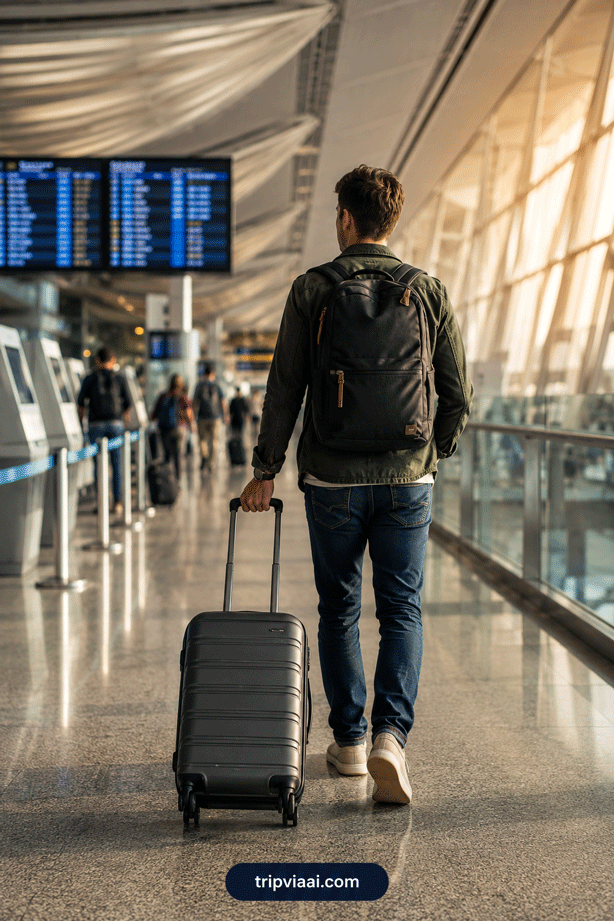
Checked baggage fees quietly increase travel expenses, especially during international trips. Traveling with only a carry-on bag helps you avoid those extra costs while making airport movement much easier.
Many frequent travelers also use a premium hard-shell carry-on suitcase because durable luggage reduces long-term replacement costs and protects belongings much better during flights.
Carry-On Travel Strategy That Saves Money
4. Book Hotels Based on Total Value
Cheap hotels are not always cheaper overall. A low-priced hotel far from the city center can quietly increase transportation costs and waste valuable travel time every day. Understanding total travel cost instead of only hotel price is one of the smartest budget travel tips for beginners.
I learned this during one trip when I booked a budget hotel outside the city and later spent more money on taxis than expected. Since then, I always check hotel location, transport access, nearby facilities, and reviews before booking any accommodation.
5. Watch for Hidden Travel Costs
Hidden expenses quietly destroy travel budgets. Many beginners ignore small extra charges until the final bill becomes much higher than expected.
👉 Common hidden costs:
- Baggage fees
- Tourist taxes
- Airport transfers
- Currency exchange fees
Reading booking details carefully helps avoid unnecessary surprises later.
6. Use Offline Tools and Local SIM Cards
Roaming charges can become surprisingly expensive during travel, especially during international trips. Using local SIM cards, offline maps, and downloaded travel information is one of the most useful budget travel tips for beginners because it helps you stay connected without paying unnecessary fees.
During one trip, offline maps saved me after I lost internet access while trying to reach my hotel late at night. Since then, I always download important maps, hotel details, and travel information before leaving. Simple preparation like this reduces both stress and unexpected travel costs.
7. Avoid Impulse Shopping
Shopping is one of the biggest hidden travel expenses because small purchases add up very quickly. Many beginners buy random souvenirs and unnecessary items simply because they are traveling.
A smarter approach is setting a shopping budget before the trip and focusing only on meaningful purchases you will actually use or remember later.
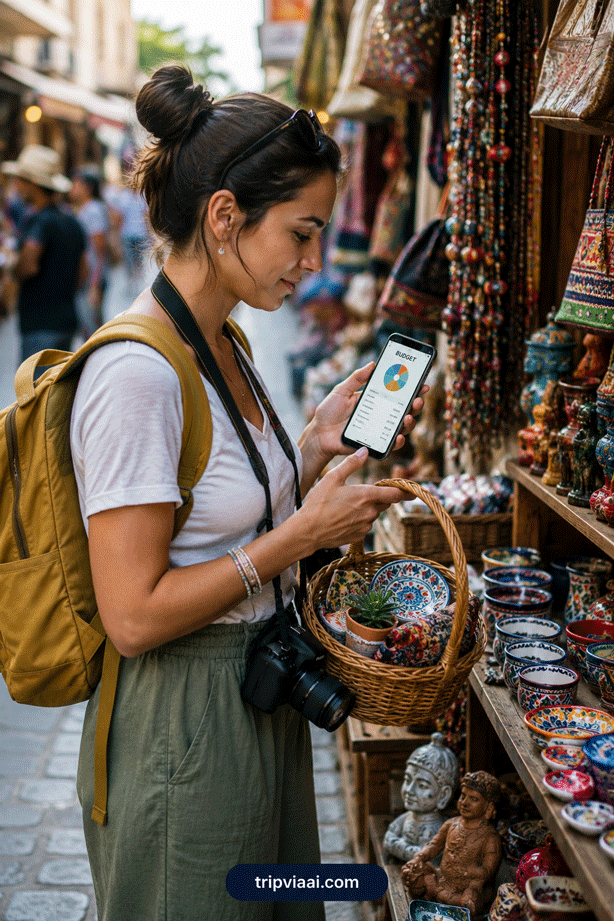
Smart Travel Shopping Without Overspending
8. Use Free Local Experiences
Not every great travel experience needs money. Some of the most memorable moments often come from free activities like local markets, public parks, beaches, walking tours, or cultural areas. Exploring these places is one of the simplest budget travel tips for beginners because it helps you enjoy destinations without constantly spending money.
Travelers who prefer slower and more authentic experiences often discover that free local activities feel more meaningful than many expensive tourist attractions. During one trip, I spent an evening simply exploring a local riverside market and enjoyed the atmosphere far more than some paid sightseeing activities earlier in the trip.
9. Think Long-Term Instead of One Trip
The smartest travelers do not focus on saving money for only one vacation. They build habits that make future trips easier, cheaper, and less stressful overall.
When you learn smart planning, better spending habits, and efficient travel decisions, every future trip becomes smoother and more enjoyable without constantly worrying about money.
Conclusion
Following these budget travel tips for beginners proves that affordable travel is possible with the right planning and smart spending habits. Small decisions like booking early, traveling during the off-season, using public transportation, and tracking your daily expenses can make every trip more comfortable while helping you save money.
Remember that successful budget travel is not about choosing the cheapest option every time. It is about making thoughtful decisions that provide the best overall value and create meaningful travel experiences.
Use these budget travel tips for beginners on your next trip and discover how smart planning can help you travel more often, spend wisely, and enjoy every journey with greater confidence.
When you develop smart travel habits, every future trip becomes smoother, more organized, and far more enjoyable overall. For more beginner-friendly travel guides and smart travel ideas, visit tripviaai.com