
 Posted by
 Introduction
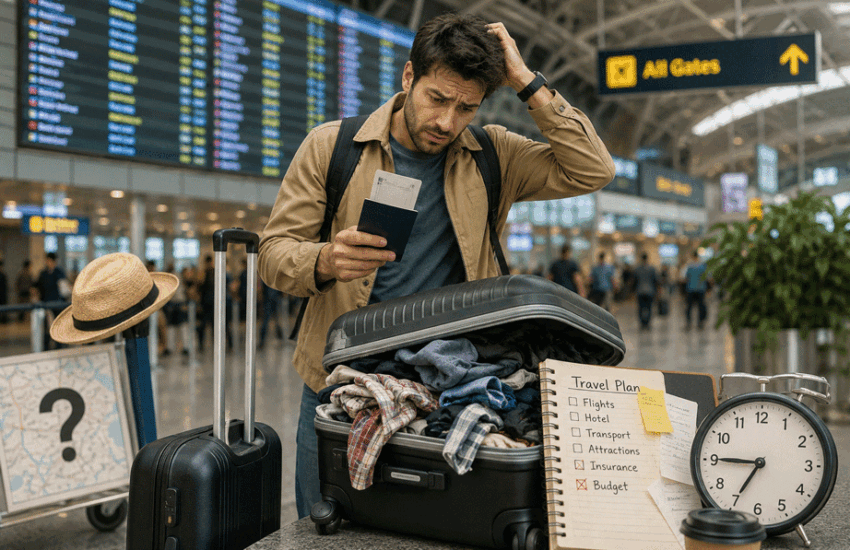
Travel in 2026 looks easier than ever, but many travelers are still wasting huge amounts of money, time, and energy because of simple mistakes they don’t even notice during the trip.
People often focus only on booking cheap flights or finding trendy destinations while ignoring the small travel habits that quietly increase total expenses later. Poor hotel locations, overpacking, last-minute decisions, and blindly following social media trends are now some of the biggest travel mistakes to avoid in 2026.
I’ve seen travelers spend far more than necessary on trips that could have been smoother, cheaper, and far less stressful with slightly smarter planning.
At the same time, experienced travelers usually save money not because they travel less — but because they make better decisions before and during the journey.
If you want smarter travel strategies before your next trip, you should also explore 11 Pro Travel Tips That Actually Work.
Why These Travel Mistakes Matter in 2026
Small travel mistakes often lead to higher costs, unnecessary stress, and poor travel experiences without travelers realizing it initially. From booking flights incorrectly to overspending in tourist areas, these habits slowly increase total trip expenses.
Avoiding these travel mistakes to avoid in 2026 helps travelers save money, travel smarter, and enjoy far more comfortable journeys overall.
Common Travel Mistakes That Increase Cost and Stress
1. Booking Flights Without Proper Research
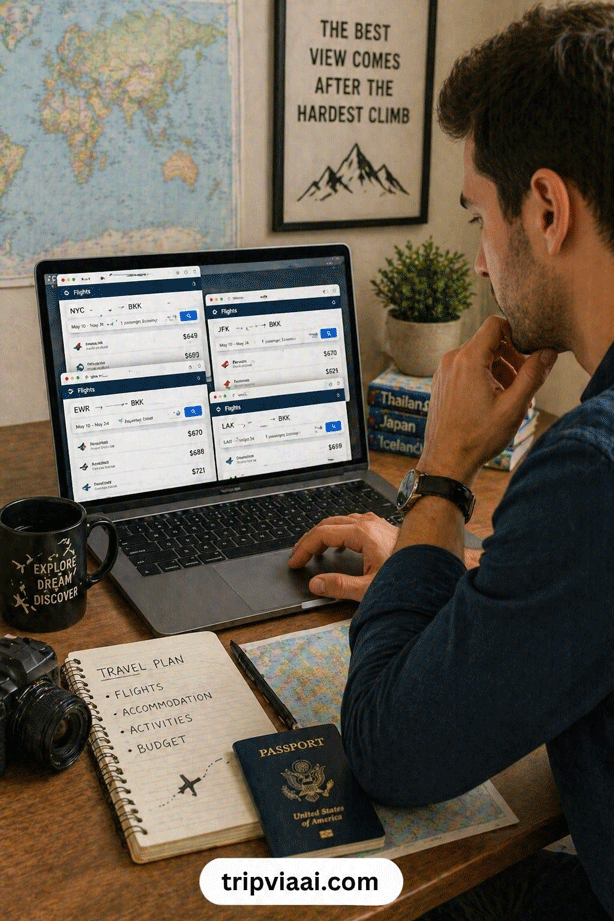
Booking flights quickly without proper research is one of the biggest travel mistakes to avoid in 2026. Many travelers simply search once, pick the cheapest-looking ticket, and confirm the booking without understanding what actually affects the total travel experience.
Flight prices constantly change based on demand, season, timing, and booking trends. Travelers who ignore these factors often end up paying more for less convenient flights.
Another common problem is focusing only on the base fare instead of the final cost. Cheap-looking tickets often become expensive after adding baggage fees, seat selection charges, and change penalties.
Poor research also affects comfort and convenience. Long layovers, inconvenient airports, and bad flight timings may save a small amount initially but often create more stress later.
Smart travelers usually compare airlines carefully, check total costs properly, and focus on overall value instead of only chasing the cheapest ticket price.
Researching-Flights-Online
2. Overpacking Instead of Packing Strategically
Overpacking remains one of the most common travel mistakes to avoid in 2026 because many travelers pack based on uncertainty instead of actual necessity. People often carry extra clothes, multiple shoes, and random “just in case” items that rarely get used during the trip.
The problem is that airlines now charge heavily for additional baggage, and heavier luggage also makes travel slower, more stressful, and less comfortable overall.
Managing too many bags during airport transfers, hotel check-ins, and daily movement creates unnecessary physical and mental exhaustion throughout the journey.
Smart travelers usually focus on:
- lightweight packing
- multi-purpose clothing
- essential travel items
- efficient luggage organization
Helpful premium travel products:
Efficient packing improves flexibility, comfort, and much better control over overall travel costs.
3. Ignoring the Total Cost of Travel
Many travelers make the mistake of focusing only on flights or hotel prices while completely ignoring the total trip budget. This becomes one of the biggest travel mistakes to avoid in 2026 because travel expenses are never limited to a single category.
Food, local transportation, attraction tickets, shopping, and daily spending often increase total costs much faster than expected. A cheap flight does not automatically mean a cheap trip if the destination itself is expensive.
Another common problem is spending too much on one area and then struggling to manage the remaining budget during the journey. This usually creates unnecessary stress and reduces overall travel comfort.
Smart travelers calculate the complete trip cost before booking anything. Looking at the full financial picture helps maintain better balance, smarter spending, and a much smoother travel experience overall.
4. Choosing the Wrong Location for Stay
Many travelers focus only on hotel price while ignoring location, which later becomes one of the most expensive travel mistakes to avoid in 2026. A cheaper hotel far from the city center may initially look like a smart decision, but daily transportation costs and wasted travel time often increase the real expense significantly.
Location affects almost every part of the trip, including access to restaurants, attractions, public transportation, and overall convenience. Long commutes also reduce the time available for actual experiences and create unnecessary travel stress throughout the journey.
A slightly more expensive hotel in a well-connected area often saves both money and energy in the long run. Smart travelers usually prioritize accessibility, safety, and transport connectivity before booking accommodation because better location choices improve both comfort and overall travel efficiency.

Modern City Center Apartment with Skyline View
5. Not Planning Activities in Advance
Traveling without activity planning is another major travel mistakes to avoid in 2026 because last-minute decisions usually reduce options and increase costs. Many travelers arrive at destinations without researching attractions, ticket availability, or local experiences beforehand.
Popular activities often have limited capacity, and without advance planning, travelers may miss important experiences completely or pay much higher prices later. Poor planning also creates inefficient schedules where too much time is spent deciding what to do instead of actually enjoying the destination.
At the same time, over-planning creates unnecessary pressure and removes flexibility from the trip. Smart travelers usually maintain balance by planning key activities early while still leaving room for spontaneous experiences during the journey.
Balanced planning improves both travel efficiency and overall experience quality, making it one of the smartest travel mistakes to avoid in 2026 for modern travelers.
6. Ignoring Travel Insurance
Ignoring travel insurance is one of the riskiest travel mistakes to avoid in 2026 because many travelers still treat it as an unnecessary expense instead of financial protection. Travel always includes uncertainty, and unexpected problems can happen even during well-planned trips.
Flight delays, cancellations, medical emergencies, and lost belongings often create sudden expenses that quickly become stressful without proper coverage. Even a small issue abroad can lead to major financial loss when travelers are completely unprotected.
Many travelers only realize the importance of insurance after facing unexpected problems during the journey. Smart travelers usually evaluate trip duration, destination risks, and booking value before deciding on coverage.
Travel insurance is not only about money. It also reduces stress and creates far more confidence during international or long-distance trips. Understanding risk management is one of the smartest travel mistakes to avoid in 2026 for safer and smoother travel experiences.
7. Not Tracking Daily Expenses
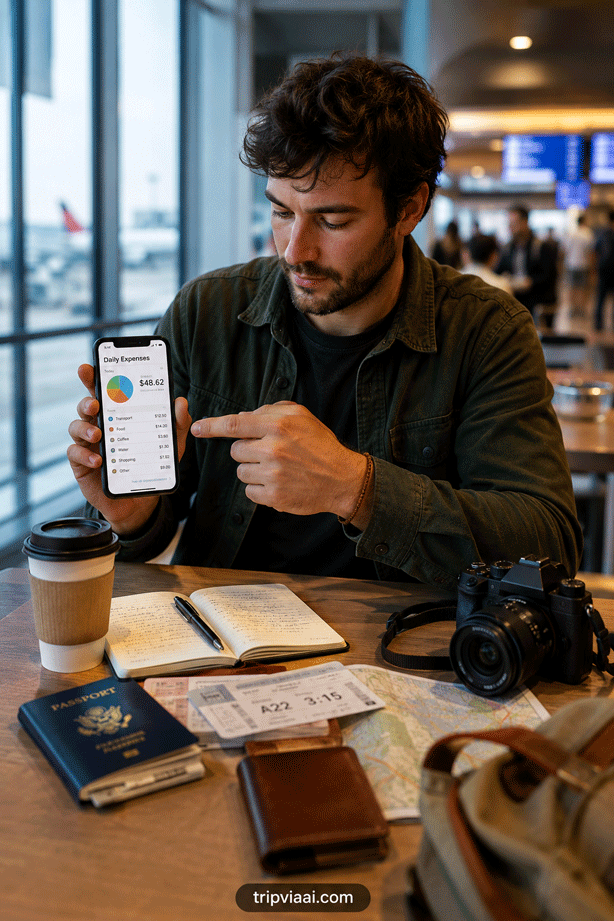
Ignoring daily expenses is another important travel mistakes to avoid in 2026 because small purchases quietly increase total trip costs much faster than travelers expect. Coffee, snacks, local transport, bottled water, and impulse shopping may seem minor individually, but together they often create major budget problems during longer trips.
The biggest issue is lack of awareness. When travelers do not track spending, they lose visibility into where the money is actually going. This makes it difficult to control expenses or adjust spending habits during the trip itself.
I once noticed during a trip that most of my unnecessary spending came from small repeated purchases rather than expensive attractions or hotels. That realization completely changed how I manage travel budgets now.
Expense tracking is not about restricting enjoyment. It is about maintaining control, balance, and smarter decision-making throughout the journey.
Traveller Tracking Daily Travel Expenses
8. Booking Everything at the Last Minute
Relying heavily on last-minute bookings is one of the biggest travel mistakes to avoid in 2026 because travel prices usually increase as departure dates get closer. Flights, hotels, and popular activities become more expensive when availability starts decreasing and demand rises.
Many travelers assume last-minute booking creates flexibility, but in reality it often reduces control. Limited choices force travelers to make quick decisions instead of smart decisions, leading to compromises in comfort, location, timing, or overall experience quality.
Another problem is stress. Instead of enjoying the excitement of travel, travelers spend unnecessary time worrying about hotel availability, flight prices, or finding suitable options under pressure.
Smart travelers usually research early, compare prices in advance, and keep some flexibility while still planning important bookings beforehand. Better timing decisions often improve both travel comfort and overall budget control.
9. Not Comparing Prices Across Platforms
Relying on a single booking platform is another important travel mistakes to avoid in 2026 because prices often vary across websites due to commissions, partnerships, and pricing algorithms. Many travelers book quickly after seeing a “good deal” without checking whether better options exist elsewhere.
The difference may look small initially, but across flights, hotels, and activities, the total extra spending becomes surprisingly large over time.
Another issue is limited visibility. Some platforms highlight only selected options, which reduces comparison opportunities and prevents travelers from finding better overall value.
Smart travelers usually compare multiple booking websites, check direct hotel or airline websites, and focus on the total final cost instead of only the displayed price.
If you want smarter booking strategies before your next trip, you should also explore 16 Easy Travel Tips for First-Time Travelers for better planning and budget control.
10. Ignoring Hidden Fees and Additional Charges
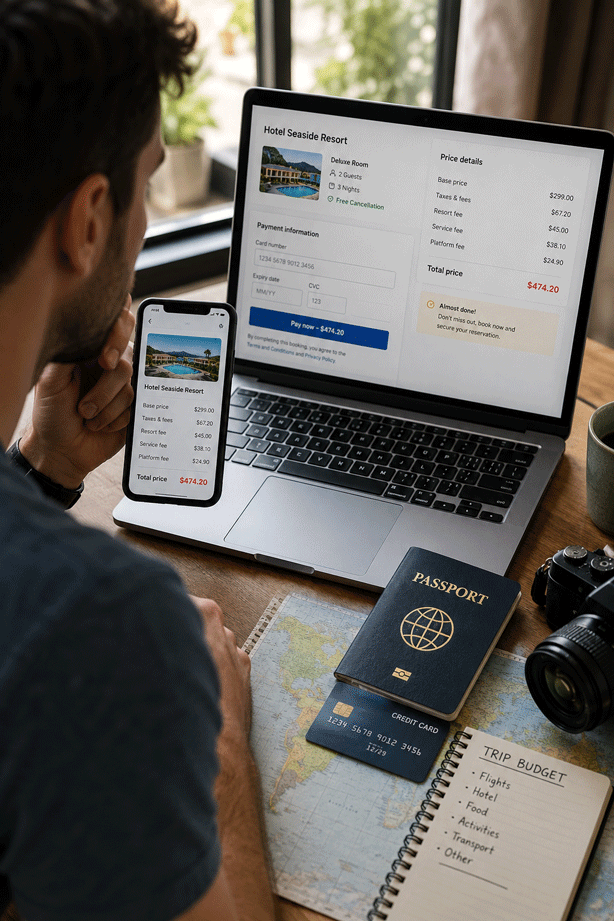
Ignoring hidden charges is one of the most expensive travel mistakes to avoid in 2026 because many costs only appear during final payment or after the booking is completed. Travelers often compare only the advertised price without checking taxes, service fees, resort charges, or platform commissions properly.
This creates a major gap between expected and actual spending during the trip. A hotel that initially looks affordable may suddenly become much more expensive after additional fees are added at checkout.
Another problem is inaccurate comparison. When travelers focus only on base pricing, they often choose options that appear cheaper but actually cost more overall.
Smart travelers usually review the complete pricing breakdown carefully before confirming any booking. Understanding the real final cost helps maintain better budget control and avoid unnecessary financial surprises during travel.
Helpful premium travel products:
These travel essentials help travelers stay organized and manage bookings, cards, and travel documents more efficiently during trips.
Hidden Travel Charges Booking Mistake
11. Depending Too Much on Airport and Tourist-Area Services
Convenience is useful during travel, but relying on airport and tourist-area services for everything can quickly become one of the most expensive travel mistakes to avoid in 2026. Many travellers automatically choose airport taxis, tourist restaurants, convenience stores, and premium transfer services without comparing alternatives.
The problem is that these services are often priced significantly higher because they target visitors who prioritize convenience over value. While paying extra occasionally may be worthwhile, making it a habit throughout the trip can quietly increase overall travel costs by a surprising amount.
I noticed this during a city trip where airport transportation, tourist-area meals, and convenience purchases ended up costing far more than expected. Looking back, many of those expenses could have been reduced with only a little extra planning.
Smart travellers usually research transportation options before arrival, explore local dining choices, and compare prices whenever possible. Travel is not about choosing the cheapest option every time, but understanding when extra convenience is genuinely worth the additional cost. Small decisions like these often create better financial control and a much smoother travel experience overall.
If you want smarter decision-making strategies during trips, you should also explore 10 Things Smart Travelers Always Do before your next journey.
12. Following Travel Trends Without Evaluation
Following travel trends blindly has become one of the biggest travel mistakes to avoid in 2026 because viral destinations and social media recommendations often create overpriced and overcrowded travel experiences.
Popular places usually attract huge tourist demand, which increases hotel prices, restaurant costs, transportation expenses, and attraction fees. Many travelers end up spending far more money while enjoying less comfort due to heavy crowds and limited availability.
Another problem is personal mismatch. A destination that looks attractive online may not actually match your travel style, interests, or expectations in real life.
Smart travelers usually research beyond social media trends and focus more on personal value, comfort, and meaningful experiences instead of blindly following what is currently popular online.
Value-driven travel almost always creates better memories than trend-driven travel.
13. Ignoring Cancellation and Refund Policies
Ignoring cancellation policies is another important travel mistakes to avoid in 2026 because many travelers only notice these rules after plans suddenly change. Flights get delayed, schedules shift, emergencies happen, and unexpected situations can easily disrupt even well-planned trips.
The problem is that cheaper booking options usually come with stricter refund conditions and lower flexibility. What initially looks like a money-saving decision can later turn into a complete financial loss when cancellations become necessary.
Many travelers skip policy details during booking simply because they focus only on price. This reduces control and increases travel risk unnecessarily.
Smart travelers usually review refund terms carefully, understand cancellation conditions properly, and choose flexible booking options whenever possible. Better flexibility often provides much stronger financial protection during uncertain travel situations.
14. Not Having a Clear and Structured Travel Budget
Traveling without a structured budget is one of the most serious travel mistakes to avoid in 2026 because uncontrolled spending quickly creates financial stress during the trip. Many travelers estimate expenses roughly but never create a clear plan for accommodation, food, transportation, activities, and daily spending.
Without proper budgeting, money often gets spent unevenly. Travelers may overspend early in the trip and later struggle to manage remaining expenses comfortably.
A travel budget is not about restricting enjoyment. It creates clarity, balance, and better decision-making throughout the journey.
Smart travelers usually:
- divide budgets into categories
- track spending regularly
- adjust expenses when needed
- maintain daily spending awareness
Structured budgeting creates better financial control and leads to smoother, more comfortable travel experiences overall.
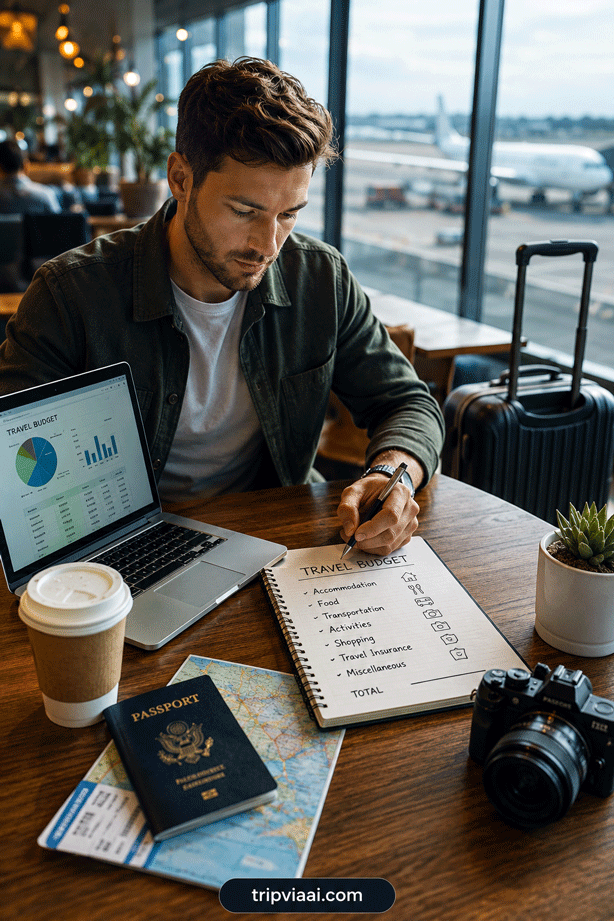
Smart Travel Budget Planning Scene
Conclusion
Travel in 2026 is not just about reaching new destinations anymore. The real difference now comes from the decisions travelers make throughout the journey. Small mistakes like poor planning, overspending, ignoring hidden costs, or following trends blindly can slowly make travel more stressful and expensive than necessary.
At the same time, smart travel habits usually create smoother experiences, better financial control, and far more comfort during the trip. Travelers who plan carefully and spend intentionally often enjoy their journeys much more without feeling restricted.
👉 Smart travel is not about spending less
👉 It is about spending wisely
The good news is that most travel mistakes are completely avoidable. Small improvements in planning, budgeting, and decision-making often create dramatically better travel experiences without requiring a bigger budget.
For more travel guides and beginner-friendly tips, visit tripviaai.com