
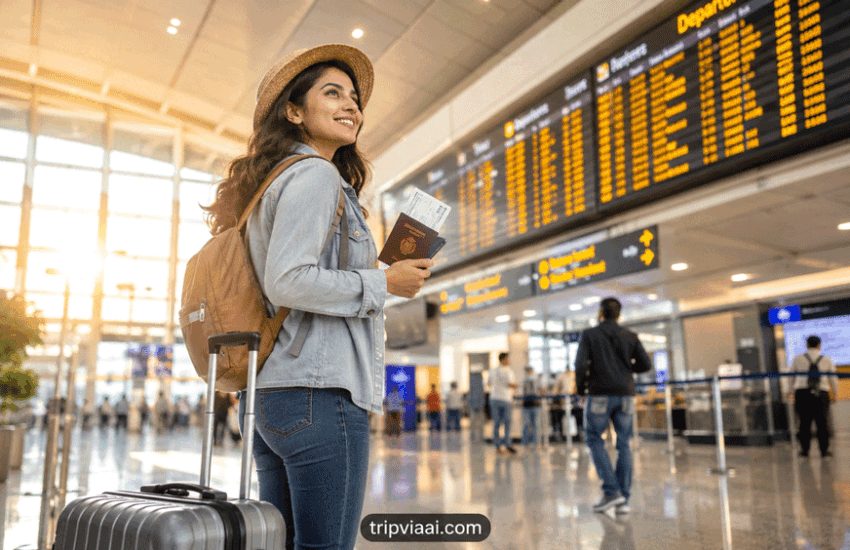
 Posted by
 Introduction
Your first trip feels exciting until the planning actually begins. Packing, airport timing, travel essentials, budgeting, and hotel bookings can quickly feel confusing for beginners.
I remember overthinking almost everything before one of my earlier trips. I packed unnecessary items, worried too much about timing, and spent more energy managing small problems than enjoying the journey itself. Later, after improving a few simple travel habits, travel started feeling far smoother and less stressful.
This travel guide for first time travelers focuses on practical advice that helps beginners stay organized, comfortable, and confident throughout the trip. Travelers planning smarter travel setups can also explore guides like Travel Gadgets That Actually Make Travel Easier before future journeys.
Simple Travel Guide Tips For First-Time Travelers
1. Start Planning Your Trip Earlier Than Necessary
Many first-time travelers underestimate how much smoother travel becomes when important planning is completed early. Last-minute hotel bookings, rushed packing, and poor scheduling often create unnecessary stress before the trip even begins. Helpful advice in a travel guide for first time travelers usually starts with preparation because early planning improves almost every part of the journey.
Experienced travelers usually confirm flights, hotels, transportation, and important bookings well before departure. This creates enough time to compare better options and avoid expensive rushed decisions later.
I once delayed most of my travel preparation until the final few days before departure and quickly realized how exhausting rushed planning becomes. Since then, starting earlier has made travel significantly calmer and more organized.
Travelers planning smarter beginner-friendly trips can also explore guides like 12 Essential Travel Accessories That Save Space and Money before future journeys.
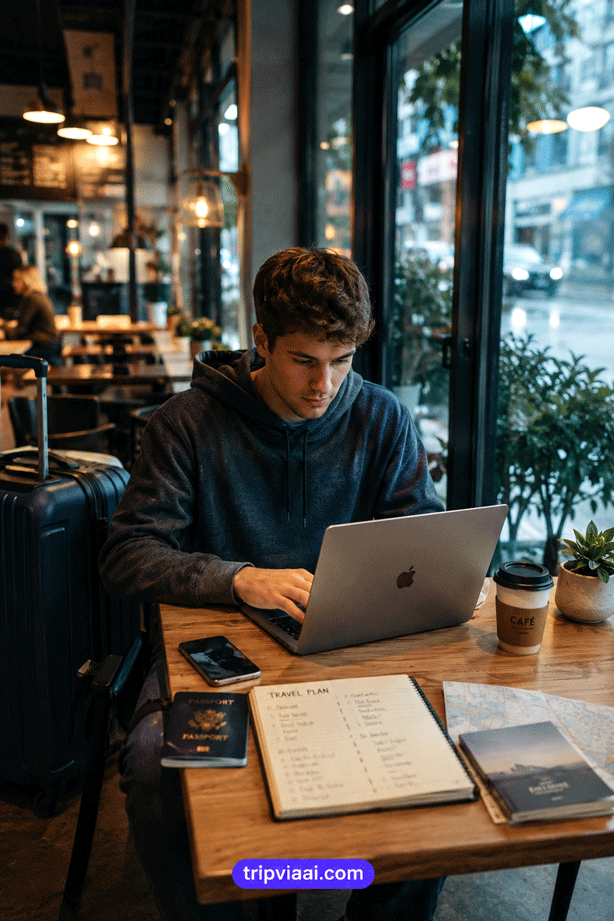
Smart Beginner Travel Planning
2. Build A Comfortable Airport Travel Setup
Airports become much more exhausting when travelers carry uncomfortable luggage or poorly organized travel gear. Long walking distances, security checks, crowded terminals, and delayed flights quickly drain energy during travel days. Practical advice in a travel guide for first time travelers often focuses on comfort because better travel setups improve the overall experience significantly.
Experienced travelers usually invest in organized carry-on systems that make airport movement smoother and less stressful.
I noticed a major difference after replacing an old backpack with a more organized premium setup during one trip. Airports immediately felt easier to manage, and long travel days became far less tiring.
3. Carry Travel Technology That Solves Real Problems
Many beginners carry random gadgets during trips without realizing which devices genuinely improve travel convenience. Helpful advice in a travel guide for first time travelers usually focuses on practical travel technology that saves time, improves organization, and reduces unnecessary stress during the journey.
Experienced travelers usually prefer devices that improve charging, internet access, navigation, productivity, or entertainment during flights and airport delays.
I once spent several stressful hours during a delayed journey with a nearly dead phone battery and no backup charging solution available. Since then, useful travel technology has become an important part of every trip I take.
Travelers interested in smarter travel technology can also explore guides like 20 Luxury Travel Accessories For Smart Travelers before future trips.
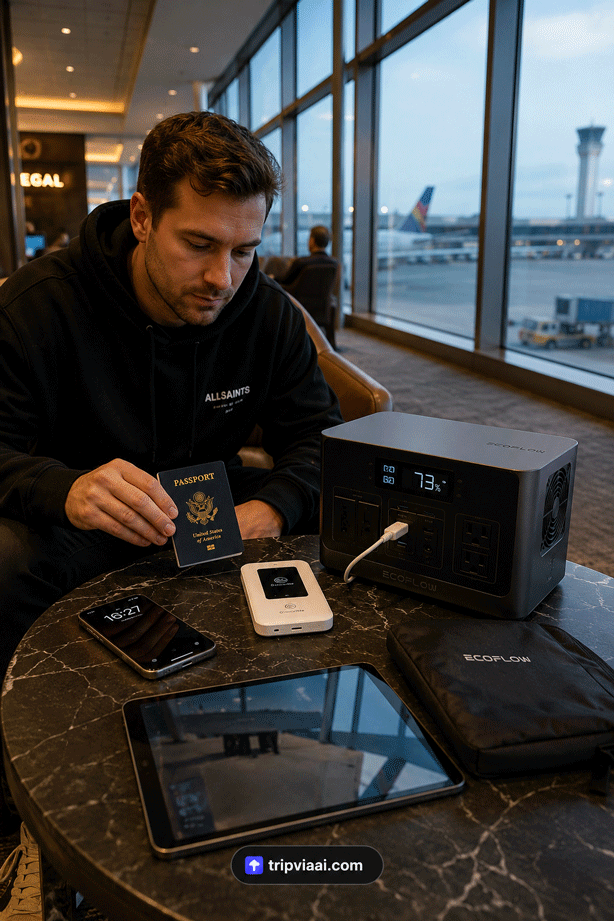
Premium Travel Technology Setup
4. Document Your First Trip Properly
First trips often become lifelong memories, which is why experienced travelers usually focus on capturing moments properly instead of relying only on phone cameras. Helpful advice in a travel guide for first time travelers often includes smarter photography setups because quality travel memories become more valuable over time.
Professional travel creators and experienced travelers usually carry compact but powerful travel cameras that improve both photo and video quality without making travel complicated.
I still regret how many moments from one of my earlier trips were captured poorly because I depended completely on an average phone camera. Later, using better travel photography gear completely changed how I documented travel experiences.
Travelers interested in building better travel photography setups can also explore guides like Best Cameras For Travel Photography before future trips.
5. Reduce Travel Fatigue During Long Journeys
Long flights, airport waiting periods, crowded transportation, and constant movement can quickly become exhausting for beginner travelers. Smart advice in a travel guide for first time travelers often focuses on energy management because comfortable travelers usually enjoy trips significantly more.
Experienced travelers usually prioritize noise reduction, comfort, rest, and smoother entertainment during long travel days. Even small improvements can make flights and airport delays feel far less stressful.
I once completed an overnight journey without proper rest or comfort gear and spent the entire next day feeling exhausted instead of excited about the trip itself. Since then, reducing travel fatigue has become one of my biggest travel priorities.
Recommended Products
6. Keep Your Daily Travel Setup Simple And Lightweight
Many beginners carry too many unnecessary items during sightseeing days. Heavy backpacks, extra gadgets, large water bottles, and random accessories slowly make travel more exhausting than enjoyable. Helpful advice in a travel guide for first time travelers often focuses on mobility because lighter setups improve comfort throughout the trip.
Experienced travelers usually carry only essential items while exploring destinations. This makes airports, public transportation, cafés, and long walking days significantly easier to manage.
I once carried an overloaded backpack during a full-day city tour and realized how quickly unnecessary weight drains energy during travel. Later, switching to a lighter and more organized setup made travel feel far smoother.
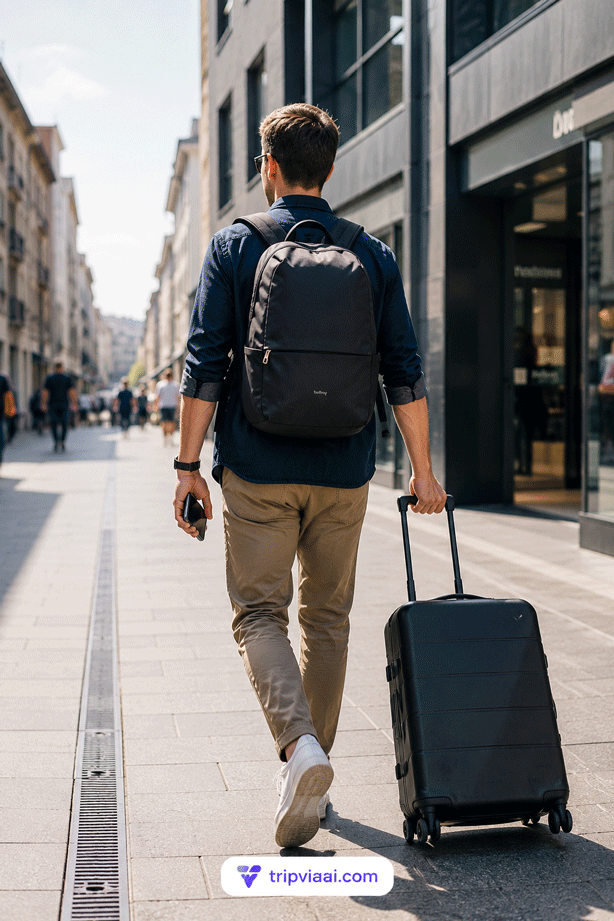
Lightweight Smart Travel Setup
7. Create A Better Entertainment Setup For Flights And Airport Delays
Long flights and airport waiting periods feel much more exhausting when travelers have nothing comfortable to do. Smart advice in a travel guide for first time travelers often includes entertainment planning because smoother downtime improves the overall travel experience significantly.
Experienced travelers usually prepare movies, books, music, offline content, or editing work before travel begins. This makes delays and long journeys feel far less stressful.
I once spent several hours during a delayed international flight with poor internet access and almost no entertainment prepared. Since then, preparing better travel entertainment systems has made long journeys significantly more comfortable.
Travelers building smarter premium travel setups can also explore guides like 20 Luxury Travel Accessories For Smart Travelers before future trips.
8. Organize Your Travel Gear Before Leaving Home
Travel feels far more stressful when essentials are scattered randomly across different bags and pockets. Chargers, passports, adapters, cameras, cables, and small travel accessories become difficult to manage during airports and hotel transfers without proper organization.
Helpful advice in a travel guide for first time travelers usually focuses on organization because smoother systems save both time and energy throughout the journey.
Experienced travelers usually organize electronics, documents, and travel essentials into fixed sections before leaving home. This prevents unnecessary panic during busy travel moments.
A few smart organization habits include:
- Keeping gadgets in one organizer
- Separating documents from clothing
- Packing chargers together
- Keeping emergency essentials easy to access
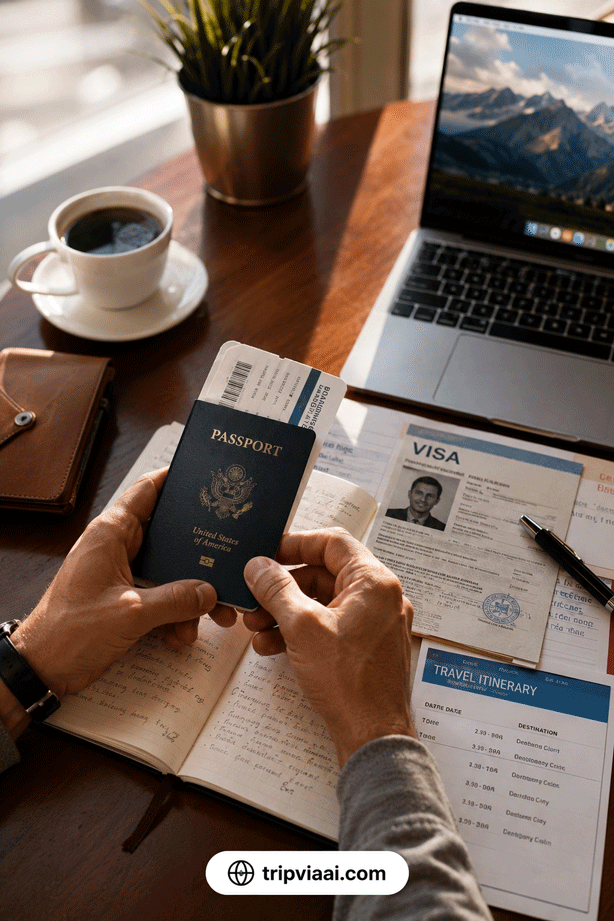
International Travel Document Preparation
9. Learn Basic Travel Photography Before Your Trip
Most beginners realize too late that travel memories become much more valuable when they are captured properly. Smart advice in a travel guide for first time travelers often includes basic photography preparation because quality travel photos and videos preserve experiences for years.
Experienced travelers usually learn simple photography habits before trips instead of relying completely on random phone snapshots.
Even basic improvements like better framing, stable shots, natural lighting, and compact camera setups create significantly better results during travel.
Recommended Products
Travelers interested in improving travel photography setups can also explore guides like Best Cameras For Travel Photography before future trips.
10. Stay Flexible When Travel Plans Change Unexpectedly
Travel rarely works exactly according to schedule. Flights get delayed, weather changes suddenly, transportation problems happen, and some activities simply do not go as planned. Helpful advice in a travel guide for first time travelers often focuses on flexibility because adaptable travelers usually experience far less stress during trips.
Experienced travelers understand that small disruptions are normal parts of travel. Instead of becoming frustrated when plans change, they adjust calmly and focus on improving the overall experience.
I once became extremely stressed because an entire sightseeing plan failed after unexpected rain disrupted local transportation schedules. Later, I realized flexible travelers usually enjoy trips far more than travelers trying to control every detail perfectly.
11. Build Small Travel Habits That Reduce Stress Automatically
Travel becomes much easier when small smart habits turn into routines. Many beginners feel overwhelmed because every part of the journey feels unfamiliar at once. Helpful advice in a travel guide for first time travelers often focuses on habits because simple routines quietly prevent many common travel problems.
Experienced travelers usually follow small systems automatically. They charge devices before sleeping, organize essentials every night, keep travel documents in fixed locations, and prepare important items before leaving hotels or airports.
These habits may seem small, but they create smoother travel experiences over time.
A few useful travel habits include:
- Checking passports and wallets before leaving
- Charging gadgets before sleeping
- Keeping backup cash separately
- Organizing luggage every evening
- Reviewing next-day plans before resting
I once almost missed an early morning train because I packed everything carelessly the previous night and could not find important documents quickly enough. Since then, small travel routines have made trips far calmer and more organized.
Comparison Table
| Common Beginner Mistakes | Smarter Travel Habits |
|---|---|
| Packing too many unnecessary items | Packing lighter with organized essentials |
| Arriving late at the airport | Reaching early to avoid stress |
| Keeping documents scattered in different bags | Organizing all travel documents properly |
| Carrying heavy bags during sightseeing | Using lightweight daily travel setups |
| Overspending without planning | Creating a simple travel budget beforehand |
| Ignoring travel comfort during long journeys | Prioritizing comfort and energy management |
| Depending completely on airport WiFi | Preparing internet access before travel |
| Panicking when plans change unexpectedly | Staying flexible and adapting calmly |
| Carrying random gadgets that add clutter | Using practical travel gadgets that help |
| Trying to create a perfect trip | Focusing on enjoying the actual experience |
| Forgetting small travel routines | Building simple habits that red |
Conclusion
Your first trip does not need to feel confusing or stressful when the right preparation happens before the journey begins. The best advice in a travel guide for first time travelers is often simple habits that improve organization, comfort, confidence, and overall travel flow.
From smarter packing and budgeting to understanding airports and building better travel routines, small improvements usually create the biggest difference during trips. Experienced travelers are not always more skilled. They simply follow systems that make travel smoother and easier to manage.
The goal is not to make every trip perfect.
👉 The goal is to travel with less stress, more confidence, and better experiences.
Travelers looking for more beginner-friendly travel ideas and smart travel setups can explore more helpful guides on tripviaai.com.