
 Posted by
 Introduction
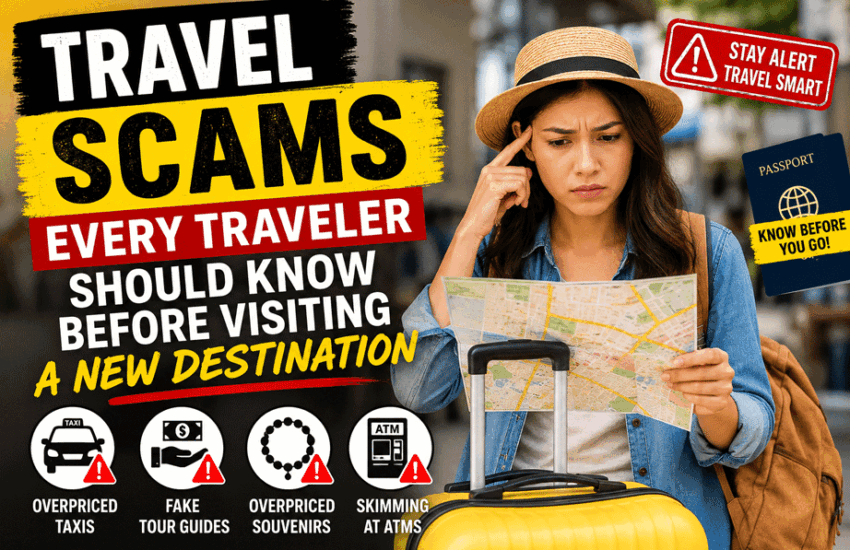
Travel scams guide information can save travelers from losing money, wasting valuable vacation time, and experiencing unnecessary stress during a trip. Most travelers spend weeks researching attractions, hotels, flights, and itineraries, but very few spend time learning about the scams they may encounter after arriving at their destination.
The reality is that most travel scams are not complicated. They succeed because travelers are unfamiliar with local situations, distracted by excitement, or simply caught off guard. A scammer only needs a few minutes of confusion to take advantage of an unsuspecting tourist.
I once met a traveler who lost a significant amount of money on his first international trip because he trusted an unofficial taxi driver outside the airport. Everything seemed normal at first. By the end of the ride, however, the fare was several times higher than expected and there was little he could do about it.
The good news is that most scams are surprisingly easy to avoid once you know how they work.
A practical travel scams guide helps travelers recognize warning signs before problems occur. Similar preparation strategies are discussed in The Ultimate Airport and Immigration Guide for First-Time International Travelers, where understanding travel systems often prevents unnecessary stress and confusion.
In this guide, you will learn about the most common travel scams and the simple habits smart travelers use to avoid them.
Why Every Traveler Should Understand Travel Scams
A reliable travel scams guide helps travelers recognize common tourist scams, protect personal information, avoid financial losses, and travel more confidently. Understanding how scams work is often the easiest way to avoid becoming a target.
Quick Overview Table
| Travel Scam | Common Goal |
|---|---|
| Fake Taxi Scam | Overcharge tourists |
| Currency Exchange Scam | Reduce traveler money |
| Fake Tour Guide Scam | Charge for poor services |
| Free Gift Scam | Demand payment later |
| Restaurant Scam | Inflate bills |
| Accommodation Scam | Steal deposits |
| WiFi Scam | Access personal data |
| ATM Scam | Steal card information |
Why Travel Scams Often Target Tourists
Tourists are attractive targets because they are unfamiliar with local customs, transportation systems, prices, and languages.
Scammers understand that travelers often feel rushed after arriving in a new destination. Airports, train stations, popular attractions, and crowded tourist areas provide opportunities for dishonest people to take advantage of confusion and inexperience.
One reason a travel scams guide is so important is because scammers rarely appear suspicious. Many look friendly, professional, and helpful. Their goal is to gain trust before creating a situation where money can be taken from the traveler.
Experienced travelers understand that awareness is often the strongest defense. Simply knowing that scams exist makes it easier to recognize unusual situations and avoid costly mistakes.
Fake Taxi Scams at Airports and Transportation Hubs
One of the most common scams travelers encounter happens immediately after arrival.
A traveler exits an airport and is approached by someone offering transportation. The driver may claim official taxis are unavailable, suggest a faster route, or promise a special price.
Unfortunately, many travelers discover later that the fare is significantly higher than expected.
I once watched a traveler agree to a ride without confirming the price beforehand. What seemed like a simple airport transfer quickly became one of the most expensive taxi rides of the entire trip.
A practical travel scams guide recommends using official taxi services, licensed transportation providers, or trusted ride-sharing applications whenever possible. Confirming fares before entering the vehicle can also prevent misunderstandings later.
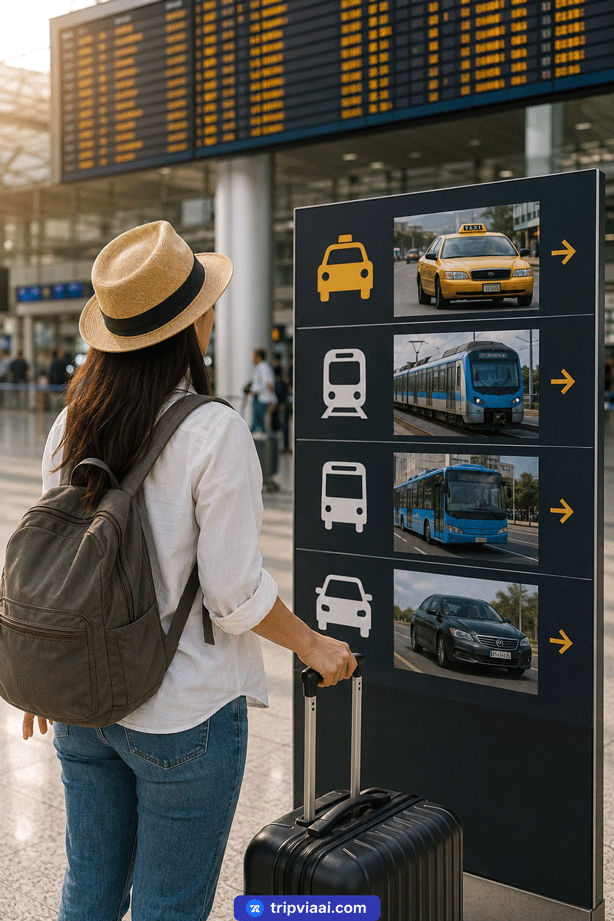
Travel Smart From the Airport
Currency Exchange Scams Can Quietly Reduce Your Travel Budget
Many travelers spend time comparing hotel prices and flight costs but pay very little attention to currency exchange services after arriving at their destination.
Scammers often take advantage of this situation by advertising attractive exchange rates while hiding additional fees or unfavorable conversion practices. In some cases, travelers receive less money than expected without immediately realizing what happened.
This is one reason a good travel scams guide encourages travelers to research exchange options before departure. Understanding the average exchange rate and using reputable financial institutions helps reduce the risk of losing money unnecessarily.
I once met a traveler who exchanged money at a location near a major tourist attraction because the sign displayed an excellent rate. Later, he discovered that large service charges had significantly reduced the value of the transaction.
A few minutes of research before exchanging money can often prevent an expensive mistake.
Fake Tour Guides Often Target First-Time Visitors
Many destinations have knowledgeable and trustworthy tour guides who provide excellent experiences. Unfortunately, some individuals pretend to be guides without proper authorization or local expertise.
A traveler may be approached near a popular attraction and offered a private tour at a special price. The offer may sound appealing, especially to someone unfamiliar with the area. In reality, the service may be poor, overpriced, or completely different from what was promised.
One reason a travel scams guide is valuable is because it teaches travelers to verify services before making payments. Reading reviews, booking through trusted platforms, and checking official credentials can reduce the risk of disappointment.
Legitimate guides are usually transparent about pricing, schedules, and services. Scammers often rely on urgency and pressure to secure payment quickly.
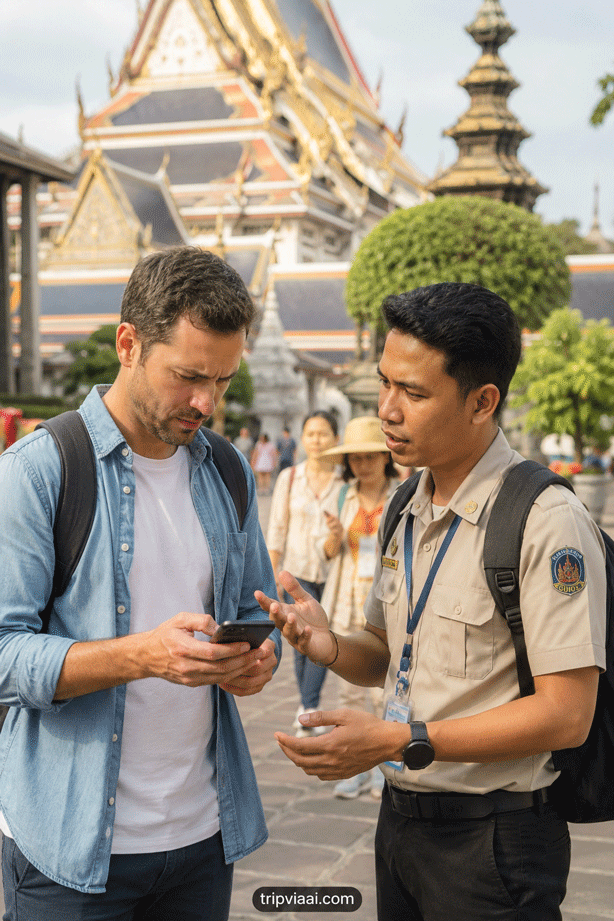
Why Choosing Licensed Local Guides Makes Travel Safer
Free Gifts and Bracelet Scams Are Rarely Free
One of the oldest tourist scams begins with what appears to be a friendly gesture.
A stranger may offer a bracelet, flower, souvenir, or small gift while claiming it is free. Once the item is accepted, the situation changes. The traveler is then pressured to provide money, make a donation, or purchase additional items.
Because many travelers feel uncomfortable refusing after accepting the item, scammers rely on social pressure to generate income.
A reliable travel scams guide reminds travelers that truly free gifts from strangers are uncommon in major tourist areas. Politely declining unsolicited items is often the simplest way to avoid this situation.
Experienced travelers understand that maintaining boundaries is not rude. It is simply part of traveling responsibly and protecting personal finances.
Restaurant Bill Manipulation Can Be Difficult to Spot
Most restaurants operate honestly, but tourist-heavy areas occasionally attract businesses that take advantage of visitors.
Some travelers discover unexpected items added to their bills. Others are charged different prices than those displayed on menus. In some cases, service charges appear without clear explanation.
This is another reason a travel scams guide is useful before visiting a new destination. Understanding local pricing practices helps travelers identify unusual charges before payment is made.
One simple habit is reviewing the bill carefully before paying. Taking a few moments to verify prices can prevent unnecessary expenses and misunderstandings.
Travelers who ask questions politely and confidently often resolve billing issues quickly and avoid becoming easy targets for dishonest practices.
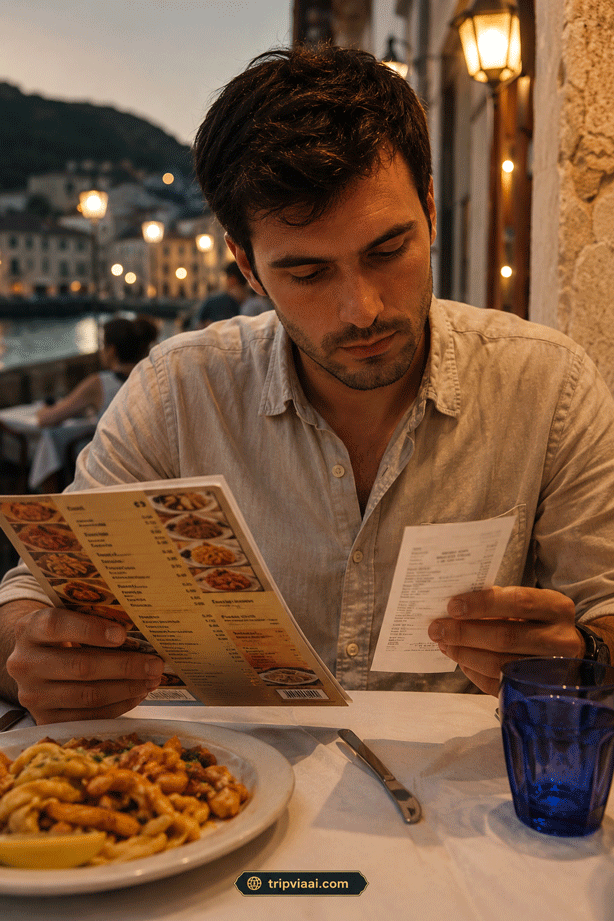
Restaurant Bill Travel Tips Avoid Overpaying While Dining Abroad
Fake Hotel and Accommodation Listings Can Ruin a Trip Before It Begins
Online booking platforms have made travel easier than ever, but they have also created opportunities for scammers.
Some fraudulent listings use stolen photos, fake reviews, or misleading descriptions to convince travelers to make reservations. The accommodation may not exist at all, or it may be completely different from what was advertised.
This is one reason a reliable travel scams guide encourages travelers to verify accommodations carefully before making payments. Reading multiple reviews, checking property locations on maps, and booking through trusted platforms can significantly reduce risk.
I once spoke with a traveler who arrived at an address listed in a booking confirmation only to discover there was no hotel at that location. The listing had disappeared shortly after payment was made.
A few extra minutes spent verifying accommodations can prevent major travel disruptions and financial losses.
Public WiFi Scams Can Put Personal Information at Risk
Free WiFi is one of the first things many travelers look for after arriving at an airport, hotel, or café.
Unfortunately, scammers know this. Fake WiFi networks are sometimes created to imitate legitimate connections. Once a traveler connects, personal information such as passwords, login credentials, and payment details may become vulnerable.
Unlike some travel scams that target money directly, digital scams often focus on personal data. This makes them particularly dangerous because travelers may not realize a problem exists until much later.
A practical travel scams guide recommends using trusted networks, avoiding sensitive transactions on public WiFi, and verifying network names with official staff whenever possible.
Travelers who treat digital security seriously often avoid problems that are far more complicated than losing cash or overpaying for a service.
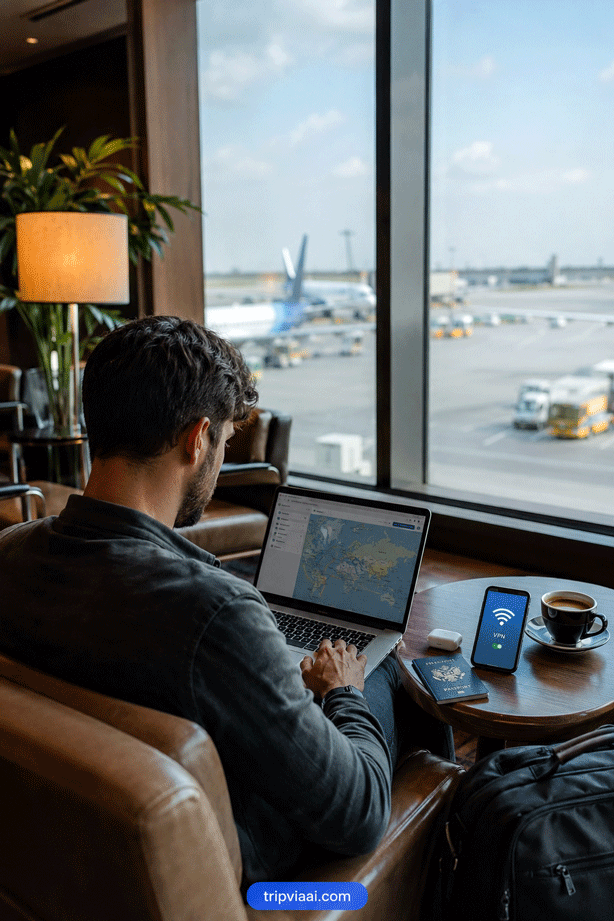
Secure Travel Browsing
Fake Police and Document Inspection Scams
One of the most intimidating scams involves individuals pretending to be law enforcement officers.
A traveler may be approached by someone claiming to be police and asked to present identification, inspect a wallet, or verify money. The situation often feels official enough that travelers comply without questioning the request.
Scammers rely heavily on authority and urgency. They want travelers to react quickly instead of thinking carefully about the situation.
A good travel scams guide reminds travelers that legitimate law enforcement officers usually follow official procedures and carry proper identification. If something feels unusual, travelers should remain calm, request identification, and seek assistance from nearby authorities or official locations.
Awareness is often enough to prevent this scam from succeeding.
ATM and Card Skimming Scams Can Be Expensive
Modern travel relies heavily on cards and digital payments, which makes financial scams increasingly common.
Card skimming devices can sometimes be attached to ATMs or payment terminals. These devices are designed to capture card information without the traveler’s knowledge.
One reason a travel scams guide is essential for modern travelers is because digital scams are often invisible. Unlike traditional scams, there may be no warning signs until unauthorized transactions appear later.
Travelers can reduce risk by using ATMs located inside banks, inspecting machines before use, covering keypad entries, and monitoring account activity regularly.
Taking a few simple precautions can prevent financial problems that are far more difficult to resolve after returning home.
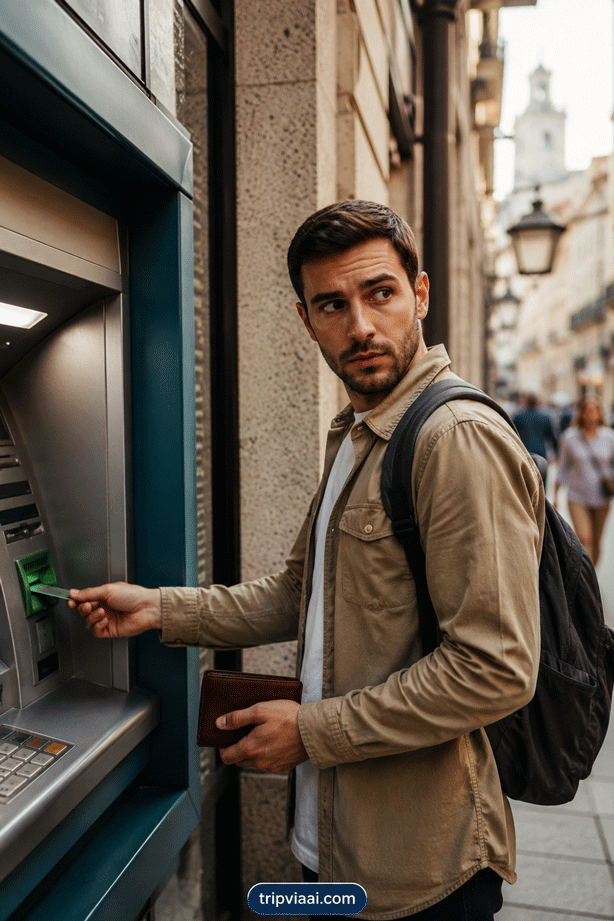
ATM Safety While Traveling
Smart Travelers Follow Simple Safety Habits Every Day
The best way to avoid becoming a victim of scams is not memorizing every scam in the world. Instead, it is developing a few simple habits that work in almost every destination.
Experienced travelers tend to verify information before making payments, avoid rushing important decisions, and remain cautious when strangers create pressure. These habits dramatically reduce the likelihood of becoming a target.
A practical travel scams guide focuses as much on prevention as it does on identifying scams. Travelers who stay aware of their surroundings, protect personal information, and trust their instincts often avoid problems before they begin.
For example, if a situation feels unusually urgent, confusing, or too good to be true, it is often worth slowing down and evaluating the circumstances carefully.
Many of the same habits discussed in How to Build a Flexible Travel Itinerary That Actually Works can also help travelers make better decisions because they reduce stress and prevent rushed choices during a trip.
What To Do If You Become a Victim of a Travel Scam
Even careful travelers occasionally encounter scams.
If it happens, the most important thing is remaining calm. Panic often makes the situation worse and can make it harder to take appropriate action.
A good travel scams guide encourages travelers to focus on protecting themselves first. If money, cards, or personal information have been compromised, immediate action should be taken. Contacting banks, payment providers, accommodation providers, or local authorities can often limit the damage.
I once met a traveler who realized his payment card had been compromised while traveling abroad. Because he acted quickly and contacted his bank immediately, the issue was resolved before significant financial losses occurred.
The goal is not achieving perfect protection. The goal is recognizing problems early and responding effectively when they occur.
Travel becomes much safer when travelers know both how to avoid scams and how to react when something goes wrong.
Stay Alert While Exploring Busy Tourist Areas
Conclusion
A practical travel scams guide is not about making travelers fearful of every situation. It is about helping people recognize warning signs, make informed decisions, and travel with greater confidence.
Most scams succeed because travelers are caught off guard, rushed, or unfamiliar with local situations. Once you understand how common scams operate, they become much easier to recognize and avoid.
From fake taxis and accommodation scams to digital security threats and financial fraud, awareness remains one of the most powerful travel safety tools available. The more prepared you are before arriving at a destination, the less likely you are to become a target.
Travel should be exciting, memorable, and rewarding. By following the advice in this travel scams guide, travelers can focus on enjoying their experiences while protecting their money, personal information, and peace of mind.
For more travel guides, safety advice, and practical travel resources, explore additional articles on tripviaai.com.
Frequently Asked Questions
What is the most common travel scam?
One of the most common scams involves unofficial taxis charging excessive fares to travelers who are unfamiliar with local transportation systems.
Are travel scams common in every country?
Travel scams can occur almost anywhere. However, most destinations are generally safe when travelers remain aware and follow basic safety practices.
How can I avoid becoming a target for scammers?
Following a reliable travel scams guide, staying alert, verifying information, and avoiding rushed decisions are some of the best ways to reduce risk.
Are fake WiFi networks dangerous for travelers?
Yes. Fake WiFi networks can expose personal information, passwords, and payment details if travelers connect without verifying the network.
Should I carry all of my cash in one place?
No. Many experienced travelers keep money, cards, and important documents in separate locations to reduce risk if something is lost or stolen.
What should I do if a travel deal sounds too good to be true?
Treat it carefully. Many scams rely on unrealistic offers designed to pressure travelers into making quick decisions.
Can first-time travelers avoid travel scams?
Absolutely. Understanding common scams through a good travel scams guide and following simple safety habits significantly reduces the likelihood of becoming a victim.