

 Posted by
 Introduction
Many travel itineraries look perfect on paper but feel exhausting in real life. They are often packed with attractions, early morning starts, tight schedules, and constant movement from one place to another. While this approach may help travellers check more destinations off a list, it rarely creates an enjoyable travel experience.
I learned this lesson during one of my early trips when I tried to fit nearly every popular attraction into a few days. Instead of enjoying the destination, I spent most of my time checking maps, watching the clock, and rushing between locations. By the end of the trip, I felt more tired than refreshed.
A realistic travel itinerary focuses on quality experiences rather than maximum activity. It gives travellers enough time to explore, rest, adapt to unexpected situations, and actually enjoy the places they visit. Instead of creating pressure, it creates flexibility and comfort.
Whether you are planning your first holiday or looking for a better way to travel, this guide will help you build a realistic travel itinerary that feels enjoyable rather than overwhelming.
Realistic Travel Itinerary Quick Summary
A realistic travel itinerary prioritises balance over busyness. Instead of trying to visit every attraction, travellers focus on fewer experiences, flexible schedules, comfortable transportation, and adequate rest. This approach reduces travel stress, improves enjoyment, and creates a more memorable trip overall.
Quick Overview Table
| Travel Principle | Benefit |
|---|---|
| Plan Fewer Activities | More enjoyment and less stress |
| Allow Buffer Time | Easier schedule adjustments |
| Stay Centrally Located | Less travel time |
| Balance Activity and Rest | Prevent travel fatigue |
| Keep Transportation Simple | Smoother travel days |
| Leave Room for Spontaneity | Better experiences |
| Prioritise Quality Over Quantity | More meaningful travel |
| Travel at a Comfortable Pace | Reduced stress |
Stop Trying to See Everything
One of the biggest mistakes travellers make is treating a trip like a competition. Many people create schedules that include every famous attraction, museum, viewpoint, and activity they can find.
A realistic travel itinerary takes a different approach. Instead of trying to see ten places in one day, focus on two or three meaningful experiences.
Travellers often remember the quality of an experience far more than the number of attractions visited. Spending an extra hour enjoying a neighbourhood café or local market can create stronger memories than rushing through five different landmarks.
A realistic travel itinerary allows travellers to enjoy destinations instead of simply collecting photos. By reducing the number of planned activities, the entire journey becomes more relaxed and enjoyable.

Slow Travel Café Morning Enjoying the Journey
Build Buffer Time Into Every Day
Many travel schedules fail because they leave no room for unexpected situations.
Flights get delayed. Public transportation runs late. Attractions become crowded. Weather changes. Sometimes travellers simply discover a place they want to enjoy longer.
A realistic travel itinerary includes buffer time throughout the day. This flexibility allows small disruptions to happen without affecting the entire schedule.
Instead of planning activities from morning until night, leave open periods between major plans. Buffer time reduces pressure and makes travel feel far more comfortable.
Travellers who include flexibility often experience a more successful realistic travel itinerary because they can adapt naturally rather than constantly rushing to stay on schedule.
Recommended Travel Products
Choose Accommodation Based on Location
Many travellers focus almost entirely on hotel prices while ignoring location. A cheaper hotel may seem attractive initially, but long daily commutes often create additional stress and wasted time.
A realistic travel itinerary prioritises convenience. Staying near major attractions, transportation hubs, or city centres often saves hours throughout a trip.
The goal is not necessarily luxury. The goal is reducing unnecessary travel time so more energy can be spent enjoying the destination.
A centrally located accommodation supports a realistic travel itinerary by making daily exploration easier and more flexible.
If you are planning a longer trip, our How to Plan a Trip Without Feeling Overwhelmed guide explains how accommodation choices can significantly improve the overall travel experience.
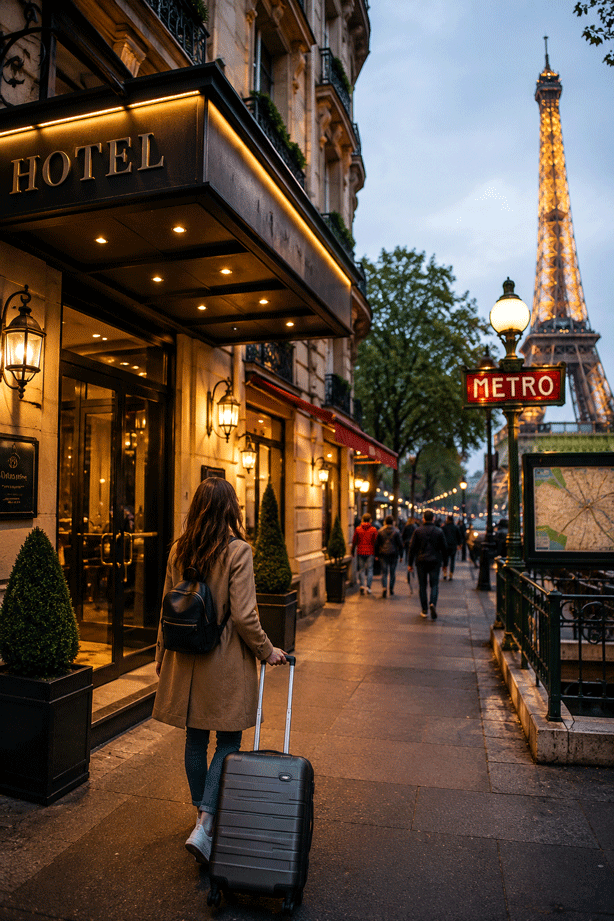
Smart Hotel Location Travel Scene
Schedule Rest Like Any Other Activity
Many travellers plan attractions, restaurants, and sightseeing but never schedule rest.
Eventually, fatigue begins affecting decision-making, enjoyment, and energy levels.
A realistic travel itinerary recognises that rest is not wasted time. Taking breaks during the day often improves the overall experience and prevents travel burnout.
Whether it is a quiet afternoon café visit, a short hotel break, or an evening walk instead of another attraction, recovery time helps maintain energy throughout the trip.
Travellers who manage their energy effectively are more likely to enjoy a realistic travel itinerary from beginning to end.
Plan One Anchor Experience Each Day
Many travellers overload their schedule because they feel pressured to maximise every day of a trip. The result is often a packed itinerary that leaves little time to actually enjoy the destination.
A realistic travel itinerary works better when each day has one main priority. Instead of planning six major attractions, choose one anchor experience that becomes the highlight of the day.
For example:
- A famous museum visit
- A food tour
- A scenic train journey
- A historic walking tour
- A beach day
Everything else can remain flexible around that activity.
This approach reduces pressure and helps travellers focus on experiences rather than constantly watching the clock. A realistic travel itinerary should make the destination feel enjoyable, not feel like a checklist that must be completed.
Create Recovery Time After Major Travel Days
One of the most overlooked parts of trip planning is recovery time.
Long flights, overnight trains, multiple airport transfers, and long road trips can be physically exhausting. Yet many travellers schedule their busiest sightseeing day immediately after arrival.
A realistic travel itinerary recognises that travel itself requires energy. After a major travel day, keep the following day lighter and more flexible.
👉 Good recovery-day activities:
- Local neighbourhood walks
- Casual sightseeing
- Café hopping
- Scenic viewpoints
- Relaxed shopping areas
Avoid scheduling demanding activities immediately after long journeys.
Travellers who respect their energy levels often enjoy a much more realistic travel itinerary because they arrive at attractions feeling refreshed rather than exhausted.
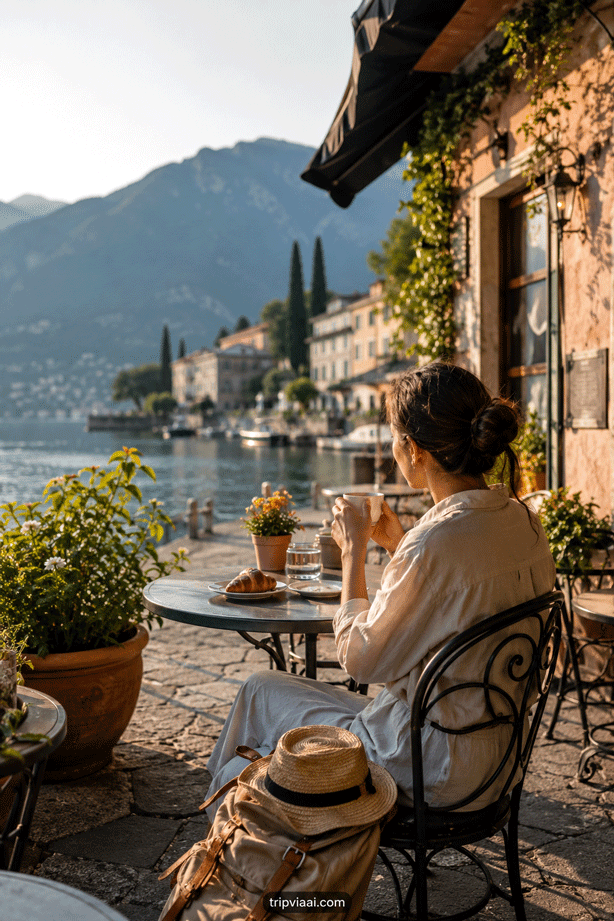
Slow Travel Starts Here
Design Your Days Around Energy Levels
Most travellers plan their itinerary around attraction opening hours, but very few plan around their own energy levels.
A realistic travel itinerary considers when you naturally feel most productive and when you usually need a break. Some people enjoy early morning sightseeing, while others prefer slower starts and evening exploration.
For example, many travellers have the highest energy levels in the morning. That makes it a great time for major attractions, museums, or guided tours. Afternoons can then be reserved for cafés, local markets, or relaxed exploration.
A realistic travel itinerary should work with your natural rhythm rather than constantly fighting against it. Travellers who align activities with their energy levels often experience less fatigue and enjoy each destination more thoroughly.
Instead of asking, “How much can I fit into one day?” ask, “What pace feels enjoyable for me?” That mindset often leads to a much more successful realistic travel itinerary.
Keep One Completely Open Day
Many people feel uncomfortable leaving a day unplanned. They worry they might miss something important.
Ironically, an open day often becomes one of the best parts of a trip.
A realistic travel itinerary benefits from having at least one day without fixed attractions or strict schedules. This flexibility allows travellers to revisit favourite locations, explore unexpected discoveries, or simply rest if needed.
An open day can be used for:
- Local neighbourhood exploration
- Extra shopping
- Photography walks
- Relaxed food experiences
- Unexpected recommendations from locals
Some of the most memorable travel experiences happen when there is no schedule at all.
Travellers who leave room for spontaneity often find that a realistic travel itinerary feels more natural and far less stressful than a tightly controlled schedule.
If you enjoy travelling at a comfortable pace, our How to Build a Flexible Travel Itinerary That Actually Works guide includes practical strategies for creating a smoother and more enjoyable trip.
Recommended Travel Products

The Joy of Getting Lost: Why Unplanned Travel Creates the Best Memories
Use Activity Blocks Instead of Hour-by-Hour Planning
Many itineraries fail because they are too detailed. Travellers often schedule activities at exact times throughout the day, leaving very little room for flexibility.
A realistic travel itinerary works better when you plan in blocks rather than by the hour.
For example:
Morning
- Major attraction or sightseeing
Afternoon
- Lunch and relaxed exploration
Evening
- Local food experience or walking tour
This approach provides structure without creating pressure. If something takes longer than expected, the entire day does not fall apart.
Travellers who use activity blocks usually find that a realistic travel itinerary feels far more flexible and enjoyable. Instead of constantly checking the clock, they can focus on the destination itself.
Limit Daily Decision Making
One reason travellers become exhausted is not because they are walking too much, but because they are making hundreds of small decisions every day.
Where should I eat?
What should I visit next?
How should I get there?
Should I change today’s plan?
A realistic travel itinerary reduces decision fatigue by answering many of these questions in advance while still allowing flexibility.
Instead of planning every detail, identify:
- One main attraction
- One backup activity
- One food area to explore
- One transportation option
This creates enough structure to keep the day organised without making the schedule feel restrictive.
The fewer unnecessary decisions you make during travel, the easier it becomes to enjoy a realistic travel itinerary and stay present in the experience.

Relaxed Travel Planning: Why Simple Itineraries Create Better Trips
Pan Fewer Destination Changes
Many travellers underestimate how much time is lost moving between destinations.
Checking out of hotels, travelling to stations, waiting for transportation, checking into new accommodation, and unpacking all consume valuable travel time.
A realistic travel itinerary avoids unnecessary destination hopping. Instead of visiting five cities in seven days, consider spending more time in fewer locations.
For example:
❌ 7 Days = 5 Cities
✅ 7 Days = 2–3 Cities
Slower travel often creates deeper experiences and significantly less stress. Travellers who reduce destination changes usually discover that a realistic travel itinerary provides more enjoyment, better memories, and greater flexibility throughout the journey.
Build Your Itinerary Around Experiences, Not Checklists
Many travellers return home feeling disappointed even after visiting famous attractions. The reason is simple: they spent the entire trip trying to complete a checklist instead of enjoying experiences.
A realistic travel itinerary focuses on how you want the trip to feel rather than how many attractions you can visit.
Instead of asking:
- How many places can I see?
- How much can I fit into one day?
Ask:
- What experiences do I want to remember?
- Which activities genuinely interest me?
- What pace will help me enjoy the journey?
For example, spending an entire afternoon exploring a local neighbourhood, talking to locals, and discovering hidden cafés may create stronger memories than rushing through multiple tourist attractions.
A realistic travel itinerary prioritises meaningful experiences over busy schedules. Travellers who focus on quality rather than quantity often return home feeling more satisfied, more relaxed, and more connected to the destination.
The goal of travel is not to complete a list. The goal is to create memorable experiences. When your itinerary supports that objective, a realistic travel itinerary becomes one of the most effective ways to enjoy travel without feeling rushed.

Meaningful Travel Experience Over Checklist Tourism
Frequently Asked Questions
What is a realistic travel itinerary?
A realistic travel itinerary is a travel plan that balances sightseeing, transportation, meals, and rest without overloading each day with activities.
How many attractions should I visit in one day?
Most travellers enjoy a realistic travel itinerary more when they focus on two or three meaningful experiences instead of trying to visit every attraction.
Why do many travel itineraries feel stressful?
Many itineraries are packed with too many activities, leaving little room for flexibility. A realistic travel itinerary includes buffer time and realistic expectations.
Should I plan every hour of my trip?
No. A realistic travel itinerary works best when it provides structure while still allowing flexibility for unexpected opportunities and changes.
Is slow travel better than fast travel?
For many travellers, yes. A realistic travel itinerary often follows a slower pace that allows more time to enjoy destinations rather than rushing between attractions.
How can I avoid travel burnout?
Scheduling rest periods, limiting destination changes, and following a realistic travel itinerary can help prevent travel fatigue.
Can first-time travellers use this approach?
Absolutely. A realistic travel itinerary is often even more valuable for first-time travellers because it reduces stress and makes trip planning easier.
Conclusion
Travel should feel enjoyable, not exhausting. Unfortunately, many travellers create schedules that leave them rushing from one attraction to another without enough time to actually experience the destination. A packed itinerary may look productive on paper, but it often leads to stress, fatigue, and missed opportunities.
A realistic travel itinerary takes a different approach. By focusing on fewer activities, allowing flexibility, planning around energy levels, reducing destination changes, and leaving room for spontaneous experiences, travellers can enjoy a more comfortable and meaningful journey. The goal is not to see everything. The goal is to enjoy what you do see.
Whether you are planning a weekend getaway or a longer holiday, a realistic travel itinerary can help you travel at a pace that feels enjoyable rather than overwhelming. When your schedule supports your experience instead of controlling it, travel becomes more memorable, more relaxing, and far more rewarding. For more travel itineraries, practical travel guides, and smart travel planning advice, visit tripviaai.com and explore our latest travel resources.