

 Posted by
 Introduction
Travel money habits often have a bigger impact on a trip than the actual budget itself. Two travelers can visit the same destination, spend a similar amount of money, and still have completely different experiences.
The difference usually comes down to habits.
Some travelers constantly run out of money, make rushed spending decisions, and deal with unnecessary financial stress during a trip. Others seem to stay in control of their budgets without sacrificing comfort or missing out on great experiences.
I once traveled with two friends who had nearly identical budgets. By the end of the trip, one still had money available for extra activities while the other was worried about every purchase. The reason was not income or luck. It was the way they managed money throughout the journey.
Smart travelers develop simple travel money habits that help them make better decisions before, during, and after every trip. Similar budgeting lessons are discussed in Travel Expenses That Are Worth Paying For (And Those That Aren’t), where spending decisions often matter more than spending amounts.
In this guide, we will explore the travel money habits that consistently help travelers get more value from every trip.
Why Travel Money Habits Matter
Strong travel money habits help travelers stay in control of spending, avoid financial stress, and make better decisions throughout a trip. Small habits practiced consistently often create bigger results than dramatic budget cuts.
Quick Overview Table
| Smart Habit | Benefit |
|---|---|
| Set Spending Priorities | Better budgeting decisions |
| Avoid Emotional Purchases | Less wasteful spending |
| Track Spending | Greater financial control |
| Build Emergency Funds | Fewer travel surprises |
| Focus on Value | Better travel experiences |
| Review Spending | Continuous improvement |
Smart Travelers Decide Their Priorities Before the Trip Begins
Many travelers create a budget without deciding what actually matters most to them. As a result, money gets spent randomly throughout the trip instead of supporting the experiences they truly value.
Smart travelers approach budgeting differently. Before booking anything, they decide which parts of the trip deserve the largest share of their budget. Some travelers prioritize food, while others care more about accommodation, activities, or convenience.
This simple habit makes decision-making much easier later. Instead of debating every purchase during the trip, travelers already know where they want their money to go.
Strong travel money habits begin long before departure. Establishing priorities early creates a budget that reflects personal goals rather than impulse decisions.
They Focus on Value Instead of the Lowest Price
Many people believe budget travel means always choosing the cheapest option available. Experienced travelers know that this approach often creates new problems.
A cheaper hotel may require expensive transportation. A low-cost flight may include multiple hidden fees. A discounted activity may provide a disappointing experience.
Smart travelers evaluate purchases based on value rather than price alone. They ask whether a purchase saves time, reduces stress, improves comfort, or creates a better experience.
One reason effective travel money habits work so well is because they encourage long-term thinking. Spending slightly more in the right places often leads to better overall results than constantly chasing the lowest price.
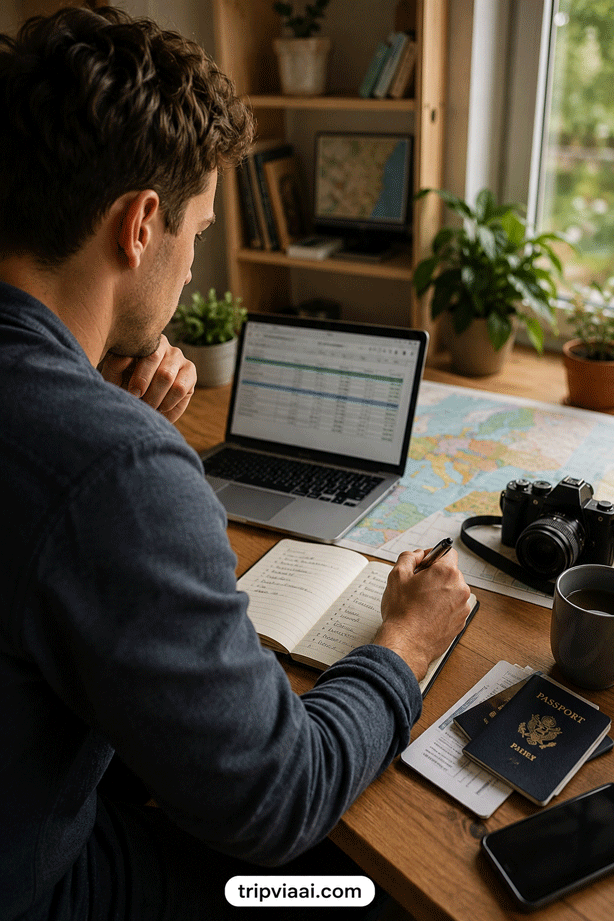
Smart Travel Spending
They Track Spending Without Obsessing Over Every Dollar
Some travelers avoid tracking expenses completely because they think it will make the trip feel restrictive. Others go to the opposite extreme and check every purchase so frequently that they create unnecessary stress.
Smart travelers find a balance between these two approaches.
They monitor spending regularly without allowing money to dominate every travel decision. A quick review at the end of the day is often enough to understand whether the budget is on track. This habit helps travelers identify problems early instead of discovering budget issues near the end of the trip.
One of the most effective travel money habits is maintaining awareness without becoming obsessed. Travelers who know where their money is going generally make better decisions than those who spend without paying attention.
The goal is not controlling every dollar. The goal is understanding spending patterns before they become expensive mistakes.
They Avoid Emotional Purchases While Traveling
Travel often creates emotions that influence spending decisions.
Excitement, urgency, fear of missing out, and limited-time offers can encourage travelers to buy things they would normally avoid. This is especially common in tourist areas where businesses understand how visitors think and behave.
I once met a traveler who purchased several expensive souvenirs during the first two days of a trip because he was worried he might not see them again. By the end of the vacation, most of those items remained unused in his luggage while he skipped experiences he actually wanted because his budget was running low.
Strong travel money habits help travelers separate emotional spending from intentional spending. Smart travelers usually take a few minutes to think before making larger purchases rather than reacting immediately.
That small pause often prevents many unnecessary travel expenses.
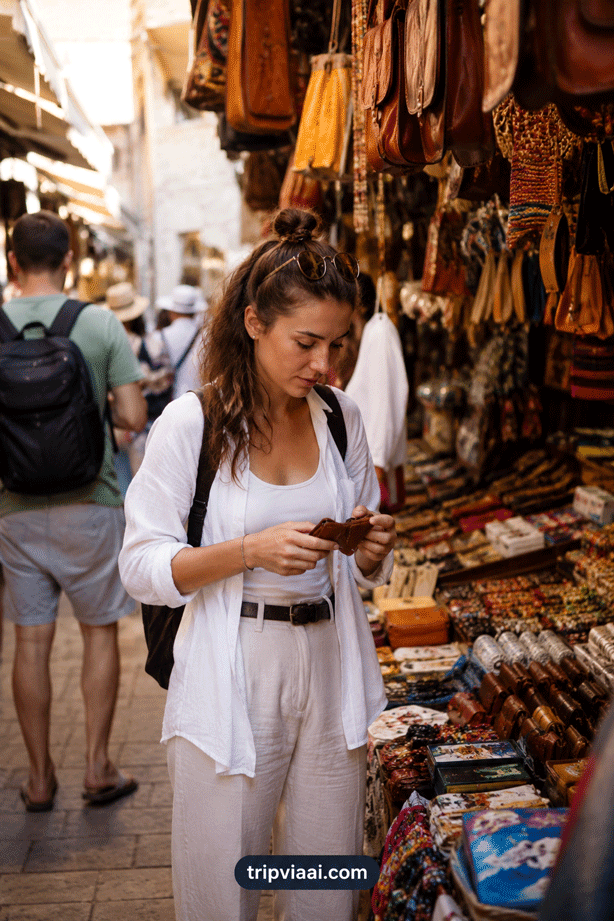
Smart Travel Spending Decisions
They Research Major Expenses Before Booking
Many travel budget problems begin long before the trip starts.
Flights, accommodation, transportation, and activities usually represent the largest travel expenses. Travelers who rush these decisions often end up paying more than necessary or choosing options that provide poor value.
Smart travelers spend time researching major purchases before committing their money. They compare locations, read reviews, evaluate total costs, and consider how each decision affects the rest of the trip.
This habit does not require spending hours researching every small detail. Instead, it focuses attention on the expenses that have the greatest impact on the overall budget.
Effective travel money habits often begin with preparation. A few extra minutes of research can save both money and frustration later.
They Keep an Emergency Travel Fund
Unexpected expenses are part of travel.
Flight delays, lost luggage, transportation changes, medical needs, and last-minute purchases can all affect a travel budget. Travelers who ignore this reality often find themselves stressed when something unexpected happens.
Smart travelers prepare differently. They set aside a small emergency fund specifically for situations they hope never occur.
This money is not intended for restaurants, attractions, or souvenirs. It exists to provide flexibility when plans change unexpectedly. Knowing that emergency funds are available also reduces stress because travelers understand they have a backup plan.
Among all travel money habits, maintaining an emergency fund is one of the simplest and most effective ways to improve financial confidence during a trip.
Many travelers first learn this lesson after reading Hidden Travel Costs Most Travelers Forget to Budget For, where unexpected expenses often affect a travel budget more than expected.
Recommended Travel Products
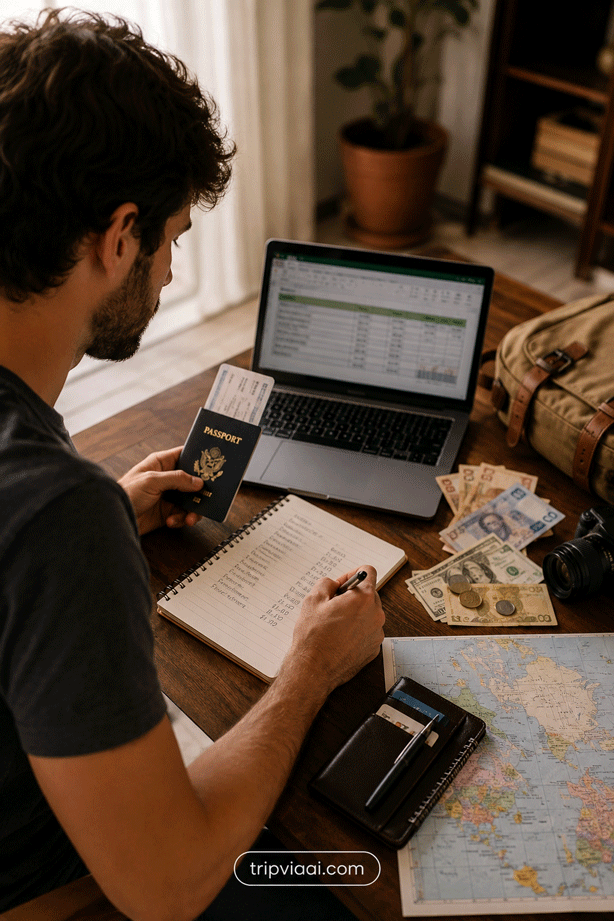
Emergency Travel Budget Planning
They Focus on Experiences Instead of Collecting Things
Many travelers return home with suitcases full of purchases but very few meaningful memories attached to them.
Smart travelers understand that experiences usually create more lasting value than possessions. This does not mean travelers should never buy souvenirs or personal items. It simply means they think carefully about what deserves their money.
For example, a traveler may choose a memorable local experience over several impulse purchases from a tourist shopping area. Years later, the experience is often remembered far more clearly than the items that were purchased.
One reason strong travel money habits work so well is because they help travelers prioritize long-term satisfaction over short-term excitement. Spending money on meaningful experiences often creates greater value without increasing the overall budget.
Experienced travelers frequently ask themselves whether they will remember a purchase six months later. That simple question helps guide smarter spending decisions.
They Review Spending During the Trip Instead of Waiting Until They Return Home
Many travelers only think about their budget after the trip has ended.
Unfortunately, by that point nothing can be changed. Any overspending has already happened, and valuable lessons may be forgotten before the next trip begins.
Smart travelers review their spending regularly while traveling. This does not require complicated spreadsheets or detailed financial reports. A simple daily review is often enough.
This habit helps travelers identify patterns before they become expensive problems. If transportation costs are higher than expected or restaurant spending is increasing too quickly, adjustments can be made immediately.
Strong travel money habits are built through awareness. Travelers who review spending throughout the journey usually stay closer to their budget goals and avoid unpleasant surprises later.
Similar budgeting strategies are discussed in How to Save Money While Traveling Anywhere, where small financial decisions often create significant long-term savings throughout a trip.
Recommended Travel Products
- Anker Power Bank
- Mokobara Packing Cubes
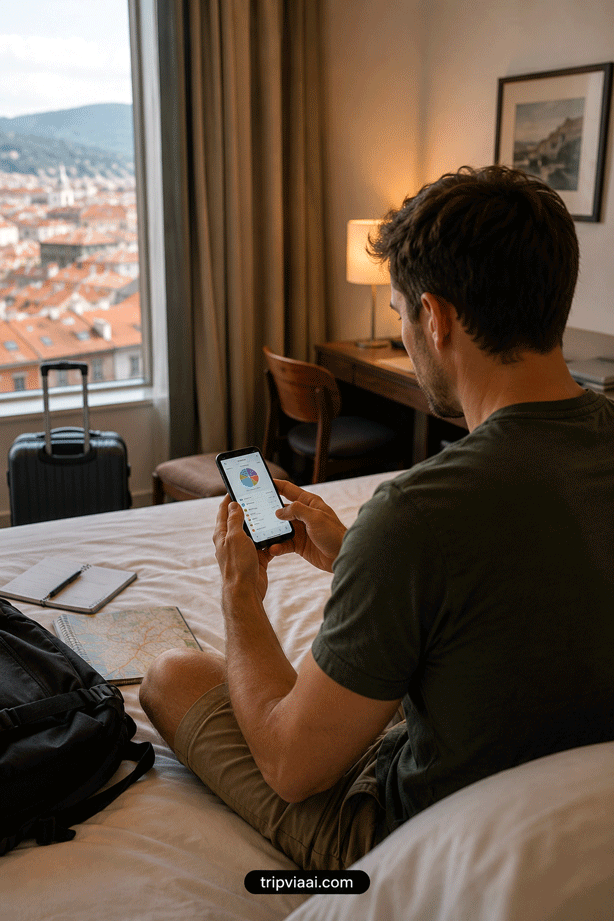
Track Your Travel Expenses Daily
They Avoid Tourist Spending Traps Whenever Possible
Tourist destinations are filled with opportunities to spend money.
While many attractions are genuinely worthwhile, some businesses rely heavily on impulse purchases and inflated prices aimed specifically at visitors. Travelers who make decisions without comparing options often spend far more than necessary.
I once watched two travelers purchase similar souvenirs only a few streets apart. One paid almost twice as much because the shop was located directly beside a major tourist attraction. The other spent a few extra minutes exploring nearby streets before making the purchase.
This is where effective travel money habits make a difference. Smart travelers rarely buy the first thing they see. They compare prices, evaluate quality, and decide whether the purchase truly adds value to the trip.
A little patience often leads to significantly better spending decisions.
They Separate Needs From Wants Before Spending Money
One of the simplest budgeting habits is also one of the most powerful.
Before making a purchase, experienced travelers often ask themselves whether the expense is a genuine need or simply a temporary want. This question helps reduce unnecessary spending without making travel feel restrictive.
For example, transportation to a destination may be a need. An expensive convenience upgrade might be a want. A practical travel accessory may be a need, while an impulse souvenir may be a want.
The goal is not eliminating all wants. Travel should still be enjoyable. The goal is understanding the difference between purchases that improve the trip and purchases that only provide brief satisfaction.
Among all travel money habits, this one consistently helps travelers stay in control of their budgets while still enjoying meaningful experiences.
Experienced travelers often combine these habits with ideas from 15 Budget Travel Mistakes That Are Costing You Money to avoid common spending mistakes and stay in control of their budget.
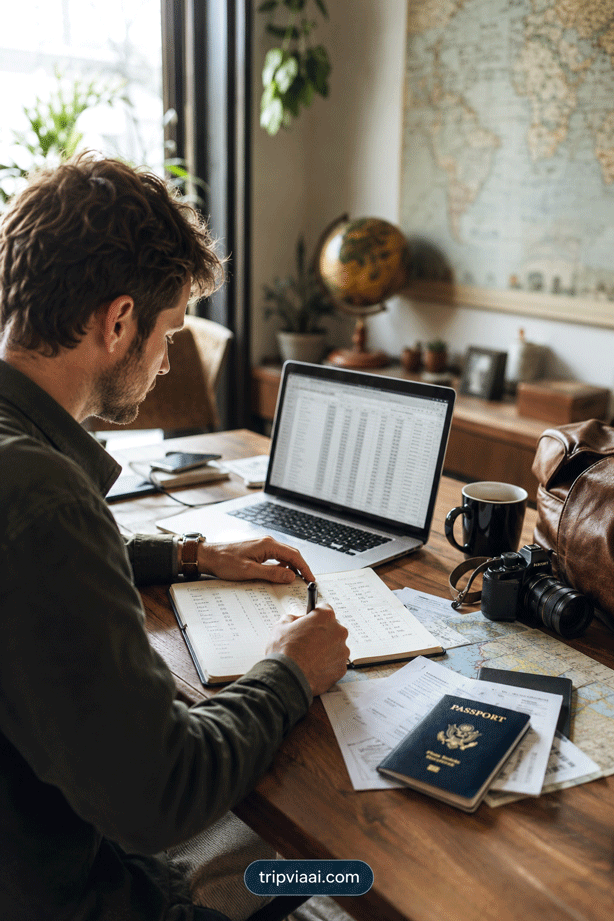
Travel Budget Lessons That Pay Off
They Learn Something From Every Trip
Many travelers finish a trip, unpack their luggage, and immediately move on to daily life. While there is nothing wrong with that, it also means valuable lessons are often forgotten.
Smart travelers take a few minutes to reflect on their spending decisions after returning home. They think about which purchases provided genuine value and which expenses felt unnecessary. Over time, these observations help them make better decisions on future trips.
For example, a traveler may realize that paying extra for a centrally located hotel saved both time and transportation costs. Another traveler may discover that several impulse purchases added very little value to the overall experience.
This habit is one of the most overlooked travel money habits because it happens after the trip ends. However, the insights gained often improve every future travel budget.
Travelers who learn from previous experiences gradually become more confident, more efficient, and far more effective at managing travel expenses.
They Build Better Travel Money Habits Over Time
No traveler becomes great at managing money overnight.
The most financially confident travelers simply practice good habits consistently. They learn from mistakes, adjust their spending strategies, and improve their decision-making with every trip they take.
One reason travel money habits are so powerful is because they continue working long after a specific trip ends. A traveler who develops strong financial habits today will benefit from them on every future journey.
The goal is not creating a perfect budget. The goal is making smarter decisions year after year. Small improvements in planning, spending, and financial awareness often produce better results than dramatic budgeting changes.
Over time, these habits help travelers reduce stress, avoid unnecessary expenses, and enjoy more meaningful travel experiences without constantly worrying about money.
📸 Image Prompt: Experienced traveler reviewing past travel budgets and planning future trips with confidence, organized travel finance setup, notebook, laptop and travel documents on desk, warm natural lighting, ultra realistic 35mm lens photography, vertical 2:3 ratio, bottom centre badge text “tripviaai.com”, no overlay text.
Frequently Asked Questions
What are travel money habits?
Travel money habits are the spending, budgeting, and decision-making practices that help travelers manage money more effectively before, during, and after a trip.
Why are travel money habits important?
Strong travel money habits help travelers avoid unnecessary spending, reduce financial stress, and get better value from their travel budget.
How do smart travelers avoid overspending?
Smart travelers usually set spending priorities, track expenses regularly, avoid emotional purchases, and focus on value rather than the lowest price.
Should I track spending while traveling?
Yes. A simple daily review helps travelers stay aware of spending patterns and make adjustments before budget problems become serious.
How much money should I keep for emergencies?
The amount depends on the destination and trip length, but maintaining a dedicated emergency fund is one of the most useful travel money habits.
Are experiences better than souvenirs?
Many travelers find that memorable experiences provide greater long-term value than impulse purchases and unnecessary souvenirs.
What is the easiest travel money habit to start today?
Setting spending priorities before booking a trip is one of the simplest and most effective habits because it influences every other financial decision.
Conclusion
Strong travel money habits are not about being cheap or avoiding every expense. They are about making thoughtful decisions that create better travel experiences without unnecessary financial stress.
Throughout a trip, smart travelers focus on value, prepare for unexpected situations, track spending regularly, and avoid emotional purchases. These simple habits help them stay in control of their budget while still enjoying everything a destination has to offer.
I have noticed that the travelers who seem most relaxed about money are usually not the ones with the biggest budgets. They are the ones who have developed reliable habits and learned how to spend intentionally.
The good news is that anyone can improve their travel money habits. Small changes in planning and spending decisions can have a surprisingly large impact over time.
Before your next trip, focus on building better habits instead of searching only for ways to spend less. That approach often leads to smarter budgets, better experiences, and more enjoyable travel overall.
For more budgeting advice, travel planning strategies, and practical travel resources, explore additional guides on tripviaai.com.