
 Posted by
 Introduction
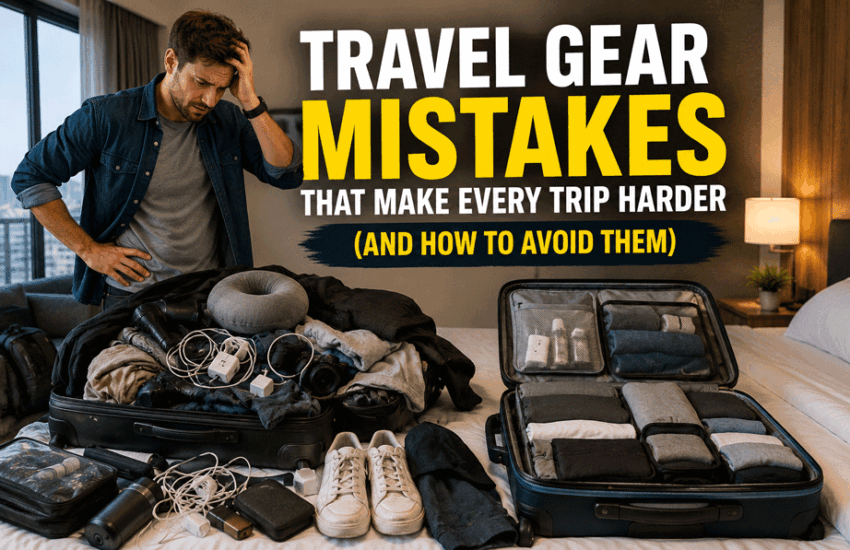
Travel gear mistakes are one of the biggest reasons travellers experience unnecessary stress, discomfort, and packing problems during a trip. Choosing the wrong luggage, backpack, or accessories can make even a well-planned holiday feel much harder than it should be.
I once watched a traveller struggle through a busy airport while dragging an oversized suitcase, carrying a heavy backpack, and constantly searching for misplaced travel documents. Before the trip had even properly started, frustration had already taken over the experience. The destination looked exciting, but poor gear choices were making every step of the journey more difficult.
Many travellers spend weeks researching destinations, flights, and hotels but give very little attention to the gear they bring along. Unfortunately, the wrong travel gear can affect comfort, organisation, mobility, and even travel costs. Heavy luggage, poorly designed backpacks, unnecessary gadgets, and low-quality accessories often create problems that continue throughout the entire trip.
The good news is that most of these issues are completely avoidable. By understanding the most common travel gear mistakes, you can pack smarter, travel lighter, and enjoy a far smoother experience from departure to return. Small improvements in your travel setup often have a bigger impact than expensive upgrades or luxury bookings.
Many travellers who read Travel Gadgets That Actually Make Travel Easier quickly realise that smart gear choices are often the secret to stress-free travel.
What Are the Most Common Travel Gear Mistakes?
The most common travel gear mistakes include buying gear without researching, overpacking, choosing oversized luggage, carrying unnecessary gadgets, ignoring comfort, and failing to organise travel essentials properly. Smart gear choices make travel lighter, easier, and significantly less stressful.
Buying Travel Gear Without Research
One of the biggest travel gear mistakes is purchasing products simply because they look attractive online. Many travellers buy luggage, backpacks, travel accessories, and gadgets without understanding whether they actually fit their travel style.
Marketing often highlights features that sound useful but provide little real-world value. A backpack that works well for digital nomads may not suit a family traveller. A large suitcase may be perfect for long vacations but become frustrating during multi-city trips.
Before buying any travel gear, consider:
- Trip length
- Transportation methods
- Destination type
- Personal travel habits
- Storage requirements
Researching before purchasing usually leads to better long-term satisfaction and fewer travel frustrations.
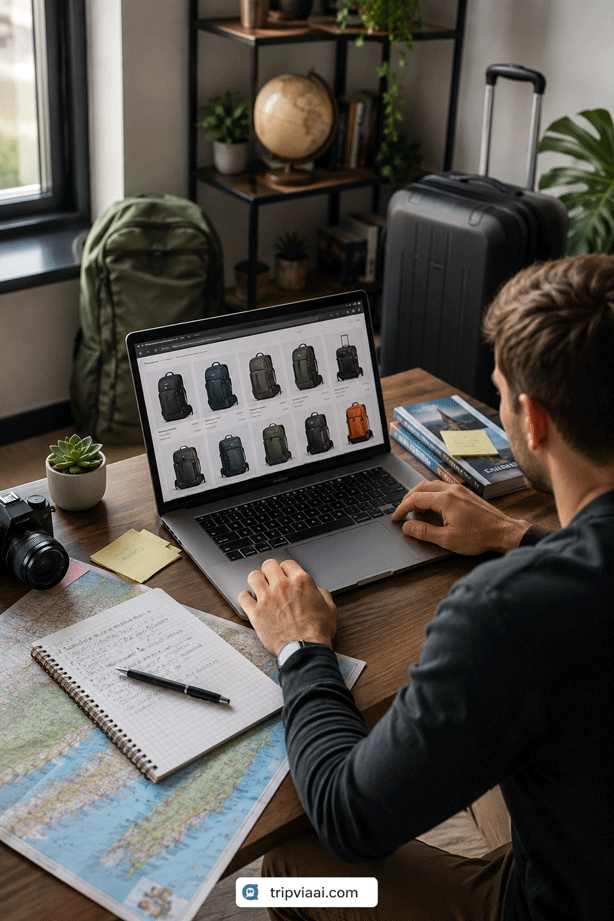
Travel Gear Comparison Guide for Smart Travellers
Choosing Oversized Luggage for Every Trip
Many travellers assume bigger luggage automatically makes travel easier because it provides more packing space. In reality, oversized luggage is one of the most common travel gear mistakes because extra space often encourages unnecessary packing.
Large suitcases become difficult to carry through airports, train stations, city streets, and public transportation. They also increase the risk of baggage fees and make frequent movement between destinations far less convenient.
The best luggage size depends on the type of trip you are taking. A weekend getaway requires very different packing needs than a three-week international holiday. Experienced travellers often discover that travelling lighter provides more freedom, flexibility, and comfort throughout the journey.
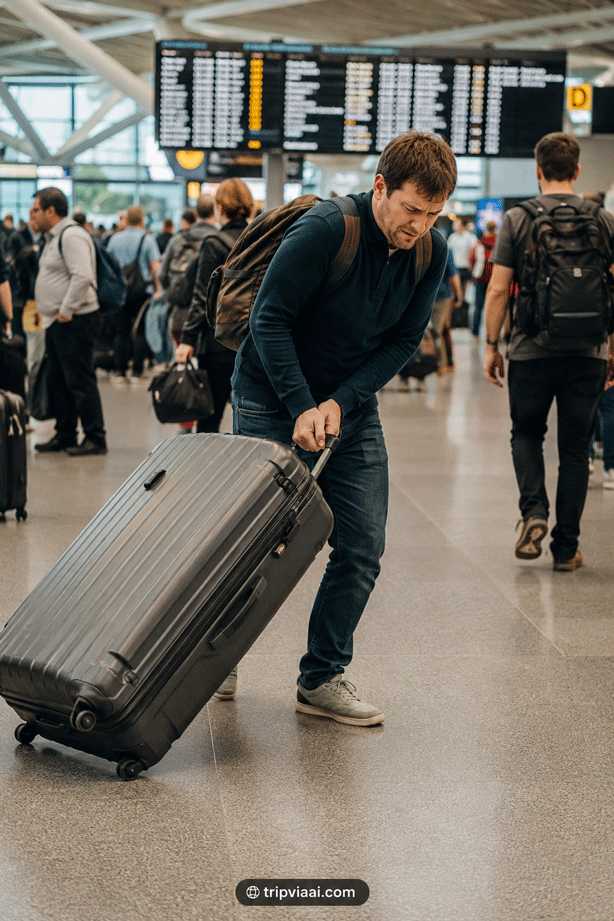
Travel Smarter Avoid the Heavy Luggage Trap
Prioritising Style Over Comfort
Many travel products look impressive online but perform poorly during real-world travel. Choosing stylish gear without considering comfort is another costly travel gear mistake that often creates discomfort throughout the trip.
This is especially common with backpacks. A backpack may look modern and premium but become painful after several hours of carrying it through airports, sightseeing areas, or public transportation systems.
Comfort should always be evaluated before appearance. Features such as padded straps, proper weight distribution, breathable materials, and ergonomic design can dramatically improve the travel experience.
Travellers who prioritise comfort usually experience less fatigue and remain more energetic throughout their trips. Attractive gear is nice to have, but practical comfort provides value every single day.
Carrying Too Many Travel Gadgets
Modern travellers often believe every gadget will improve their journey. However, carrying too many devices is one of the fastest ways to create unnecessary weight and clutter.
Many people pack multiple chargers, cameras, adapters, power banks, speakers, tablets, and accessories that rarely get used. As a result, bags become heavier while organisation becomes more difficult.
A smarter approach is identifying which gadgets genuinely improve your specific travel style. Every item should have a clear purpose.
Before packing any gadget, ask yourself:
- Will I use this daily?
- Does it solve a real problem?
- Can another device perform the same function?
- Is the extra weight worth carrying?
Reducing unnecessary gadgets creates a lighter, more efficient travel setup.
Ignoring Travel Gear Organisation
Even premium travel gear becomes frustrating when everything inside is disorganised. Many travellers focus heavily on what they pack but pay very little attention to how they pack it.
Poor organisation leads to constant searching for passports, charging cables, travel documents, medication, and other essentials. Small delays repeated throughout a trip create unnecessary stress.
Simple organisation systems can make a huge difference. Packing cubes, document organisers, cable pouches, and dedicated compartments help travellers locate items quickly when needed.
Good organisation also improves packing efficiency and reduces the risk of losing important belongings. Many experienced travellers consider organisation one of the most valuable travel skills they have developed.
Buying Cheap Gear That Fails During Travel
Trying to save money is understandable, but purchasing extremely low-quality products is one of the most expensive travel gear mistakes in the long run.
Cheap luggage wheels often break. Poor-quality zippers fail unexpectedly. Weak backpacks tear under pressure. Low-cost accessories may stop working when you need them most.
I once saw a traveller’s suitcase wheel break while changing trains between cities. What seemed like a small purchase decision suddenly became a major travel problem for the rest of the trip.
Smart travellers focus on value instead of simply choosing the lowest price. Reliable travel gear usually lasts longer, performs better, and creates fewer problems during future journeys.
One of the most overlooked travel gear mistakes is using new gear for the first time during an actual trip. Many travellers buy luggage, backpacks, shoes, or accessories and immediately take them on vacation without testing them beforehand.
Unfortunately, problems usually appear when it’s too late to fix them. Backpack straps may feel uncomfortable, luggage wheels may perform poorly, or storage compartments may not work as expected.
A simple test run before departure helps identify issues early. Use your gear during a short local outing or pack it fully at home to see how it performs.
Smart travellers usually test:
- Backpack comfort
- Luggage mobility
- Device charging systems
- Travel organisers
- Security features
A small trial can prevent major travel frustrations later.
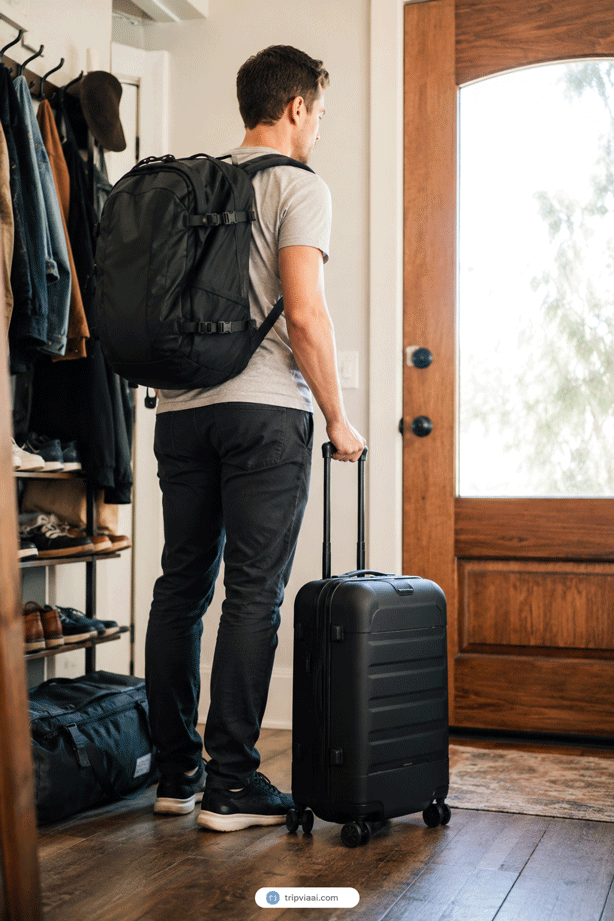
Testing Travel Gear Before Departure
Carrying Too Many Travel Accessories
Accessories can certainly improve convenience, but carrying too many often creates unnecessary clutter. Many travellers buy every travel accessory they see online and end up packing items they rarely use.
Extra organisers, duplicate adapters, multiple travel pillows, unnecessary pouches, and backup gadgets quickly consume valuable luggage space.
A better strategy is focusing only on accessories that solve real travel problems. Every item should earn its place inside your luggage.
Instead of asking:
“What else can I add?”
Ask:
“What can I remove without affecting my trip?”
Travellers who simplify their gear setup usually pack faster, stay organised longer, and move more comfortably throughout their journey.
Ignoring Destination-Specific Needs
Another common travel gear mistake is packing the same gear for every destination regardless of weather, activities, or local conditions.
The gear required for a tropical beach holiday differs greatly from what you need for a mountain adventure or urban city trip. Ignoring destination requirements often leads to overpacking or bringing the wrong equipment entirely.
For example:
- Beach destinations need lightweight clothing and sun protection.
- Mountain trips require layering systems.
- City travel often benefits from anti-theft bags.
- Long road trips may require additional organisation tools.
Successful travellers match their gear to the destination instead of following a one-size-fits-all packing approach.
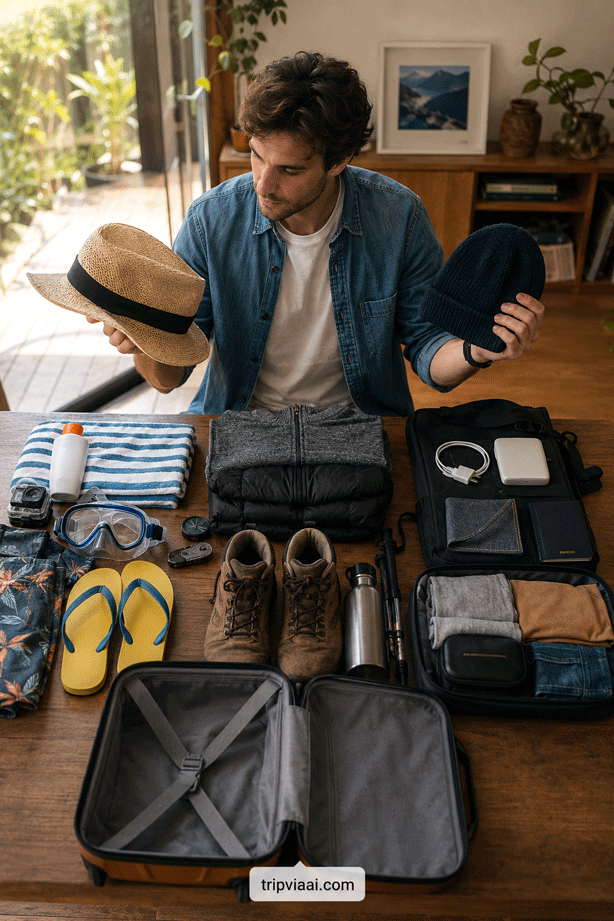
Travel Gear for Every Destination
Following Travel Gear Trends Blindly
Social media has made travel gear recommendations more accessible than ever. However, blindly following trends is one of the most expensive travel gear mistakes travellers make today.
A product that works perfectly for a travel influencer may not suit your travel style at all. Many viral products become popular because of marketing rather than genuine usefulness.
I once purchased a highly recommended travel accessory simply because it appeared in countless travel videos. After carrying it on several trips, I realised it added weight but provided almost no practical value.
Before purchasing any trending product, consider:
- Does it solve a real problem?
- Will I use it regularly?
- Does it match my travel style?
- Is there a simpler alternative?
Smart travellers buy based on personal needs rather than internet popularity.
Carrying More Than You Can Comfortably Handle
Many travellers only realise this mistake after arriving at the airport. If you cannot comfortably carry your own luggage for several minutes, you are probably carrying too much.
Heavy bags create physical fatigue long before sightseeing even begins. Airports, train stations, public transport, hotel stairs, and city streets quickly expose poor packing decisions.
Experienced travellers often follow a simple rule: carry only what you can manage independently without assistance.
Travelling lighter provides several benefits:
- Faster movement
- Lower baggage costs
- Easier hotel transfers
- Less physical exhaustion
- Better overall flexibility
The most comfortable travellers are rarely the ones carrying the most gear. They are usually the ones carrying only what they genuinely need.
Recommended Travel Gear Upgrades
Choosing the right gear is important, but sometimes upgrading outdated equipment can make travel significantly easier. If you travel regularly, these premium upgrades can improve comfort, organisation, and convenience.
Peak Design Travel Backpack
A versatile premium backpack designed for travellers who need excellent organisation, durability, and comfortable carrying support. Multiple compartments make it easy to organise clothing, electronics, and travel essentials without creating clutter.
Bellroy Travel Wallet
Keeping passports, cards, boarding passes, and travel documents organised becomes much easier with a dedicated travel wallet. This simple upgrade reduces stress during airport check-ins and border crossings.
Forgetting That Simpler Is Usually Better
One of the smartest lessons experienced travellers learn is that more gear does not always create a better travel experience. In fact, many travel gear mistakes happen because travellers keep adding items instead of simplifying.
When every available pocket, compartment, and luggage space is filled, travelling becomes more complicated. Organisation becomes harder, movement becomes slower, and packing takes longer.
The best travel setups are usually surprisingly simple. Every item serves a purpose, and nothing is carried “just in case” without a realistic reason.
Many frequent travellers eventually discover that reducing gear often improves travel comfort more than purchasing new gear.
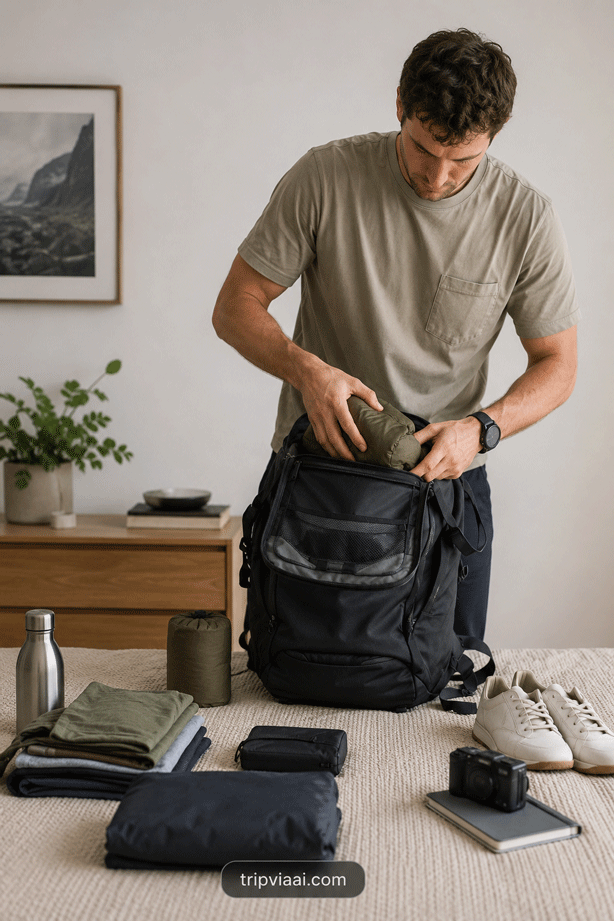
Pack Light, Travel Smart
Neglecting Security Features When Buying Gear
Security is often overlooked until something goes wrong. Many travellers focus on appearance, storage, or pricing while completely ignoring security features.
A backpack without secure zippers or luggage without reliable locks can increase the risk of theft, especially in crowded tourist areas and transportation hubs.
Important security features to consider include:
- Lockable zippers
- Hidden compartments
- RFID protection
- Durable locking systems
- Anti-theft designs
While no gear guarantees complete protection, choosing products with basic security features provides additional peace of mind during travel.
Replacing Useful Gear Too Frequently
Travel gear companies constantly release new models, colours, and features. This often encourages travellers to replace perfectly functional gear long before it needs replacing.
This is one of the most expensive travel gear mistakes because travellers spend money solving problems that do not actually exist.
A quality backpack, suitcase, or travel accessory can often remain useful for years. Unless there is a genuine performance issue, frequent upgrades rarely provide meaningful improvements.
Smart travellers evaluate:
- Actual usefulness
- Durability
- Performance
- Long-term value
Rather than upgrading simply because something newer exists.
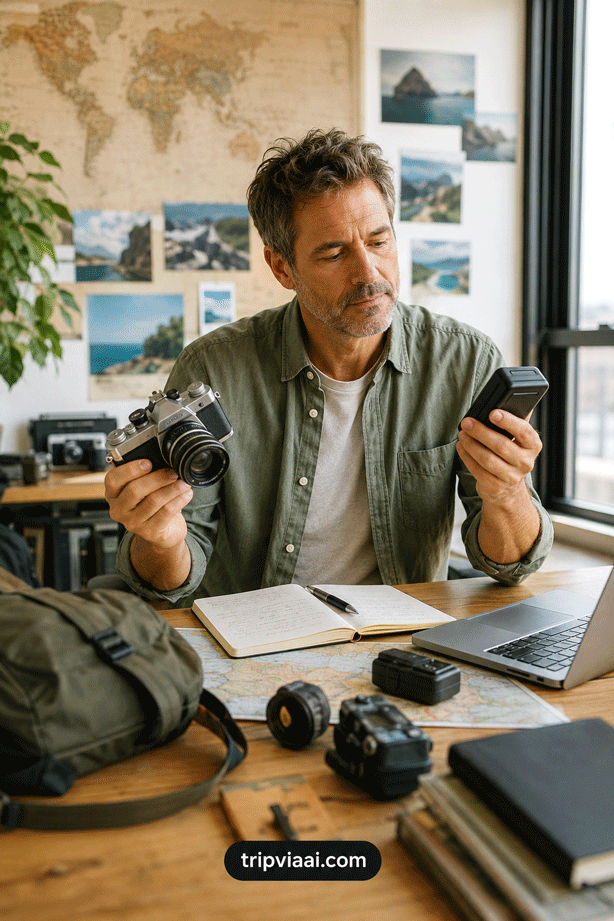
Old vs New Travel Gear Which Is Worth Packing
Treating Travel Gear as the Solution to Every Problem
The final and perhaps most important travel gear mistake is believing that buying more gear automatically creates better travel experiences.
Good gear helps, but successful travel depends far more on planning, flexibility, organisation, and realistic expectations.
Many travellers spend hundreds of dollars chasing the perfect backpack, luggage set, or accessory collection while ignoring the habits that actually improve travel.
The reality is simple: the best travel gear supports good travel habits. It does not replace them.
Travellers who combine smart planning with practical gear choices usually enjoy smoother trips, lower stress levels, and greater overall travel satisfaction. That’s why many readers who enjoy How to Save Money While Traveling Anywhere eventually realise that better decisions often matter more than better equipment.
Quick Overview Table
| Travel Gear Mistake | Common Result |
|---|---|
| Buying gear impulsively | Wasted money |
| Carrying oversized luggage | Difficult transportation |
| Choosing style over comfort | Travel fatigue |
| Packing unnecessary gadgets | Extra weight |
| Ignoring organisation | Lost items |
| Buying cheap low-quality gear | Frequent replacements |
| Skipping travel testing | Unexpected problems |
| Carrying too many accessories | Clutter |
| Ignoring destination needs | Poor preparation |
| Following trends blindly | Unnecessary purchases |
Conclusion
Travel gear mistakes may seem minor at first, but they can affect every stage of a journey. From oversized luggage and unnecessary gadgets to poor organisation and impulsive purchases, small gear decisions often create major travel frustrations.
The good news is that most of these mistakes are easy to avoid. By focusing on comfort, practicality, organisation, and destination-specific needs, travellers can build a smarter and more efficient travel setup. Remember that the goal of travel gear is not to impress people—it is to make travel easier.
The best travellers are not usually the ones carrying the most gear. They are the ones carrying the right gear. With a little planning and smarter decisions, your future trips can be lighter, smoother, and far more enjoyable.
For more practical travel advice, beginner-friendly guides, travel gear recommendations, and smart travel tips, visit TripViaAI at https://tripviaai.com/.