
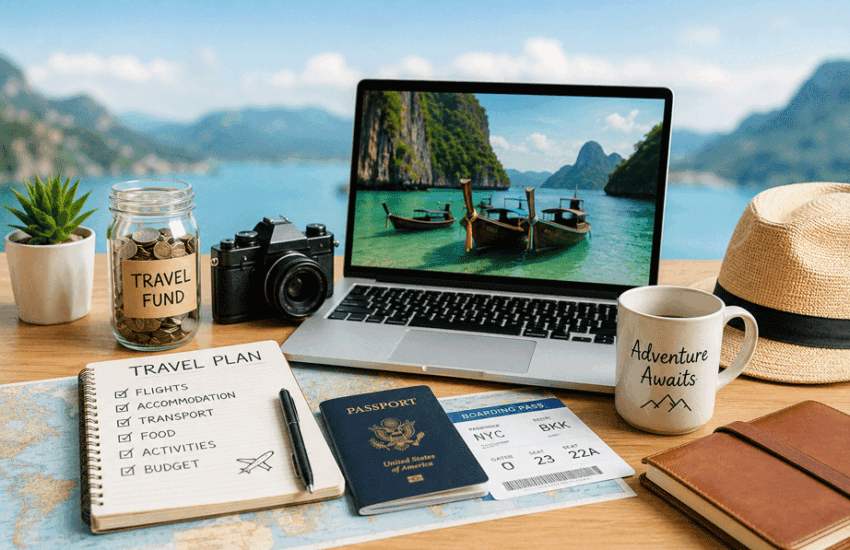
 Posted by
 Introduction
Travel feels expensive when small money mistakes keep repeating throughout the journey. Overspending on transportation, booking the wrong hotels, carrying poor travel gear, and making rushed decisions quietly increase travel costs far more than most beginners realize. A smart budget travel guide is not about making travel uncomfortable. It is about spending wisely while still enjoying the experience.
I realized this during one of my earlier trips when poor planning slowly drained my budget faster than expected. Expensive airport food, unnecessary transportation costs, weak luggage, and last-minute bookings created stress almost every day. Later, after improving a few simple travel habits, travel started feeling far more affordable and organized without sacrificing comfort.
This budget travel guide focuses on practical beginner-friendly strategies that genuinely help travelers save money, reduce stress, and travel smarter. Travelers looking for common money-saving mistakes to avoid can also explore guides like 15 Budget Travel Mistakes That Are Costing You Money before planning future trips.
1. Start With a Realistic Travel Budget
The first thing every beginner should do in a budget travel guide is create a realistic travel budget. Traveling without understanding your spending limits usually creates stress later because expenses quickly become difficult to control.
Many beginners only calculate flight prices and forget about other important costs like hotels, food, transport, activities, shopping, and emergency expenses. Those smaller costs slowly build up and affect the overall budget much more than expected.
A smarter approach is dividing your budget into clear categories before booking anything. When you know exactly how much money you can spend in each area, travel planning becomes more organized and less stressful.
This budget travel guide also recommends keeping extra emergency money because unexpected expenses are completely normal during travel. Delays, extra baggage fees, transport changes, or small emergencies can happen anytime.
When your budget is clear from the beginning, you stop making emotional decisions and start making smarter travel choices.
2. Choose Destinations That Match Your Budget
Choosing the right destination is one of the smartest decisions beginner travelers can make. Some destinations naturally require higher budgets, while others offer amazing travel experiences at much lower costs.
This budget travel guide recommends starting with destinations that are affordable, beginner-friendly, and easy to explore. Countries like Thailand, Vietnam, Bali, and Malaysia are popular because accommodation, food, and local transport are usually much cheaper compared to expensive tourist destinations.
Many beginners compare only flight prices while selecting destinations, but daily expenses matter much more in the long run. A place with a slightly expensive flight may still become cheaper overall if food, transport, and hotels are affordable.
💡 Real Example
During one of my first trips, I almost booked a destination because the flight looked cheap. Later, after checking hotel prices and transport costs, I realized the total travel expense would become much higher than expected.
Instead, I selected a more budget-friendly destination and was able to stay longer, explore more places, and enjoy the trip without constantly worrying about money.
That experience taught me that total trip cost matters much more than only flight prices.
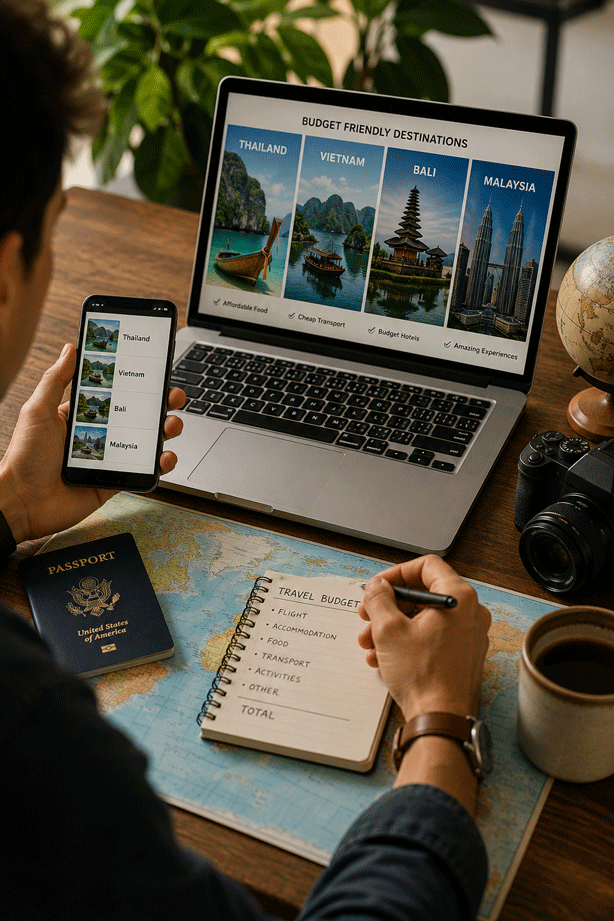
Budget-Friendly Travel Destination Planning
3. Travel During Off-Season to Save More Money
Travel timing plays a huge role in your overall expenses. One of the easiest ways to save money in this budget travel guide is traveling during off-season periods instead of peak tourist months.
Peak seasons usually increase flight prices, hotel costs, and activity expenses very quickly. Tourist attractions also become crowded, which can reduce the quality of your overall experience.
Off-season travel often gives a much calmer and more comfortable experience. Hotels provide discounts, flights become more affordable, and tourist places feel less stressful because there are fewer crowds.
Even small changes in travel dates can make a big difference financially. I once compared the same flight for two different weekends and noticed a huge price difference simply because one weekend was close to a holiday period.
That small comparison helped me save a surprising amount of money without changing my destination or travel style.
4. Book Flights Early Instead of Waiting Too Long
One of the biggest beginner mistakes is waiting too long before booking flights. Many travelers think prices will become cheaper later, but in reality, flights usually become more expensive as travel dates get closer.
Booking flights early gives better prices and more flexibility. It also reduces stress because one major part of your trip gets finalized early in the planning process.
This budget travel guide also recommends comparing multiple booking websites before making payment because prices for the same flight sometimes vary between platforms.
Another important thing many beginners ignore is additional charges. Cheap tickets may suddenly become expensive after adding baggage fees, seat selection, and airport taxes.
Smart flight booking is not only about finding the lowest price. It is about understanding the final total cost before confirming your booking.
If you want to improve your overall spending habits while travelling, read our How to Save Money While Traveling Anywhere for practical strategies that help you save money without sacrificing your travel experience.
Recommended Products
5. Focus on Value Instead of Luxury Hotels
Many beginners spend too much money on hotels because they think luxury automatically improves travel experiences. In reality, most travelers spend most of their day outside exploring destinations.
This budget travel guide recommends focusing on comfort, safety, and location instead of expensive luxury features. A clean room near public transport is usually much more useful than a luxury hotel far from important areas.
Location matters a lot because staying far from city centers often increases daily transport costs. A slightly more expensive hotel in a better location can actually save money overall.
💡 Real Example
I once booked a luxury hotel because the online photos looked amazing. But during the trip, I realized I spent most of my time outside exploring the city and barely used the hotel facilities.
That experience completely changed the way I choose accommodations now. I focus more on convenience and practicality instead of luxury appearance.
This simple change helped me save money on future trips without reducing travel quality.
6. Pack Smart Instead of Carrying Too Much
Overpacking is one of the most common beginner travel mistakes. Many people pack extra clothes and unnecessary items because they think they might need them later during the trip.
The problem is that heavy luggage creates stress throughout the journey. Airports become more tiring, public transport becomes uncomfortable, and baggage fees can suddenly increase travel costs.
This budget travel guide recommends carrying only practical essentials that you will realistically use during your trip. Comfortable clothes, important documents, chargers, and toiletries are usually enough for most beginner travelers.
Packing cubes are especially useful for beginners because they help organize luggage properly and save space inside bags. Organized luggage also reduces stress during busy travel days because you can quickly find what you need.
Travel organizer pouches are another helpful tool because they keep passports, tickets, cash, and cards safely organized in one place instead of scattered inside your luggage.
Good organization may seem like a small detail, but it makes traveling much smoother and more comfortable.
Carrying the right equipment makes packing much easier. Our How to Choose the Right Travel Gear for Any Trip in 2026 guide explains how to select practical travel gear based on your destination and travel style.
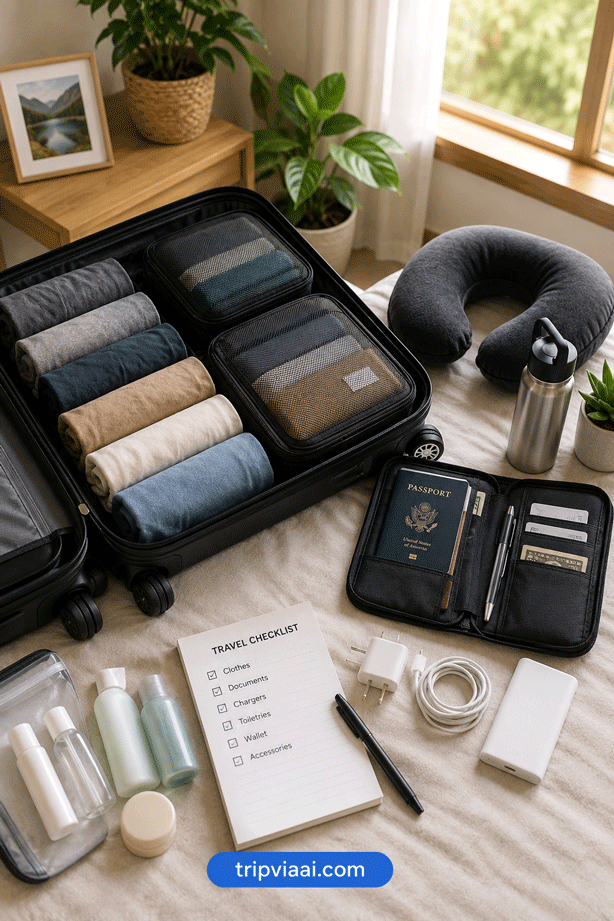
Travel Essentials Flat-Lay Setup
7. Use Public Transport to Control Travel Costs
Transport costs can slowly destroy your budget if you are not careful. Many beginners depend too much on taxis because they feel easier and more comfortable during travel.
The problem is that regular taxi usage becomes very expensive, especially in tourist-heavy cities where transport prices are already high.
This budget travel guide recommends using metro systems, buses, and trains whenever possible because they are usually affordable, reliable, and beginner-friendly in many destinations.
Walking short distances is also one of the best ways to save money while exploring local areas naturally. Some of the best travel experiences happen while simply walking through streets, markets, and neighborhoods.
Using public transport is not only about saving money. It also helps travelers understand local culture better and experience destinations in a more realistic way.
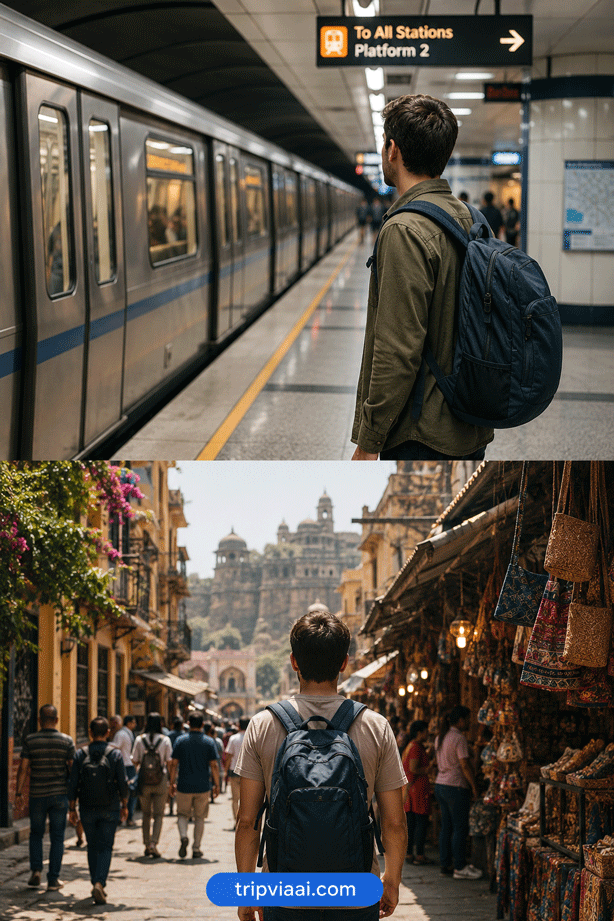
Urban Exploration And Metro Journey
8. Avoid Emotional Spending During Trips
Many travelers lose control of their budget because they make emotional spending decisions during trips. Tourist areas are specifically designed to encourage shopping, impulse buying, and unnecessary spending.
Small purchases may not feel important individually, but together they slowly increase total travel expenses.
This budget travel guide encourages beginners to spend money intentionally instead of emotionally. Before buying something, take a moment and ask yourself whether it is genuinely useful or simply an impulsive decision.
Travel experiences usually create better memories than random shopping items. Spending money on meaningful activities often feels much more satisfying later than buying unnecessary souvenirs.
Learning to control emotional spending is one of the most important habits for long-term smart travel.
9. Stay Organized Throughout Your Journey
Organization is something many beginners underestimate, but it can actually save both money and time during travel. Losing documents, forgetting bookings, or struggling with messy luggage creates unnecessary stress and sometimes additional expenses.
This budget travel guide strongly recommends keeping all important travel items properly organized throughout the journey.
Simple habits like keeping digital copies of documents, organizing tickets carefully, and checking your essentials before leaving hotels can prevent many common travel problems.
Travelers who stay organized usually feel calmer and more confident during airports, hotel check-ins, and transport transfers.
Good organization also helps beginners avoid panic during busy travel moments, which makes the overall experience much smoother and more enjoyable.
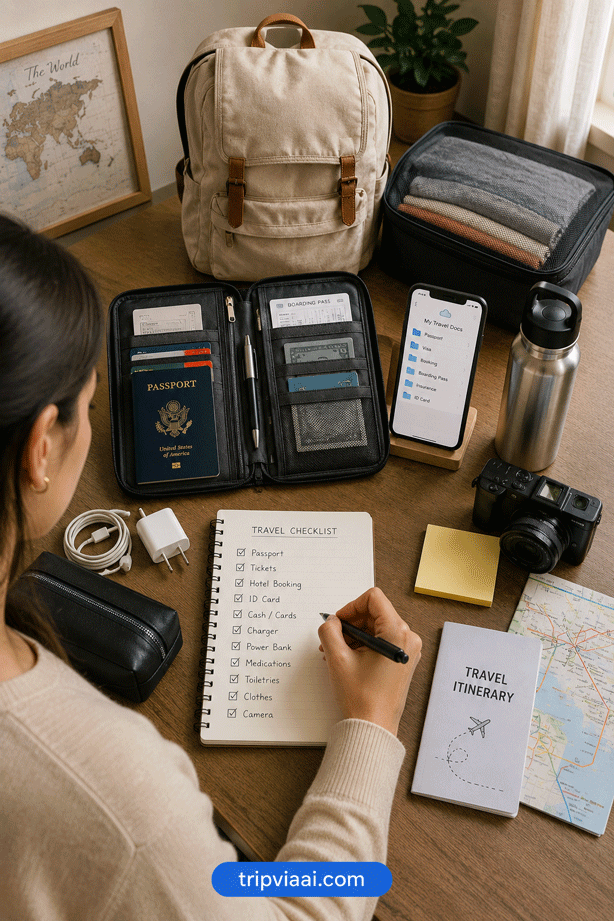
Travel Planning Essentials On a Desk
10. Track Your Daily Expenses Carefully
One of the easiest ways to stay within budget during travel is tracking your expenses every day. Many beginners overspend simply because they never calculate how much money they are using daily.
Small purchases like snacks, coffee, local transport, and shopping slowly increase total costs without travelers noticing immediately.
This budget travel guide recommends checking your spending every evening because that small habit creates strong financial awareness during the trip.
When travelers understand exactly where their money is going, they naturally start making smarter financial decisions.
Travel becomes much less stressful when you feel financially organized and confident about your spending.
11. Save Money on Food Without Missing the Experience
Food is one of the most enjoyable parts of traveling, but it can also become one of the biggest expenses if you are not careful. Many beginners spend too much money eating only in tourist-focused restaurants because they assume those places are safer or better.
This budget travel guide recommends balancing experience and budget instead of choosing expensive restaurants every day. Local restaurants, food markets, and smaller cafes often provide much better value and more authentic food experiences.
During one of my trips, I noticed that restaurants near famous tourist attractions were charging almost double for meals that were available at much lower prices only a few streets away.
That experience completely changed how I choose places to eat while traveling. Now I focus more on local food spots instead of expensive tourist restaurants, and the experience usually feels more authentic as well.
Carrying a reusable water bottle and small snacks can also reduce unnecessary daily spending, especially during long sightseeing days.
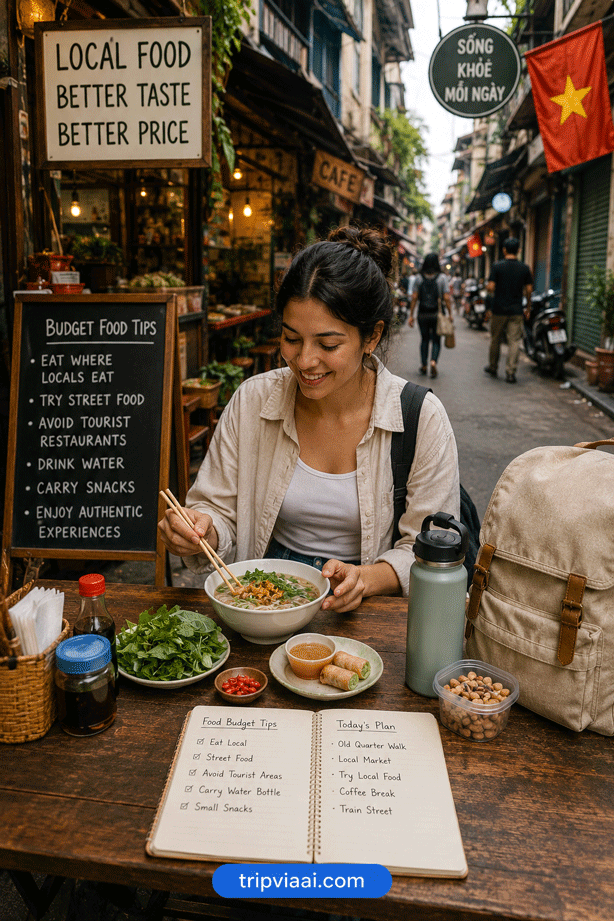
Local Food Adventure In The Alley
12. Avoid Tourist Traps That Waste Your Budget
Tourist traps are one of the biggest hidden problems for beginner travelers. These places are designed to attract tourists and encourage unnecessary spending through overpriced food, expensive souvenirs, and fake “special offers.”
Many beginners spend money emotionally in these areas because everything looks exciting and urgent. The problem is that most of those purchases are not actually meaningful or useful later.
This budget travel guide recommends researching places before visiting them instead of blindly following social media hype or aggressive advertisements.
Many attractions look amazing online but feel disappointing in reality because they are overcrowded, overpriced, and heavily commercialized.
A better approach is focusing on experiences that genuinely interest you instead of trying to visit every trending place on the internet.
Travel becomes much more enjoyable when your money goes toward meaningful experiences instead of expensive tourist marketing.
13. Plan Activities Carefully Instead of Doing Everything
Many beginner travelers feel pressure to visit every attraction during a trip. They create overloaded schedules and spend money on too many activities in a very short period of time.
The problem with this approach is that travel quickly becomes exhausting instead of enjoyable.
This budget travel guide recommends focusing on a few meaningful activities each day instead of rushing through multiple locations without actually enjoying them.
Free or low-cost experiences often become the most memorable parts of travel. Walking through local markets, relaxing at beaches, exploring neighborhoods, or watching sunsets can create stronger memories than expensive tourist attractions.
Travel is not about completing a checklist. It is about experiencing places properly and enjoying the journey without unnecessary pressure.
💡 Real Example
During one of my early trips, I planned too many activities in a single day because I wanted to “maximize” the experience.
By evening, I was physically exhausted and barely remembered half the places I visited.
After that trip, I started planning fewer activities with more relaxed schedules, and my overall travel experience improved significantly.
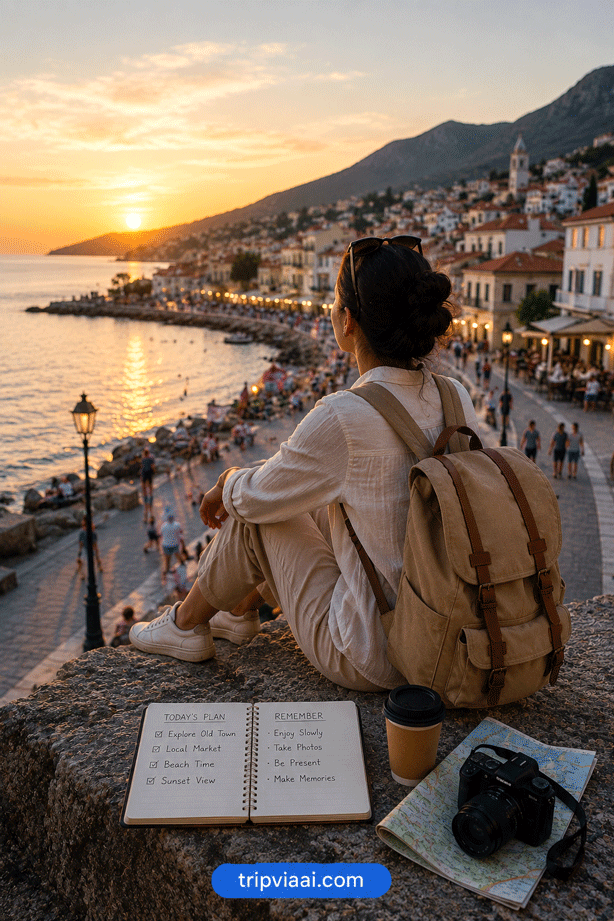
Golden Hour In a Coastal Village
14. Learn Basic Money Management During Travel
Good money management is one of the most important travel skills beginners can develop. Many people lose control of their budget simply because they never track spending carefully during the trip.
This budget travel guide recommends setting a daily spending limit before starting each day. That small habit helps travelers stay more aware of unnecessary purchases and emotional spending.
Separating emergency money from your daily budget is also a smart idea because it creates financial safety during unexpected situations.
Some beginners spend too much money during the first few days of travel and later realize they need to reduce activities because their budget is almost finished.
I once met a traveler who spent most of his trip budget on shopping and expensive restaurants during the beginning of the trip. Later, he had to skip experiences he genuinely wanted because there was not enough money left.
That situation clearly showed why financial awareness matters so much during travel.
15. Stay Flexible Instead of Following Strict Plans
One of the smartest things beginners can learn from this budget travel guide is flexibility. Many people try to control every detail of the trip, but travel rarely goes exactly according to plan.
Flights can get delayed, weather conditions can change, and schedules may need adjustments. A rigid mindset usually creates frustration during these situations.
A flexible approach reduces stress and often improves the overall experience because travelers stop worrying about perfect schedules.
Some of the best travel memories happen unexpectedly. Unplanned moments often become more meaningful than carefully organized plans.
💡 Real Example
I once missed a planned sightseeing activity because of heavy rain during a trip. At first, I felt frustrated because the entire schedule changed unexpectedly.
Later, I spent the evening exploring small local cafes and quiet streets nearby. That unplanned experience became one of the most peaceful and memorable moments of the entire journey.
That trip taught me that flexibility often creates better experiences than perfection.
16. Stay Organized During the Entire Journey
Organization may seem like a small detail, but it can completely change how smooth your trip feels. Losing documents, forgetting bookings, or struggling with messy luggage creates unnecessary stress and sometimes extra expenses.
This budget travel guide strongly recommends developing simple organization habits before and during travel.
Keeping digital copies of important documents, organizing travel essentials properly, and checking your belongings before leaving hotels are small habits that prevent major problems later.
Travel accessories like compact toiletry organizers, luggage tags, and document holders also help beginners stay more confident during airports and hotel transfers.
Good organization saves time, reduces panic, and makes traveling feel much more comfortable overall.
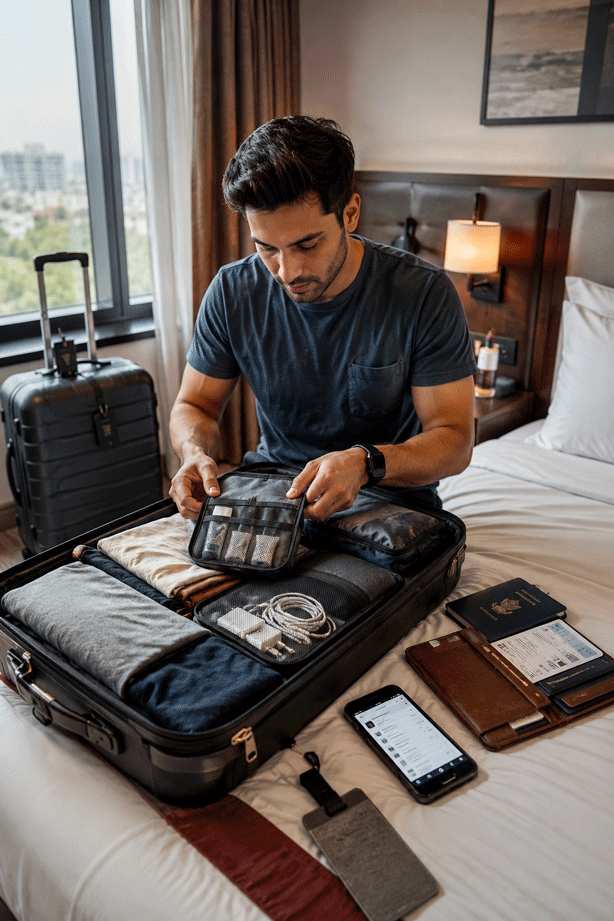
Stay Organized Throughout Your Journey for a Stress-Free Travel Experience
17. Focus on Experiences Instead of Social Media Pressure
One of the biggest mistakes many beginner travelers make is allowing social media to influence how they travel and spend their money. It is easy to feel pressured to book luxury hotels, visit trendy cafés, or participate in expensive activities simply because they look impressive in photos. However, these choices do not always lead to the most enjoyable or memorable travel experiences.
Instead of trying to recreate someone else’s journey, focus on experiences that genuinely interest you. A peaceful walk through a local neighborhood, exploring a traditional market, watching the sunset from a quiet beach, or enjoying authentic local food can often create far stronger memories than expensive attractions designed mainly for social media. During one of my trips, I skipped a popular tourist café with a long waiting line and spent the afternoon exploring nearby streets instead. That unexpected decision led me to discover small local shops and hidden places that became some of my favorite memories from the entire journey.
This budget travel guide encourages travelers to spend money on meaningful experiences rather than online validation. When you stop comparing your trip to carefully edited social media posts, you begin to appreciate travel for what it truly offers—new cultures, genuine experiences, and unforgettable memories that cannot be measured by the number of likes or photographs you share.
18. Avoid Common Beginner Budget Travel Mistakes
Every traveler makes mistakes during their first few trips, but learning from common budgeting errors can save both money and unnecessary stress. One of the biggest mistakes beginners make is trying to do too much in a short period. Packing every day with activities often increases transportation costs, leaves little time to relax, and turns an enjoyable holiday into a tiring schedule.
Another common mistake is waiting until the last minute to book flights and accommodation. Prices often increase as travel dates get closer, making the same trip far more expensive than necessary. Overpacking is another issue that many beginners overlook. Heavy luggage not only becomes difficult to manage but can also lead to additional airline baggage fees.
I once planned a trip with far too many attractions in a single day. Instead of enjoying each place, I spent most of the day rushing between locations and ended the evening feeling exhausted. Since then, I have learned that a slower, more realistic itinerary usually creates a much better travel experience.
This budget travel guide encourages travelers to avoid emotional spending, unrealistic schedules, and unnecessary purchases. Smart budgeting is not about avoiding every expense—it is about making thoughtful decisions that allow you to enjoy your trip without worrying about money.
If this is your first trip, don’t miss Travel Expenses That Are Worth Paying For (And Those Aren’t) where you’ll learn about the most common beginner mistakes and simple ways to avoid them before you travel.
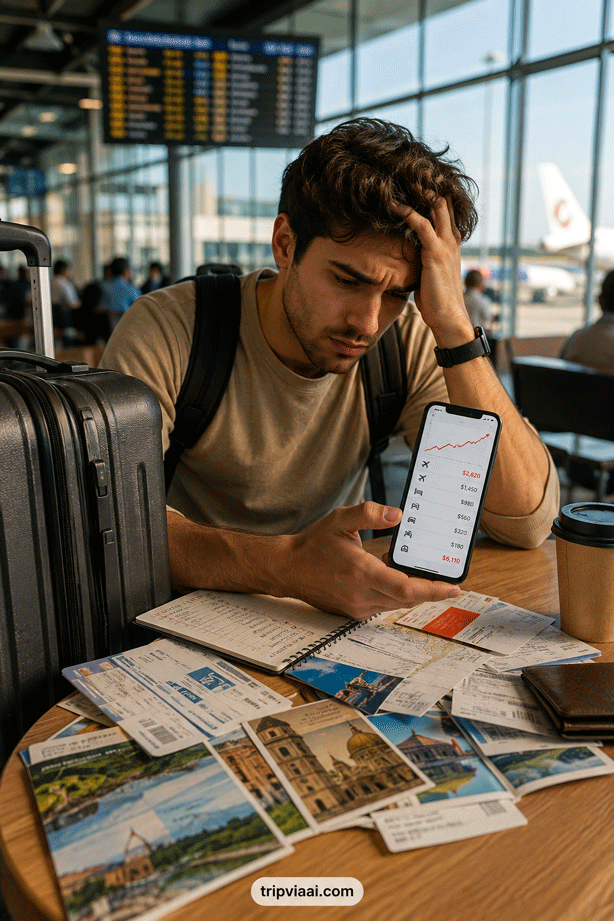
Common Budget Travel Mistakes Every Beginner Should Avoid
19. Build Confidence Through Small Travel Experiences
Travel confidence is something that develops naturally with experience rather than appearing overnight. Many beginner travelers believe their first trip has to be perfect, but every journey brings new lessons that make future travel easier and more enjoyable.
Instead of planning an expensive or highly complicated vacation, start with a destination that feels comfortable and manageable. Short trips help you learn practical skills such as booking accommodation, using public transportation, managing a travel budget, and solving small challenges without feeling overwhelmed.
For example, a simple weekend trip to a nearby city can teach valuable lessons about packing efficiently, planning daily activities, and controlling travel expenses. These experiences build confidence that makes longer international trips feel much less intimidating in the future.
This budget travel guide encourages beginners to focus on steady progress rather than perfection. Every trip, no matter how small, improves your planning skills, decision-making, and confidence. As your experience grows, you’ll find yourself making smarter travel choices, managing your budget more effectively, and enjoying each journey with far less stress.
20. Enjoy the Journey Instead of Chasing Perfection
One of the most valuable lessons beginner travelers can learn is that perfect trips simply do not exist. Flight delays, changing weather, unexpected transportation issues, and last-minute itinerary changes are all normal parts of traveling. Trying to control every detail often creates unnecessary stress and disappointment when plans do not go exactly as expected.
Instead of chasing perfection, focus on making the most of each experience. Some of the best travel memories come from unplanned moments rather than carefully scheduled activities. I once had to cancel an outdoor sightseeing plan because of heavy rain, but that unexpected change led me to explore local cafés and small neighborhoods that eventually became the highlight of the entire trip.
This budget travel guide encourages travelers to stay flexible, keep realistic expectations, and enjoy the journey as it unfolds. When you stop worrying about creating the “perfect” trip, you become more open to new experiences and enjoy traveling with far less pressure. The goal is not to spend the most money or follow a flawless itinerary—it is to travel confidently, stay within your budget, and create memories that last long after the journey ends.
Conclusion
Following a practical budget travel guide is not about cutting every expense or avoiding enjoyable experiences. It is about making smarter decisions that help you travel comfortably, manage your money wisely, and reduce unnecessary stress throughout your journey. Careful planning, realistic budgeting, and flexible thinking often create a much better travel experience than simply spending more.
Every trip teaches valuable lessons, and each experience helps you become a more confident and organized traveler. Whether you are planning your first weekend getaway or your first international vacation, focusing on thoughtful preparation will help you avoid common mistakes and make the most of every opportunity.
Remember, successful travel is not measured by how much you spend but by the experiences you create and the confidence you gain along the way. Start with simple, realistic plans, continue learning from every journey, and enjoy traveling at your own pace.
For more expert travel tips, practical travel guides, and budget-friendly travel advice, visit https://tripviaai.com/.