

 Posted by
 Introduction
For many beginners, the airport feels more intimidating than the actual trip. Check-in counters, security checks, boarding gates, baggage rules, and airport announcements can seem confusing when everything is unfamiliar.
I still remember my first airport experience. I arrived with plenty of excitement but very little understanding of how airports actually worked. Simple things like finding the correct check-in counter, understanding the airport check-in process, and locating my boarding gate felt far more stressful than they should have.
The good news is that airports become much easier once you understand the basic process. This airport guide for first-time travelers explains the most important airport procedures, common beginner mistakes, and practical tips that help travelers move through the airport with more confidence and less stress. Travelers preparing for their first flight can also explore 11 Step Travel Guide for First-Time Travelers to build a smoother overall travel experience.
Why Understanding Airports Matters For First-Time Travelers
Airports can feel overwhelming when everything is new. Check-in counters, baggage rules, security checks, boarding gates, and airport announcements often create confusion for beginners. This airport guide for first-time travelers simplifies the entire process by explaining each step clearly and helping travelers navigate airports with more confidence, less stress, and a better overall travel experience.
Step-By-Step Airport Guide For First-Time Travelers
1. Reach The Airport Earlier Than Necessary
One of the biggest mistakes first-time travelers make is arriving at the airport too late. Airports involve several procedures before boarding, including check-in, baggage drop, security screening, and locating the correct gate. Even small delays on the way to the airport can create unnecessary stress.
A good airport guide for first-time travelers always recommends arriving early because it provides enough time to handle unexpected situations calmly. Most international travelers prefer arriving at least three hours before departure, while domestic travelers often arrive around two hours early.
I still remember rushing through an airport during one trip after getting delayed in traffic. That experience taught me how much easier travel becomes when you have extra time available instead of constantly checking the clock.
Recommended Products
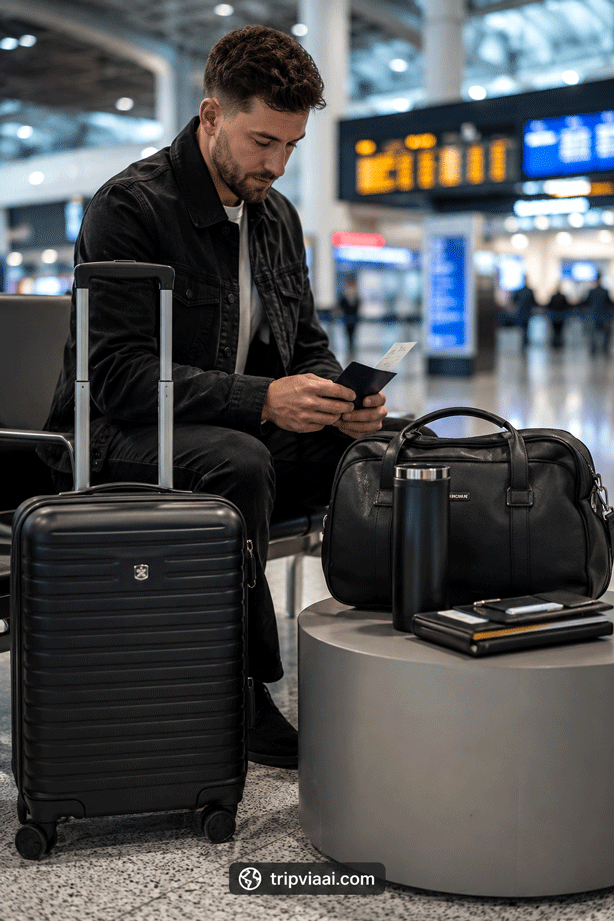
Early Airport Arrival Preparation
2. Understand The Airport Check-In Process
The airport check-in process often feels confusing during a first airport experience because many travelers do not know where to go after entering the terminal. In most airports, the first step is locating your airline’s check-in counter or using a self-service kiosk if available.
During check-in, airline staff verify travel documents, issue boarding passes, and accept checked baggage if necessary. Understanding this process beforehand makes the airport travel guide much easier to follow.
Many beginners worry about making mistakes at check-in, but airport staff handle first-time travelers every day and can usually guide you through the process quickly.
3. Know Your Baggage Rules Before Arrival
Baggage problems are among the most common airport issues for beginners. Overweight luggage, restricted items, and oversized bags can create delays and unexpected charges at the airport.
A practical airport guide for first-time travelers always recommends checking baggage rules before travel day. Airlines often have different weight limits, carry-on policies, and baggage fees.
A few important things to verify before departure include:
- Carry-on size limits
- Checked baggage weight limits
- Restricted items
- Battery and electronics rules
- Liquid restrictions
I once watched a traveler repack luggage at the airport because the bag exceeded the airline’s weight limit. A simple check at home could have avoided the problem entirely.
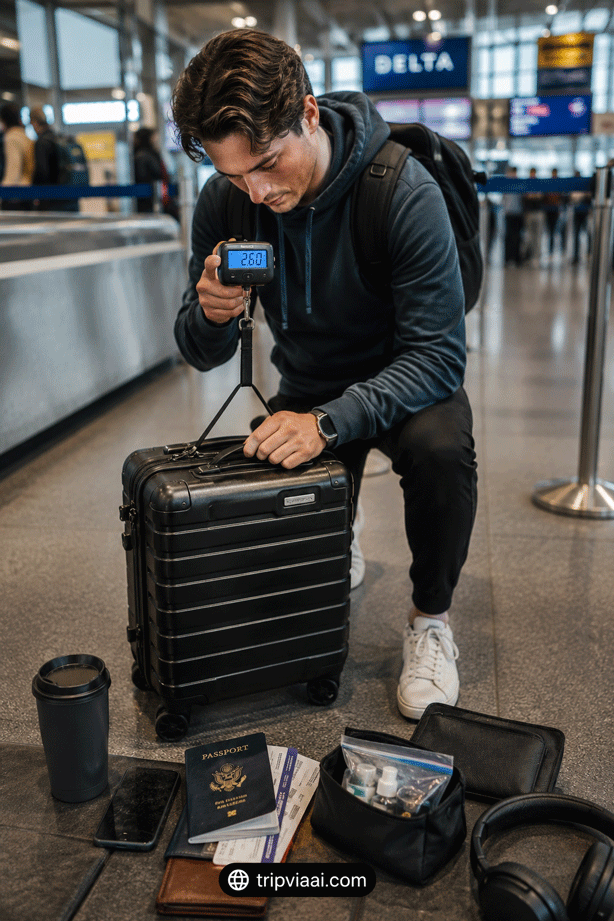
Airport Baggage Check Preparation
4. Keep Important Documents Easy To Access
One of the best airport tips for beginners is keeping travel documents organized and accessible at all times. Constantly searching for passports, boarding passes, identification cards, and booking confirmations creates unnecessary stress during airport procedures.
Experienced travelers usually keep all important documents in one secure location that remains easy to access throughout the journey.
Important documents often include:
- Passport
- Boarding pass
- Visa documents
- Hotel confirmations
- Travel insurance details
A simple organization system makes airport navigation significantly easier, especially during security checks and boarding.
5. Understand Airport Security Procedures
Airport security is often the part that makes first-time travelers most nervous. The good news is that security procedures follow a structured process, and understanding the basics beforehand reduces a lot of anxiety.
Most airports require travelers to place electronics, liquids, and personal items through security scanners while walking through screening checkpoints. Following instructions carefully helps the process move smoothly.
A useful airport security guide always recommends staying calm, keeping documents ready, and following staff instructions without rushing.
6. Learn How Boarding Gates Actually Work
Many first-time travelers assume they can relax anywhere inside the airport until boarding begins. However, understanding how boarding gates work is an important part of any airport guide for first-time travelers because missing a gate announcement can create serious travel problems.
After completing security checks, always verify your gate number on the departure screens. Gate numbers sometimes change, especially at large international airports. Checking the information periodically helps you avoid unnecessary stress.
I once noticed a gate change announcement only because I checked the departure screen again before boarding. Several passengers who were sitting far away almost missed their flight.
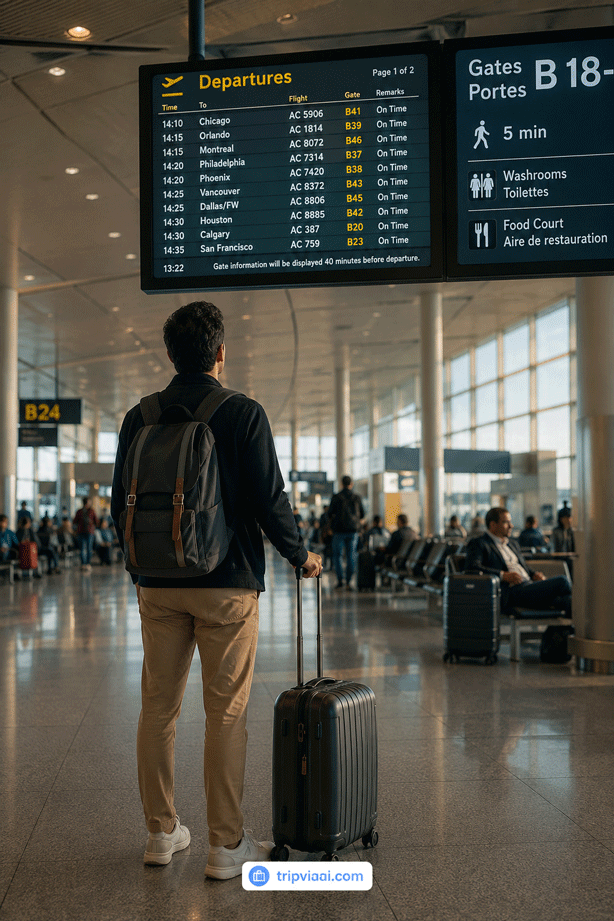
Airport Boarding Gate Navigation
7. Stay Comfortable During Long Airport Waits
Flight delays, long layovers, and early arrivals are common parts of air travel. Many beginners focus only on reaching the airport and forget that they may spend several hours waiting before departure.
A practical airport guide for first-time travelers should include comfort planning because long airport waits become much easier when you are prepared.
Some travelers use the time to read, watch downloaded content, organize travel plans, or simply relax before the flight. The goal is to stay comfortable instead of becoming frustrated by the wait.
Travelers looking for smarter travel setups can also explore Travel Gadgets That Actually Make Travel Easier before future trips.
8. Use Airport Technology To Save Time
Modern airports provide useful technology that many beginners completely ignore. Mobile boarding passes, airline apps, flight notifications, airport maps, and baggage tracking tools can make the entire airport experience much smoother.
Helpful airport travel tips often focus on technology because digital tools reduce confusion and improve efficiency.
Instead of searching for information manually, travelers can often receive updates directly on their phones. This makes it easier to track gate changes, boarding times, and flight delays.
I remember walking across a large airport looking for information screens during one trip. Today, most of that information is available directly through airline apps.
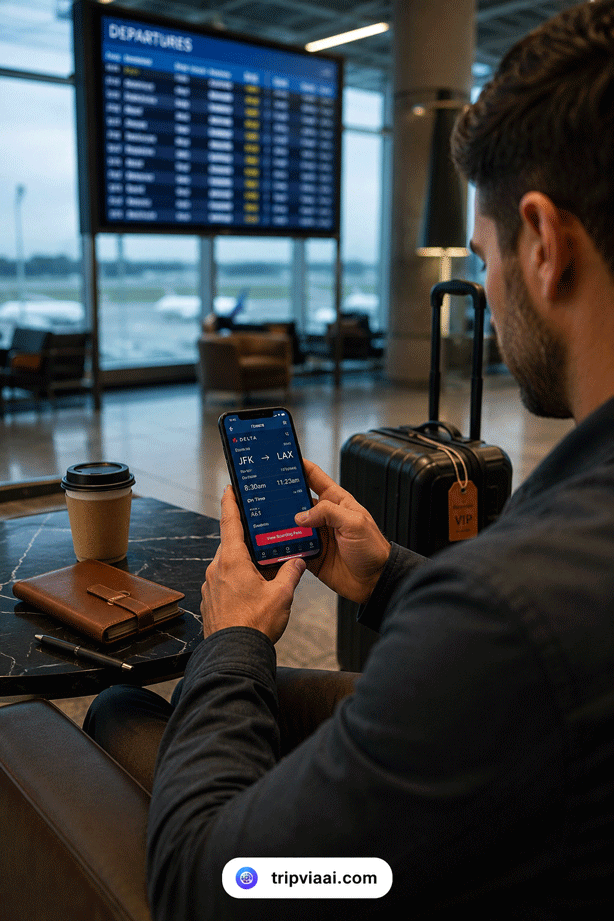
Smart Airport Technology Usage
9. Avoid Common Airport Mistakes That Cause Stress
Many airport problems happen because travelers overlook simple details. A good airport guide for first-time travelers helps identify these mistakes before they happen.
Some common airport mistakes include:
- Arriving too late
- Forgetting important documents
- Ignoring baggage restrictions
- Not checking gate changes
- Packing prohibited items in carry-on luggage
These mistakes may seem small, but they often create unnecessary delays and frustration during travel.
Experienced travelers usually follow simple systems that prevent these problems long before they reach the airport.
10. Understand Immigration And Customs Procedures
International travelers usually go through immigration and customs procedures before entering another country. For beginners, this part often feels intimidating because they do not know what to expect.
In reality, immigration officers usually ask straightforward questions about your trip, accommodation, and travel plans. Keeping documents organized and answering honestly makes the process much easier.
A useful airport guide for first-time travelers always includes immigration preparation because confidence reduces stress significantly during international travel.
Recommended Products
- Luxury Leather Duffle Bag
- Bellroy Travel Wallet
- Travelers preparing for international journeys can also explore 13 Step Travel Guide for First International Trip Without Stress before departure.
11. Prepare For Flight Delays Without Stress
Flight delays are a normal part of air travel, yet many first-time travelers become frustrated because they do not expect their schedule to change. A practical airport guide for first-time travelers should explain that delays happen even at the world’s best airports.
Instead of focusing on what cannot be controlled, experienced travelers prepare for delays before they happen. They carry entertainment, keep devices charged, and avoid scheduling important activities immediately after landing.
I once experienced a delay of several hours during an international trip. Because I had downloaded books, charged my devices, and kept my essentials accessible, the delay felt like a minor inconvenience instead of a major problem.

Traveler Managing Flight Delay Comfortably
12. Build Small Airport Habits That Save Time
Many experienced travelers move through airports efficiently because they follow simple habits every time they travel. These habits reduce mistakes, save time, and make the airport experience significantly smoother.
A useful airport guide for first-time travelers often focuses on routines because good habits prevent common travel problems.
Some helpful airport habits include:
- Keeping documents in the same location
- Checking flight status regularly
- Charging devices before departure
- Reviewing gate information after security
- Organizing carry-on items properly
These small actions may seem simple, but they create a much smoother travel experience over time.
13. Travel Smarter With Better Organization
Organization is one of the easiest ways to reduce airport stress. Travelers who know where their documents, electronics, chargers, and travel essentials are located spend less time searching and more time focusing on the journey.
Many first-time travelers throw everything into one bag and then struggle to find important items during security checks or boarding. Better organization makes every airport procedure easier.
I learned this lesson after spending several stressful minutes searching for a charging cable during a long layover. Since then, I always keep electronics and travel essentials organized in dedicated compartments.
14. Stay Flexible When Airport Plans Change
Weather conditions, gate changes, delayed flights, and unexpected announcements are common parts of air travel. Travelers who expect everything to go exactly according to schedule often become stressed when changes occur.
A smart airport guide for first-time travelers encourages flexibility because adaptable travelers usually enjoy a smoother experience.
Instead of reacting emotionally to every change, focus on the information available and adjust your plans calmly. Airports are designed to handle unexpected situations, and airline staff can usually provide guidance when needed.
15. Focus On Confidence Instead Of Fear
The biggest challenge for many first-time travelers is not the airport itself. It is the fear of making mistakes. Airports may look complicated initially, but most procedures follow a simple and predictable process.
This airport guide for first-time travelers is designed to help beginners understand that confidence comes from preparation, not experience. Every frequent traveler was once nervous about check-in counters, security screening, boarding gates, and airport procedures.
The more familiar you become with the process, the easier future trips will feel. After your first successful airport experience, many of the things that seem intimidating today will become routine parts of travel.
Common Airport Mistakes vs Smart Airport Habits
| Common Airport Mistakes | Smart Airport Habits |
|---|---|
| Arriving at the airport too late | Arriving early with extra buffer time |
| Ignoring baggage rules before travel | Checking airline baggage policies in advance |
| Keeping documents scattered in different bags | Organizing all travel documents in one place |
| Forgetting to monitor gate changes | Checking departure screens regularly |
| Packing prohibited items in carry-on luggage | Reviewing security rules before departure |
| Depending completely on airport WiFi | Preparing internet access before arrival |
| Allowing devices to run out of battery | Carrying backup charging solutions |
| Panicking during security screening | Following airport procedures calmly |
| Becoming frustrated during delays | Staying flexible and prepared |
| Searching for essentials at the last minute | Keeping travel items organized and accessible |
Conclusion
Airports may seem confusing during your first trip, but the process becomes much easier once you understand how everything works. From check-in counters and baggage rules to security screening and boarding gates, each step follows a clear system designed to move travelers safely and efficiently.
The best advice in this airport guide for first-time travelers is simple: arrive early, stay organized, follow airport procedures, and remain flexible when unexpected situations occur. Small habits often make the biggest difference in creating a smooth and stress-free airport experience.
The goal is not to travel perfectly.
👉 The goal is to travel confidently.
Once you complete your first airport journey, future trips will feel significantly easier, faster, and more enjoyable.
For more beginner-friendly travel tips and planning guides, visit tripviaai.com.